Please enjoy some of my finest work.
In collaboration with my sister, Teesa D’Agostino, we bring you “I’m Just a Slope” a tribute to our love of statistics & The Lonely Island
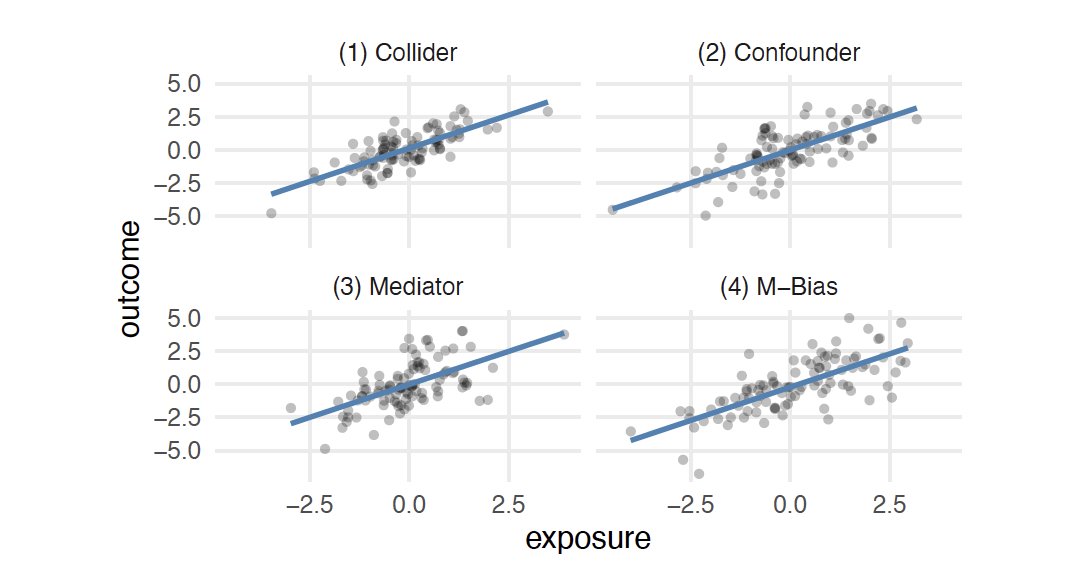
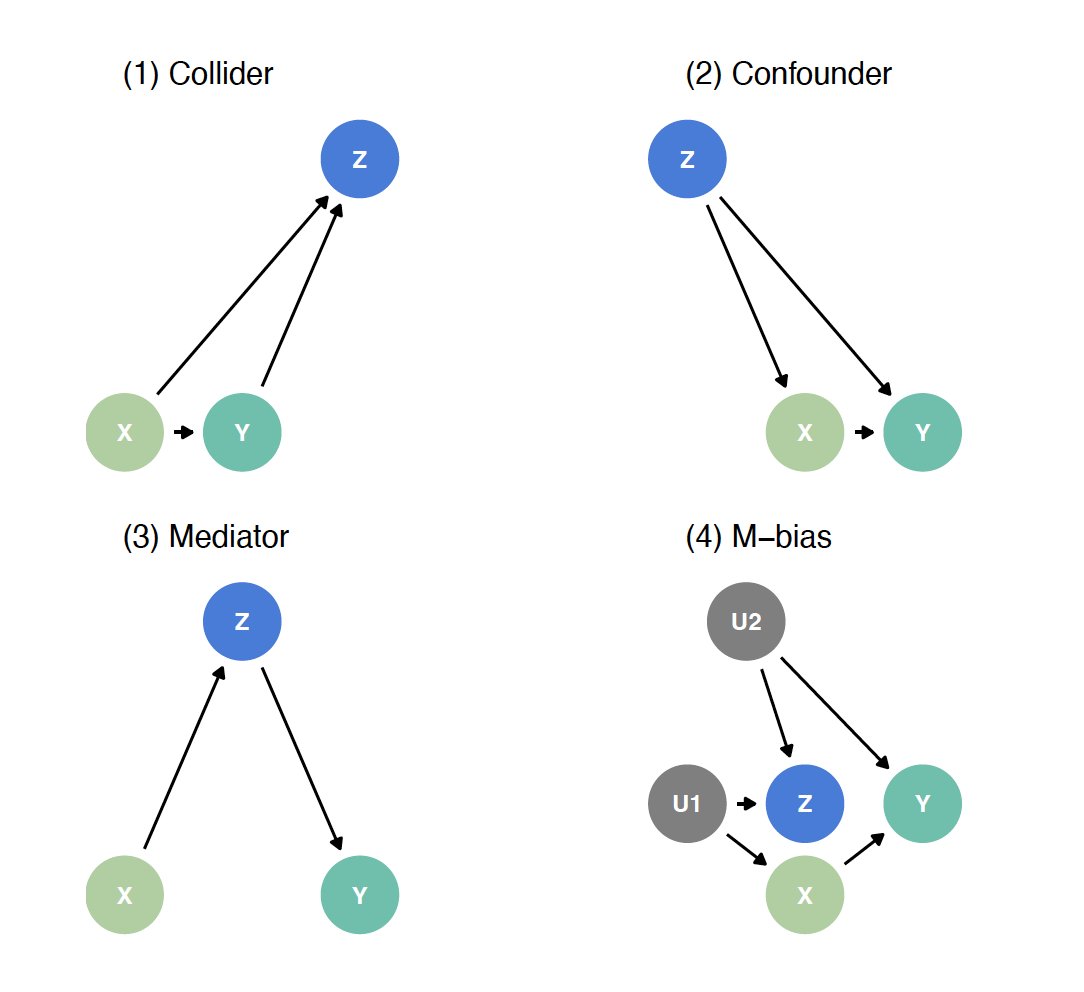
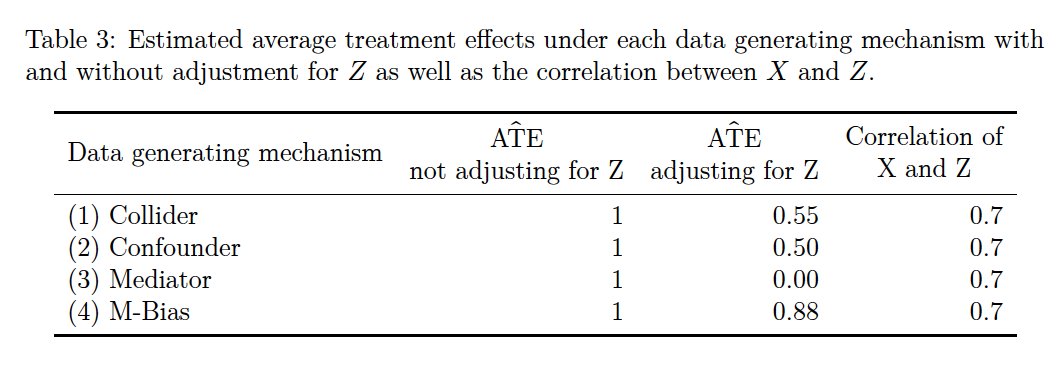
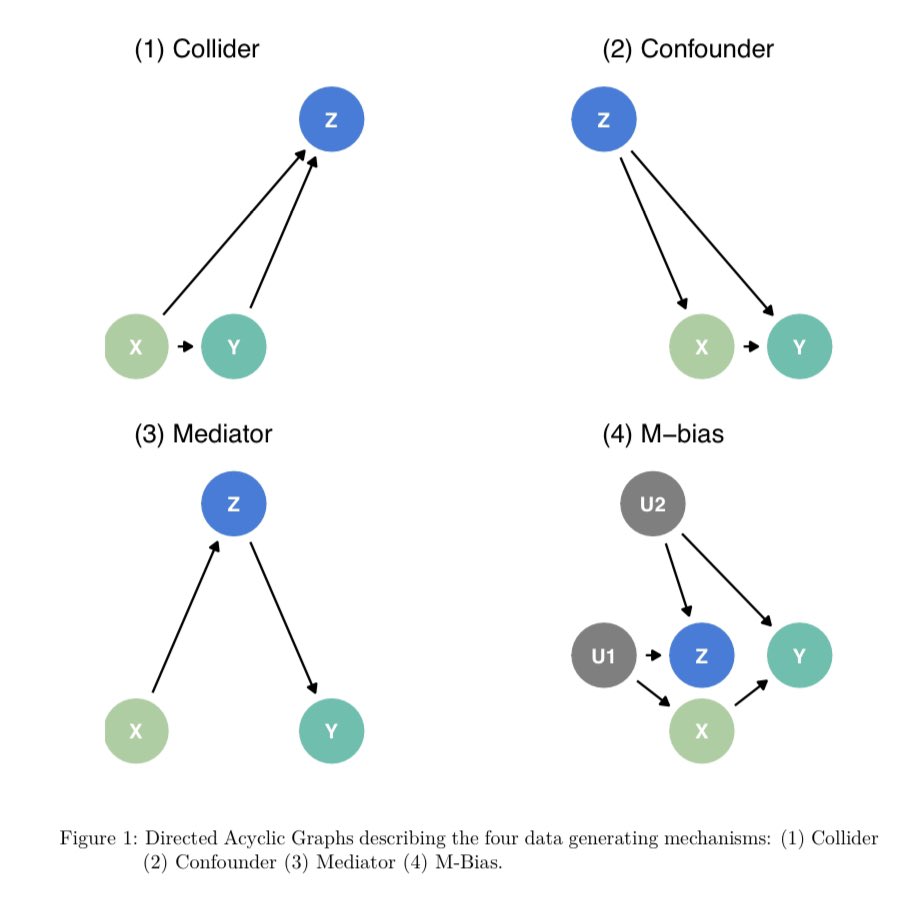
📣Our 🆕 paper Causal Inference is Not Just a Statistics Problem is out! @malco_barrett, @travisgerke, and I show that you can have 4 data sets with identical summary stats & visuals but very different data generating mechanisms-statistics alone can't tell you what to adjust for!
🗣 Interested in conducting a sensitivity analysis for unmeasured confounding? It's easy!
Here's a quick paper with several methods depending on your goals & what information you have available with real-data examples and {tipr} #rstats code
link.springer.com/content/pdf/10…
🎙️ On this weeks episode we talk about a “Causal Quartet” a set of four datasets generated under different mechanisms, all with the same statistical summaries (including visualizations!) but different true causal effects
(Plus a chat about M-bias!)
📣 @malco_barrett, @travisgerke, and I have been working on some causal inference in #rstats projects (packages, workshops, and a new blog!) and have recently collected them all in a new website 👇
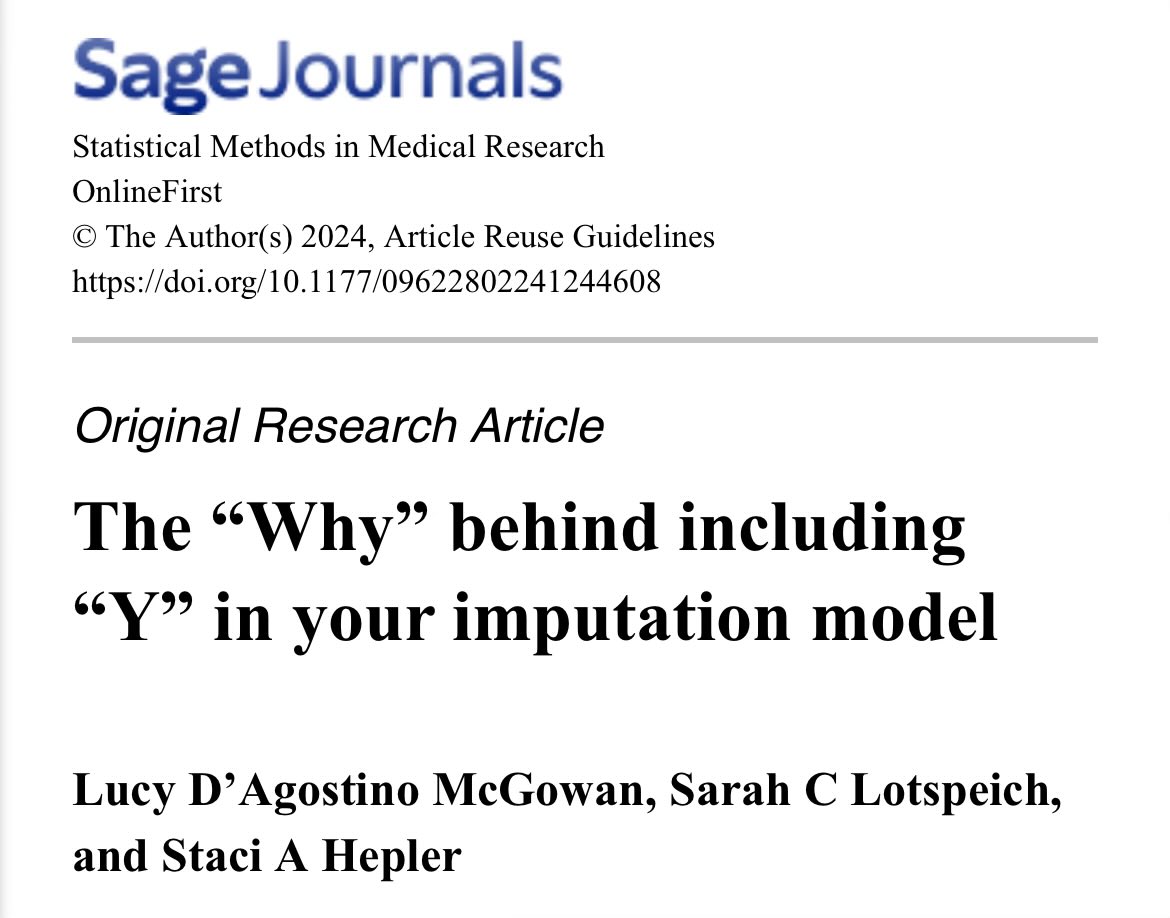
Curious why statisticians recommend including the outcome in your imputation models? Check out our new paper in Statistical Methods in Medical Research! @SarahLotspeich, @StatStaci5, and I show with some simple mathematical derivations why this is really a requirement!
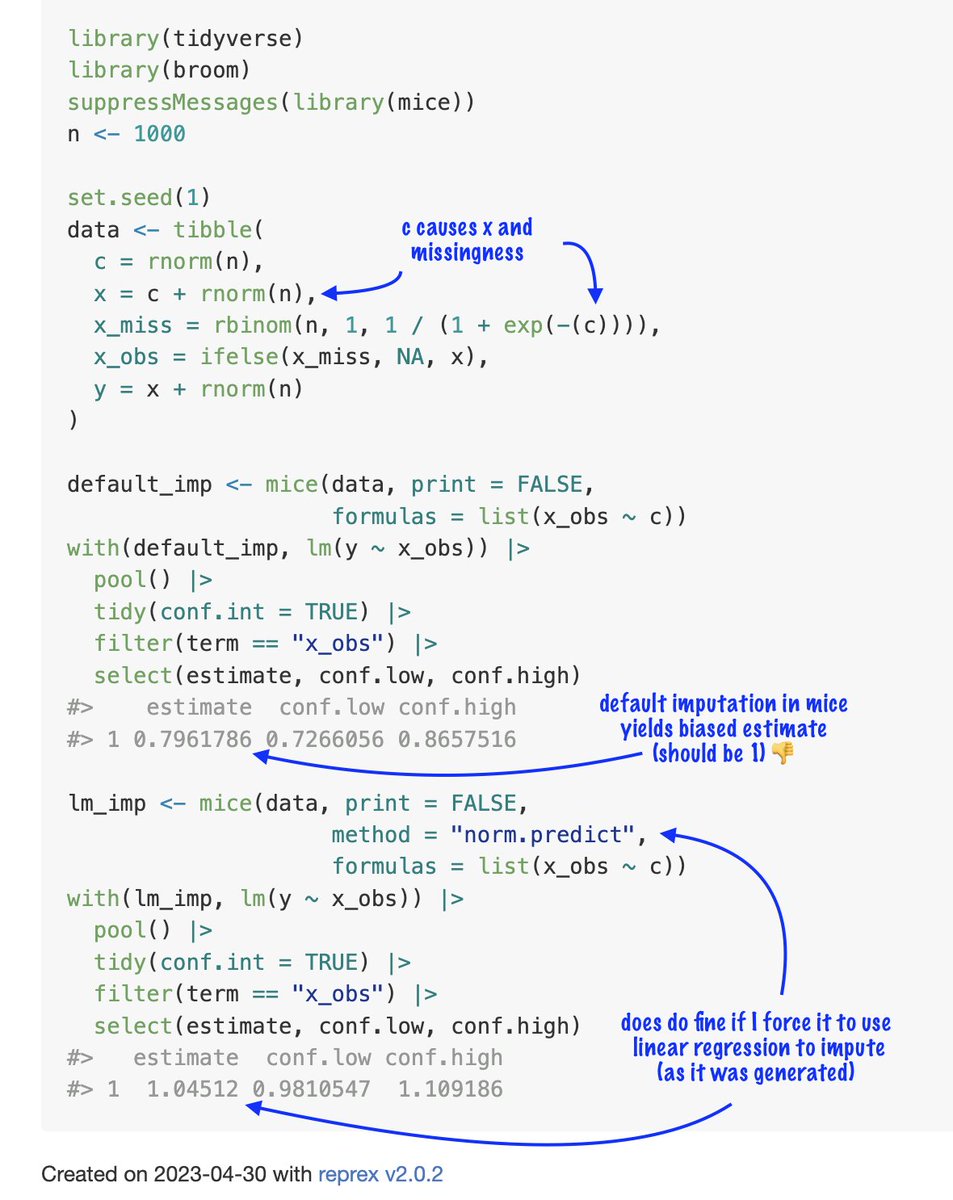
New post on imputation 👀 but first, a {mice} question: I've generated a very simple missing data problem (c ➡️ x + missingness)
when I use the defaults the model post imputation is super biased! Only if I specify to fit a simple regression model does the imputation work...why?
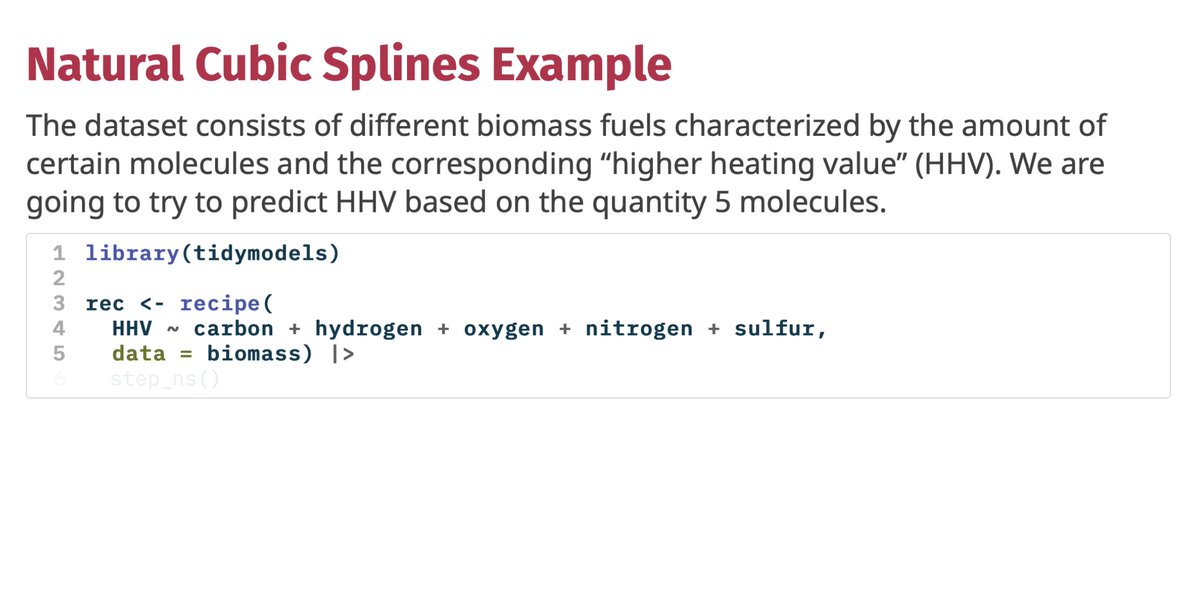
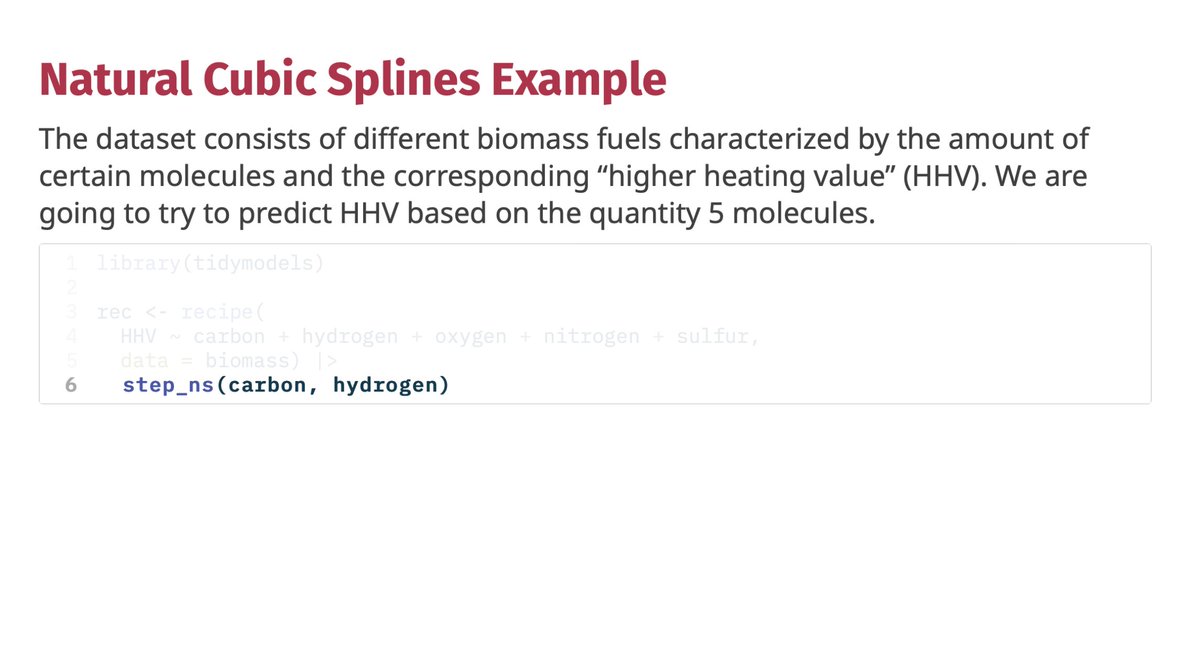
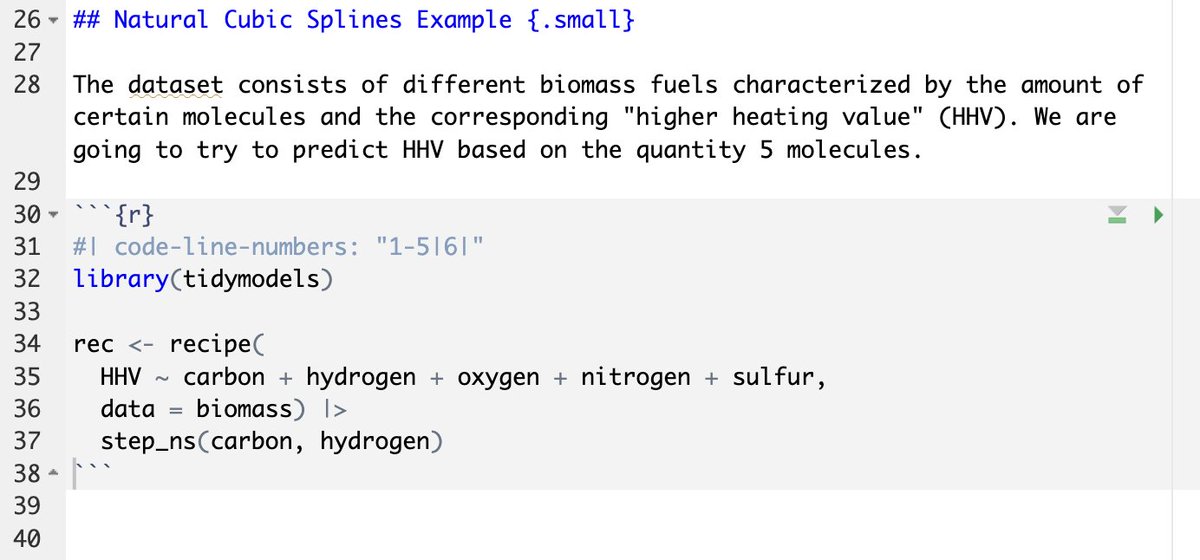
🗣 Y'ALL I just learned that you can iterate through code highlighting in Quarto slides using a |, for example, if I want to first show lines 1-5, then 6, then the whole thing I would add this option:
#| code-line-numbers: "1-5|6|"
so much copy-paste time saved!
My dear grandfather peacefully passed away last week — we already miss him so much, but I am so grateful to have this conversation with him from a few years ago recorded on @casualinfer@EpiEllie & I re-released it in his memory this week ♥️
casualinfer.libsyn.com/remembering-ra…
One of the most common questions I get when talking about why you need to include the outcome in your imputation model is whether this is “double dipping” or “data leakage” — if this is you, what would convince you that this is not a concern?
Curious why statisticians recommend including the outcome in your imputation models? Check out our new paper in Statistical Methods in Medical Research! @SarahLotspeich, @StatStaci5, and I show with some simple mathematical derivations why this is really a requirement!