Log inSign up
Martin Kolk
2,429 posts
Image
user avatar
Martin Kolk
@MartinKolk
Demographer at Stockholm University @SUDA_Sthlm, and the Institute for Futures Studies @Framtidsstudier
Stockholm
su.se/profiles/mkolk
Joined May 2017
794
Following
2,098
Followers
  • Pinned
    user avatar
    Martin Kolk
    @MartinKolk
    Nov 24, 2022
    In a new study in Population Studies, I show that income is associated with higher childbearing in Sweden. The differences are large and are found for both men and women. I accumulate annual income histories from age 20-60 to estimate life course income.
    tandfonline.com
    The relationship between life-course accumulated income and childbearing of Swedish men and women...
    This study uses income accumulated over ages 20–60 to examine whether richer or poorer individuals have more children. Income histories are calculated using yearly administrative register data from...
  • user avatar
    Martin Kolk
    @MartinKolk
    May 9, 2023
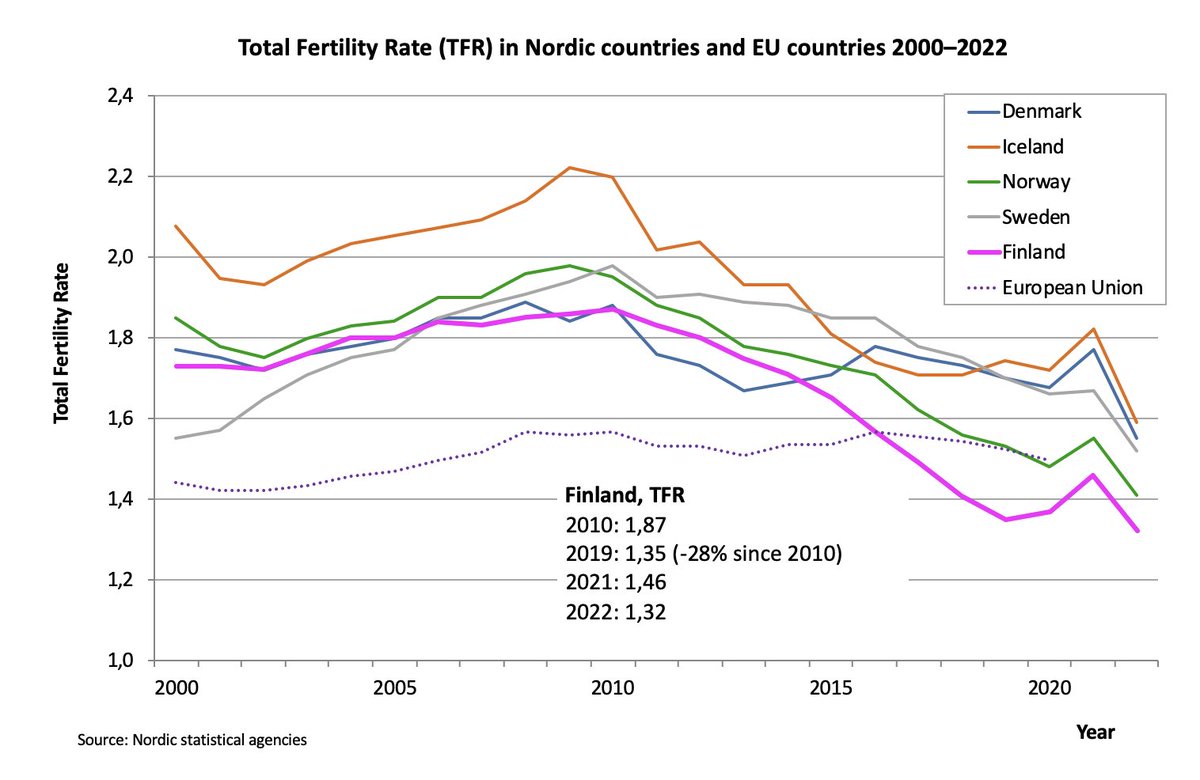
    Fertility in the Nordics keeps falling. What was earlier a rather gradual decline has accelerated in 2022. Inconsistent with explanations when societal gender regimes are the primary explanatory factor for cross-national differences in fertility.
    user avatar
    Marika Jalovaara
    @MarikaJalovaara
    May 9, 2023
    Total #Fertility Rates (TFRs) from all Nordic Countries are in now. A drop in Iceland too, after a slight increase in 2021. In Finland, TFR has declined 29% since 2010, which is the biggest decline in all EU and Efta countries.
    Image
    demographic-research.org
    Demographic Research - Weak support for a U-shaped pattern between societal gender equality and...
    Volume 40 - Article 2 | Pages 27–48
    6.6M
  • user avatar
    Martin Kolk
    @MartinKolk
    Nov 16, 2023
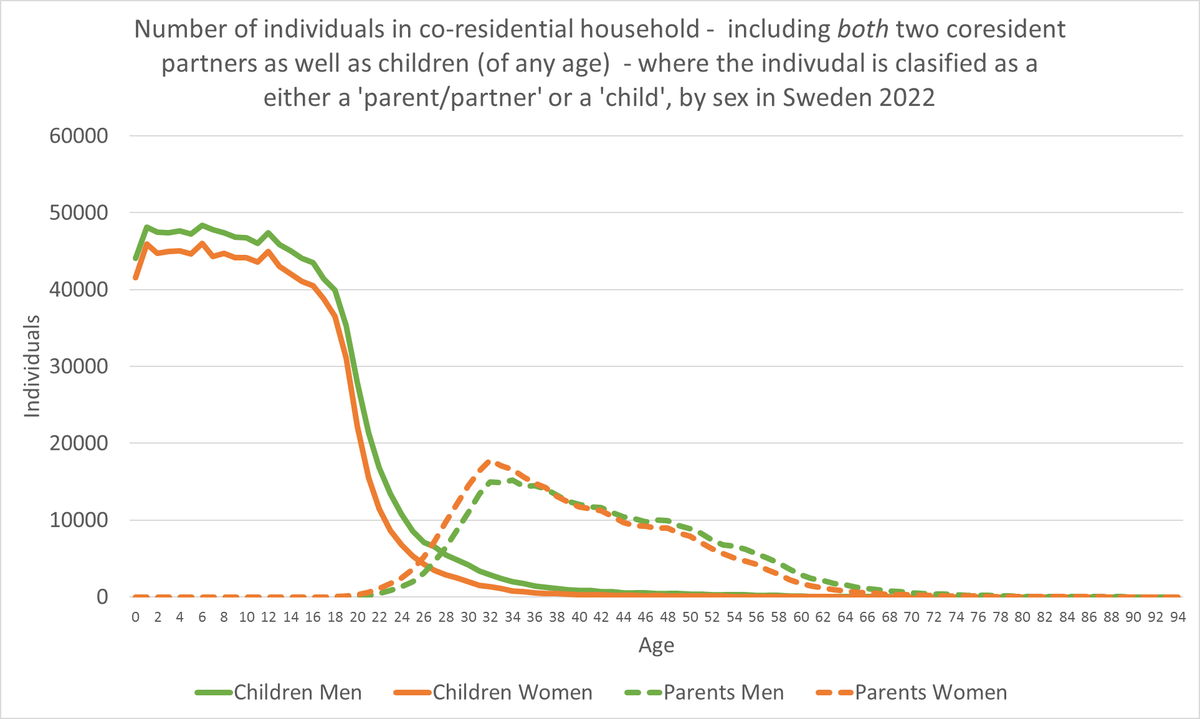
    Adult children living with their parents, now outnumber parents with young children, at all ages up to age 26 for women and age 28 for men in Sweden. This shows how much, family formation and leaving the parental household have been postponed in Sweden.
    Image
    98K
  • user avatar
    Martin Kolk
    @MartinKolk
    Nov 7, 2023
    In 2021 there were 4.09 million births in the EU. In Nigeria there were 7,92 million births, in DRC 4.03 million births, and in Ethiopia 3.90 million births. In India, Pakistan, and Bangladesh there were 32.50 million births. The world is changing.
    92K
  • user avatar
    Martin Kolk
    @MartinKolk
    Jun 26, 2023
    In @HallstenMartin and my new paper we find 7 generations of inequality persistence (or social mobility) in education, wealth, and occupation. We use data from 18th-century northern Sweden until today in our new study in American Journal of Sociology. doi.org/10.1086/724835
    Image
    67K
  • user avatar
    Martin Kolk
    @MartinKolk
    Oct 30, 2022
    Replying to @katiedimartin
    Saying IQ is not real is a bit like saying performance differences on the SAT are not real. You can come up with all kinds of reasonable critiques of "g", and reasonably argue whatever it measures is very plastic or environmental in origin, but it certainly measures something.
  • user avatar
    Martin Kolk
    @MartinKolk
    Jun 1, 2022
    How likely is an individual to leave descendants to future generations (e.g. having any great-grandchildren)? In a new paper @VSkirbekk and I answer this straightforward empirical research question, that has previously only been examined indirectly. doi.org/10.1016/j.alcr…
  • user avatar
    Martin Kolk
    @MartinKolk
    Aug 8, 2023
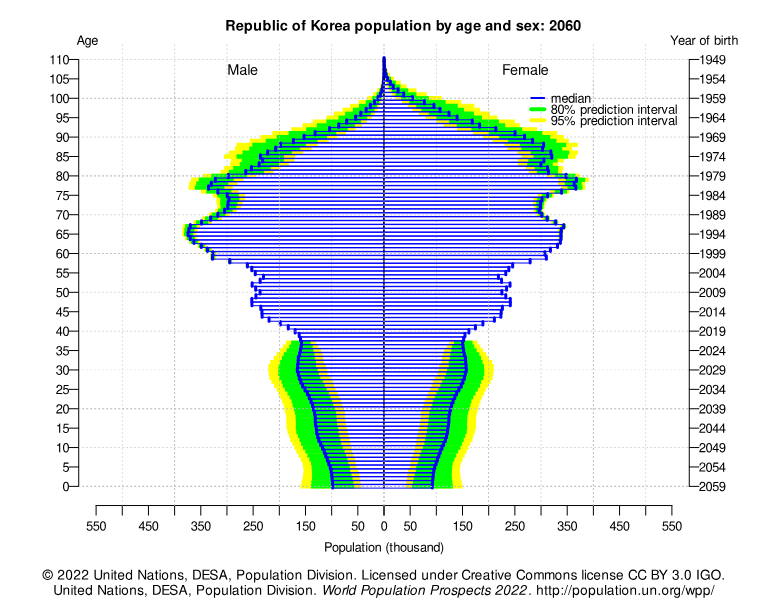
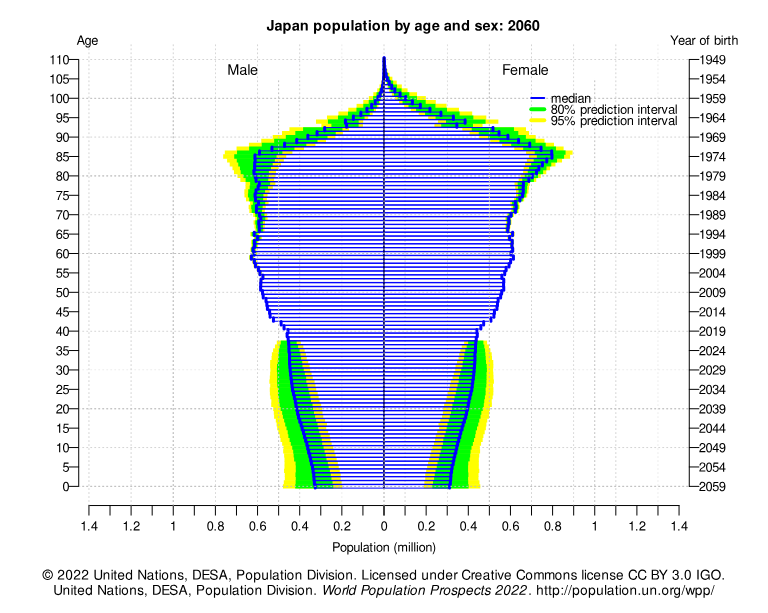
    Japan is often used as an example of a country facing a radically aging population, but in current forecasts, South Korea faces much more dramatic population ageing in a medium-term perspective. Japanese TFR has been quite far from the very lowest low for several decades.
    Image
    Image
    16K
  • user avatar
    Martin Kolk
    @MartinKolk
    Jul 12, 2023
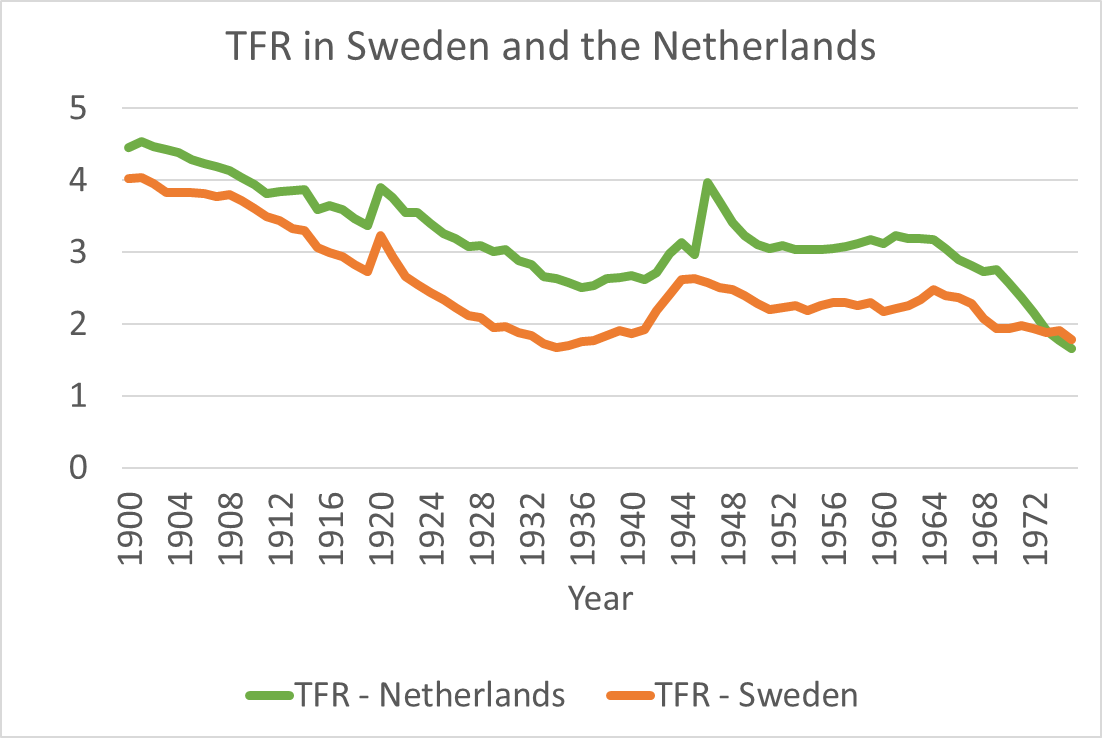
    I was surprised that Sweden and the Netherlands had the same population size in 1900. The reason for the Netherlands growing larger is higher fertility (and a bit of colonial migration). I am curious if there is any historical work on why the countries diverged so much?
    Image
    18K
  • user avatar
    Martin Kolk
    @MartinKolk
    Sep 11, 2023
    In our new paper in @ReadDemography we count all observable kinship relations in contemporary Sweden using register data. We use linked parent-child records to estimate counts of kin such as cousins, grandparents, and grandparents. doi.org/10.1215/007033… (open access)
    Image
    23K
  • user avatar
    Martin Kolk
    @MartinKolk
    May 16, 2023
    Sweden, like many high-income countries is currently seeing a large TFR decline. TFR has declined from 1.99 in 2010 to 1.52 in 2022, with low TFR also the first quarter 2023. In this thread, I show this decline at the cohort level (comparing women born in different years).
    Image
    17K
  • user avatar
    Martin Kolk
    @MartinKolk
    Jan 4, 2022
    In a new working paper, a Stockholm team use Swedish register data to count all observable kin relations in contemporary Sweden. We use linked parent-child records to count kin such as cousins, grandparents, and nieces/nephews, and grandparents. 1/8 doi.org/10.17045/sthlm…
    Image
  • user avatar
    Martin Kolk
    @MartinKolk
    Nov 5, 2023
    Something is not fully working with the life cycle model in high-income societies. A Swedish bank made a survey where half aged 60-69 supported their 32-41 year old children financially. What does this imply for society, family, and social mobility?
    Image
    Undersökning: En tredjedel har stöttat andra ekonomiskt
    From dn.se
    21K
  • user avatar
    Martin Kolk
    @MartinKolk
    Nov 7, 2023
    Replying to @MartinKolk
    In 1950 there were more births in Europe than in all of Africa.
    6.6K

New to X?

Sign up now to get your own personalized timeline!

Create account

By signing up, you agree to the Terms of Service and Privacy Policy, including Cookie Use.

Terms·Privacy·Cookies·Accessibility·Ads info·© 2026 X Corp.
Don't miss what's happening
People on X are the first to know.
Log inSign up
Advertisement
Advertisement