SOLAR-1 and IMAP are now live on the new solar wind display! 🎉
Reminder that this data WILL NOT be added to the legacy RTSW plot as the current plan is to decommission that plot on or about 30 June.
Now go show SOLAR-1 all the love! 💜
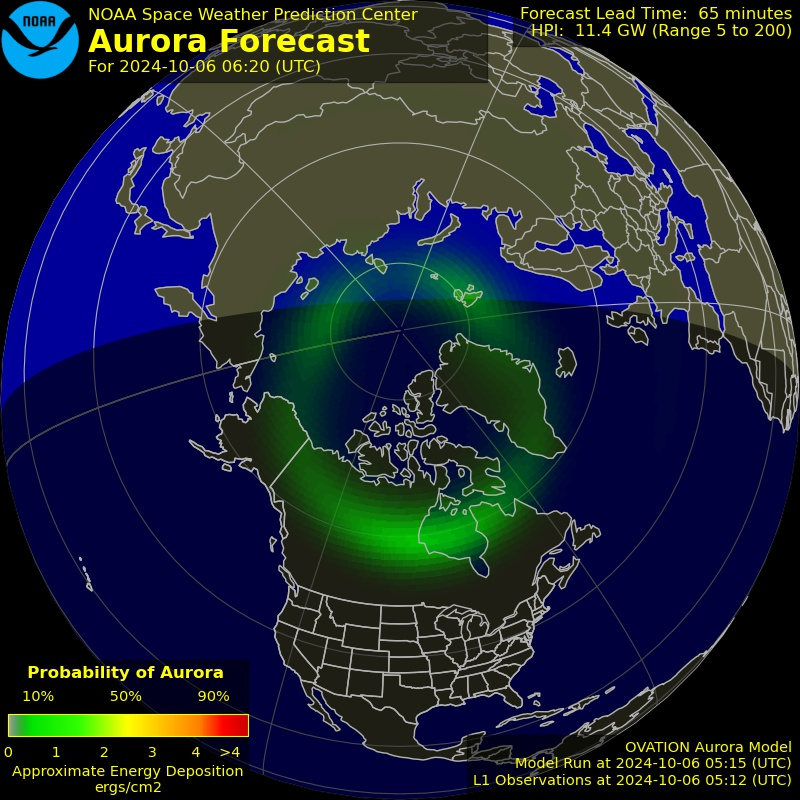
The sometimes painful reality of space weather forecasting, forecasted (Kp7) vs observed (Kp2).
This is why when it comes to aurora, it's SO much more than just communicating the forecasted Kp and requires real-time updates.
The Oct 10/11 G4 storm now takes second place for strongest geomagnetic storms of the cycle based on Dst, at a minimum of -335 nT.
This occurred exactly 5 months to the date after the top storm, which was the G5 Gannon Storm on May 10/11 with Dst reaching a minimum of -412 nT.
Given the continued uptick in activity and the frequent misunderstanding/misinformation when it comes to solar flares vs CMEs, I finally finished creating graphics for each to easily show the varying differences between the two phenomena and their impacts. ☀️
To those new to my page, space weather, or aurora, welcome to solar maximum!
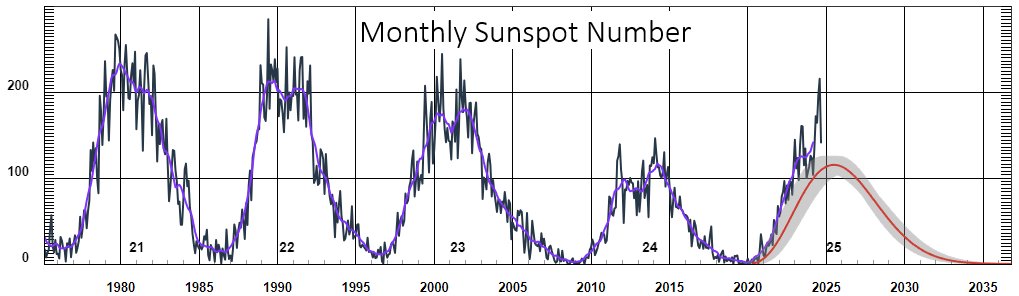
The Sun's activity follows an 11-year cycle, which we call a solar cycle. We are currently in Solar Cycle 25 and the heart of solar maximum. This is when we see a peak in active regions, solar flares,
Just a little PSA: I'm not a kid, I am in fact a real person despite my profile picture, and if you choose to find it acceptable enough, I've spent the past 5 years working as a space weather forecaster while also working on my master's in applied physics. 💜
Here’s to the completion of my 30th trip around the Sun, nearly 3 solar cycles in total, and the start of a new decade. 💫
The past decade consisted of undergrad, where I discovered space wx, and getting my dream job as a forecaster. Let’s see if the next decade can top that! ☀️