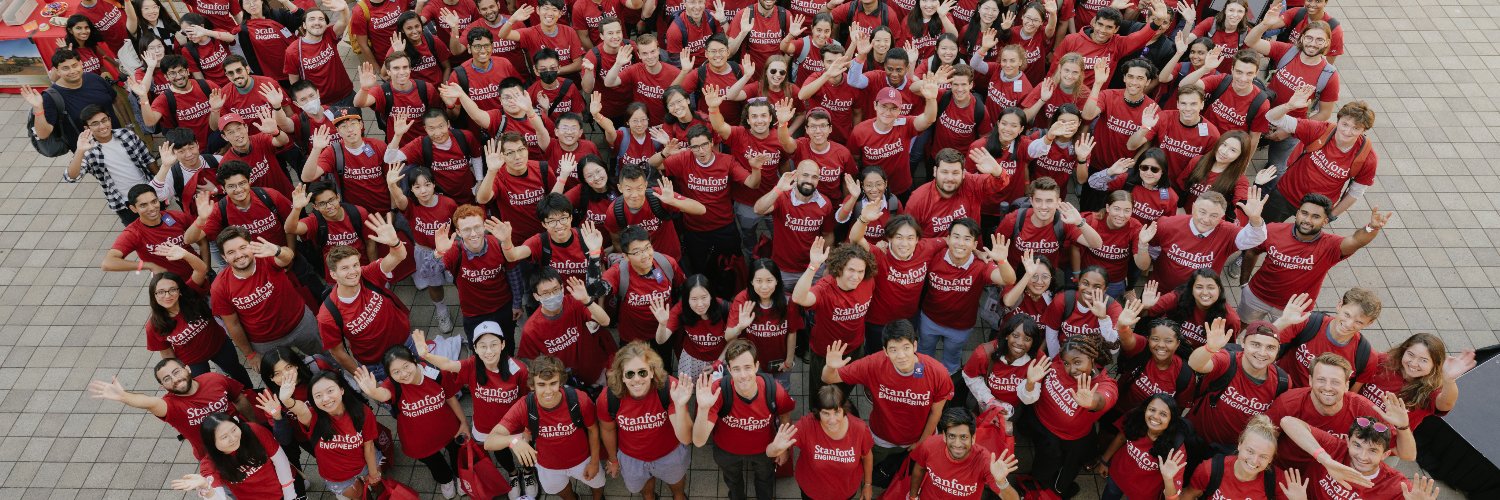
With 2025 behind us, Stanford Engineering closes its first 100 years. Please enjoy a look back at our centennial year. Thank you for celebrating with us! engineering100.stanford.edu
I was born in a rural village in Pakistan called Jhang, and grew up in a conservative Muslim family. I'm the first woman in my family to go to college. - Maha Yusuf, PhD candidate, Chemical Engineering stanford.io/2lFgBKQ
"My best days are when I work on a problem, go to sleep, dream about it, then wake up to work on it again. I become infatuated with the problem, and I love trying to solve it." —Barbara Simpson, Assistant Professor, @cee_stanford and @stanforddoerrstanford.io/40z5F3K
Our community mourns the passing of Krishna Shenoy, a pioneer in neuroprosthetics, and a revered teacher, advisor, and human being.
engineering.stanford.edu/magazine/krish…
AI researchers at Stanford and Shanghai Qi Zhi Institute have developed a new vision-based algorithm that helps a quadruped robot — a “robodog” — leap, climb, crawl, and squeeze past physical barriers as never before. stanford.io/3PL5uh6
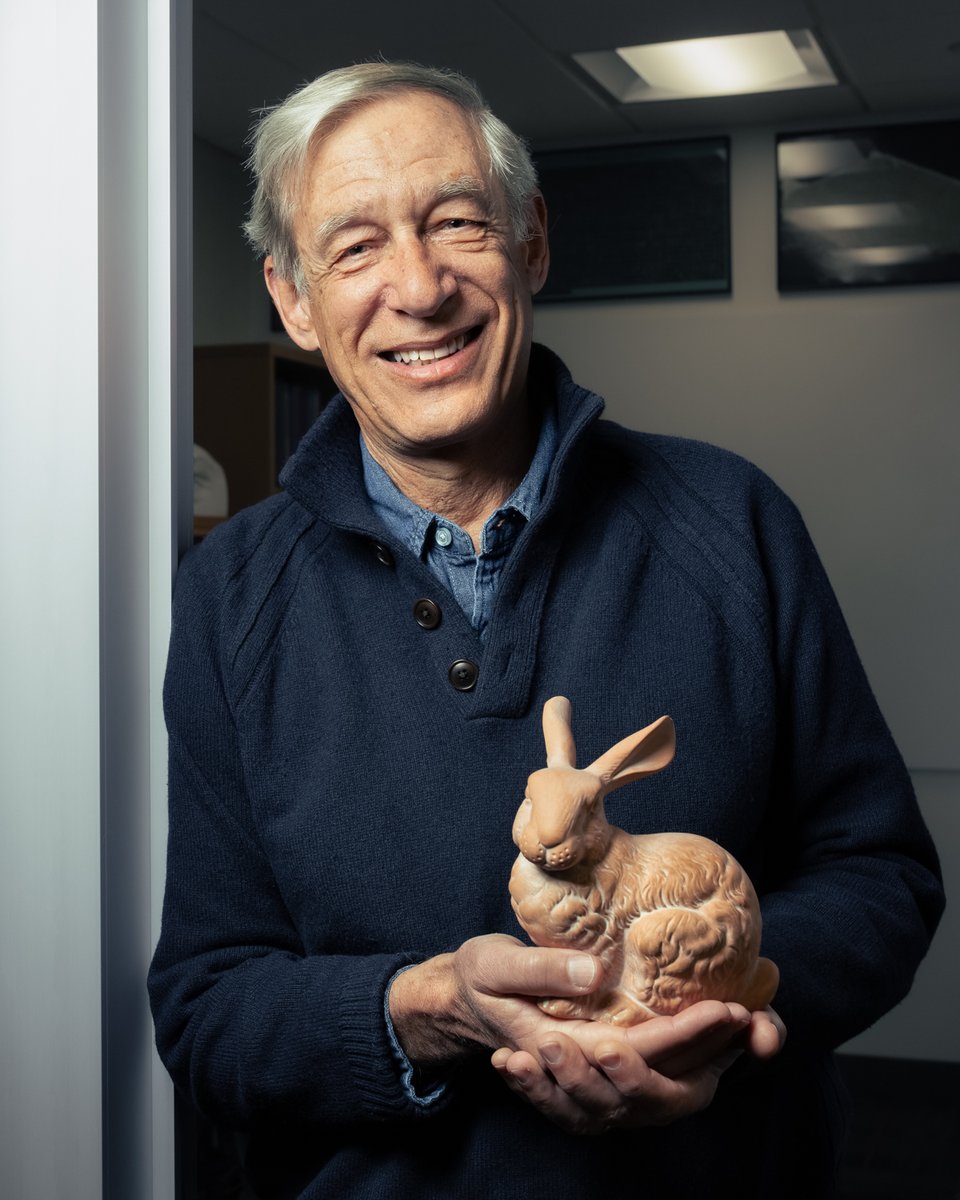
Marc Levoy retells the tale of the Stanford Bunny—the world’s first seamless 3D computer model using a range-finding laser scanner—and to this day one of the most commonly used test models in computer graphics. stanford.io/3nRt5SK
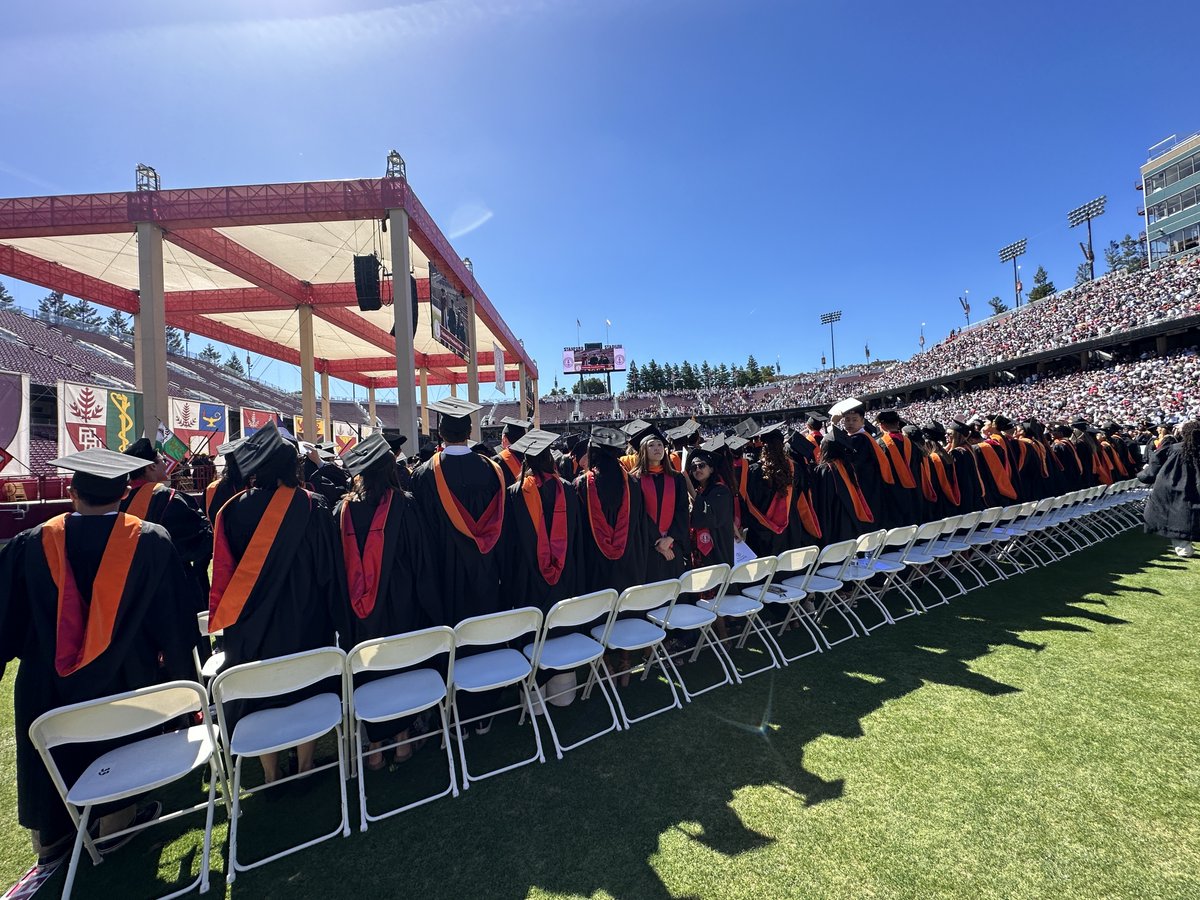
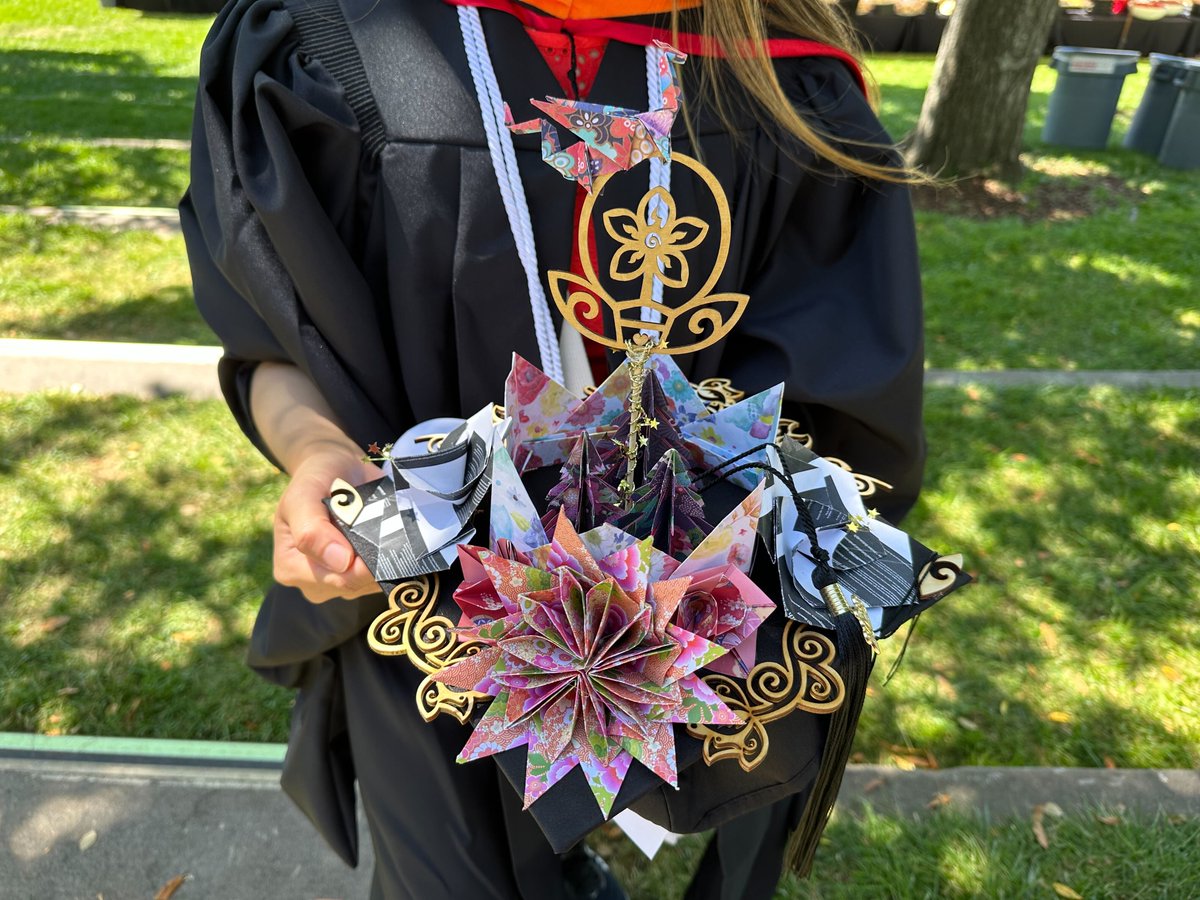
Today under sunny skies, Stanford Engineering celebrated the conferral of 656 bachelor's degrees, 1,263 master's degrees, and 371 doctoral degrees to the outstanding class of 2023. Congratulations! 🎓
"I challenge future students to expand their idea of what it means to be a successful engineer." -Ufuoma Ovienmhada, ’18, Mechanical Engineering #StanfordEngineering18stanford.io/2LzZo0m
The future of sensory technology looks like this. Stanford’s Bao Research Group has produced soft integrated circuits—e-skin—that can generate nerve-like impulses that talk to the brain. stanford.io/41JpDYV
An open-source process for turning fibers from the sisal plant into absorbent material for menstrual pads creates an opportunity for the local, sustainable manufacture of hygiene products that many communities need. @PrakashLabengineering.stanford.edu/magazine/susta…
Manu Prakash and Madhukar Pai write, "India is a cautionary tale for the world. If we do not heed this warning and work on vaccine equity, we risk a forever pandemic with long-term cycles of lockdowns, economic damage and constant fear." stanford.io/3toNqfm@washingtonpost
Led by @chelseabfinn and @tonyzzhao, researchers have introduced a system for fine-grained robotic manipulation that relies on low-cost hardware and a novel learning algorithm in which a robot is trained to predict actions in chunks, rather than one at a time.
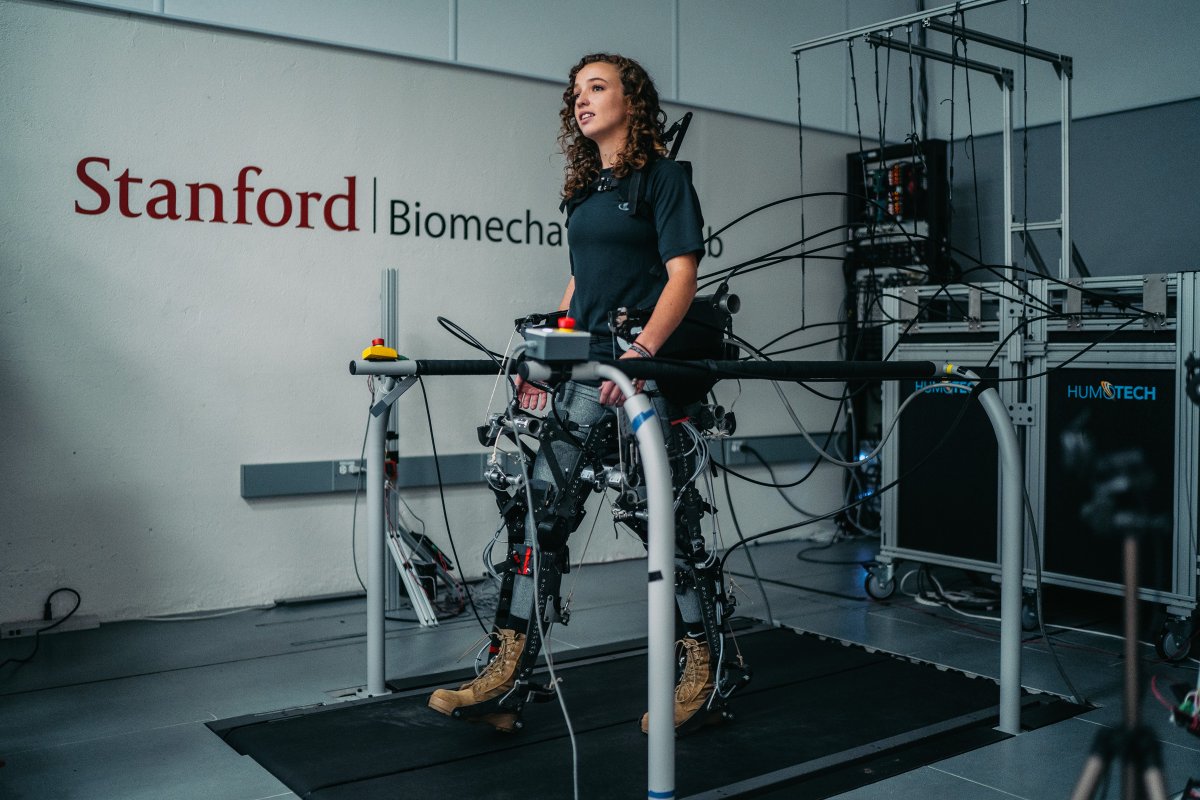
Just another day in Steve Collins’ mechanical engineering lab working to develop an exoskeleton to improve the efficiency, speed and balance of walking and running, especially for people with disabilities resulting from amputation or stroke. #insidethelab
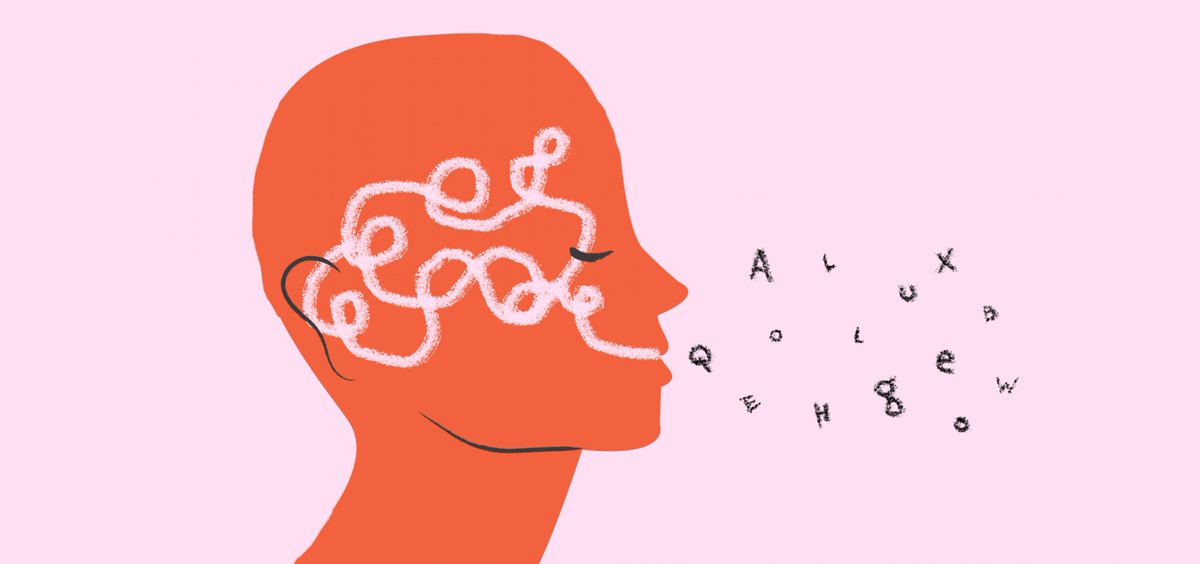
Is language the ultimate frontier of AI research? It's as rich as human thought and as a result is particularly difficult for AI to learn. stanford.io/2RIDEWA