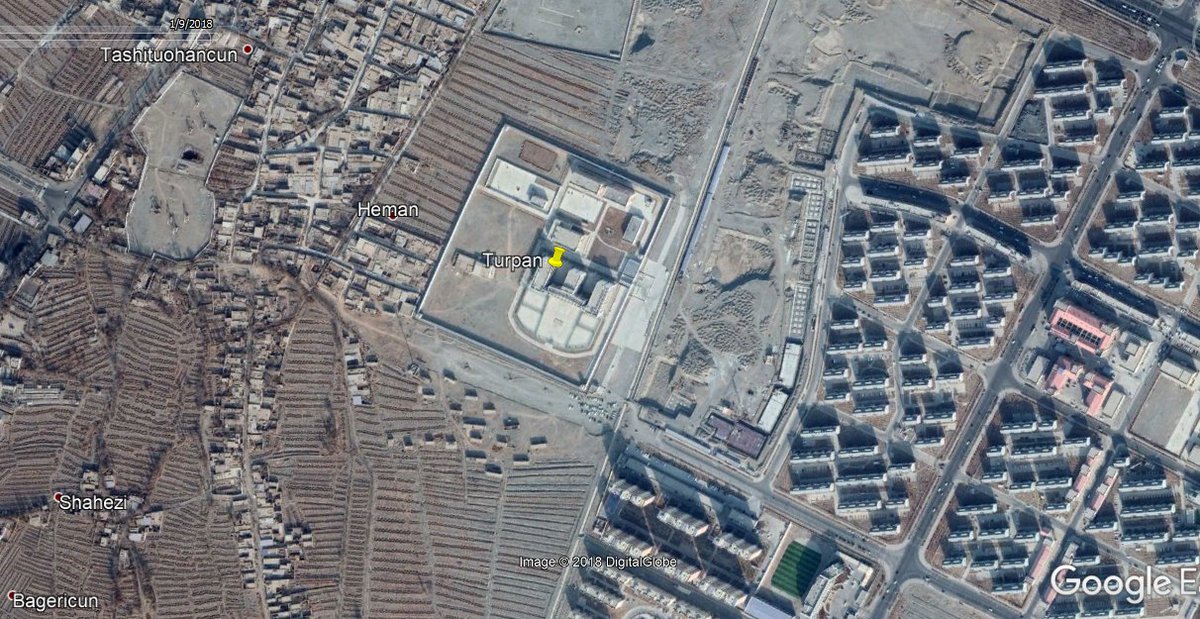
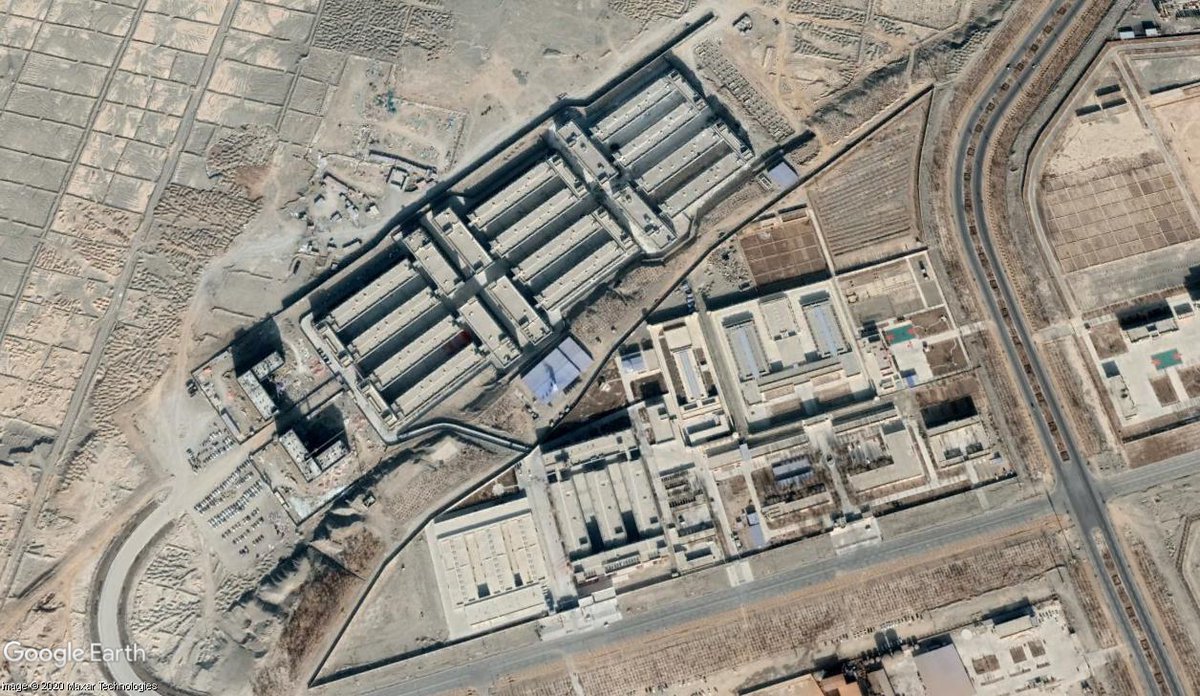
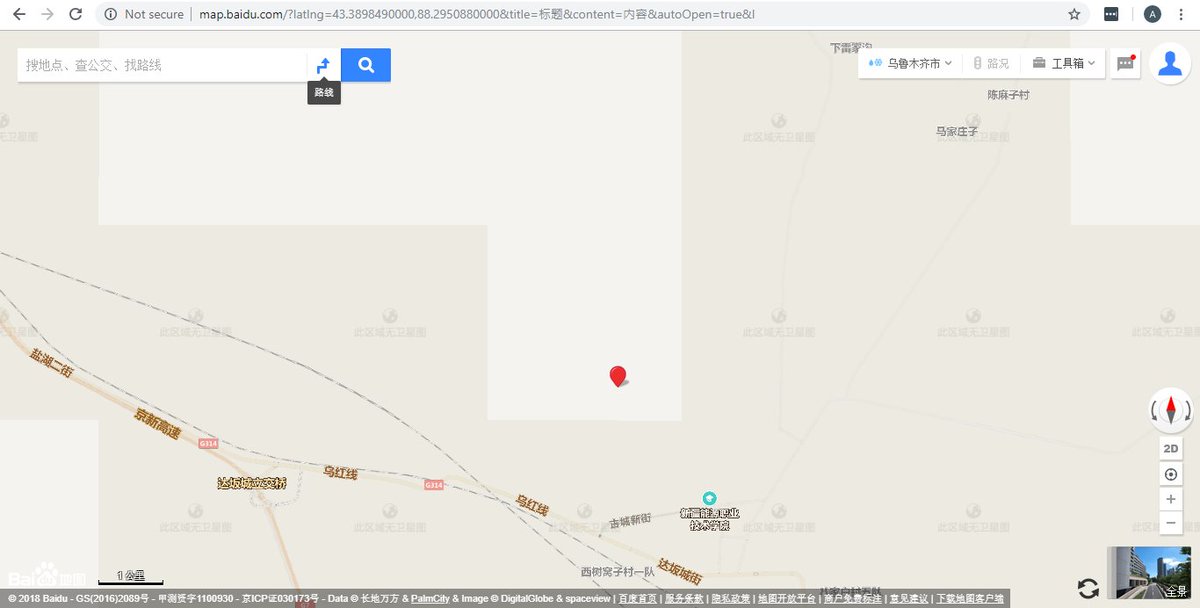
China's Baidu has blank spots in its mapping platform. We used those blank locations to look for the network of prisons and internment camps in Xinjiang, where up to a million Muslim minorities have been detained. Here's how we did it.
This Chinese guy went to Xinjiang and using our map of camps and detention facilities, went to visit locations to see what was there – THREAD
HT @WilliamYang120 and @muyixiao
In total, we’ve found 428 prison compounds across Xinjiang through our research and many of them contain multiple facilities – camps, prisons and pre-trial detention centres.
NEW: China has built enough space to detain 1 million Muslims. After locating the network of camps in Xinjiang last year, we got China’s prison building regs and began to reverse engineer what they had built. By @meghara and me. THREAD
NEW China has built nearly 2 million square metres of factories in camps in Xinjiang, focused in the Uyghur and Kazakh heartlands of southern and western Xinjiang. By me and @meghara
Hacked Xinjiang police documents reveal thousands of photos of detainees and detail of life inside the camps, including a police shoot to kill policy for those trying to escape
bbc.in/3NqGbxO via @BBCNews
It's difficult for journalists to work in Xinjiang because of theheavy surveillance, active attempts by authorities to prevent journalists reporting, but also because the region is so big. That’s why we turned to satellite imagery to help us investigate.
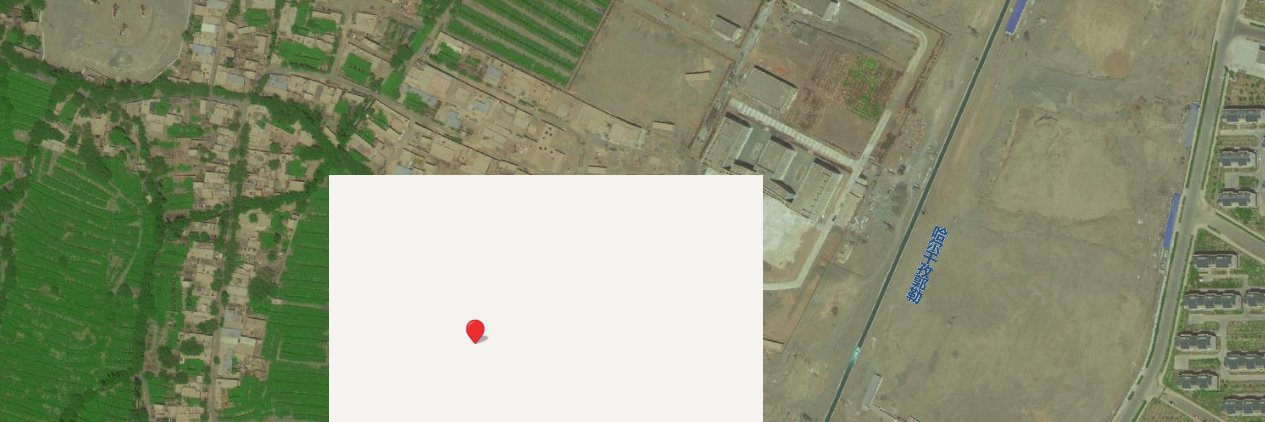
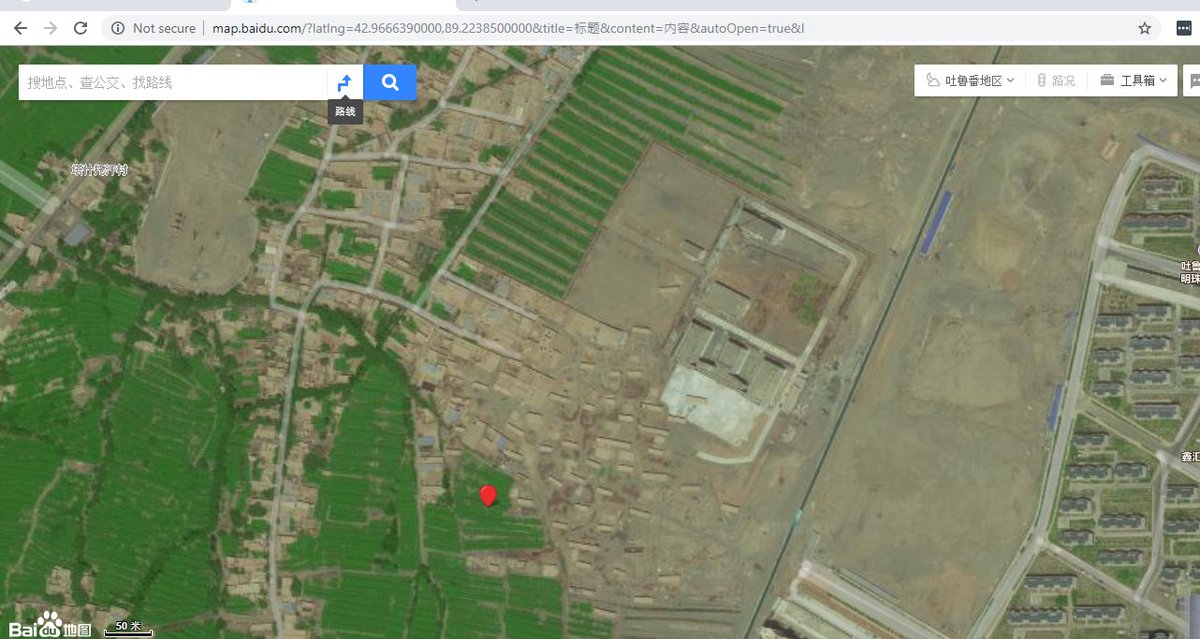
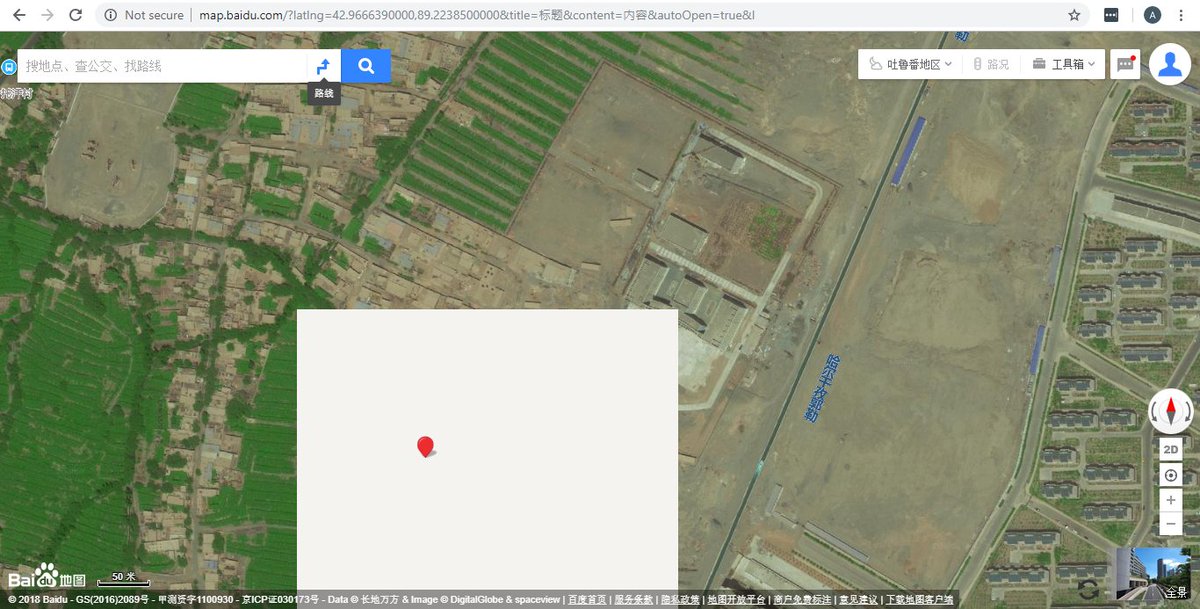
We started to look at Chinese mapping platform Baidu and quickly noticed that the satellite images seemed to be loading badly in the vicinity of one of the known internment camps. As you zoomed in, a blank light grey tile would appear…
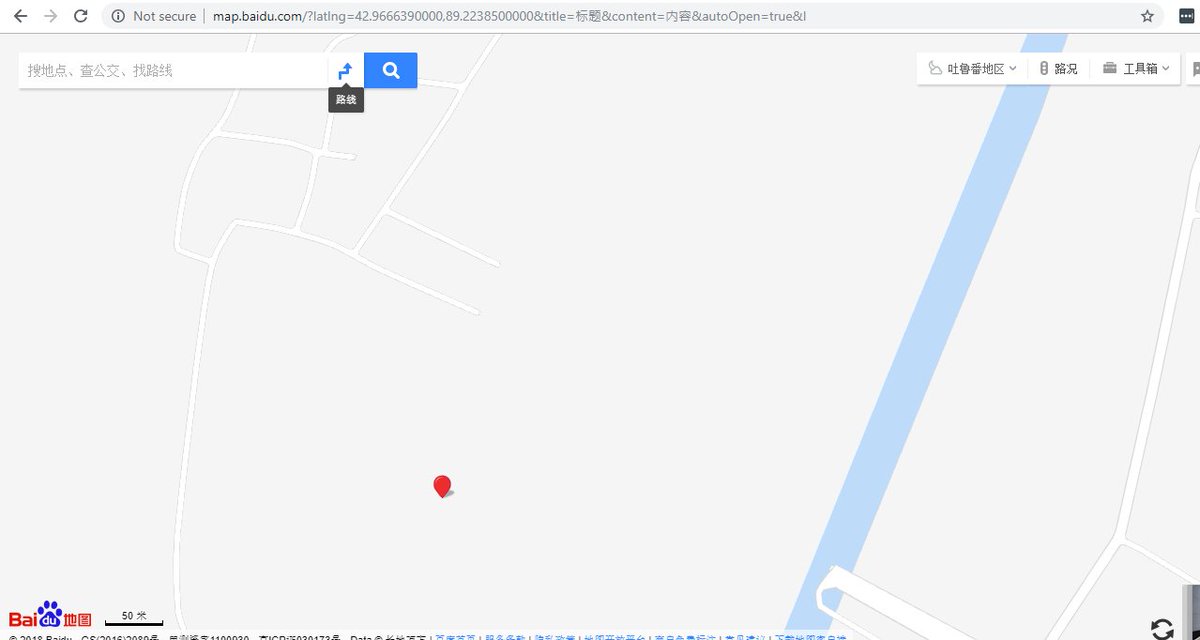
Then disappear when you zoomed in further, while the satellite imagery was replaced by standard grey reference map tiles showing roads and building outlines. This is what you saw at the same location in Google Earth.
268 compounds have been built or significantly expanded since 2016-17, when the latest campaign against Turkic Muslims began. Since spring 2018, the camps and prisons being built have become MUCH larger, more permanent and appear heavily fortified, like this one at Kuqa.
When we realised that we could repeat this process reliably, we went to look at other known camp locations to see if the same thing happened – it did. At Dabancheng, in Hotan, Kashgar, we found the same thing. This is the location of the Dabancheng camp.