Huitt-Zollars, Rice University, author “Trains, Buses, People: An Opinionated Atlas of US and Canadian Transit,” Island Press, 2021. (he/him) PE/AICP/LEED AP.
A Prius being washed away in a deluge caused by torrential rain in the scars of wildfires is the perfect metaphor for how individual consumer decisions are not enough to address climate change.
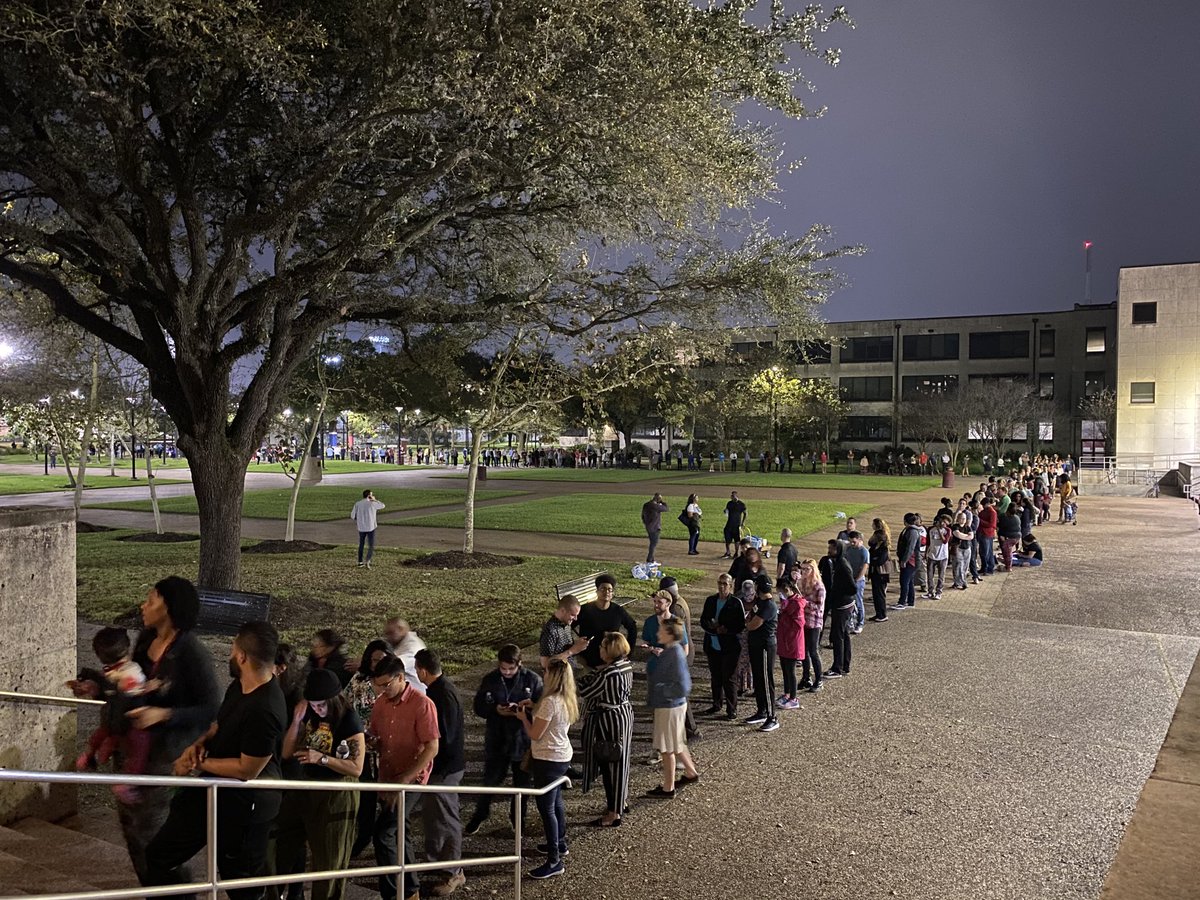
The line at TSU, Houston, for the Texas Democratic primary, 30 min after the polls closed. The line continues inside the building. From the front doors to the voting booth took me over 2 hours in line — and nobody in this picture has made it that far yet.
Downtown Houston this afternoon. Buffalo Bayou peaked at 29 ft. That’s 26 ft above normal, but also not an unusual flood. We’ve hit this mark 5 times in 25 years. At this level there is minimal building damage in Downtown. This is what bayous naturally do— we need to plan for it.
US transit planning: “Alignment B has possible impacts because of the proximity to the 1972 Eat ’n’ Pay, which may be eligible for historic listing.” Italian transit planning: “We’ll run the tramway through this aqueduct built in 226.”
This Post is from an account that no longer exists. Learn more
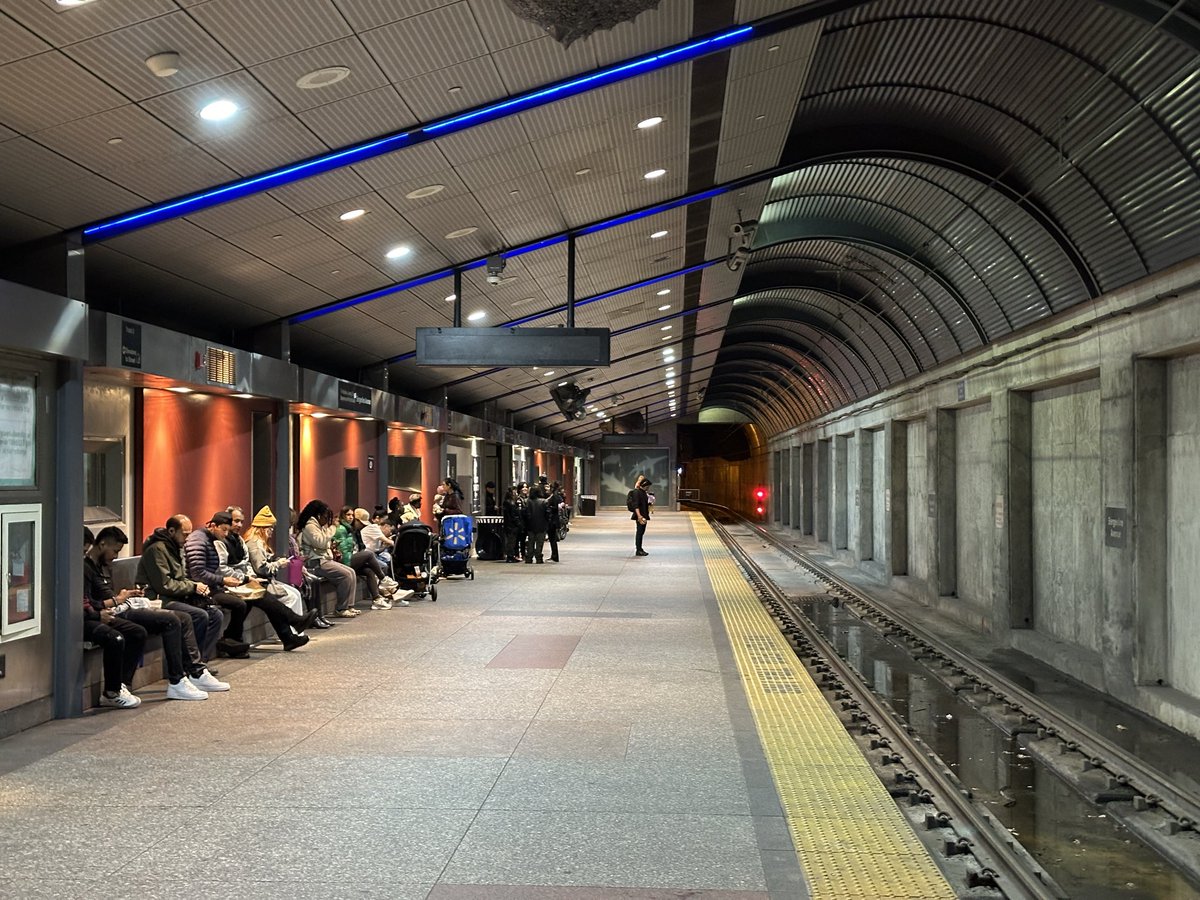
In January 2004, Houston opened its first light rail line. At 40,000 weekday riders on 7.5 miles within 3 years of opening, Houston beat every other US light rail system except Boston and San Francisco (which has a 100 year head start) in riders per mile. Some lessons:
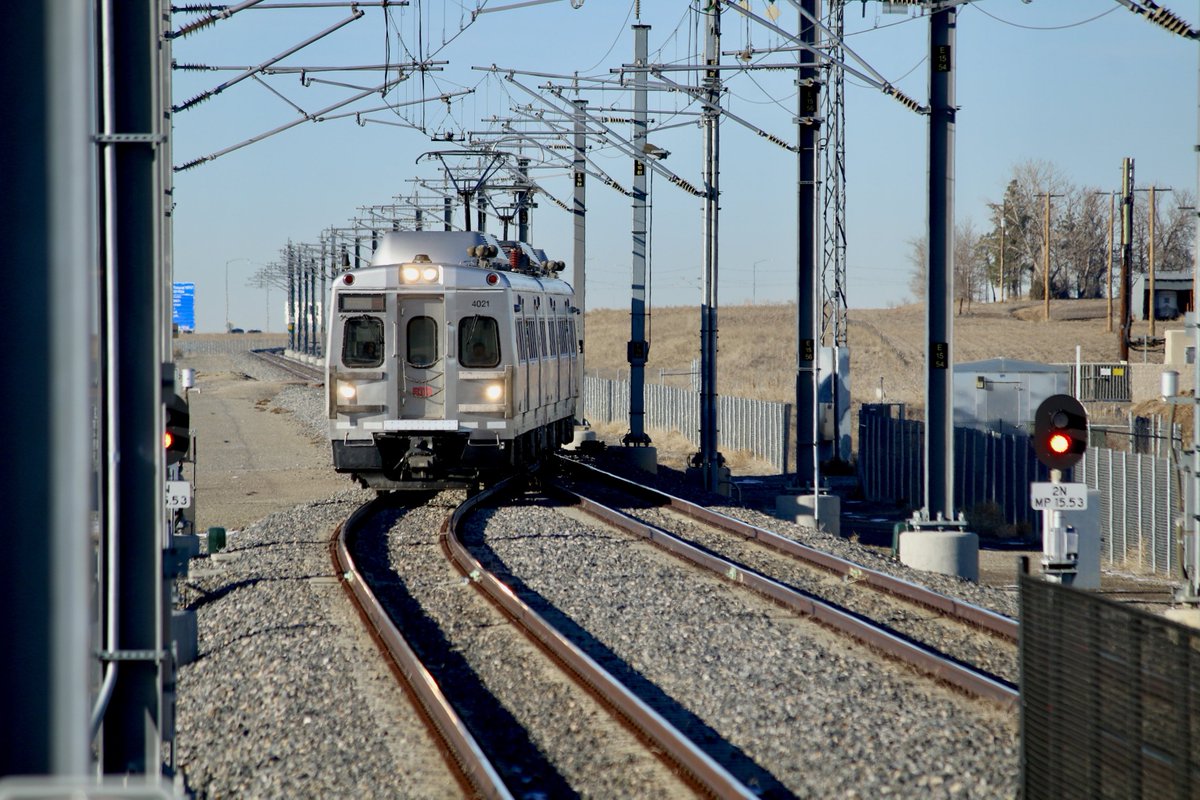
The only US commuter rail that runs every 15 min all day — Denver’s A Line — isn’t all double tracked. This train is leaving 3.5 mi of single track. With infrastructure designed to a clockface schedule + reliable operation, it works. Every 15 min, trains meet just south of here.
Great thread — the US planned a comprehensive subway system, built it, and got the promised ridership. And then we never did it again. Every US city that has a busy subway network ought to be planning the next set of lines — and none really are.
This Post is from an account that no longer exists. Learn more
The French bravely asked “How many rails should a streetcar have?” and came up with the surprising answer “Maybe one? With two sets of steel wheels running on it? Plus two sets of rubber wheels on the pavement?”
We talk about transit-dependent riders. We should talk a lot more about car-dependent drivers — people who can’t afford to own a car but feel they have to buy one because we built places where that’s the only semi-reliable way to get around. That’s the opposite of freedom.
This Post is from an account that no longer exists. Learn more