Image
user avatar
Deer Point Macro
@deerpointmacro
Macroeconomics, emerging and developed markets, FX, covered interest rate parity, and cross-currency basis swaps.
United States
Joined August 2019
  • user avatar
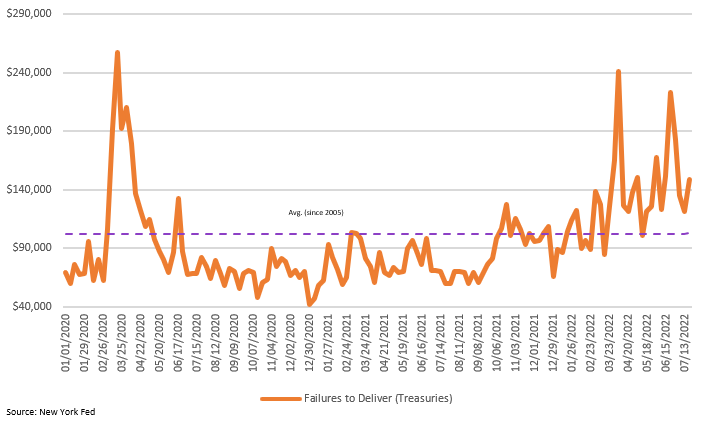
    Liquidity is starting to deteriorate, and a great insight into this is the Repo market. Failures to deliver (Bonds used as collateral in Repurchase agreements) have been elevated and are up 22% on a WoW basis. This is a sign of liquidity event brewing.
    Image
  • user avatar
    Canadas rapid decline in productivity has been face ripping. In the early 80s Canada was 5th in output per hour against its OECD counterparts. Today Canada is 27th out of 32. Output per hour has deteriorated rapidly. When you favor housing over real economic assets this is
    Image
  • user avatar
    Increase in taxes on capital gains for the wealthiest .13 per cent. This seems like the wrong policy decision. This can create what in economics jargon is known as lock in effects. Where assets are held, and capital is constrained from flowing to places with higher ROI and
    Image
  • user avatar
    Housing prices to disposable income ratio has completely diverged. There is now no way a future income can justify these fundamentals until there is some return to the mean. The fact 90+% of Canadian net worth is tied to RE is worrying. Remember increase in cost reduces liquidity
    Image
  • user avatar
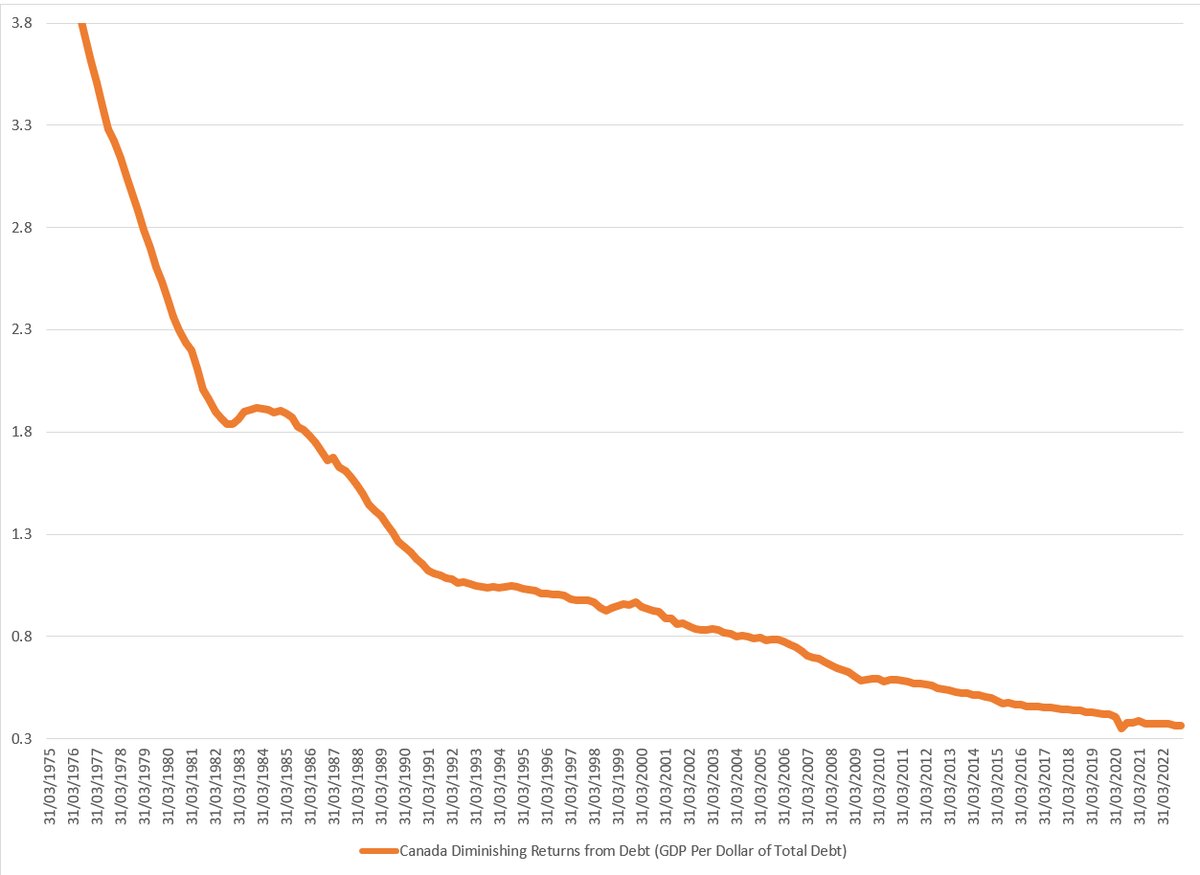
    Canada can now only generated .32 cents of GDP for everyone 1 dollar of debt. Let that sink in, the decline comes from how rapid Canada has expanding financialization relative to productive parts of the economy.
    Image
  • user avatar
    Canada is the only country in the G7 where R&D as a % of GDP has been on the decline over the passed 10 years. Canada has a massive innovation hole. This leads to a decrease in business investment
    Image
  • user avatar
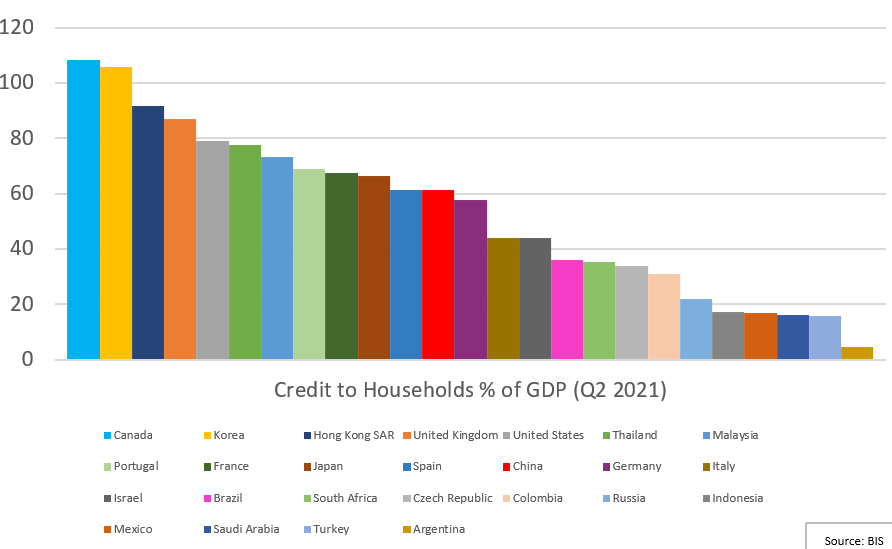
    Canada still the most indebted household sector in the G7. Most of this high indebtedness to no surprise comes on the back of mortgage debt. None of this debt is productive, or can lead to sustained economic growth.
    Image
  • user avatar
    Swiss National Bank access largest dollar swap of 6.27B in the history of the data set. This comes on the back of massive widening within the CHF-USD cross-currency basis swap. IMO Dollar shortage + counterparty risk has locked the swiss out of the wholesale $ funding mrkt.
    Image
  • user avatar
    Canada Economic History: In the 90s John Crow (BoC) took the interest rate up to 13% to fight inflation. At that time roughly 12 cents of every after tax dollar was going to service debt. When this happened it took Canada into a deep recession. Today: Interest rates are 5%, and
    Image
  • user avatar
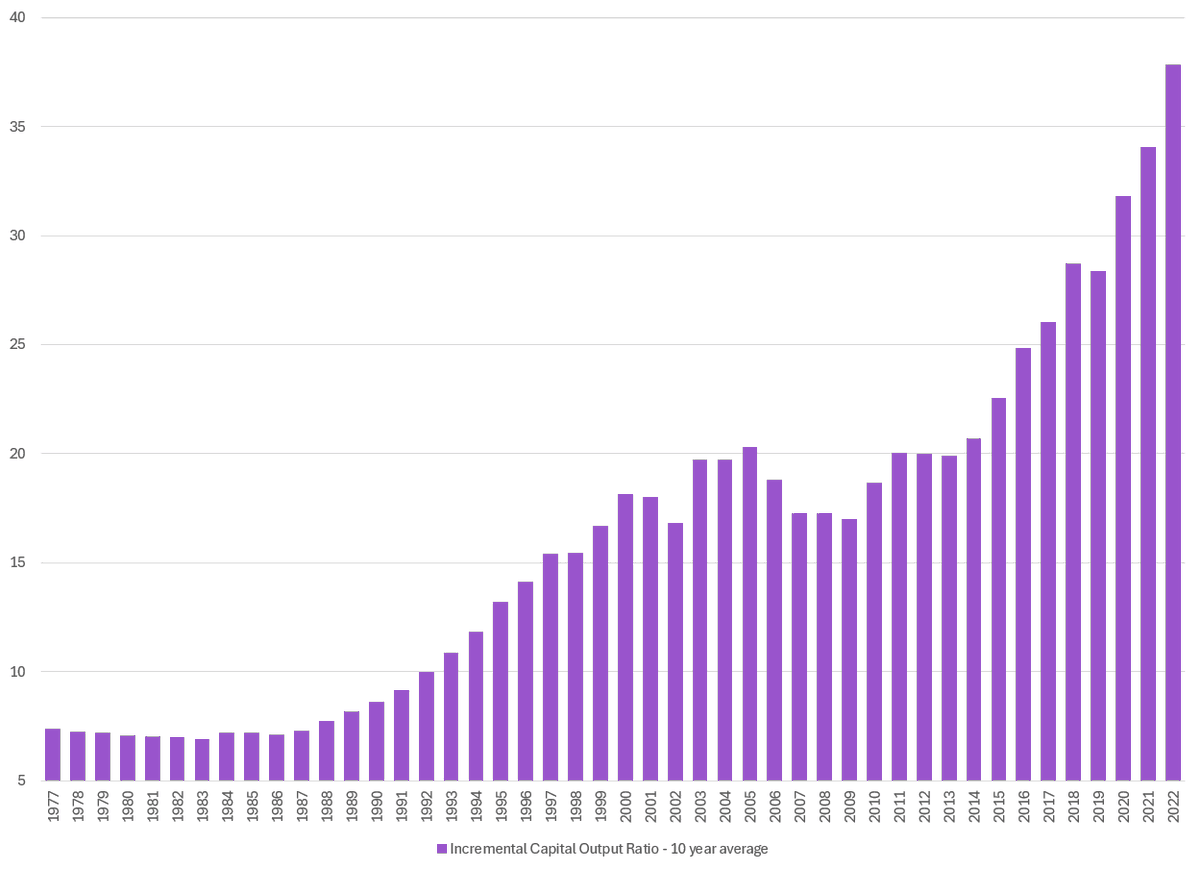
    Canada problem in a nut shell can be explained by the capital/output ratio. Canada now has to invest almost 37% of GDP to generate a single % of GDP. This is a large function of inefficiency. 5x higher to maintain same economic growth rate (from the late 70s), and 2x to maintain
    Image
  • user avatar
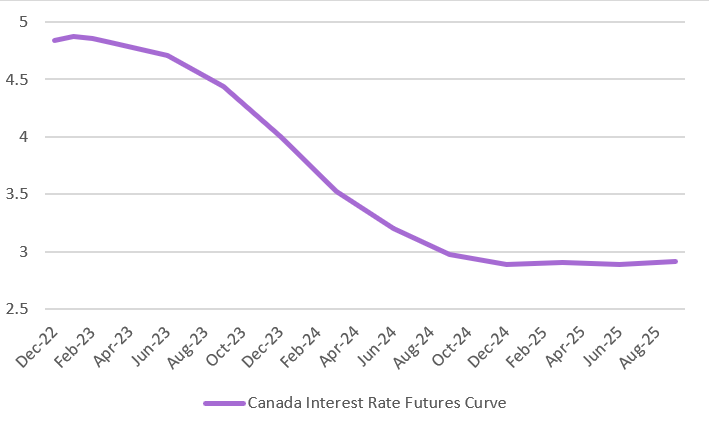
    Canada interest rate futures continue to price downwards, showing essentially rates have peaked, and cuts should begin close to Q1 of next year.
    Image
  • user avatar
    This is a nothing burger: The problem is how Atlanta Fed is arriving at this estimate. An increase in M raises C (consumption) or I (investment). Inventories are being accumulated (tariff front running), at least according to expectations, which is part of investment. However,
    Image
  • user avatar
    We get an inflation reading of 8.6% and BTC sells off… that makes it a true inflation hedge, and few understand this.
  • user avatar
    New Substack on Tariffs just dropped.
    Image