CEUs for commercial architects and designers
Material Intelligence publishes free, AIA- and IDCEC-approved continuing education on the materials that shape commercial interiors, from fire retardant plywood in a hotel corridor to the decorative panels in a healthcare casework package, so you can earn HSW credit while learning something you will actually use on your next specification.
Most of our courses run on demand and take 30 to 60 minutes, and when you pass the short assessment at the end we report your learning units to AIA on your behalf and email a certificate you can submit to IDCEC, ASID, IIDA, or your state board.

Free to take
LU|HSW credit
Reported to AIA for you
On demand, no time limit
Material IQ podcasts: 0.5 AIA LU (HSW) each
Listen to an episode, pass the short assessment, and we report 0.5 AIA learning units to your transcript.


Material IQ webinars: 1 AIA LU (HSW)
Watch an on-demand presentation and earn a full learning unit, plus IDCEC credit where the course is registered.
How to earn your credit
- Choose a course above and listen to the episode or watch the webinar from start to finish.
- Answer the assessment questions at the bottom of the course page, entering your name exactly as it appears in your AIA, IDCEC, ASID, or IIDA membership record along with your member number.
- Submit for a score of 100%, after which Material Intelligence reports your learning units to AIA and emails you a certificate of completion for any other association or board.
- Check your AIA transcript, where AIA says credits from approved providers generally appear within 10 business days.
Courses hosted by our partners
Kenn Busch and the Material Intelligence team have written more than 20 CEU articles and presentations over the past decade, and several remain available through the manufacturers and publications that host them. Because those hosts manage renewal, please confirm a course is still approved for credit before you start.
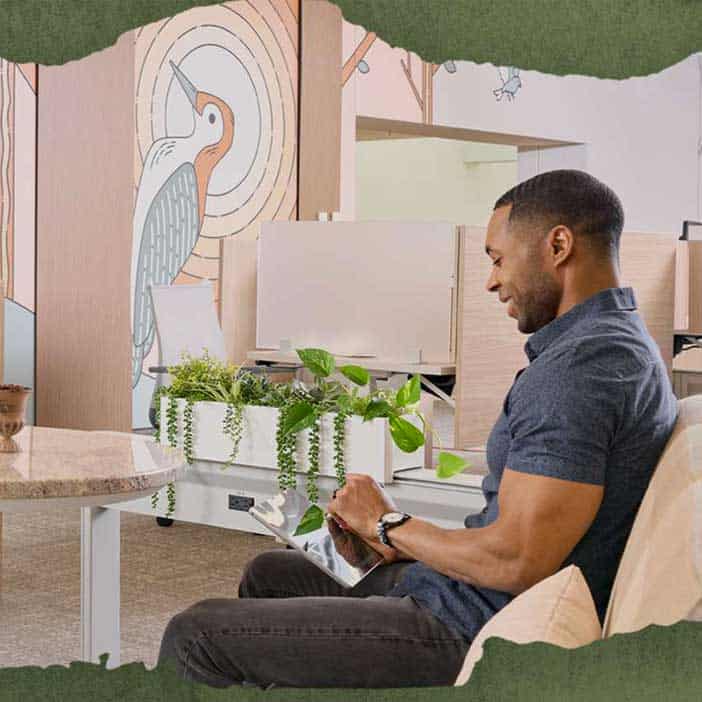
Climate Positive Materials for Sustainable Interiors
Contact OFS for distance learning or virtual presentation options
In this CEU, we’ll discuss new thinking about the true meaning of sustainability, the causes and effects of manmade climate change, and how designers’ choices impact our world. We’ll also explore a category of materials – materials you’re already using – that go beyond sustainable, that are actually Climate Positive.
Accreditation: 1.0 IDCEC HSW Sustainability CEU credit
Go to CEU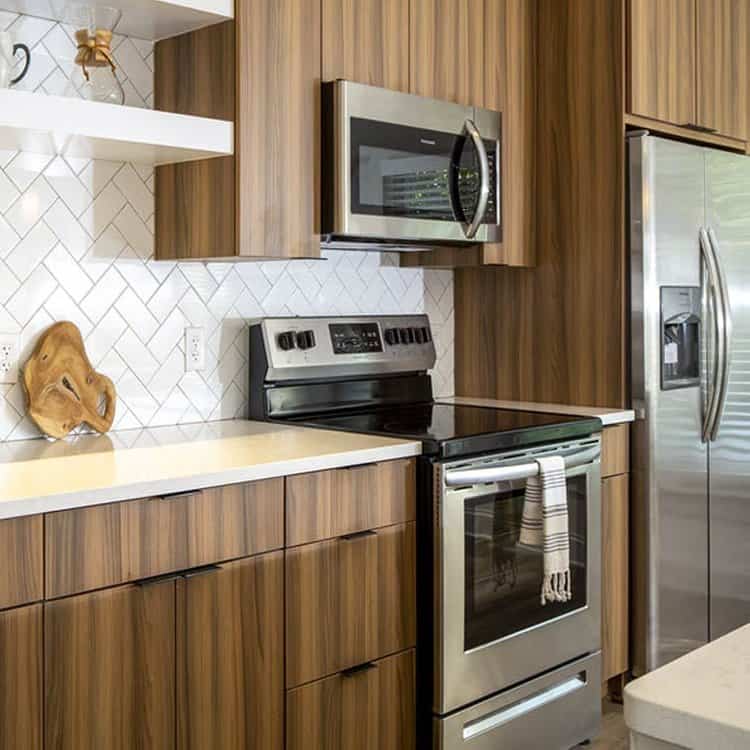
TFL Decorative Panels: Sustainable Design for Commercial and Residential Applications
Distance learning, in-person, or virtual presentation
Learn about the differences between TFL and other legacy materials, how TFL is made, its sustainable attributes, and where and why it excels as a choice for interior applications.
Go to CEU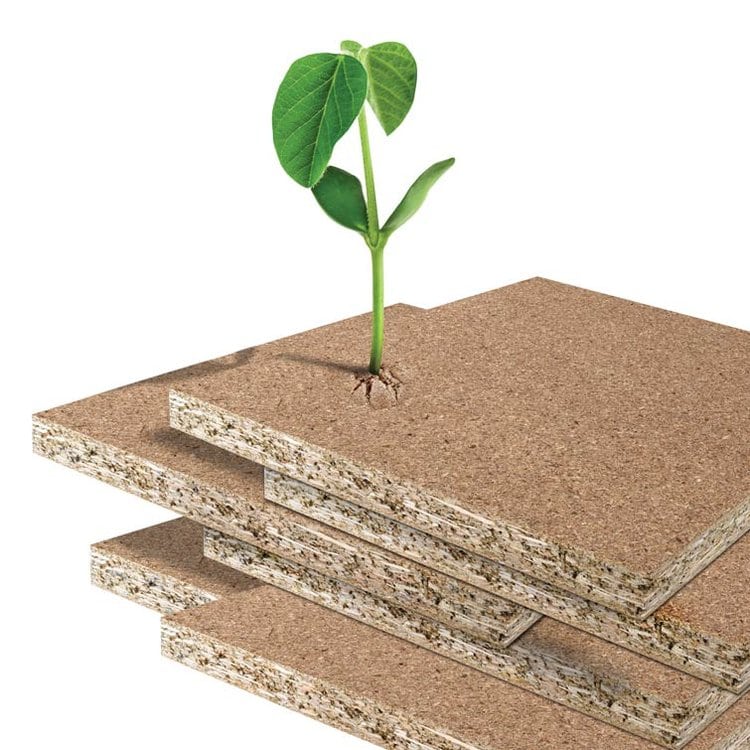
Climate-Positive Decorative Panels
From Forest Management to Material Substitution
Millennial consumers are committed to making environmentally sustainable purchasing choices. But what makes a product truly sustainable? This course presents data to show that thermally fused laminate (TFL) and other waste wood fiber products are among the most sustainable building materials on the market.
Go to CEU
The Role of Wood in a Harmonious World
Managing our Emotional Bond with Nature’s Most Renewable Resource
Nothing else has the depth, warmth, or beauty of real wood. Responsible use will ensure that this resource is available for future generations.
Go to CEU
Composite Wood Panels
The Big Green Picture
Few materials on earth are as perfect for their purpose as wood. Trees grow essentially by building themselves, efficiently manufacturing their own construction materials as needed.
Go to CEU
The ‘Sensational’ Role of Texture in Surface Design
Touch Can Play an Unexpectedly Large Role in How We Feel About Things
Knowing how things feel–smooth, soft, warm, sticky, dusty–completes your perception of that item or material.
Go to CEU
TFL Decorative Panels: Responsible Design Defined
Achieve the Rich Look of Wood with Greater Durability, Better Consistency, and Less Guilt
And while we’re at it, why couldn’t this material be the “greenest” option out there?
Go to CEUBring a CEU to your firm
If your team would rather learn together, Kenn Busch can present an AIA- or IDCEC-certified CEU in your office, over video, or at a conference, and lunch-and-learn sessions can be built for half a credit or a full credit to fit the hour you have. Manufacturers and suppliers can also host a CEU at a lunch-and-learn, conference, or expo, or co-develop one that fits their products.
Schedule a CEU on your team’s schedule
Delivered on-site with peer-to-peer engagement
Earn half a credit or a full credit per course
Love the autonomy of Kenn and team. You guys take initiative and are proactive in moving things along [during courses].
—Doug Shapiro, V.P. of Sales, Jasper Group

“Let’s get started on developing a CEU your team will actually want to hear.”
How many CEUs do commercial architects and designers need?
AIA Architect members must complete 18 learning units each calendar year, and at least 12 of those must be in health, safety, and welfare topics, with one LU earned for each hour of continuing education (AIA). Interior design credit through IDCEC is counted differently, because one contact hour equals 0.1 CEU, which is why a one-hour course appears as 1 LU on an AIA transcript and 0.1 CEU on an IDCEC record. State licensing boards set their own hours, topics, and reporting periods on top of these, so check your board’s rules before you count a course toward renewal.
Why our CEUs focus on commercial materials
Material Intelligence was founded by Kenn Busch, a journalist who has spent his career explaining how decorative surfaces, composite panels, and wood products are made and specified, and every course is built with the manufacturers who make those materials so that what you learn holds up when the submittals arrive. The courses lean toward the questions that cause trouble on commercial projects, such as which code section governs a fire retardant panel, why a value-engineered substitution can quietly fail, and how to verify a sustainability claim with third-party data rather than marketing language.
Frequently asked questions
Yes, every course hosted on this page is free to take, and subscribing to our email list is optional and never required to earn credit.
Yes, each course hosted here is approved as LU|HSW by AIA, and the course details on each page list its exact designation.
Where listed, all our CEUs list their credit count and what they apply toward. For most courses we email a certificate of completion you can submit to your association or board.
There is no time limit, so you can revisit the episode and resubmit, and credit is issued once you reach 100%.
We report completions to AIA for you, and AIA says credits generally appear within 10 business days.
Yes, we co-develop AIA- and IDCEC-certified courses with suppliers and manufacturers, and you can learn about sponsorship here.
Get new CEUs before anyone else by subscribing to Material Intelligence, where we announce each new episode and course as it is approved.
Request a CEU presentation
Tell us the format you have in mind and how many people you expect, or contact us to start a discussion.