


Japan
Bullet trains that leave to the second, thousand-year-old temples a block from a neon arcade, and food worth flying for. Japan runs on precision, and it rewards travelers who plan the route as carefully as Japan runs the trains.
Japan earns every hour of the flight. Give it two to three weeks, ride the trains, and balance the big three cities with one slow detour into the mountains or the south.
Pack Lightly editorial team
At a glance
- One of the safest, smoothest countries to travel anywhere. It scores 95 for safety and ties its own top mark, 95, for food.
- Budget around $65 a day backpacking, $165 mid-range. Trains and a JR Pass are the line that swings the total most.
- Late March to May and October to November are the prime windows. Cherry blossom and autumn color both book out months ahead.
- Two weeks covers the Golden Route at a fair pace. Three weeks adds Hiroshima, the Alps or the south without rushing.
- The catch: the cities run hot and humid in summer, and the best seasons collide with the biggest crowds and prices.
Everything to know before you book
The essentials for a Japan trip: visa, money, climate window and power, in one scan.
What Japan is, and isn’t
Ten categories scored 0-100 from tourism data, traveler reports and on-the-ground experience.
Four categories tie at the top. Japan is a food and culture trip first, wrapped in cities that are clean, safe and effortless to move through.
The weakest score, and a fair one. Japan is not cheap: trains, city hotels and tickets add up. Plan the budget around that rather than fight it.
Best places to visit in Japan
Eight destinations that anchor most trips. Filter by region to plan your route.
Tokyo
Thirteen million people, a temple older than the capital around it, and a different neighborhood for every mood. The start of almost every Japan trip.Kyoto
Two thousand temples and shrines, geisha districts and Japan’s cultural heart. Go early or late to beat the crowds.Osaka
Japan’s kitchen: street food in Dotonbori, a moated castle, and a louder, looser feel than Tokyo.Mount Fuji
Japan’s icon: climbed in July and August, photographed from the Fuji Five Lakes the rest of the year.Hiroshima
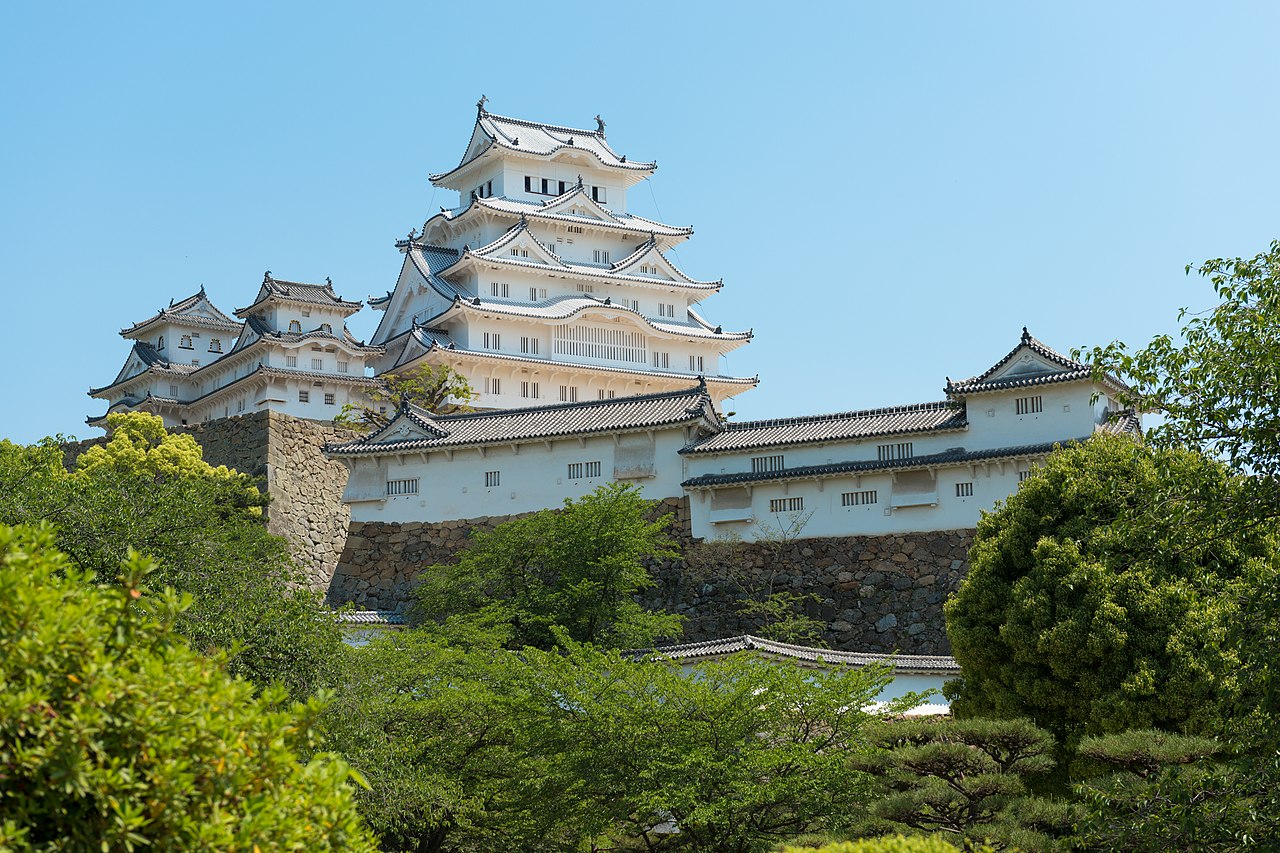
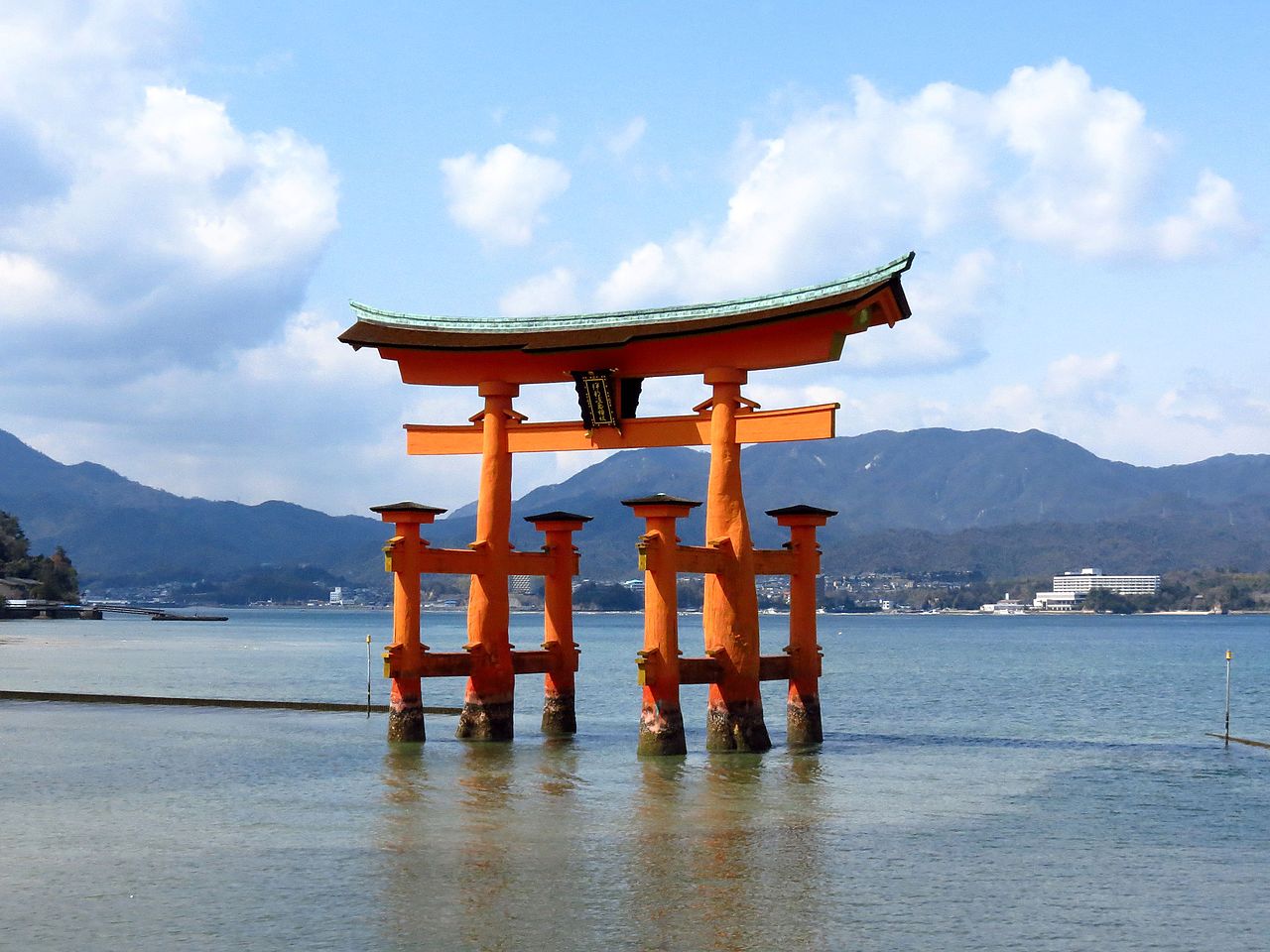
The Peace Memorial and a rebuilt city that handles its history with quiet weight, paired with the floating torii of nearby Miyajima.Hakone
Hot-spring ryokan, a lake with Fuji views and an easy overnight from Tokyo. The classic first taste of an onsen town.Nara
Free-roaming deer, a giant bronze Buddha and Japan’s first capital. A half-day trip from Kyoto or Osaka.Sapporo
Hokkaido’s hub: beer, miso ramen, a February snow festival, and the gateway to Hokkaido’s national parks.Central Honshu & the Alps
Kansai & Western Honshu
Hokkaido & Tohoku
Kyushu, Shikoku & the Islands
All Japan guides
Every Pack Lightly guide for planning, preparing and exploring Japan.
Planning & Logistics
Practical & Preparation




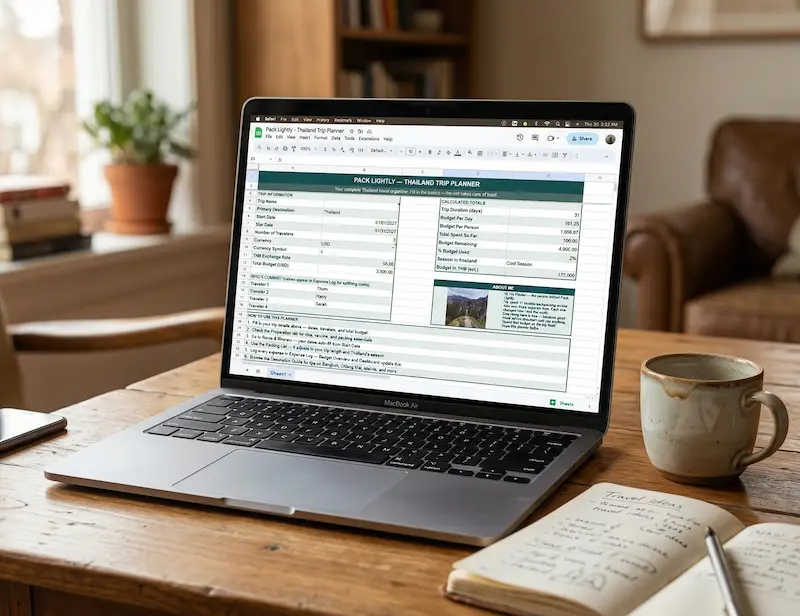
Plan your Japan trip
A free Google Sheets template: itinerary planning, daily expenses, budget tracking and a packing list, with a dashboard that updates as you go.
Get the Free TemplateWhat Japan costs per day
Per person per day in USD, drawn from the Pack Lightly budget calculator. Trains and city hotels move the total most.
Japan, month by month
Tokyo: temperature (°F) and rainfall (inches). The shoulder seasons, spring and autumn, are the prize.
Japan in one first impression
A quick sweep of the country before you plan the trip.

What if…
Japan by trip length
Real day-by-day itineraries, one for each trip length. Pick the time you have and open the full plan.
June 2026 12 min read Quick answer A 7-day Japan itinerary works best as an open-jaw route: fly into Tokyo (Narita), take the Shinkansen to Kyoto, finish in Osaka (Kansai), and fly out.
See the full day-by-day planFeel the electric pulse of Tokyo’s Shibuya, where neon lights and bustling crowds contrast sharply with the serene views of Mount Fuji from Hakone.
See the full day-by-day planFeel the pulse of Tokyo, where neon lights and bustling streets contrast sharply with the serene hot springs of Hakone and the tranquil landscapes of the Japan Alps.
See the full day-by-day planArrive in Tokyo, a city pulsing with energy, where neon lights and bustling streets contrast sharply with the serene landscapes of Kumamoto and Fukuoka.
See the full day-by-day plan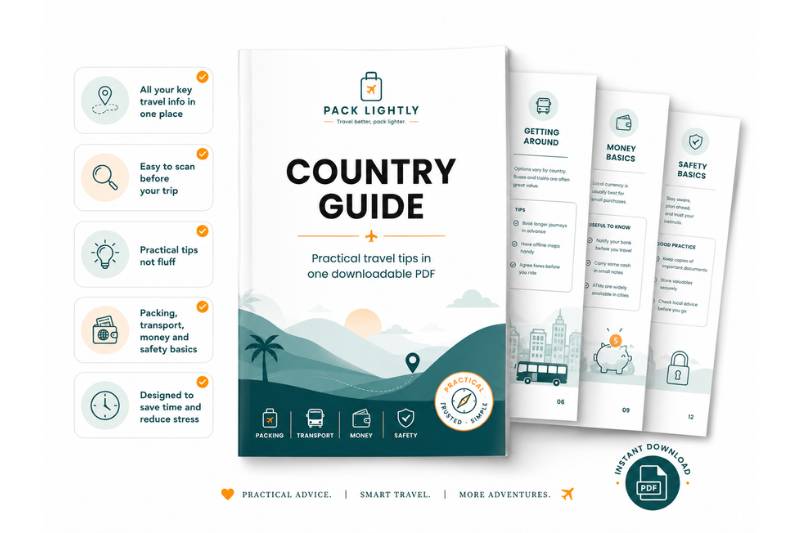
Take the whole Japan guide offline
Every practical decision for Japan sits in one PDF: what a day costs, when to go, how Tokyo, Kyoto and Osaka fit into one trip, and what to book before you leave.
- Routes that hold up: route options from 7 to 28 days, with the stops worth the travel time and the ones worth skipping.
- Real numbers: daily budgets from $65 to $360 per person, split over beds, food, transport and activities.
- Weather, crowds and price: which months are dry, which are cheap, and where the two overlap.
- The practical layer: money, transport, connectivity, safety and the local etiquette that saves you a misstep.
Opens the PDF straight away. Save it to your phone and it works offline.
Book your Japan trip
Everything to sort before departure. Same price as booking direct, and it helps keep these guides free.
Before you commit
Why Japan works
It is the easiest hard country to travel. Nothing about the language or the systems is obvious, yet everything runs on time, feels safe at any hour, and is signposted in English on the routes tourists actually use.
The contrast is the draw. A temple garden and a robot-staffed cafe sit ten minutes apart, and the trains make it realistic to see both before lunch.
Honest downsides
- It is not cheap: trains, city hotels and tickets add up faster than in most of Asia
- Summer is brutal: June rains then July and August heat and humidity in the cities
- The big sights are busy: Kyoto in cherry-blossom season is shoulder to shoulder
- Cash still matters: cards are widespread but small shops, shrines and rural stops are often cash-only
Japan with kids
One of the smoothest family destinations anywhere, spotless, safe, and built for trains rather than long drives. Kids ride the shinkansen for half fare and under-sixes go free.
Nara’s deer, Osaka’s aquarium and the theme parks are easy wins. The only real constraint is summer heat, so plan indoor stops for the afternoons.
Frequently asked questions
Do US citizens need a visa for Japan?
No. US passport holders get a 90-day visa-free stay on arrival for tourism. You just need a passport valid for your stay and proof of onward travel. There is no advance application and no tourist visa to buy.
How much does Japan cost per day?
Budget around $65 per person per day backpacking: hostels, convenience-store and casual meals, and careful train use. Mid-range is closer to $165 with business hotels and restaurant meals; comfort travel runs $360 and up. Trains are the line that moves the total most.
What’s the best time to visit Japan?
Late March to May for cherry blossom and mild weather, and October to November for autumn color, are the two prime windows. They are also the busiest and priciest. June is the rainy season, July and August are hot and humid, and winter is cold but clear and quiet.
How long do you need in Japan?
One week covers the Golden Route of Tokyo, Kyoto and Osaka at a fair pace. Two weeks adds Hiroshima, the Japan Alps or Kanazawa without rushing. Three weeks lets you reach the south or Hokkaido and slow down.
Is the Japan Rail Pass worth it?
It depends on the route. After the 2023 price rise, a 7-day pass pays off only if you make a long return trip, such as Tokyo to Hiroshima and back, within the week. For a Tokyo, Kyoto and Osaka loop alone, individual tickets are usually cheaper. Add the legs up before buying.
Is Japan a cash or card country?
Both, with cash still mattering more than you would expect. Cards and IC transit cards work in cities, chains and most hotels, but shrines, small restaurants, markets and rural stops are often cash-only. Carry a few thousand yen and use convenience-store ATMs to top up.
Photo credits: Photo: Chris Spackman / TakuyaMurata at en.wikipedia / Wikimedia Commons, CC BY-SA 3.0 · Photo: Nikos Kitsakis / Wikimedia Commons, CC BY-SA 4.0 · Photo: 663highland / Wikimedia Commons, CC BY 2.5 · Photo: redlegsfan21 / Wikimedia Commons, CC BY-SA 2.0 · Photo: Nickaura (Nick Sevarg) / Wikimedia Commons, CC BY-SA 3.0 · Photo: Komatta / Wikimedia Commons, CC BY-SA 3.0
