• en

Low-Code in the AI Era:
Who Builds, and Who Governs

Book a Demo
Low-Code in the AI Era

Trusted by forward-thinking enterprises

Acko
Caratlane
Puma Energy-1
Swiggy
Flipkart-1
Total Parco

AI can build the app now.
The question is who governs it.

The shift is not a new tool. It is that app building has left the developer queue entirely,
and that reframes the whole problem for IT.

Anyone can build from a prompt

Anyone can build from a prompt

Describe an app in plain language and get a working one. The backlog bottleneck just moved off the developer queue.

Shadow IT is now shadow AI

Shadow IT is now shadow AI

When AI app building runs outside IT, ungoverned apps appear faster than ever, with the data and compliance exposure to match.

The backlog was never a staffing problem

The backlog was never a staffing problem

Demand always outran headcount. AI proves it. Hiring more developers was never going to close the gap.

Application sprawl is already here

Application sprawl is already here

Fifty to two hundred point tools across a large organization, and AI is about to multiply the count.

You cannot govern what you cannot see

You cannot govern what you cannot see

Every app built in the dark is a risk with no audit trail, no access control, and no owner.

The frame for IT has changed

The frame for IT has changed

The job is no longer to build every app. It is to own the platform where the business builds, with AI, safely.

This is what governed AI app building looks like

Three ways to get apps built
in the AI era

AI code generation
No-code point tools
Governed AI low-code
Who builds: Developers with AI
Business users, in silos
Business and developers, together
Speed: Minutes to code
Fast for simple apps
Fast, and governed
Governance: Not built in
Depends on each tool
Built in from the first app
Six months later: Code no one can govern
Sprawl across many tools
Inspectable, auditable, owned
Net result: Fast but ungovernable
Fast but fragmented
Fast and governed
AI code generation No-code point tools Governed AI low-code
Who builds: Developers with AI Business users, in silos Business and developers, together
Speed: Minutes to code Fast for simple apps Fast, and governed
Governance: Not built in Depends on each tool Built in from the first app
Six months later: Code no one can govern Sprawl across many tools Inspectable, auditable, owned
Net result: Fast but ungovernable Fast but fragmented Fast and governed

What IT should require of an
enterprise low-code platform

AI under governance

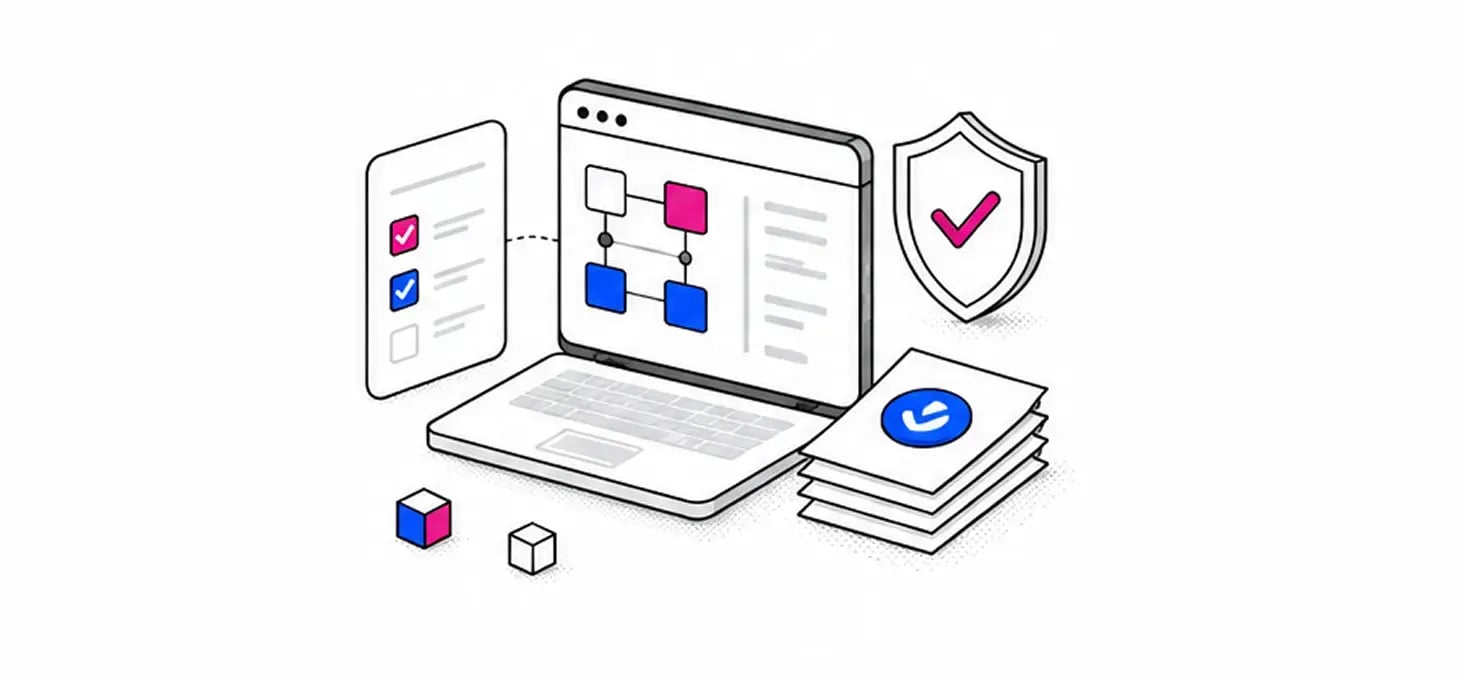
Use AI to generate governed app blueprints, with every change logged and auditable.
AI under governance

Governed citizen development

Give teams a governed place to build, with IT visibility and guardrails from day one.
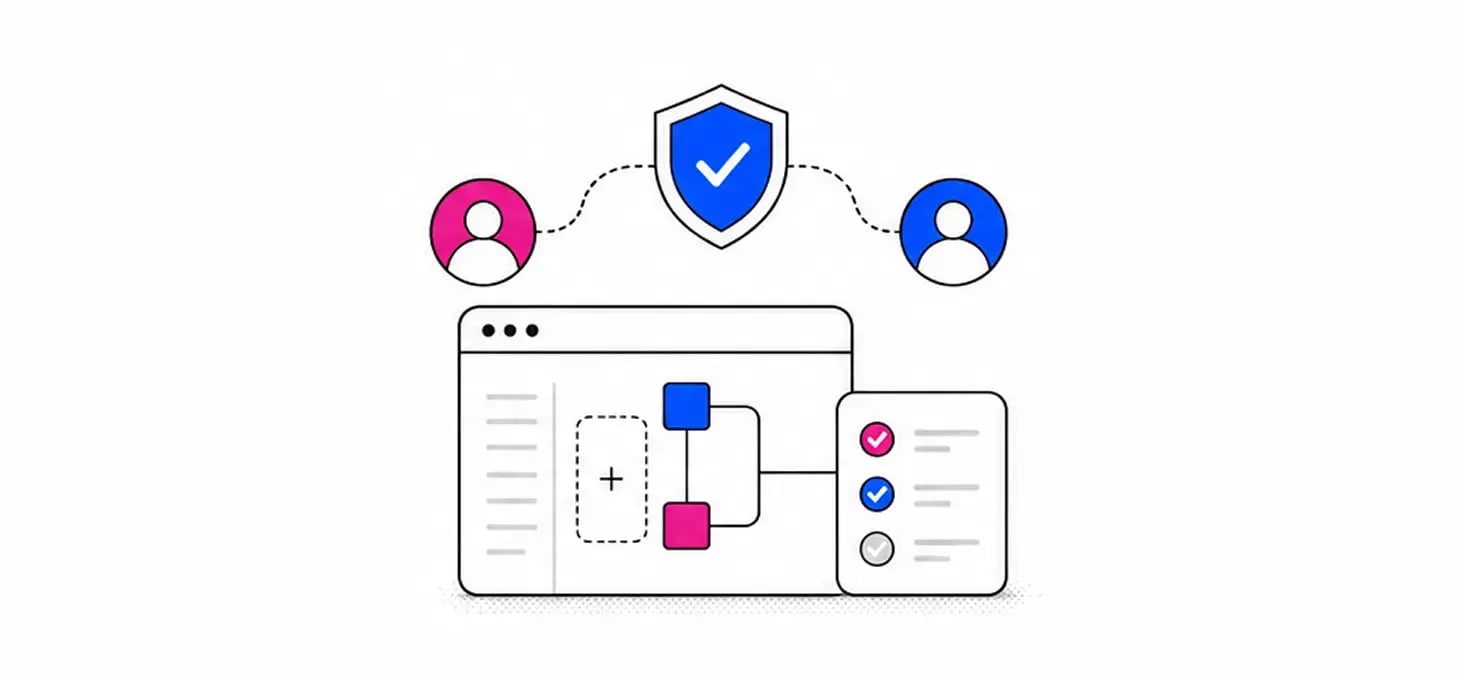
Governed citizen development

Access control and RBAC

Control access by role across every app, with consistent policies and a full audit trail.
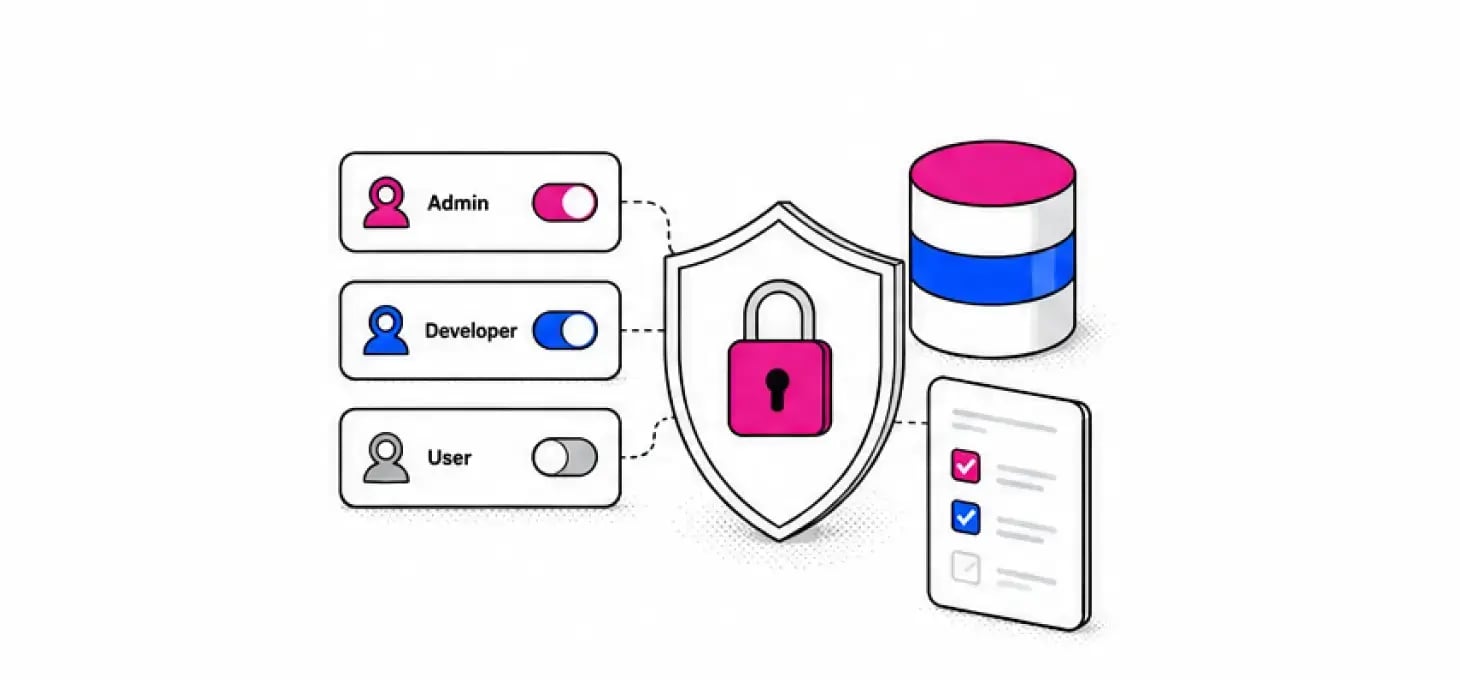
Access control and RBAC

Audit trails and compliance

Keep every change auditable, compliant, and visible in real time.

Audit trails and compliance

Integration with systems of record

Integrate with core systems, follow enterprise standards, and extend rather than replace them.
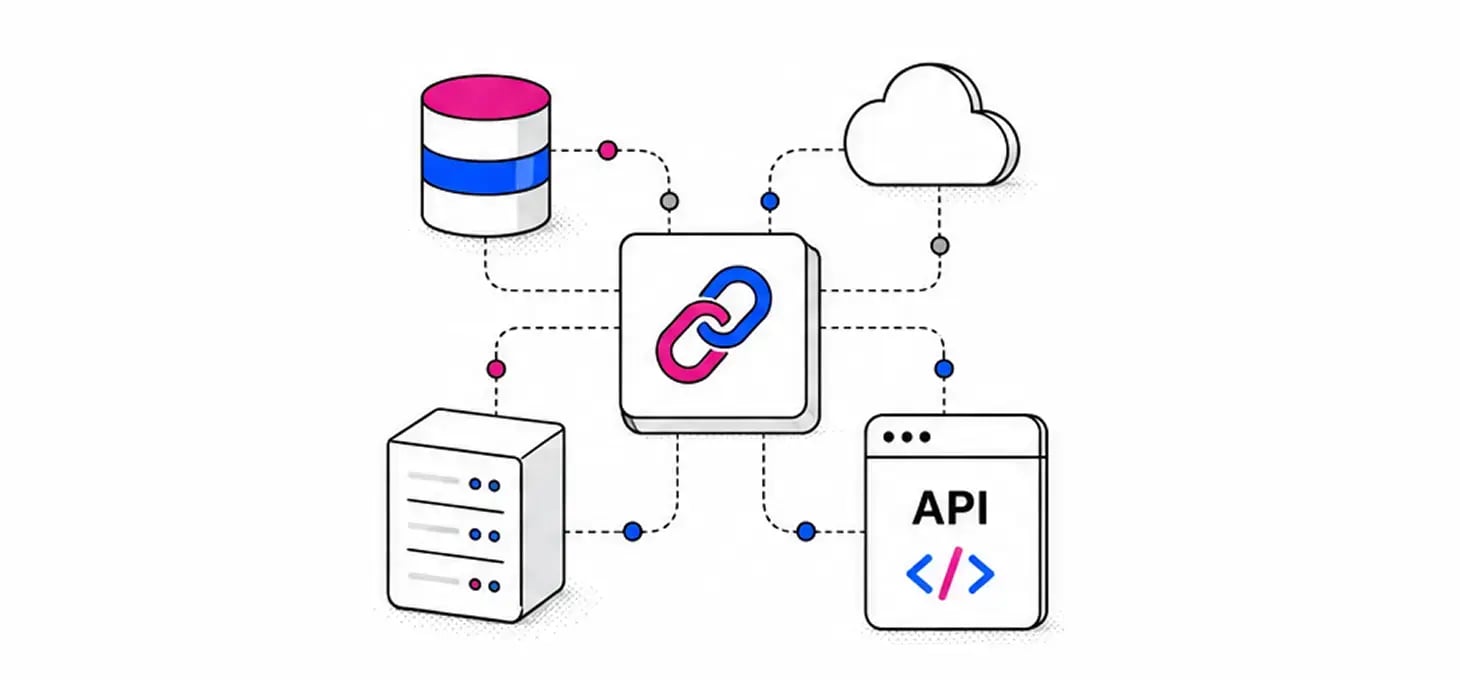
Integration with systems of record

Pro-developer extensibility

Let business users build the core while developers extend it with custom logic, APIs, and components.

Pro-developer extensibility (1)

What a governed low-code layer looks like

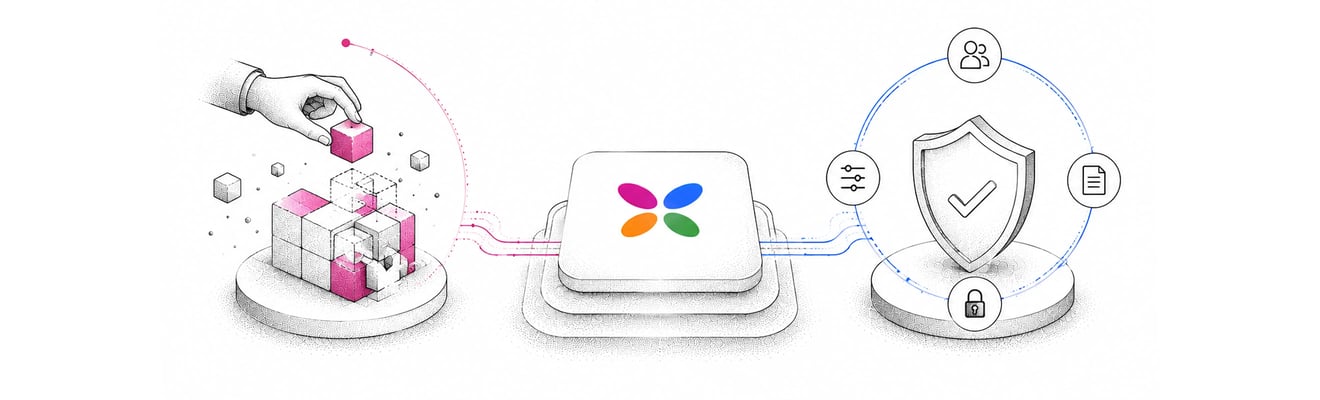
AI app building is happening in your organization whether IT owns it or not. A governed platform has three layers.

Governance (IT owns)

Access control, environments, versioning, audit trails, and compliance. Everything the business builds, with AI or by hand, is visible and governed.

Governance icon
Arrow down
AI-native build layer (business and IT)

Describe an app in a prompt and AI generates a governed blueprint. Apps, forms, workflows, integrations, and analytics, built by business in no-code and extended by developers in low-code.

Permits Exceptions Incidents Shutdowns Field capture Contractor access
Arrow up
Systems icon
Systems of record

SAP, Oracle, Salesforce, Workday, and existing databases. The layer reads from them and writes back. Nothing gets replaced.

SAP Oracle Salesforce Workday

Low-code is the default operating model

70%
of new apps

of new enterprise applications will be built with low-code or no-code by 2026 (Gartner).

4:1
citizen to pro devs

citizen developers will outnumber professional developers in large enterprises (Gartner).

$44.5B
market by 2026

projected size of the low-code development market (Gartner).

What IT teams build with low-code

role based access-1

Access provisioning

Access provisioning and recertification with role-based approval routing and a full audit trail.

Change management

Change management

Change request management with impact assessment, review, and post-change validation.

License management

License management

Software license and asset management, off spreadsheets and into a governed workflow.

Spreadsheet replacement

Spreadsheet replacement

Departmental apps that replace the spreadsheets and email chains running critical processes.

Approval workflows

Approval workflows

Approvals and multi-level workflows for procurement, finance, and operations.

Legacy app rebuild

Legacy app rebuild

Rebuilding aging departmental applications stuck behind the developer backlog.

What low-code platform means in the AI era

A low-code platform is a visual development environment that lets teams build enterprise applications with minimal hand-coding, using drag-and-drop components, model-driven logic, and prebuilt integrations. An AI-native platform adds generative building on top, inside the same governance.

The point of low-code was never to remove developers. It was to change who can build. AI extends that further: the business can now describe what it needs and get a working application. On an AI-native low-code platform, business teams build with AI while IT keeps governance, access control, audit trails, and code extensibility.

Low-code and no-code are often used together. No-code is aimed at business users building without any coding. Low-code adds a code path for developers to handle complex logic and integrations. The strongest enterprise platforms run both, under one governance model.

Stories from transformative leaders

Puma GIF optimized
INDUSTRY Energy
HEADQUATERS USA

“Advanced automation of all processes is easy to set up. I cannot imagine how to manage workflows without this software.”

Tanay Tiwary

Global Head - Digitalization & Business Improvement

See the Full Story


KEY HIGHLIGHTS
700+
Use Cases
73%
Operation Efficiency
1001 - 5000
# of Employees
SN Aboitiz optimized

“Advanced automation of all processes is easy to set up. I cannot imagine how to manage workflows without this software.”

Maria Theresa Cabigon

CIO, SN Aboitiz Power Group

See The Full Story


KEY HIGHLIGHTS
800+
Use Cases
10x
ROI
201 - 500
# of Employees
Valantic GIF Optimizer
INDUSTRY IT Consulting
HEADQUATERS Germany

“Everyone uses Kissflow. It requires no previous training. The platform is very intuitive and user-friendly.”

Antonio Serpa Pinto

Head of IT

See the Full Story
KEY HIGHLIGHTS
150+
Use Cases
18
Countries
1,001 - 5,000
# of Employees
Previous
    Next

    Recognized by

    Forrester-2

    The Forrester Wave™:
    AppGen and Low-Code Platforms Landscape, Q1 2026

    Gartner-2

    Gartner Hype Cycle™:
    CADP, No-Code 2026

    IDC-1

    IDC :
    LCNC 2025

    Low-code questions IT leaders ask

    A low-code platform is a visual development environment that lets teams build enterprise applications with minimal hand-coding, using drag-and-drop components, model-driven logic, and prebuilt integrations. Business users build most of an application visually while IT keeps governance, access control, and code extensibility.

    No-code is for business users building without any coding, using drag-and-drop only. Low-code adds a code path for developers to handle complex logic, integrations, and custom components. The strongest enterprise platforms run both together, under one governance model.

    Vibe-coding and code-generation tools produce code that is hard to govern, audit, or change. A governed low-code approach maps requirements to platform metadata and generates an inspectable blueprint rather than code, so the output stays governable. For enterprise IT, that is the difference between accelerating delivery and creating ungoverned technical debt.

    Yes, when the platform is built for it. Enterprise low-code should give IT role-based access control, environment management, versioning, audit trails, and compliance certifications such as SOC 2 Type II and ISO/IEC 27001 over everything business teams build.

    No. Low-code changes what developers spend time on. Business users build routine applications visually and with AI, which clears the backlog, while developers focus on complex logic, integrations, and extensions only they can build.

    It moves routine application requests off the development queue, so IT is no longer the single bottleneck for every departmental app. That reduces backlog, lowers the cost of delivering each app, and consolidates point tools into one governed platform, cutting total cost of ownership.

    Governed AI building, role-based access control, audit trails and compliance certifications, integration with systems of record, and a pro-developer extension path. The platform should let the business build while IT keeps full oversight of who builds what and what data they touch.

    See a governed AI low-code platform in practice

    Book a demo