Log inSign up
Science Advances
5,825 posts
Science Advances profile banner
@ScienceAdvances

Science Advances

@ScienceAdvances
Science Advances is an open-access multidisciplinary journal, publishing impactful research papers and reviews in any area of science.
AAAS - Washington, DC
science.org/journal/sciadv
Joined February 2014
100
Following
70.1K
Followers
RepliesRepliesRepostsRepostsMediaMedia

Log in or sign up for X

See what’s happening and join the conversation

Continue with phone
or
Log in with username or email
Terms·Privacy·Cookies·Accessibility·Ads Info·© 2026 X Corp.
  • @ScienceAdvances
    Science Advances
    @ScienceAdvances
    16h
    In a new study, researchers show that a neural circuit in the hypothalamus of mice suppressed sleep after a successful mating for males, but not females. scim.ag/4qOnBom
    Image
    1
  • @ScienceAdvances
    Science Advances
    @ScienceAdvances
    20h
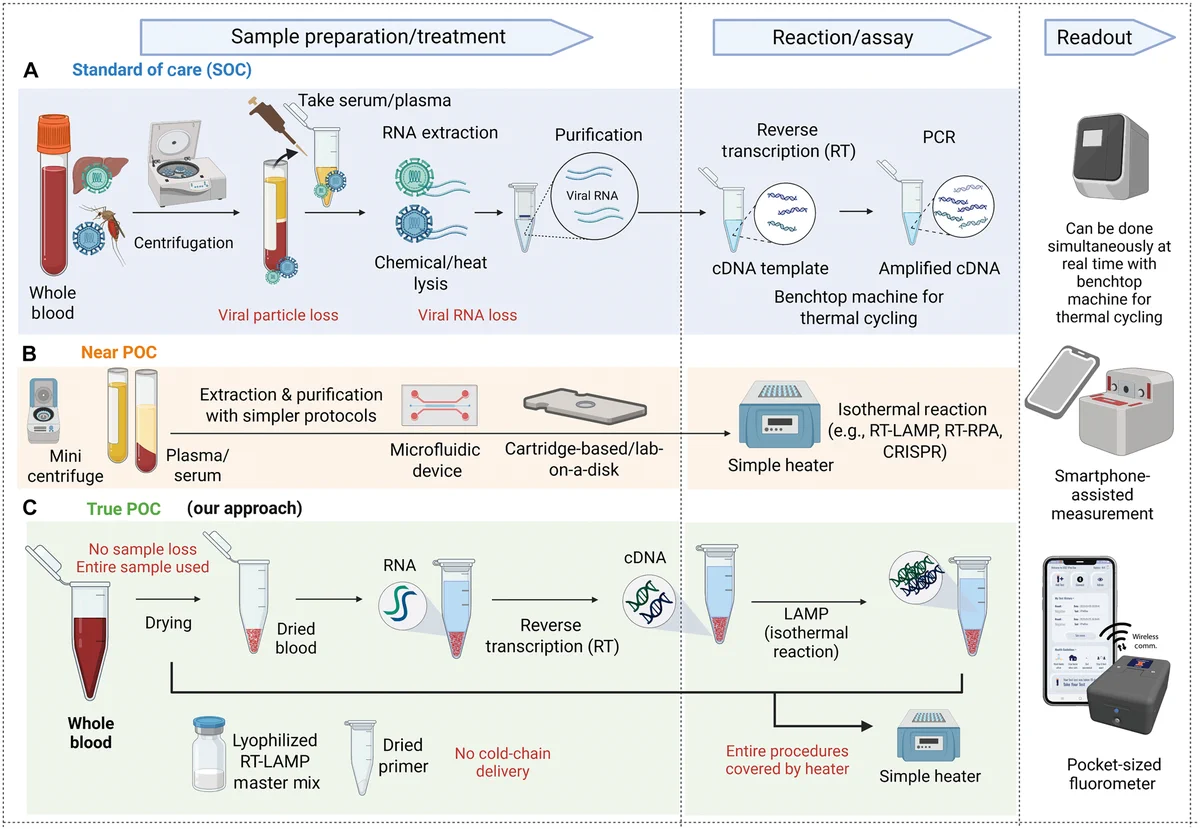
    Detecting viruses in whole blood usually requires a complex process that prevents swift, point-of-care detection in low-resource settings. Now, new research finds Zika and hepatitis C virus can be detected in dried whole blood by direct RNA amplification. scim.ag/3UvUz0U
    Image
  • @ScienceAdvances
    Science Advances
    @ScienceAdvances
    Sep 3
    Digital twins are #LLM-based individuals that are created using extensive, specific information about individual humans. A new study finds these twins perform more like generic LLM personas than the humans they are based on. scim.ag/4zTCOIK
    Image
    1
  • @ScienceAdvances
    Science Advances
    @ScienceAdvances
    Sep 2
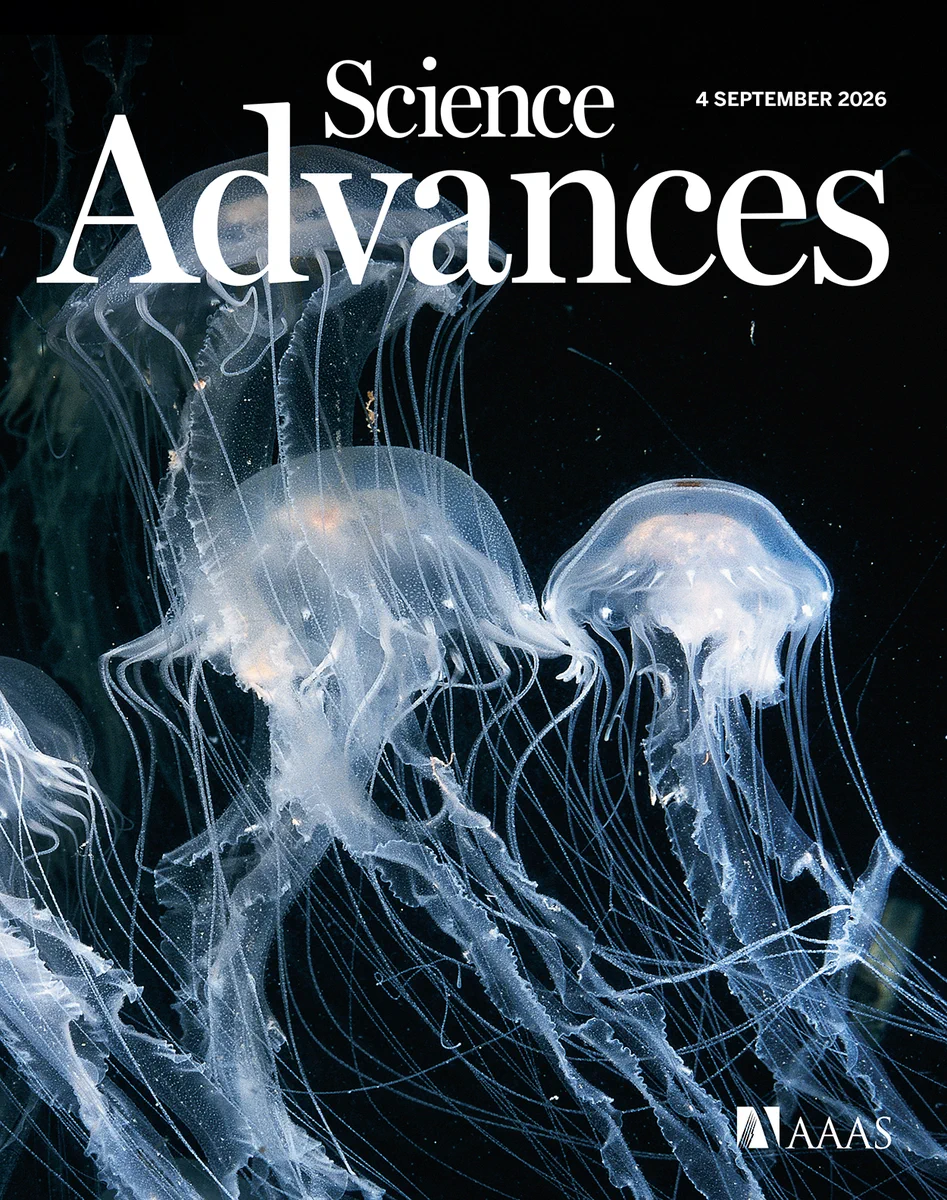
    New findings mark a potential use for heparin as a safe, accessible treatment to relieve people suffering from painful sea nettle stings. Learn more in this week’s issue of Science Advances: scim.ag/4yhVyQN
    Atlantic sea nettle jellyfish pictured in the Texas State Aquarium. Sea nettle jellyfish sting millions of people every year, and though their venom is nonlethal, it can be toxic to the skin, heart, and other parts of the body. Using whole-genome CRISPR screening, Denes and D’Araujo et al. pinpointed which human genes and pathways effectively modify the action and effect of the venom. Genome screening found that heparin, an anticoagulant, can protect cells from sea nettle venom. The authors’ findings mark a potential use for heparin as a safe, accessible treatment to provide relief for people suffering from painful sea nettle stings.

Credit: Gregory G. Dimijian / Science Source
    1
  • @ScienceAdvances
    Science Advances
    @ScienceAdvances
    Sep 1
    A new study proposes that sensory systems are internally modulated to match predictable changes in stimulus caused by movement. This principle extends to multiple species, from rodents to primates. @jongant scim.ag/4qXHsSl
    Image
    1
Advertisement
Advertisement