Log inSign up
Werner Fouché
1,936 posts
@werner_fouche

Werner Fouché

@werner_fouche
The solution is hiding in the details. Lead developer of @Tulip_ltt
Cape Town, South Africa
Joined December 2016
1,874
Following
178
Followers
RepliesRepliesRepostsRepostsMediaMedia

Log in or sign up for X

See what’s happening and join the conversation

Continue with phone
or
Log in with username or email
Terms·Privacy·Cookies·Accessibility·Ads Info·© 2026 X Corp.
  • @werner_fouche
    Werner Fouché
    @werner_fouche
    May 10
    @Nedbank , I'm not able to login to the Nedbank Money app or Home Banking web site. Getting a "server error" from the web site. Are you aware of this issue?
    4
  • @werner_fouche
    Werner Fouché
    @werner_fouche
    Mar 12
    This has been a few years in the making, but the little birdie is finally grown-up and left the incubation nest. 🍾
    @Tulip_ltt
    Tulip
    @Tulip_ltt
    Mar 12
    Tulip 2.3.0 is now available! This is the first release of Tulip since it moved to the TulipLtt organization on Github. The functionality in this release is the same as in version 2.2.5, however the package name changed to io.github.tulipltt.tulip from io.github.wfouche.tulip.
  • @werner_fouche
    Werner Fouché
    @werner_fouche
    Feb 28
    Why JSON isn't a Problem for Databases Anymore
    floedb.ai
    Why JSON isn't a Problem for Databases Anymore
    Experiments in speeding up JSON parsing and access.
  • @werner_fouche
    Werner Fouché
    @werner_fouche
    Feb 26
    Running #SchemaSpy to generate a database schema report for #Postgres (or other SQL databases) is greatly simplified when using @jbangdev. See link to Medium-dot-com article in the comments.
    1
  • @werner_fouche
    Werner Fouché
    @werner_fouche
    Feb 11
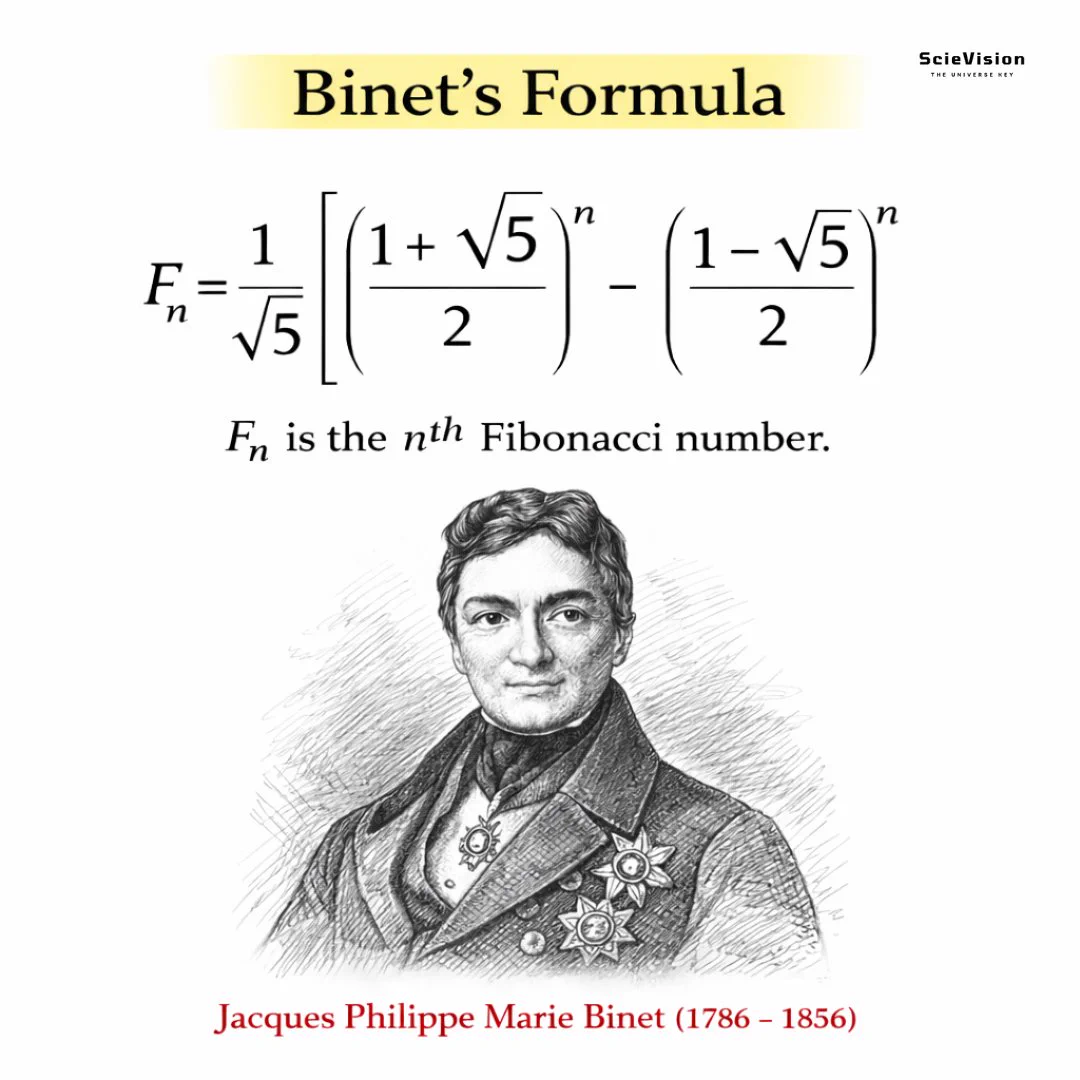
    @grok, define the Golden Ratio using Binet's formula.
    @scievision369
    ScieVision
    @scievision369
    Feb 10
    Binet's formula ✍️ This formula is a mathematical tool that lets you jump directly to any position in the Fibonacci sequence without having to add up all the previous numbers. Normally, the sequence is built by adding the two preceding terms together. However, this formula
    Image
    1
Advertisement
Advertisement