Resources
Our resources cover a broad range of topics from information about program launches to deep dives into our work; all built on our background and experience in building tools to improve data use in decision-making.
Read the Latest from our Blog

Making AI Work in African Universities: Readiness, Infrastructure, and Funding
Universities across Africa are already using AI, but much of this adoption remains informal. This blog explores what it takes to move from experimentation to institutional practice, focusing on readiness, infrastructure, talent, and investment.

FEWS NET’s Future is a Blueprint
Digital Public’s Sean McDonald uses FEWS NET as an example of the challenges facing global data collection and shares the key learnings that have helped Digital Public and Development Gateway successfully support similar systems and institutions through these transitions.
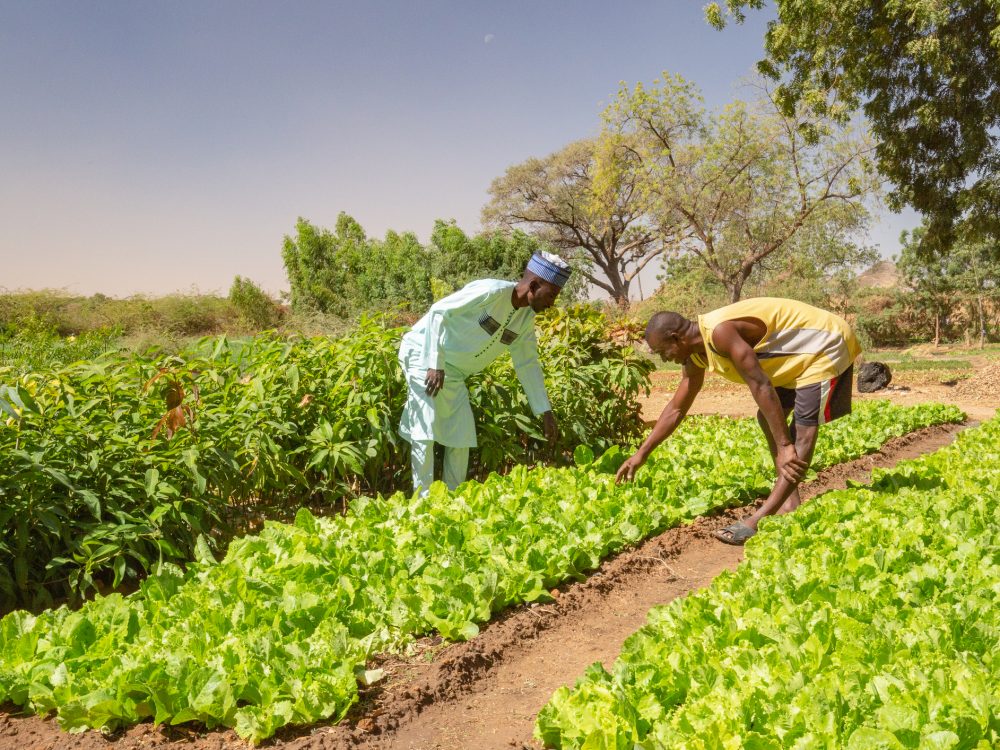
Why Africa’s Next Decade in Agriculture Will Be Won or Lost on Data
Africa’s agricultural transformation depends on stronger data foundations. This blog explores how investing in timely, reliable data can help advance the goals of the new CAADP cycle, strengthen accountability, and unlock more effective digital and AI-driven agriculture.
Recent Publications
Assessing the Impact of Data Use on Decision-Making in the Ministry of Agriculture
The aLIVE project has provided data use training and hands-on technical support to the Ministry of Agriculture of Ethiopia digital system owners and experts across the livestock sector to promote data-driven decision-making. This assessment captures the impact of the training and hands-on support.
Strategic Plan: FY 2026-2028
Dramatic geopolitical, financial, and technological shifts are reshaping digital systems worldwide. DG’s Strategic Plan 2026-2028 advances resilient, interoperable, and locally owned digital foundations that strengthen public service delivery and responsible innovation.
Using Soil Analytics and Digital Maps to Drive Food Security Policy in Ghana
Soil data in Ghana has expanded, but fragmentation limits its use in policy and investment decisions. This brief outlines how integrating soil analytics and digital maps into planning can improve targeting, resilience, and evidence-based decision-making.