
Migrate SSRS Reports to PowerBI Report Server in SQL Server 2025
Learn about migrating SSRS reports to Power BI Report Server in SQL 2025
2026-04-03
6,309 reads
Learn about migrating SSRS reports to Power BI Report Server in SQL 2025
2026-04-03
6,309 reads
Learn how we can search text values in SQL Server 2025 using the new AI capabilities.
2026-01-12
3,786 reads
This article examines the new regular expression functions added to T-SQL in SQL Server 2025.
2025-10-31
17,723 reads
Learn how ledger databases and ledger tables work in SQL Server 2022.
2025-10-20
18,799 reads
Learn about a new feature of SQL Server 2022 - Parameter Sensitive Plan Optimization(PSPO)
2025-09-15
2,028 reads

A T-SQL script to track and monitor the growth of your SQL Server Databases.
2025-09-12 (first published: 2025-09-04)
1,101 reads
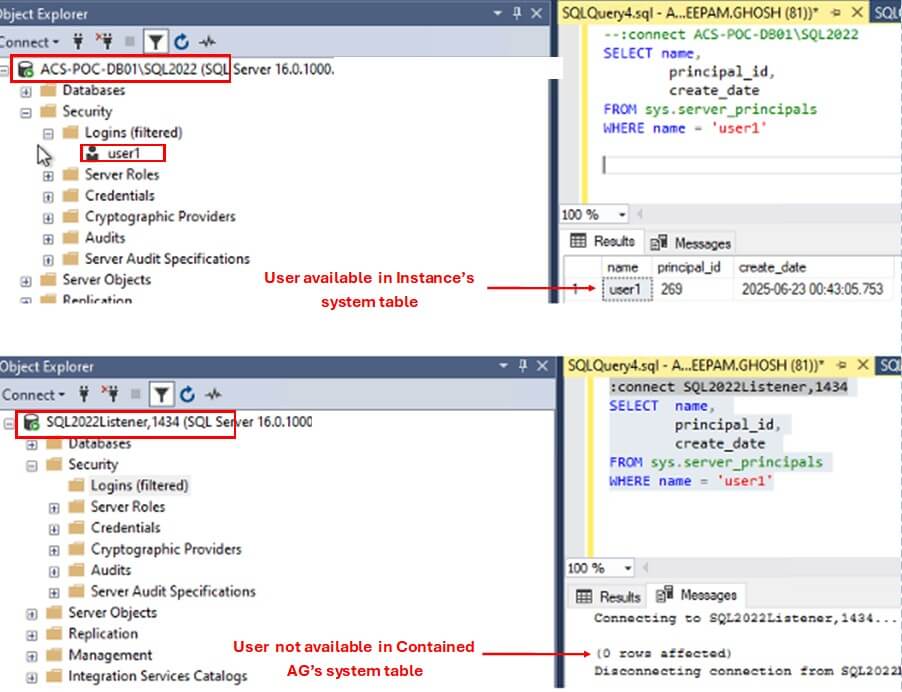
SQL Server 2022 introduced a new feature called Contained Availability Groups. It allows the Database Administrators to effectively manage the Server Level objects, such as Logins, SQL Agent jobs, etc. in an HA environment. In today's article, we will learn about this new feature of SQL Server. The Challenge of Managing Server Objects in Availability […]
2025-08-20
11,124 reads
2025-07-18
6,283 reads
Learn about a free inventory tool to help you keep track of basic information on your servers.
2025-07-04
5,602 reads
This script produces scripts for all the stored procedures in a database.
2025-06-18 (first published: 2025-06-13)
1,129 reads
By James Serra
Making Data AI-Ready, Part 3 (This is the final article in a three-part series...
By Steve Jones
I use ConEmu for my terminal interface. I’m still on Windows 10 at home,...
Creating a Fabric workspace takes about 30 seconds. Restructuring workspaces after people have built...
Comments posted to this topic are about the item Adding new column with DEFAULT...
Comments posted to this topic are about the item Advanced Deployment Scenarios: Stairway to...
Comments posted to this topic are about the item You Need a DBA Pipeline
Which number did the two COUNT(*) return:
DROP TABLE IF EXISTS #tmp
CREATE TABLE #tmp (id INT NOT NULL)

INSERT INTO #tmp (id)
SELECT gs.value
  FROM GENERATE_SERIES(1, 5) AS gs

ALTER TABLE #tmp ADD my_value INT NOT NULL CONSTRAINT df_tmp_my_value DEFAULT 1

SELECT COUNT(*)  FROM #tmp AS t WHERE my_value = 1

ALTER TABLE #tmp DROP CONSTRAINT df_tmp_my_value

ALTER TABLE #tmp ADD CONSTRAINT df_tmp_my_value DEFAULT 2 FOR my_value

SELECT COUNT(*)  FROM #tmp AS t WHERE my_value = 1
See possible answers
