
Welcome:
Login
|
Sign Up
|
About CircleID
Follow:
|
|
|

 Iran's deliberate disconnection from the global internet reveals a deeper crisis in digital governance, where state-led suppression and procedural legitimacy now threaten the foundational architecture and human rights principles of an open web.
 Low Earth Orbit satellite networks are dismantling traditional IP address allocation models. As signals defy borders, Regional Internet Registries face challenges in geolocation accuracy, routing security, and the definition of digital territory itself.
 Starlink expanded to 42 new countries in 2025, added 2.7 million customers, improved network speeds and latency, and continued satellite launches as it nears its first-phase constellation goal of 12,000 satellites.
Global internet use has surpassed six billion users, yet stark divides persist between regions, genders and urban-rural populations. Meanwhile, download speeds have surged and smartphones now dominate how people access the web worldwide.
 What began as an emergency response evolved into critical wartime infrastructure. Ukraine's experience with Starlink reveals the strategic risks and benefits of relying on privately operated networks for national resilience and defence.
 CaribNOG and PCH have renewed their partnership to boost the Caribbean's Internet resilience, expanding technical capacity, advancing inclusive training, and strengthening the people and systems essential for recovery as islands rebuild after Hurricane Melissa.
Despite its promise of universal access, Starlink often fails to meet broadband benchmarks across key markets. New data reveals fluctuating performance and raises questions about reliability, digital equity, and tiered service models.
 The hiQ ruling erased legal protections against commercial scraping, leaving infrastructure providers to absorb escalating costs. Without federal action defining data misappropriation, a free-rider AI economy could undermine open networks, investment, and long-term data integrity.
A new report from the Fiber Broadband Association details how fiber networks improve public safety and disaster response, offering real-world case studies that highlight the technology's resilience, reliability, and critical infrastructure value.
Starlink dominates the satellite internet race, echoing IBM's past supremacy in computing. But geopolitical divides, advancing rivals, and Elon Musk's controversies suggest its lead will narrow as competitors gain ground in a fragmented global market.
OpenVault's latest broadband report shows U.S. households using more data, with uploads rising faster than downloads and a major shift toward midrange speed tiers. Growing gaming, streaming, and cloud activity continues to reshape network demand and subscriber behavior.
 The Internet has evolved from a scarcity-driven system into one defined by abundance, reshaping infrastructure, governance, and economic models while challenging long-held assumptions about addressing, network roles, and the future of protocol design.
Despite early dismissals from cable giants, consumer demand and real-world use cases proved the value of gigabit broadband. Today, slow uploads and strategic pricing continue to signal an industry reluctant to embrace speed.
As telecom networks grow more interconnected, local outages can now trigger regional or national disruptions. A recent article by Ookla outlines five critical steps operators must follow to prevent small faults from cascading into systemic failures.
Most households experience poor WiFi performance, yet ISPs routinely overlook in-home coverage gaps. A new survey reveals that customers increasingly conflate WiFi with broadband itself, and many are willing to switch providers for better service.
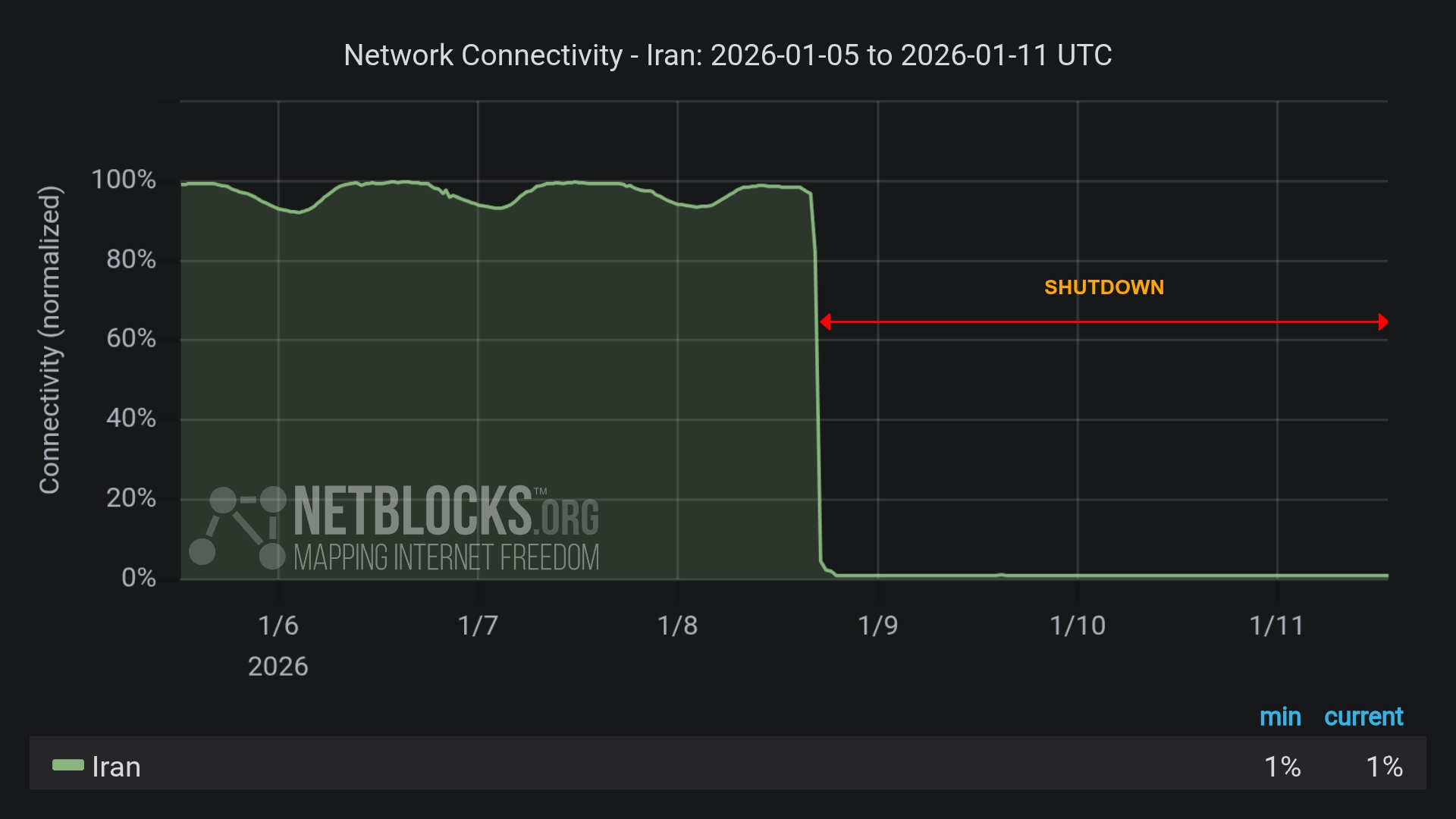 Iran Cuts Off Internet Nationwide as Regime Disrupts Even Starlink Amid Expanding Protests
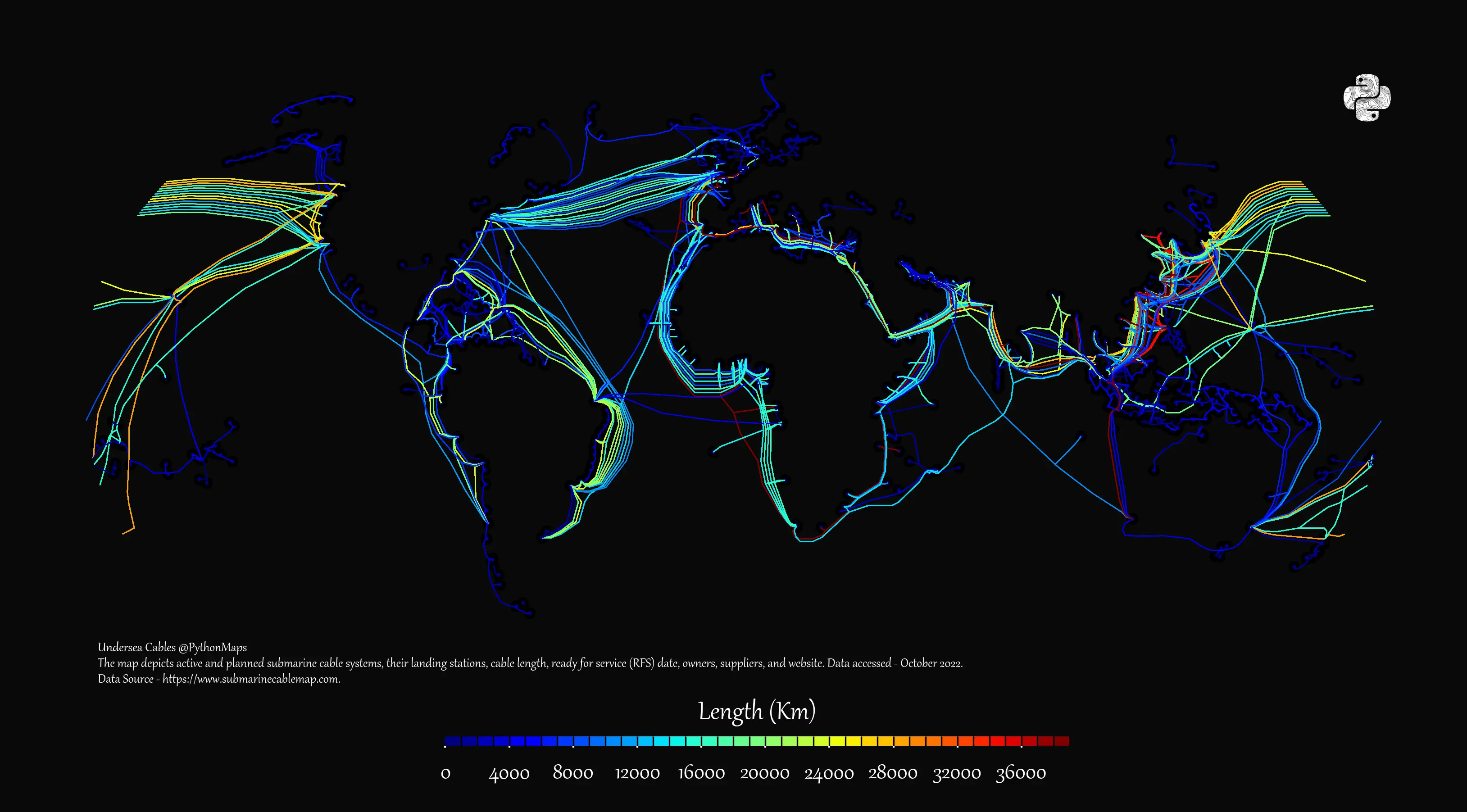 AI Boom Spurs Record Investment in Undersea Cables Amid Geopolitical and Security Concerns
 Verizon and AWS Expand Network Ties to Meet AI Data Demands
 Starlink Passes 10,000 Satellites, Expanding Global Internet Reach
 JetBlue Selects Amazon’s Project Kuiper for In-Flight Satellite Connectivity
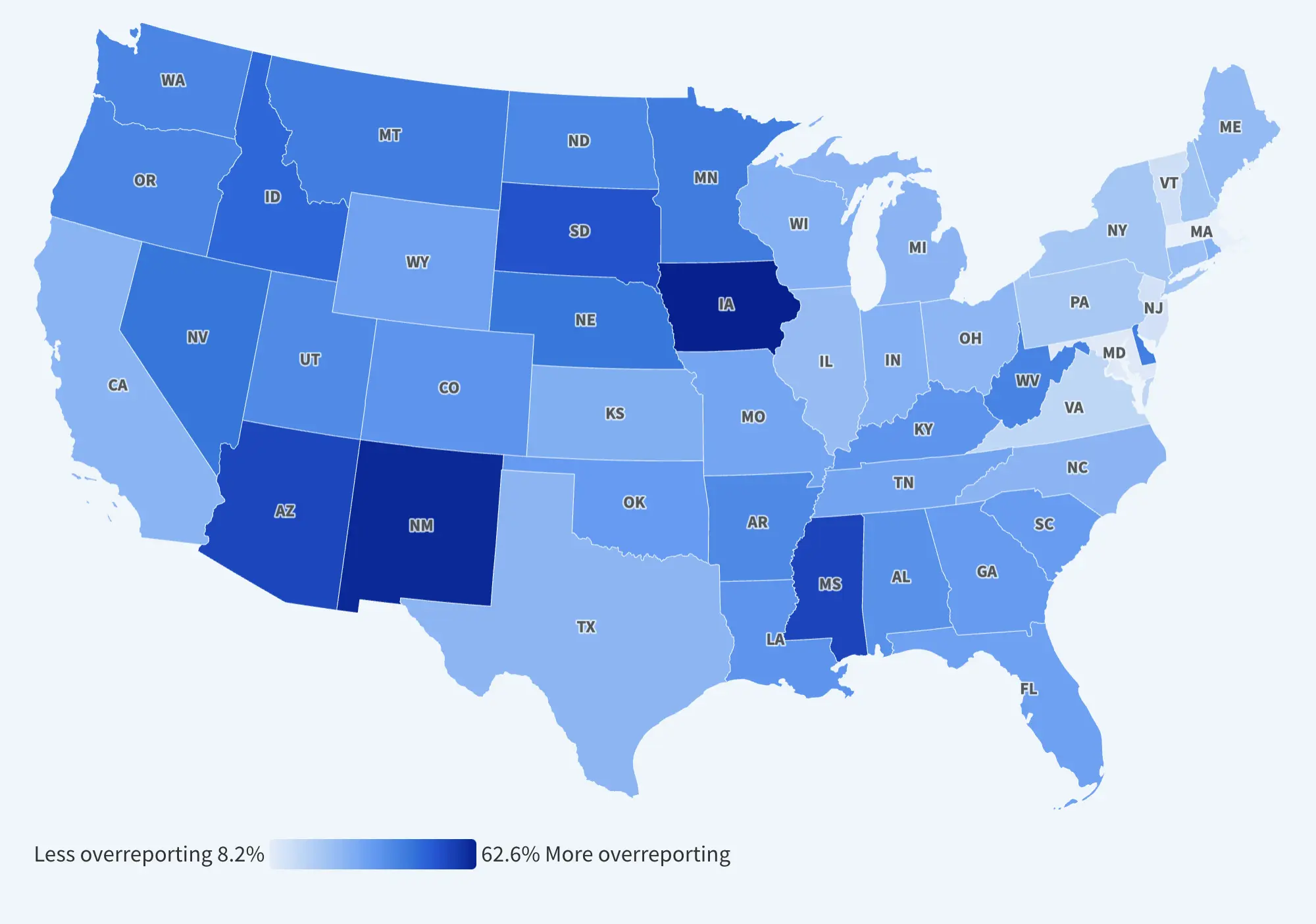 America’s Broadband Blind Spot: Audit Reveals Millions More Offline Than FCC Reports
 Africa’s Digital Darkness: Internet Shutdowns Reach Record High
 Lack of Broadband Competition Leads to Higher Prices in Most U.S. Counties
 Baltic Sea Infrastructure Targeted Amid Rising Geopolitical Tensions
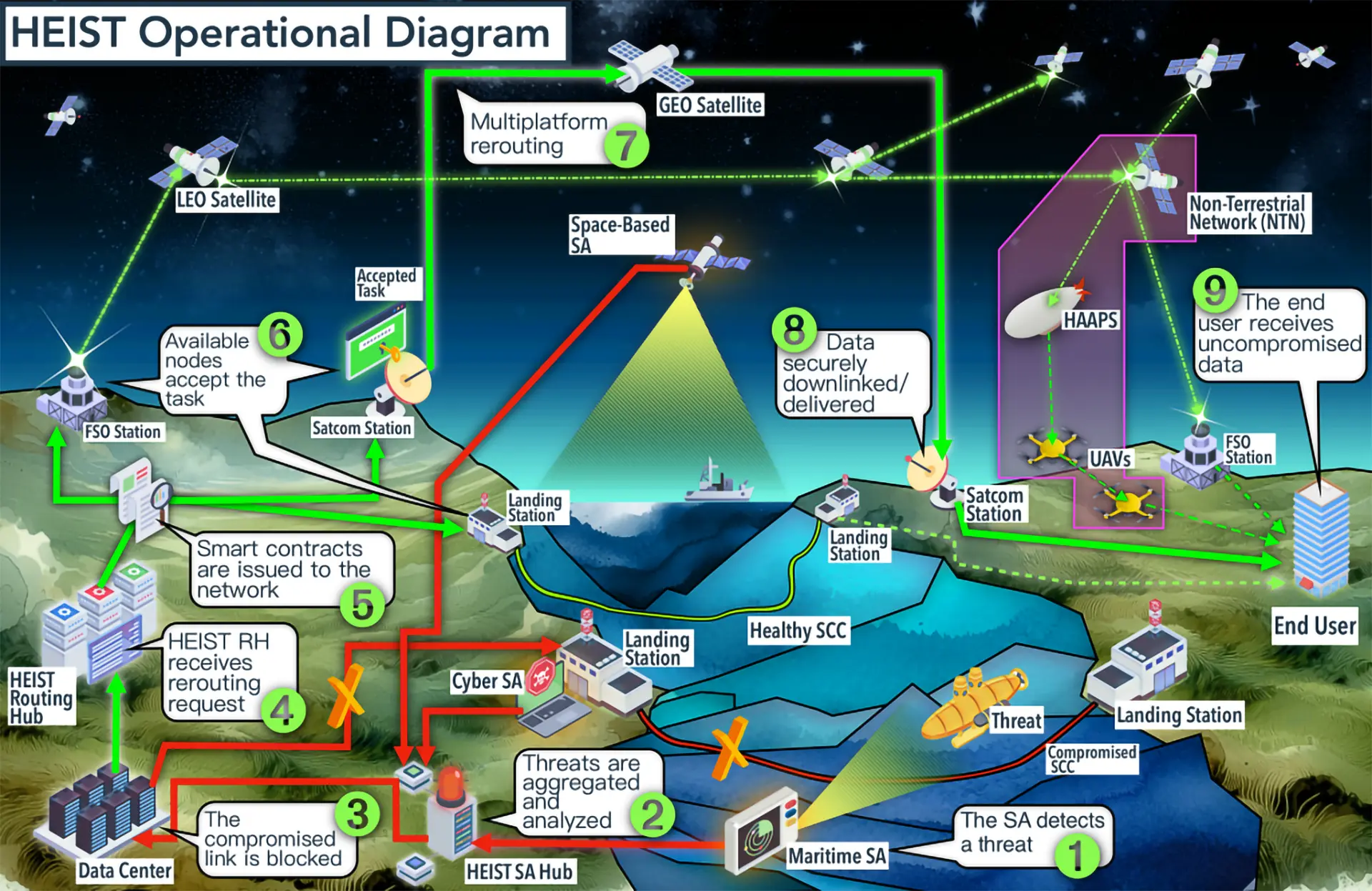 NATO’s Orbital Lifeline: A Backup Plan for the Internet
 Europe Seeks Space Independence with €10.6bn Iris² Satellite Network
 EU Internet Advocates Push Back Against Telecom “Fair-Share” Fees
 FCC Approves Starlink for Direct-to-Cell Service in Hurricane-Stricken North Carolina
A World-Renowned Source for Internet Developments. Serving Since 2002.
