MNopedia — A resource for reliable information about significant people, places, events and things in Minnesota history.

Virginia and Rainy Lake Company

The Minnesota firm that became the world's largest white pine lumber company overnight
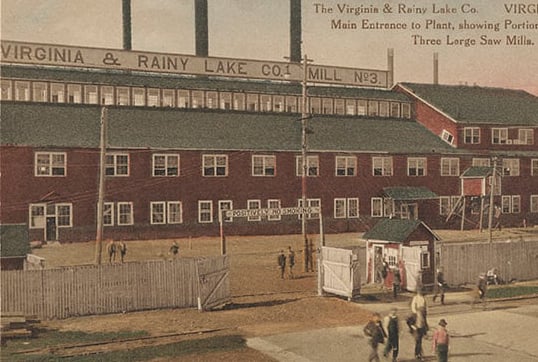
A four-story sawmill with a green roof, red walls, and pairs of windows across the horizontal access. People are in the foreground.

Fort Ridgely

A US military base in Nicollet County that operated between 1853 and 1867
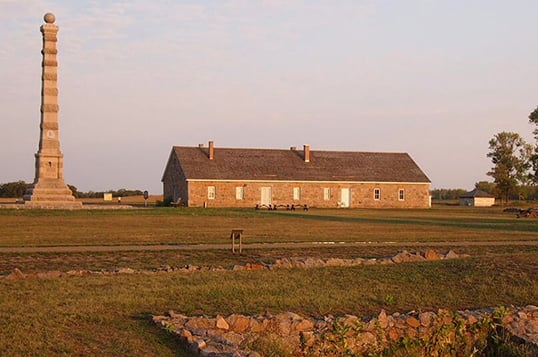
View of Fort Ridgey with stone foundation ruins in the foreground, a one-story building with two doors and six windows in the middleground next to a stone pillar, and a grey sky in the background.

Ȟaȟá Wakpádaŋ (Bassett Creek)

A waterway that flows through nine Minnesota cities

Creek with bright green foliage on either side and a blue sky with clouds above.

Stewart, Jacob Henry (1829–1884)

A doctor, mayor, congressman, and Civil War veteran
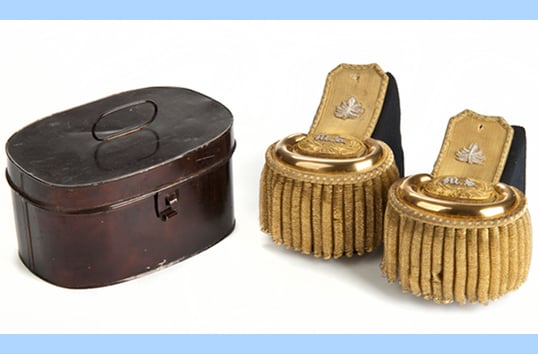
10247870.640x640_hero

Peterson Bluebird Nest Box

A conservation success story that started in Brooklyn Center
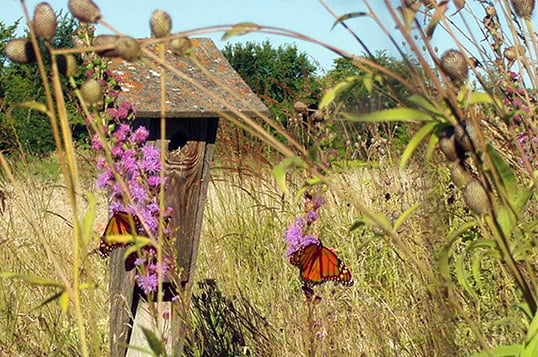
A field showing grass and trees in different shades of green. Three orange butterflies alight on stalks of flowers in the foreground.

Strutwear Knitting Company Strike

The longest of three major labor disputes in Minneapolis between 1935 and 1936
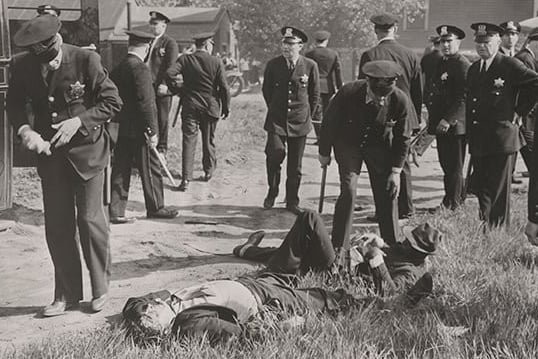
Strutwear Knitting Company strike

Hungry Mind (bookstore)

A tiny St. Paul bookshop that grew into a regional favorite with a national reach

Hungry Mind interior

Bohemian Flats

A resilient immigrant community in Minneapolis that outlasted floods and disease
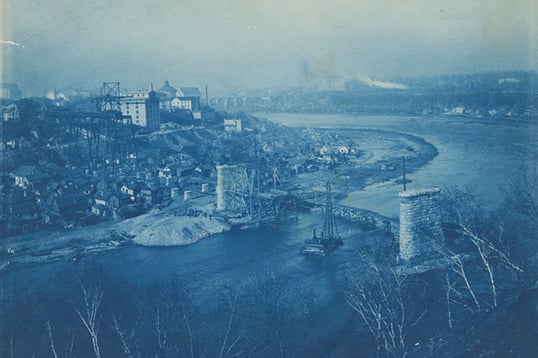
Bohemain Flats

Recently Added Articles

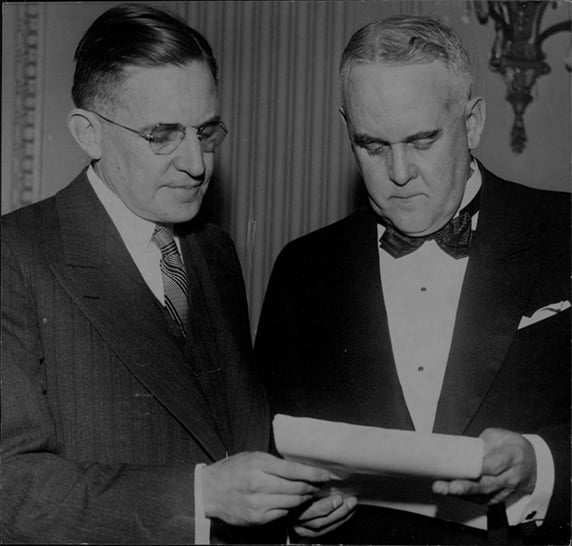
The torsos, heads, and hands of two men wearing ties. Both men are holding and looking at a piece of paper.
Creator: Paul Nelson
First Published: February 18, 2026
From its founding in 1903 until the mid-1930s, the Citizens Alliance of Minneapolis fought organized labor with vigor, determination, imagination, and money. It scored victory after ...
A basketball player in a blue uniform jumps toward a basket with a ball in hand. Three players wearing red uniforms surround her.
Creator: David Sandager
First Published: February 02, 2026
The Minnesota Lynx professional basketball franchise has competed in the Women's National Basketball Association (WNBA) since the 1999 season. The Lynx are the second professional women’s ...

This Day in Minnesota History (February 20)

1811

Henry H. Sibley is born in Detroit, Michigan. A major player early in the state's history, Sibley would be a fur trader, politician, businessman, military leader, and university regent. He died in St. Paul on February 18, 1891.

1855

The territorial legislature creates twelve counties, all named in honor of individuals who played a significant role in the state's history. Brown is named for pioneer Joseph R. Brown (see January 5); Carver for explorer Jonathan Carver (see January 31); Dodge for Wisconsin governor Henry Dodge and his son Augustus; Faribault for fur trader Jean Baptiste Faribault (see October 29); Freeborn for member of the territorial legislature William Freeborn; Mower for Stillwater lumberman John E. Mower; Olmsted for St. Paul mayor David Olmsted; Renville for fur trader Joseph Renville; Stearns for legislator Charles Thomas Stearns; Steele for pioneer Franklin Steele (see July 19); Todd for Fort Ripley commander John Blair Smith Todd; and Wright for New York statesman Silas Wright.

1862

More counties are created. Three are named for bodies of water; Big Stone for Big Stone Lake, Chippewa for the Chippewa River, and Traverse for Lake Traverse; and two for notable individuals; General John Pope, cartographer (see June 6), is honored with Pope County, and Isaac I. Stevens, railroad surveyor (see May 31), is remembered with Stevens County.

1992

Minnesota gets its taste of the nationwide savings and loan debacle when Hal Greenwood, Jr., former chairman and CEO of the failed Midwest Federal Savings and Loan Association, is sentenced by a federal judge in St. Paul to forty-six months in prison and ordered to forfeit $3.6 million. Following federal deregulation of the thrift industry during the 1980s, savings and loans around the country had become over-extended, and many engaged in loans without sufficient reserves to cover themselves if the loans failed. Greenwood was one of the few savings and loan officials to be sentenced.

History Near You

Choose a location on the map to see history near you.

Please wait, the pin is being added to the map.

Find this resource helpful?

Make a donation to support our work preserving and sharing the places, artifacts and stories that make Minnesota’s history meaningful.