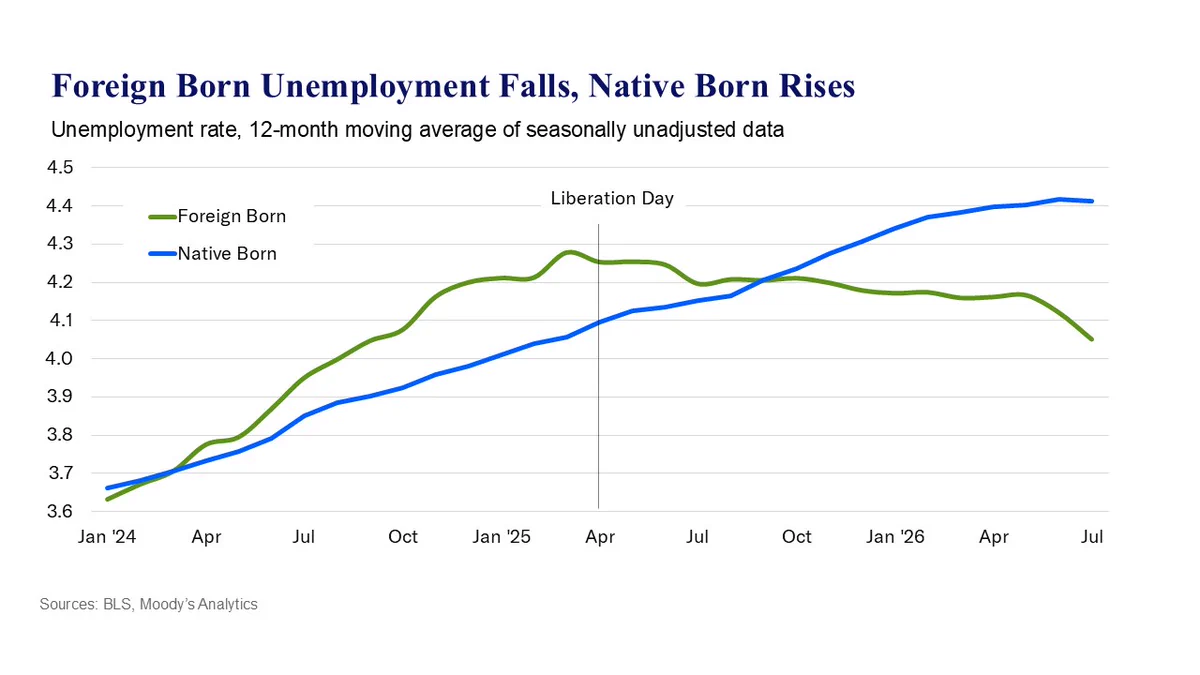
The job market is struggling — and not just for foreign-born workers. Native-born workers are having a tough go of it, too. It wasn’t supposed to be this way, according to proponents of stiffer immigration policy. Fewer immigrant workers meant more jobs and higher wages for the
Chief Economist @economics_ma. Host of Inside Economics podcast bit.ly/3nTDcog. Co-founder of Economy.com. Views expressed here are my own.
Joined March 2010
- There’s no sugar coating the overarching message in the July jobs report – the economy is struggling. Job growth is at a virtual standstill, and concentrated in a few sectors. While unemployment is low, that’s only because those losing their jobs are leaving the workforce, too
- Suddenly, there is a new potential threat to the economy – a serious mistake by the Federal Reserve. This risk was brought to the fore by this past week’s FOMC meeting. I’m not concerned about the Fed’s decision to keep rates unchanged. My concern is that policymakers are
- The economy is soft and vulnerable. This is the clear message in today’s GDP, income, and spending data. Abstracting from the vagaries of the data, real GDP growth is at best 2%, driven largely by AI-related investment and wealth effects that support consumer spending among the
- Interest rates have steadily risen since the start of the Iran War, and are an increasingly heavy burden on the economy. The 10-year Treasury yield, which had dipped below 4% prior to the start of the war, is now flirting with 4.7%. Borrowing costs have jumped, including the

