1. X
  2. Science Magazine
Log inSign up
Science Magazine
48.3K posts
Science Magazine profile banner
user avatar

Science Magazine

@ScienceMagazine
Cutting-edge research, news, commentary, and visuals from the Science family of journals. Follow @NewsfromScience for stories from our News team.
Washington, DC & Cambridge, UK
science.org
Joined April 2009
457
Following
4.7M
Followers
RepliesRepliesMediaMedia
  • Pinned
    user avatar
    Science Magazine
    @ScienceMagazine
    Aug 13
    Long before intensive human fishing began, Pacific reefs naturally supported far more sharks than Caribbean reefs, according to a new Science study. The findings, based on an analysis of fossilized shark scales, suggest that differences in ocean productivity—and not fishing
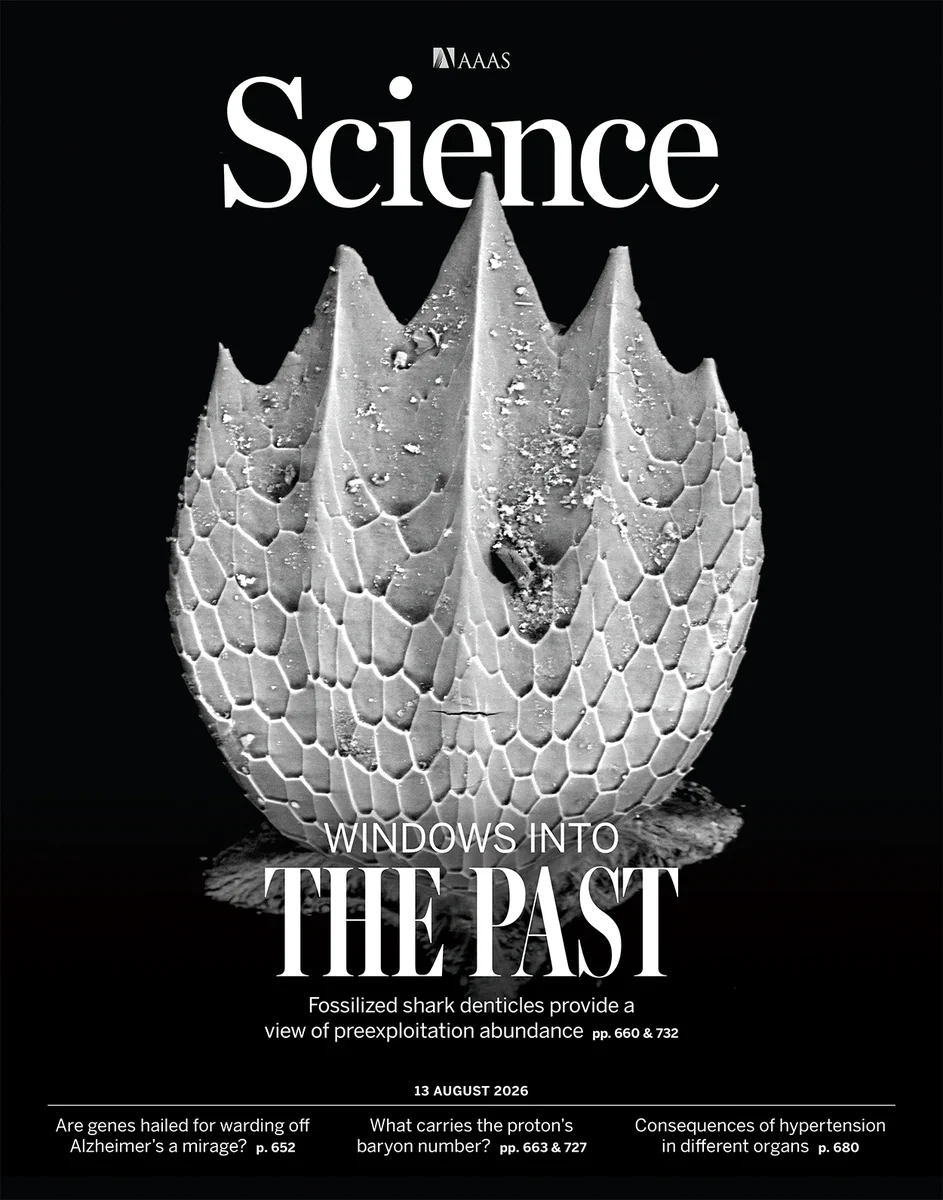
    This scanning electron microscope image shows a dermal denticle from a great hammerhead shark (Sphyrna mokarran). Ridges and other features on these toothlike scales reduce drag in fast-swimming sharks. Denticles are shed and preserve in marine sediments, recording past shark assemblages. Fossil denticles from Panama show that Pacific reefs supported 20 times as many sharks as Caribbean reefs before human exploitation and that Caribbean populations have since declined by 75%.

Credit: Erin Dillon and Jorge Isaac Ceballos
  • user avatar
    Science Magazine
    @ScienceMagazine
    46m
    These blood-sucking arachnids can’t leap, but it turns out they can fly. Their secret? Static electricity. Learn more: scim.ag/4l6u9tS #ScienceMagArchives
    Image
    00:00
  • user avatar
    Science Magazine
    @ScienceMagazine
    19h
    A new analysis in Science of more than 116,000 bird songs has revealed that the astonishing variety of passerine birdsong is built from just eight basic acoustic motifs, like trills, whistles, and harmonic notes. The findings also reveal that local environments greatly shape
    Image
    00:00
  • user avatar
    Science Magazine
    @ScienceMagazine
    22h
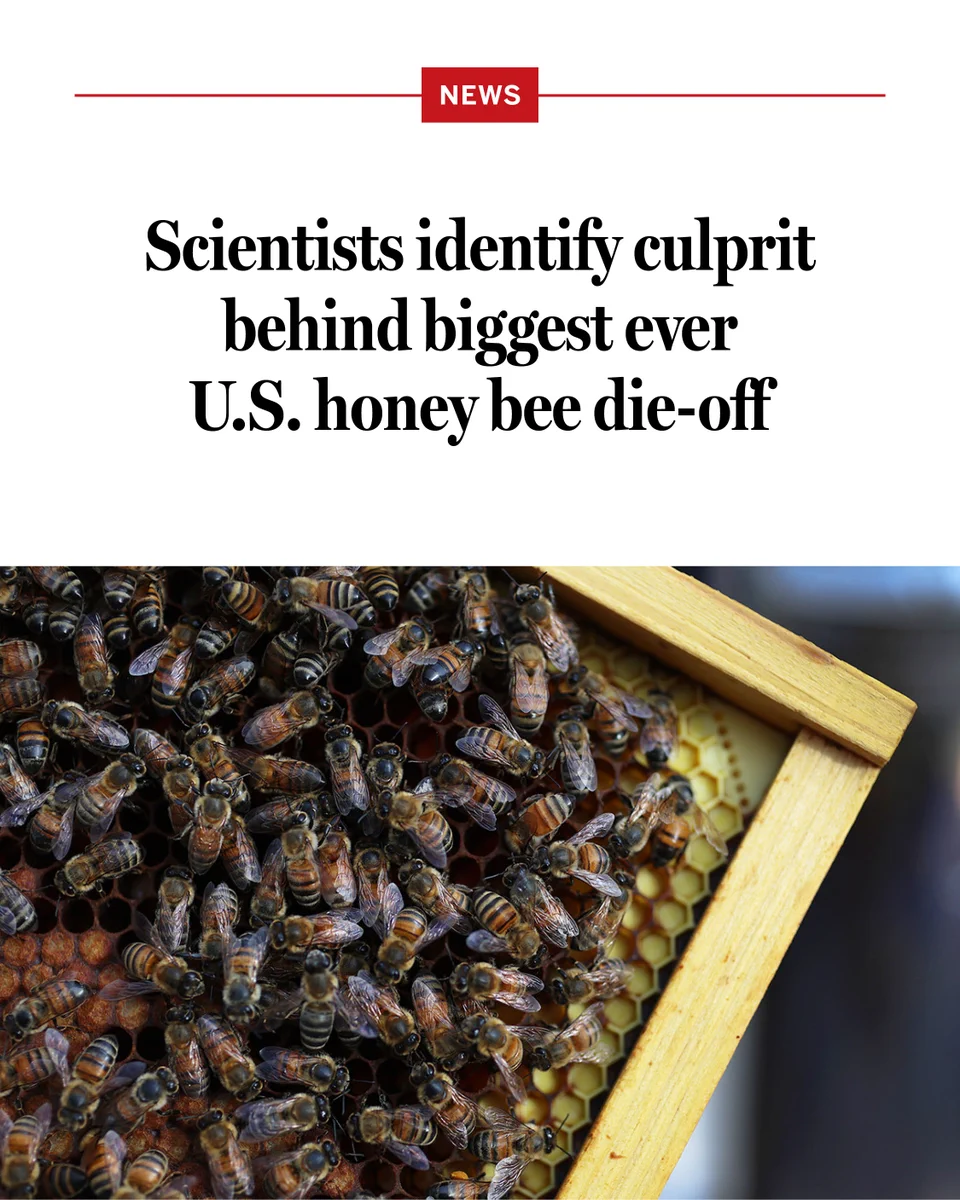
    Between June 2024 and January 2025, a full 62% of commercial honey bee colonies in the United States died, according to an extensive survey.⁠ ⁠ As soon as scientists at the U.S. Department of Agriculture (USDA) caught wind of the die-offs, they sprang into action—but their
    Scientists identify culprit behind biggest ever U.S. honey bee die-off
  • user avatar
    Science Magazine
    @ScienceMagazine
    Aug 15
    Key human defenses against pathogens were forged billions of years ago in microbial battles with viruses. Learn more: scim.ag/3PxR2go @NewsfromScience
    Image

Log in or sign up for X

See what’s happening and join the conversation

Continue with phone
or
Log in with username or email
Terms·Privacy·Cookies·Accessibility·Ads Info·© 2026 X Corp.
Advertisement
Advertisement