The "DeFi mullet" thesis says fintech stays in the front while DeFi runs the back end, and stablecoins are proving the point.
@hexonaut, CEO and Co-Founder of @sparkfinance, tells @RemyBlaireNews Robinhood's new stablecoin Earn program already taps into deep on-chain liquidity,
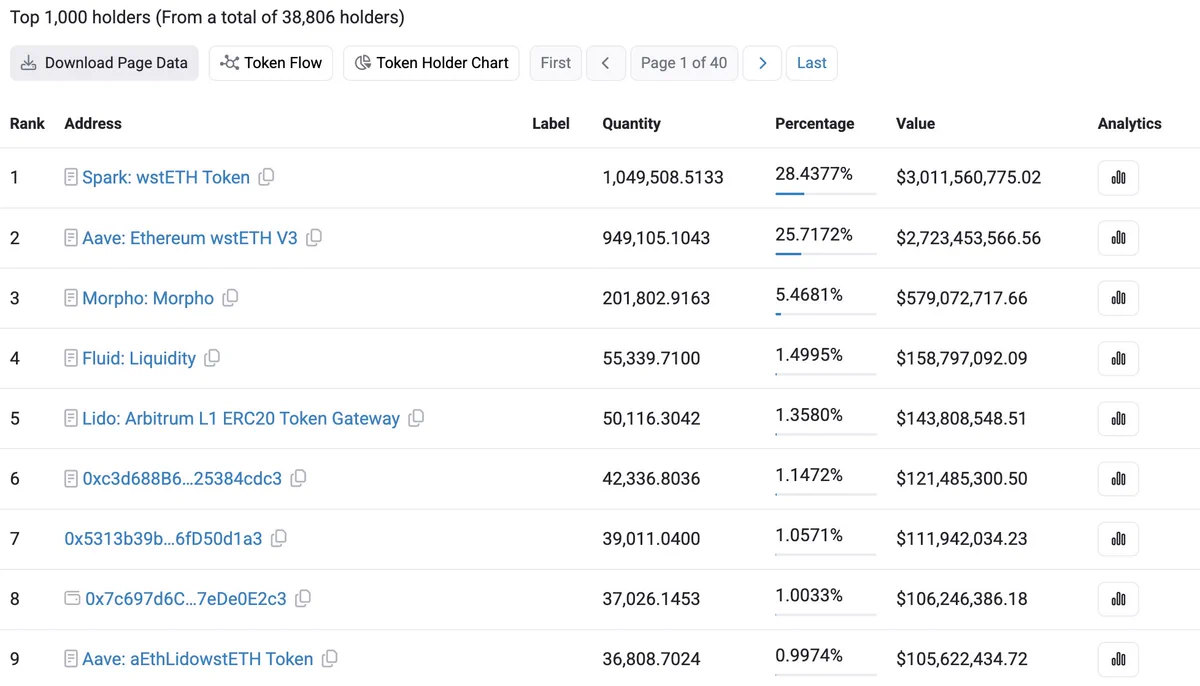
wstETH accounts for over $3B of the +$6.8B supplied to SparkLend.
ETH-linked assets are about 62% of the total and wstETH is held almost entirely as collateral rather than lent out.
On SparkLend, the last 30 days of stablecoin borrow growth concentrated on the same collateral
Hayden is right.
What @BrianInCrypto doesn't include is on-chain stablecoins such as USDS, where holding the balance sheet transparently on-chain benefits depositor confidence.
This changes the economics of AMMs when USD liquidity is no longer scarce. You can do things like
You're talking about AMM inefficiencies while ignoring glaring inefficiencies of the system in which you worked, all the ways AMMs will improve, and the broader point on cost of capital / changing the profile of who makes markets
Answer these two questions:
Why does Uniswap
Spark Savings on the Robinhood chain now carries an independent Credora risk rating.
@sparkfinance Savings USDG: A. Probability of Significant Loss (PSL) of 0.15% annually.
Rated at the point of deposit. Monitored daily.