Canvas
Plagiarism &
AI Content Checker

Seamlessly bring the power of Copyleaks to your Canvas platform.

Canvas Logo

An All-In-One Solution for Academic Integrity

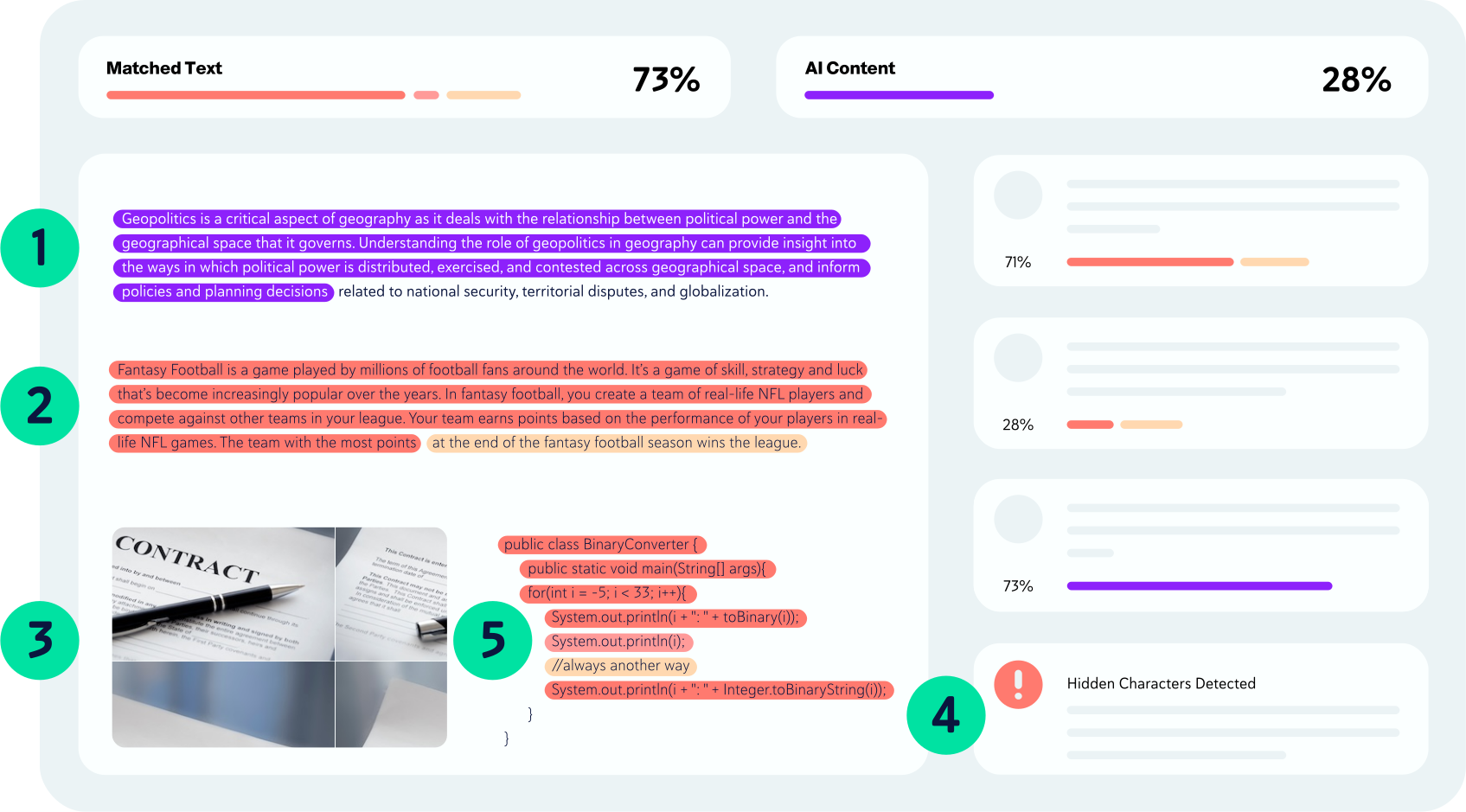
Maintaining authenticity in the classroom shouldn’t have to come at an extensive cost. Many of our competitors force educators to choose between adding features or breaking the bank on “add-on” tools. Copyleaks provides a comprehensive, unified solution that integrates every tool you need, including AI Detection, Plagiarism Detection, and Grammar Checker all in one platform.

Report on the History of Cheese
Dec 21st, 2024 at 9:30AM Group A Seulgi Kim

Cheese has been around for thousands of years, and its origin is a bit of a mystery. Historians believe cheese was discovered accidentally by ancient people who were storing milk in containers made from animal stomachs. The natural rennet in the stomach lining could have caused the milk to curdle and separate into curds and whey.

People likely tasted the curds and found them to be a delicious, more solid version of milk, and that's how cheese might have been born. It's believed that this first discovery happened sometime around 8000 BCE, when humans began domesticating animals like cows.

As people realized they could make cheese, they started experimenting with different types of milk and methods of preparation. The earliest cheese makers were probably nomadic herders in the Middle East or Central Asia.

Overview

Quick Summary

  • Plagiarism: Decreased to 0%, from last assessment.
  • AI-Generated Content: 32% of the content is AI-generated.
  • Writing Errors: No errors, fewer than average.
  • Historical Author Data: The current assignment plagiarism score of 0% is lower than the average rate of 27%.
Tell Me More Rewrite
Last 90 Days
152
Total Scans
Detection Instances
Contains Writing Corrections 50
Contains AI Text 120
Contains Matching Text 90
No Issues Found 12
Graded
299
Cheats found
23
Originality Over Time
AI Content Detection Avg. 65%
Matching Text Avg. 56%
80% 60% 40% 20% 0% SCORE APR 23 MAY 23 JUN 23 JUL 23 AUG 23 SEP 23 OCT 23 NOV 23
Writing Corrections
80 60 40 20 0 SCORE APR 23 MAY 23 JUN 23 JUL 23 AUG 23 SEP 23 OCT 23
Report on the History of Cheese
Dec 21st, 2024 at 9:30AM Group A Seulgi Kim

Cheese has been around for thousands of years, and its origin is a bit of a mystery. Historians believe cheese was discovered accidentally by ancient people who were storing milk in containers made from animal stomachs. The natural rennet in the stomach lining could have caused the milk to curdle and separate into curds and whey. People likely tasted the curds and found them to be a delicious, more solid version of milk, and that's how cheese might have been born. It's believed that this first discovery happened sometime around 8000 BCE, when humans began domesticating animals like cows.

As people realized they could make cheese, they started experimenting with different types of milk and methods of preparation. The earliest cheese makers were probably nomadic herders in the Middle East or Central Asia.

There are too many subjective statements here, without presenting objective information or concrete to corroborate or support the opening paragraph on the origins of cheese.
1 reply
Understood. Thanks for the feedback Professor!
Enter reply
Report on the History of Cheese
Dec 21st, 2024 at 9:30AM Group A Seulgi Kim

Cheese has been around for thousands of years, and its origin is a bit of a mystery. Historians believe cheese was discovered accidentally by ancient people who were storing milk in containers made from animal stomachs. The natural rennet in the stomach lining could have caused the milk to curdle and separate into curds and whey.

People likely tasted the curds and found them to be a delicious, more solid version of milk, and that's how cheese might have been born. It's believed that this first discovery happened sometime around 8000 BCE, when humans began domesticating animals like cows.

As people realized they could make cheese, they started experimenting with different types of milk and methods of preparation. The earliest cheese makers were probably nomadic herders in the Middle East or Central Asia.

Matching Results (35)
Internet12%
This Batch32%
AI Source Match65%
Report on the History of Cheese
Dec 21st, 2024 at 9:30AM Group A Seulgi Kim

Cheese has been around for thousands of years, and its origin is a bit of a mystery. Historians believe cheese was discovered accidentally by ancient people who were storing milk in containers made from animal stomachs. The natural rennet in the stomach lining could have caused the milk to curdle and separate into curds and whey.

People likely tasted the curds and found them to be a delicious, more solid version of milk, and that's how cheese might have been born. It's believed that this first discovery happened sometime around 8000 BCE, when humans began domesticating animals like cows.

As people realized they could make cheese, they started experimenting with different types of milk and methods of preparation. The earliest cheese makers were probably nomadic herders in the Middle East or Central Asia.

AI Content Found
80%
AI Logic
Image AI Source Match New 3 Results
88.8%
Image AI Phrases 44 Phrases
93x
964x
Report on the History of Cheese
Dec 21st, 2024 at 9:30AM Group A Seulgi Kim

Cheese has been around for thousands of years, and its origin is a bit of a mystery. Historians believe cheese was discovered accidentally by ancient people who were storing milk in containers made from animal stomachs. The natural rennet in the stomach lining could have caused the milk to curdle and separate into curds and whey.

People likely tasted the curds and found them to be a delicious, more solid version of milk, and that's how cheese might have been born. It's believed that this first discovery happened sometime around 8000 BCE, when humans began domesticating animals like cows.

As people realized they could make cheese, they started experimenting with different types of milk and methods of preparation. The earliest cheese makers were probably nomadic herders in the Middle East or Central Asia.

Readability Score: Very easy to read
Corrections (305)
Grammar 200 CORRECTIONS
Sentence Structure 20 CORRECTIONS
Word Choice 20 CORRECTIONS
Mechanics 20 CORRECTIONS
Chronological

A Seamless Canvas Experience

Inspire learning and error-free writing while keeping everything you need in one convenient place with a Copyleaks Canvas integration.

Take it beyond word-for-word detection with the only platform that:

Introducing AI Logic

AI Logic is a layered detection approach that blends multiple analysis methods to better understand how AI may have influenced a piece of text. With more transparency and reasoning about AI Detector results, equip instructors to approach teachable moments with confidence.

AI Source Match

Assesses if any part of the text matches AI-generated content already published elsewhere.

AI Phrases

Detects phrases that appear with higher frequency in AI-written text than in human writing.

NEW FEATURE

Overview: Grade Smarter, Not Harder.

Grading shouldn’t be a time-consuming hunt for insights. With Overview, you get the key information you need—fast.

Save Time, Grade Faster

No more sifting through reports. Get instant, at-a-glance insights.

Image

Spot Recurring Issues

Identify patterns and help students where they need it most.

Effortless Clarity

Overview highlights essential data so you can focus on what matters.

An Industry First

No other platform gives this level of transparency and efficiency.

LMS Integration Features

Image

Crossref Metadata Integration

Include bibliographic data checks in your workflow. Identify published content that appears in scanned text and retrieve its precise citations to prevent accidental plagiarism.

Grammar Checker example

Grammar Checker

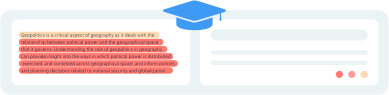
Empower the writing process with a comprehensive solution for grammar corrections, sentence structure, tone suggestions, and overall mechanics without worrying about getting flagged as AI.

Learn more here.

Source code scanning example

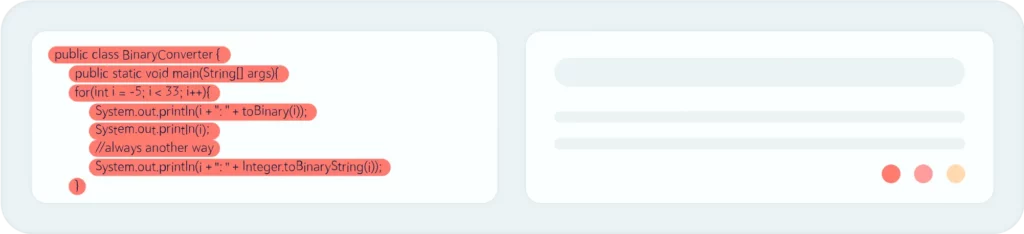
Source Code Detection

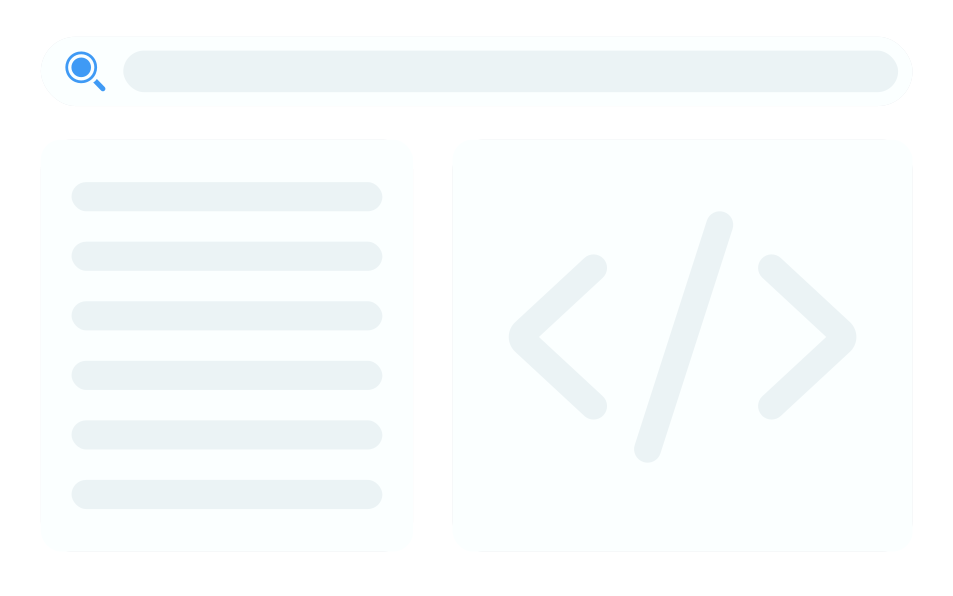
Copyleaks is the only platform to verify source code for originality and authenticity, including AI-generated code, recognize potential code plagiarism, and detect modified code.

Cross-Language Plagiarism Detection

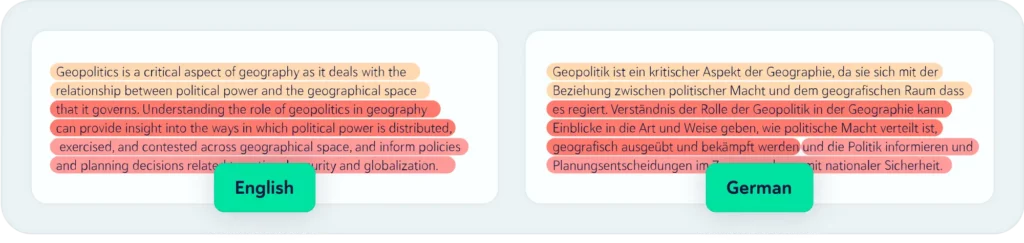
Determine if a document was plagiarized from another language through online translation, with matching capabilities in over 30 languages, including Spanish, Chinese, German, and Portuguese.

Cross Language scanning example

Go Beyond Assignments

Expand your scanning options beyond assignments; upload files or simply paste text from discussion boards, quizzes, or anything else you want to run a scan on.

Image

You’re In Control

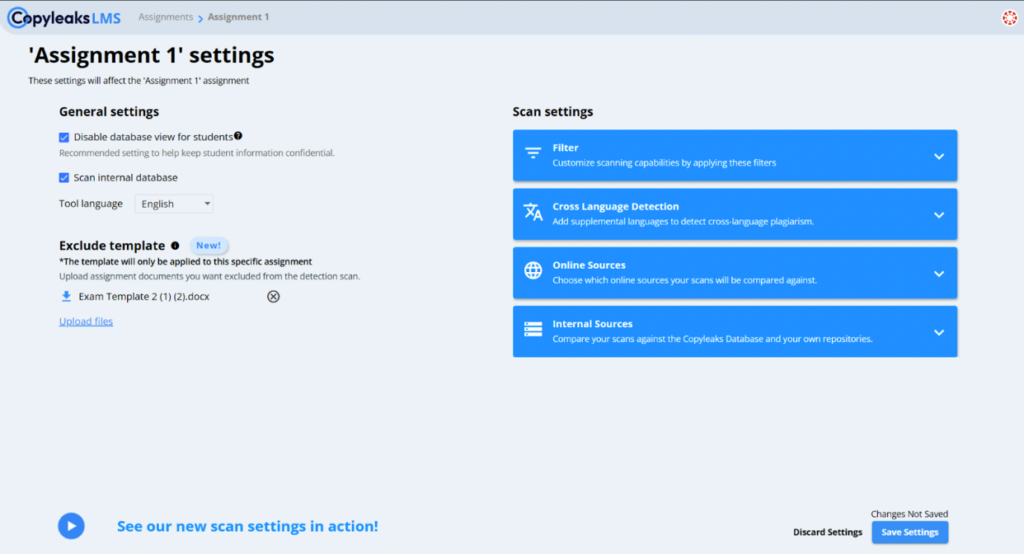
Admins can decide what scan settings are universal and which can be adjusted based on the classroom needs. Plus, teachers can adjust scan settings based on assignments and decide how much student access they want to grant.

Image

Unparalleled Search

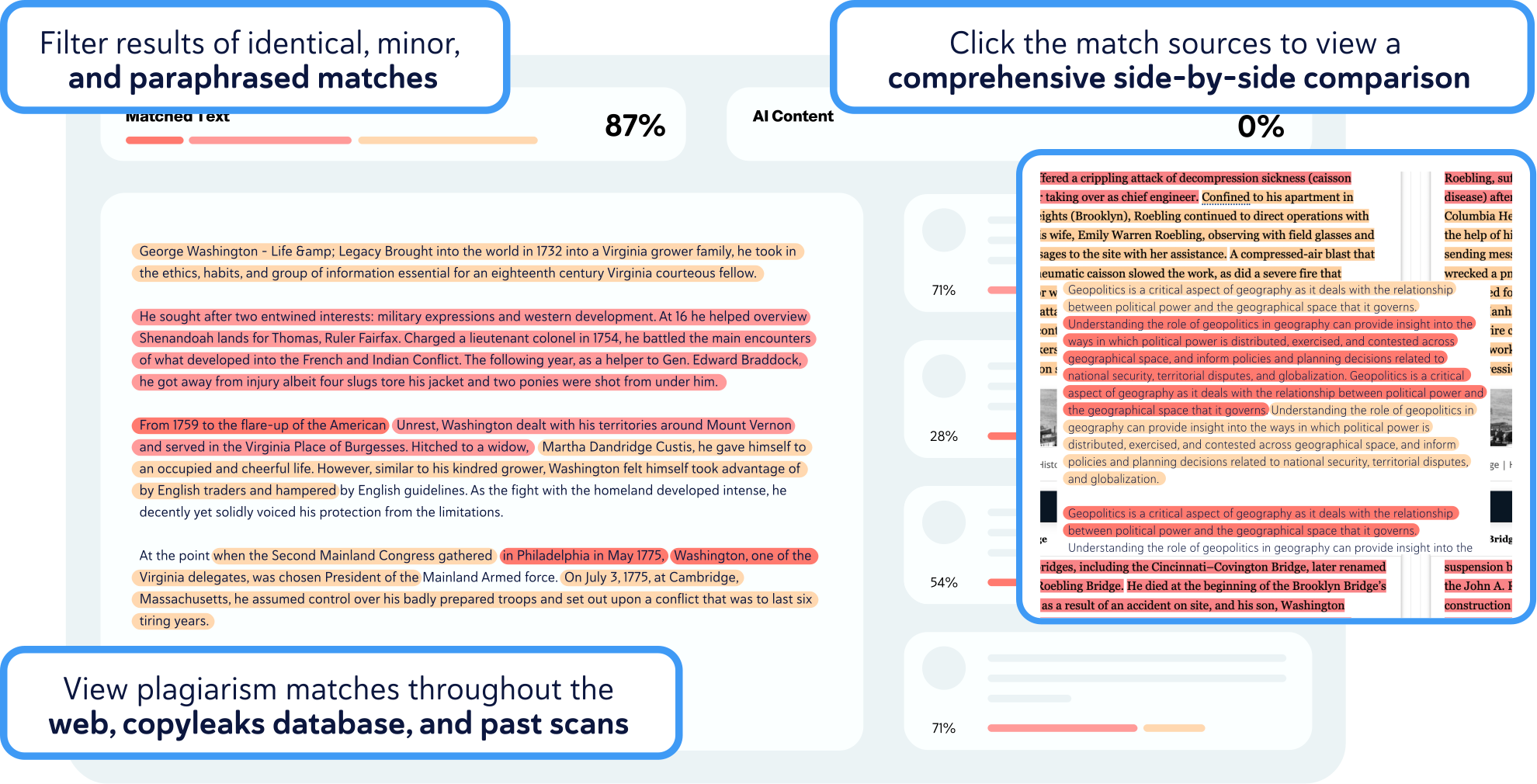
Along with the ability to read over 100 human languages, every scan searches across trillions of pages of original content, plus:

  • 60 trillion websites
  • 1M+ internal documents
  • 16,000+ open-access journals
  • 20+ code data repositories
Source examples

More Informed Scans with Template Exclusion

As part of the Canvas integration, teachers can upload templates to exclude specific text when running a scan on a student’s assignment, preventing similar content detection regarding original questions, prompts, and more. 

Template Exclusion
Assessment Tool Interface
Assesment Tool Commenting

Elevate The Learning Experience with AI Assessment

AI Assessment provides a real-time overview, strengthens teacher-student interactions, and enhances learning outcomes–all within your LMS. Save time and establish streamlined feedback for a seamless learning experience.

Copyleaks Interactive report

A Fully Interactive Reporting Experience

Get a clear, comprehensive, and fully interactive report with every scan and customize it to see the information relevant to you and your students. Plus, there’s the option to download PDF reports and share them with your students.

Account Analytics

Account Analytics

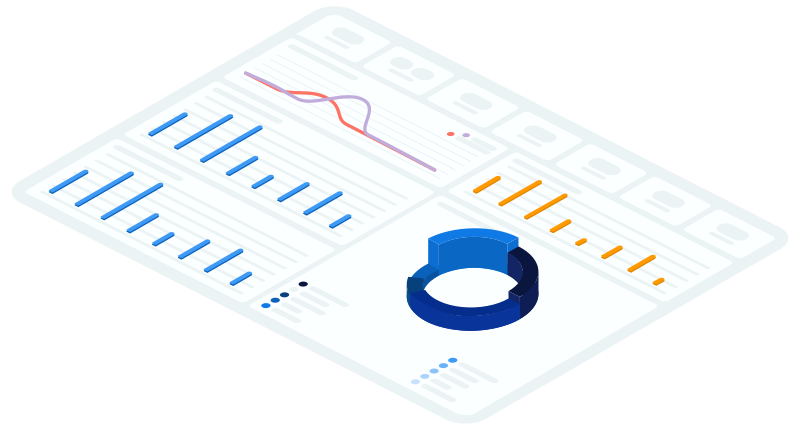
Analytics provides admins and educators with historical data on student submissions, allowing them to monitor recurring trends and make informed decisions about AI use, plagiarism, and more.

Full-Military Grade Security

A cloud-based system architecture, military-grade 256-bit encryption with SSL connection, and 100% HTTPS data transferring ensure your complete safety and security.

Visit the Security and Compliance pages.

Ready to get started with the LMS integration for Canvas?