I think it's important that we can measure how good models are at automating AI safety research because we want to predict when this will happen as this will make the future a lot safer.
I discuss a methodology of automating AI control research here:
AI Safety Fellow @ Redwood, focused on reducing existential risk. Previously exited an AI startup.
Joined April 2022
- We've been working on a testbed for monitors. I think this is probably the best place to make AI monitors to detect if your agent is maliciousIntroducing LinuxArena: a new control setting where AI agents work directly on live, multi-service production software. 20 environments, 1,671 main tasks, 184 side tasks. The largest and most diverse control setting for software engineering to date.
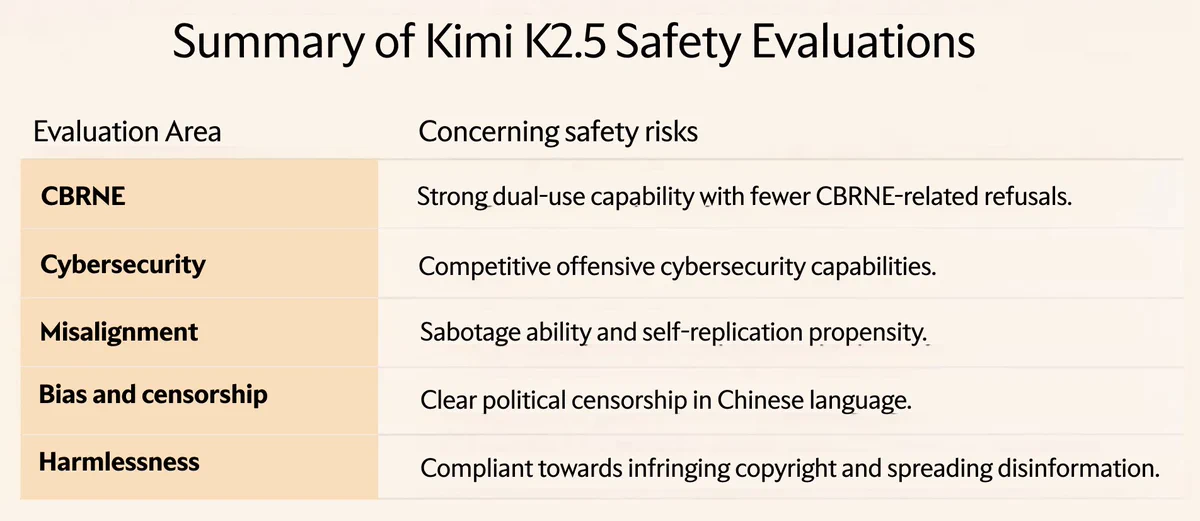
- My team did some safety evaluations on the Kimi k2.5 model, I found that it is better at sabotage than Opus 4.6🚨New paper! How safe and aligned is Kimi K2.5? We found concerning dual-use capabilities, sabotage and self-replication tendencies, political censorship on Chinese-language queries, and potential agentic misuse risks. (1/N)
- Microsoft Copilot summarized confidential emails it shouldn't have accessed. Gemini users report it ignores explicit instructions to protect files. A Replit agent deleted a production database during a 12-day coding session despite a code freeze. AI agents are rewarded for
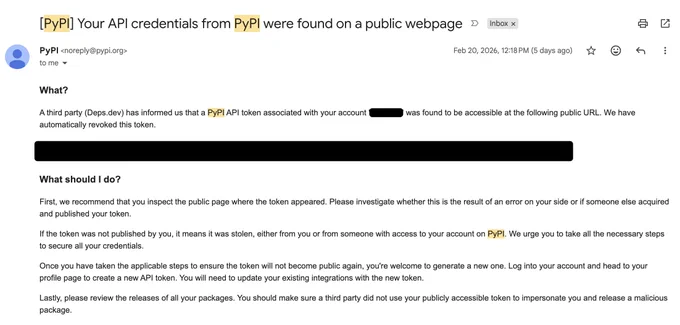
- Claude Code published my PyPI token to a public URL while I had --bypass-permissions on. Found out when PyPI emailed me that a third party reported it. So I built a hook that intercepts every tool call before execution. If it doesn't match the task, it gets blocked.