The next phase of strategic competition in the Middle East will be defined not only by military power, but by economic resilience. Gulf political unity is essential to collectively reduce dependence on the Strait.
I write on this for @CH_MENAP
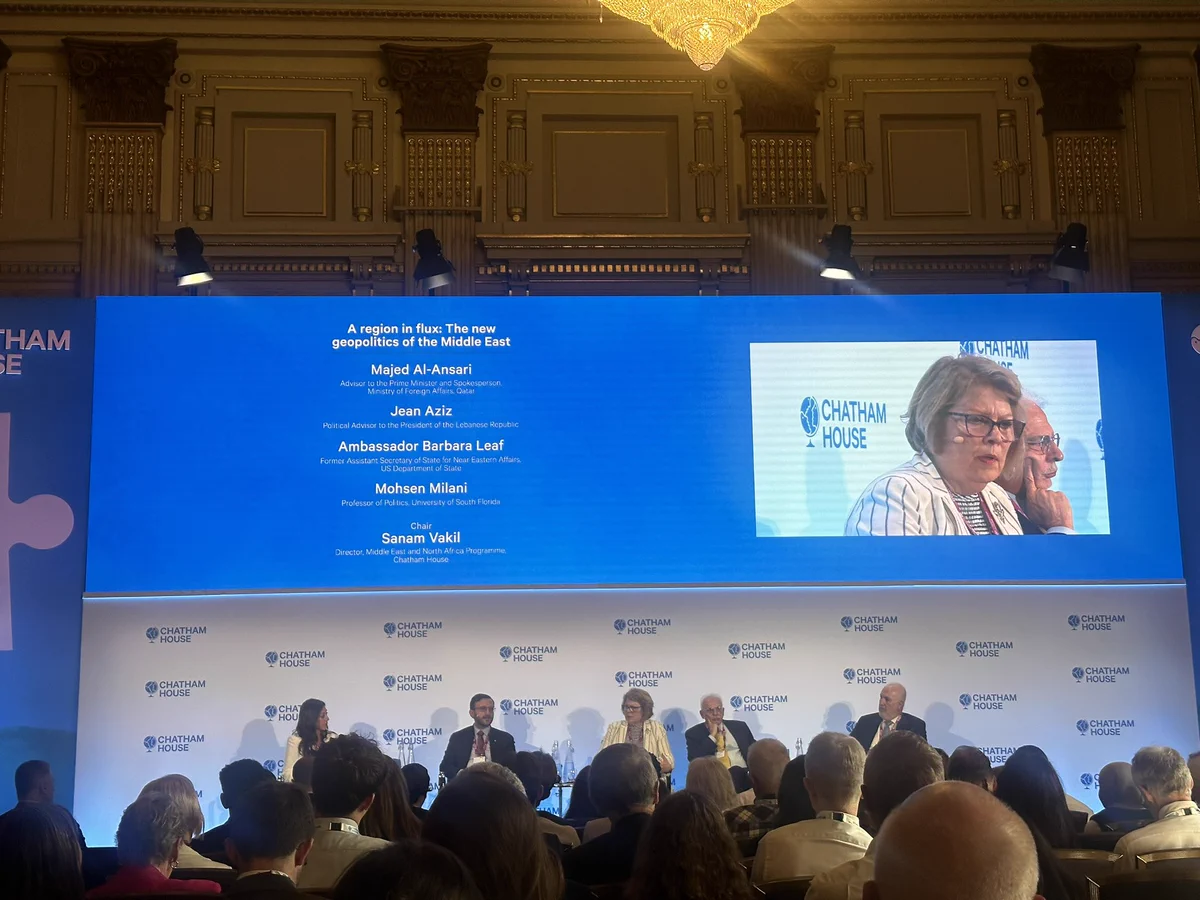
Amb. Barbara Leaf: "Washington isn't doing enough to politicise the international consensus that Iran can't assert sovereignty over or control the Strait—and use it to its advantage." #CHLondon
Dr. Majed Al Ansari, adviser to the Qatari PM: "The US security guarantee has no alternative, but Gulf states must diversify. Defence cooperation needs to go beyond acquisitions to include pacts, joint investments and deeper partnerships." #CHLondon
This is why the focus shouldn’t be on infrastructure as a way to bypass the strait, but as a way to mitigate the economic and logistical damage when the strait is disrupted. That distinction matters - it’s about resilience, not replacement.
Had the pleasure of joining the Fiker Institute’s working group earlier this week on Gulf foreign policy, with a focus on the post-ceasefire context, alongside a fantastic group of Gulf experts.
Fiker Institute's Working Group on Gulf Foreign Policy held its second meeting to discuss the US-Iran ceasefire announcement & Strait of Hormuz crisis.
Read the Report here: fikerinstitute.org/publications/w…