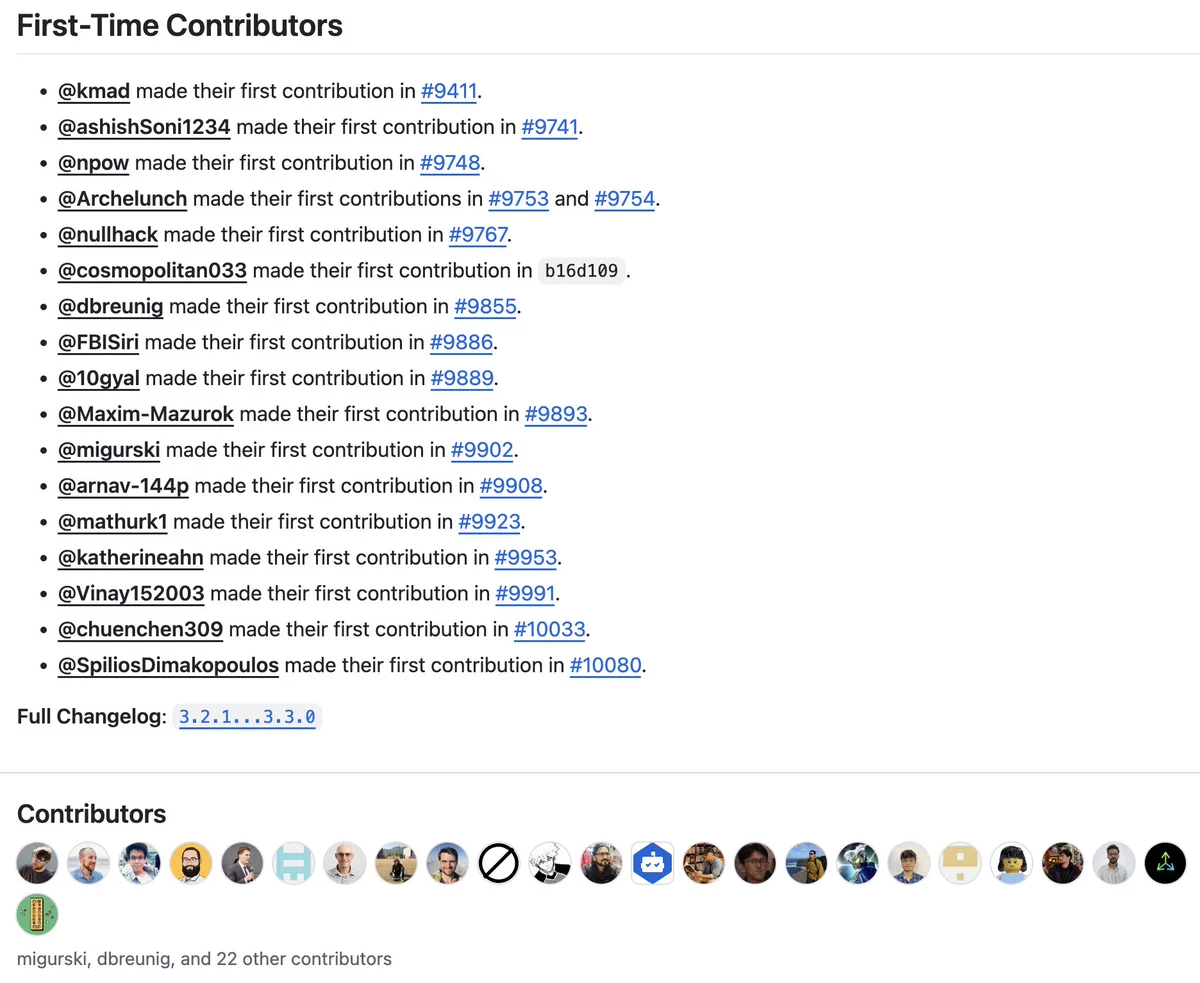
OK but that “without symbols” bothers me 😅.
We definitionally created RLMs as (1) “symbolic recursion” over (2) symbolic references to the prompt.
RLMs excel at compositional generalization *because* they’re neurosymbolic. Good luck getting a vanilla Transformer to match that.
- haven’t been doing much of the last one on that list for a few months wowi'm a simple guy, i log in, retweet the latest colbert model, quote the latest gepa update, amplify the latest RLM usecase, like the latest product blog on using dspy, write a quick pun or two, and log out
- user-facing RLMs !Introducing Prime Agent: A self-improving RLM harness for coding and long-running autonomous tasks. Designed to be both token-efficient and expressive through programmatic tool calling, context as a variable, multi-agent messaging, and a self-modifiable harness state.
- RLMs crushing it.Replying to @PrimeIntellectPrime Agent is a general-purpose coding harness On ARC-AGI-3, it scores 95.5%, surpassing the human-expert baseline, but the gain is not benchmark-specific. We see major improvements across models when compared to their proprietary harnesses:
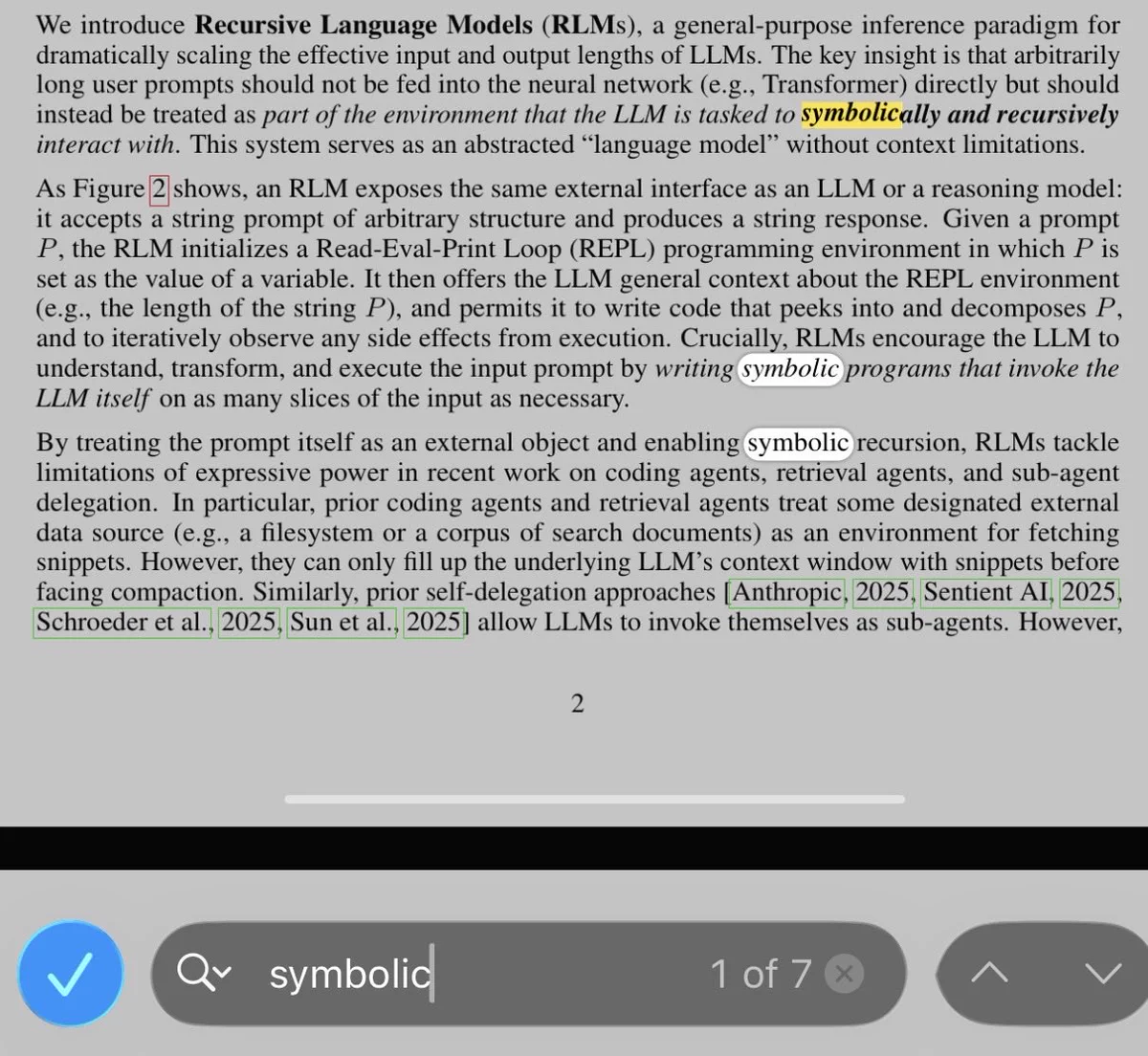
- man, we’re so extremely lucky to have @isaacbmiller1 as lead maintainer! also wow it took me longer than i’d like to admit to realize that the list below shows only the *first-time* contributors who contributed to 3.3.0! many familiar names. thank you folks for contributing.DSPy 3.3.0 is out! 3.3.0 expands what DSPy can optimize and how it connects to LMs: - dspy.Flex is a Module that allows GEPA to optimize the code, as well as the prompt, of a program. - dspy.ReActV2 adds native and parallel tool calling over dspy.ReAct - A new typed,