













Why Most Web3 talent is shunning "Big Crypto"?
Join the Survey

Apply for Regulatory Compliance Jobs in Leading Crypto & Web3 Companies

Clear Search
Sort

Updated

RSS feed
verdigris Holding
95k-140k/year
TradingRemoteWeb33w
Prime Albania
26.4k-30k
RemoteComplianceWeb31w
JPMorgan Chase & Co 📍 New York, NY, United StatesWeb3EngineeringNon Tech4w
JPMorgan Chase & Co 📍 Jersey City, NJ, United StatesWeb3EngineeringNon Tech4w
JPMorgan Chase & Co 📍 Jersey City, NJ, United StatesWeb3EngineeringCompliance3w
JPMorgan Chase & Co 📍 TX, United StatesWeb3Non TechExchange1w
JPMorgan Chase & Co 📍 Kwun Tong, Kowloon, Hong KongWeb3SalesExecutive1w
JPMorgan Chase & Co 📍 New York, NY, United StatesWeb3EngineeringNon Tech2d
Bitso 📍 Latin AmericaWeb3ResearchTrading4w
Deloitte
102.5k-188.9k/year
📍 Multiple locations in the United States including Boston, Chicago, Jericho, Jersey City, New York, Philadelphia, Princeton, StamfordWeb3KYCLegal4w
eToro
70k-80k/year
📍 United StatesWeb3AnalystCompliance4w
eToro
110k-130k/year
📍 Hoboken, NJWeb3MarketingTrading4w
Bitso 📍 Latin AmericaWeb3ResearchTrading4w
Bitso 📍 MéxicoWeb3ResearchTrading4w
Kraken RemoteWeb3EngineeringNon Tech4w
Galaxy 📍 Dallas, TXWeb3DeveloperTrading4w
Anchorage Digital 📍 SingaporeWeb3TradingNon Tech4w
Kraken
83.4k-166.8k/year
RemoteWeb3Research4w
Anchorage Digital 📍 United StatesWeb3TradingNon Tech4w
Bitso 📍 Latin AmericaWeb3DeveloperTrading3w
Rain
147.7k-200k/year
RemoteWeb3Developer3w
Galaxy
85k-115k/year
📍 New York, NYWeb3DeveloperTrading3w
Stellar Development Foundation
225k-335k/year
RemoteWeb3Trading3w
BitMEX 📍 Hong KongWeb3TradingEngineering3w
OpenSea
195k-280k/year
RemoteWeb3Engineering3w

Since the invention of various cryptocurrencies such as Bitcoin, and coupled with the increased use of blockchain technology, the idea of currencies, financial products, and services that are independent of any centralized government authority has captured the imagination of many. Unfortunately, this included bad actors who want to take advantage of the features of these currencies. This included the pseudonymous nature and speed of transactions. Similar to all real-world physical currencies, cryptocurrencies have evolved money laundering, blackmail, terrorist financing, Ponzi schemes, bribery, fraud, abetted the evasion of sanctions, and have aided tax evasion.

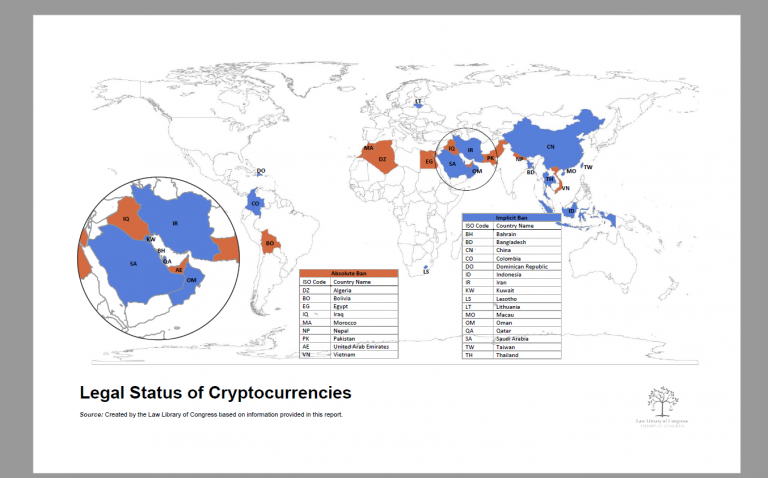
In the past, cryptocurrencies have been stolen and increasingly made the subject of confiscation, production, seizure, and government recovery orders. These are exciting times, and regulatory compliance jobs in the space had to grapple with dealing with a range of different regulators. Each jurisdiction has different levels of maturity. This was made more complex by the different country or international state-specific legislation. This has made the need for well-informed compliance professionals with backgrounds in AML, fraud, contract, sanctions, terrorism, risks and controls.

Financial Crime Jobs Both Got Easier and Harder

Financial crime jobs that focused on the regulatory and operational compliance aspects of cryptocurrency were made more difficult by the rise of dedicated cybercriminals. These criminals used a variety of methods to layer, place, or remove illicit funds, buy/sell drugs, evade sanctions controls, or use various techniques that hide their true real world identities to escape detection and frustrate prosecution.

However, law enforcement and regulators discovered that aspects of blockchain technology can also aid law enforcement, compliance, and prosecution. For example, the immutability, openness and publicly available nature of blockchain transactions allowed for advanced methods in keeping an eye on spurious transactions. This includes who owns, spends, or sends funds to or from digital wallets. Two upcoming fields in this sector are blockchain forensics and network analysis.

Over the past few years, the rise in geopolitical-based regulations has driven US-designated rogue states such as North Korea and Iran to use cryptocurrencies for laundering money. Additionally, export controls on technology-based goods and services pushed several of these bad actors to maximize their use of cryptocurrencies to avoid detection. Trade embargo avoidance and political sanctions, pushed regulatory oversight on an increasing range of digitalized products, services, currencies. This oversight has unfortunately extended to innocent and politically apathetic individuals or organizations using these technologies. These events have created a new demand for Financial Crime jobs with specialization in anti-money laundering, sanctions, TBML (Trade-based money laundering), payments, and transaction monitoring.

“Good” Blockchain Companies Need Good Lawyers

Virtual asset regulations for blockchain startups are becoming a must. The proper management of companies seeking to leverage the opportunities from blockchain and innovative technologies requires professionals with a full-spectrum knowledge of financial crime and traditional disciplines. Knowledge of anti-money laundering plus current and upcoming blockchain regulations, local and international payments, on-line commerce and market requirements are vital. Compliance professionals with a strong background in the international stance on cryptocurrencies and digital assets will be in high demand by both government regulators and private organizations.

These professionals should be knowledgeable in US SEC issuances, OCC memos, FINRA alerts, OFAC, CFTC, FATF guideline papers, ASEAN and European regulations. More importantly, this should be complemented with a basic understanding of DeFi and blockchain protocols. Although some in the space would argue that cryptocurrencies cannot be inherently regulated due to their censorship-resistant, decentralized and peer-to-peer nature, there are many companies in the space that seek to tap into formal markets.

Financial crime and regulatory compliance jobs are in demand in jurisdictions with a high level of illicit activity. Therefore, legitimate blockchain startups wishing to promote themselves as highly compliant should use long-term strategic objectives in handling regulatory compliance. Allied fields that make for a stronger portfolio include innovative technologies for wealth management, gambling, remittance, investment, insurance, yield farming, and decentralized finance.
BItcoin-MAPCapture-768x478.png

Hiring Compliance Talent?

Post your jobs and reach thousands of qualified candidates

Post Jobs

Hiring Compliance Talent?

Post your jobs with us and get the best talent.

Post Web3 Jobs →
View our success stories

Frequently Asked Questions

What are the main responsibilities of a Regulatory Compliance Officer in Crypto?

The main responsibilities are:

  1. Ensuring the company adheres to regulatory laws and guidelines set by government and financial institutions
  2. Monitoring transactions for potential money laundering or terrorist financing activities
  3. Implementing and maintaining effective Anti-Money Laundering (AML) and Know-Your-Customer (KYC) procedures
  4. Keeping abreast of changes in regulatory compliance laws and guidelines
  5. Collaborating with internal and external stakeholders to ensure compliance with regulations
  6. Providing regular reports to senior management and relevant regulatory bodies
  7. Developing and conducting compliance training for employees
  8. Investigating and reporting suspicious activities
  9. Designing and implementing systems and processes to minimize risk and ensure compliance
  10. Advising the company on regulatory compliance matters and risk mitigation strategies.

What are Regulatory Compliance Jobs in Crypto?

Find the latest high-paying regulatory compliance jobs with specialization in AML and KYC for cryptocurrency companies on Crypto Jobs List. If you're a Hiring Managers or HR leads who's looking for quality professionals, you can post your roles and jobs here!

Take your legal career to the next level and find exciting blockchain regulatory compliance jobs. The world is entering a new phase in wealth, asset management, and the transfer of digital assets. With newfound technologies at hand, the need to regulate diverse communities in different legal environments will stretch your capabilities to the fullest. It all began when a decentralized and peer-to-peer cryptocurrency crossed borders beyond the control of any central government or bank. Challenge yourself with the intrinsically international nature of trans-border regulations and crime.

What skills are necessary to succeed as a Compliance Officer in Crypto?

There’s a fervent need to keep abreast of both history and current updates when you search for regulatory compliance jobs. Blockchain companies have found themselves creating totally new legal jobs in order to meet government regulations. The earliest time when this was seen was in the case of companies like BitStamp, Coinbase, Crypto.com and Diginex. For example, BitStamp’s earliest days saw huge hurdles in registering their business despite their willingness to comply and their attempts to partner with established market participants.

Ethereum and Ripple’s foray into the incorporation of virtual and real assets into its blockchain via non-fungible tokens, also creates a lot of legal questions about their asset type classification that many jurisdictions and their various regulators may want to take a closer look at.

Furthermore, blockchain forensic services (Chainalysis, Ciphertrace, Elliptic) that help individuals recover assets are seeking to expand their roster of financial crime jobs and data analysis roles. The academic ramifications of the twists and turns of cryptocurrencies’ relationship with different governments is a very interesting - and highly lucrative pursuit. However, caution is also warranted as many firms and trade-bodies have become overnight outfits providing qualifications and certificates, taught by people with limited or negligible actual real-world experience, beyond a change in their LinkedIn job title!

Whichever side you’re on in regulatory compliance, the field is strikingly interesting for the implications that new paradigms can have on individuals, sectors, companies, and even states. If you’re up for the next gold mine in the legal or law enforcement professions, this field promises high yields due to the inherent challenges that regulatory compliance jobs offer.