We are excited to celebrate this Earth Day by sharing our commitment to sustainable design and how it aligns with our focus on people and the planet. Our Agile Design approach emphasizes flexibility, well-being, accessibility, and environmental impact, allowing us to create buildings that can serve multiple uses and remain adaptive over many decades. As we celebrate Earth Day, we’d like to share our enthusiasm toward the importance of sustainable design, our Agile Design approach, and how it all comes together to build a better future for all.
March 31, 2026 — Comments are off for this post.
Transparency Is a Discipline, Not a Tone
March 31, 2026 — Comments are off for this post.
The Power of Early Facilities Involvement in Strategic Decisions
We are excited to celebrate this Earth Day by sharing our commitment to sustainable design and how it aligns with our focus on people and the planet. Our Agile Design approach emphasizes flexibility, well-being, accessibility, and environmental impact, allowing us to create buildings that can serve multiple uses and remain adaptive over many decades. As we celebrate Earth Day, we’d like to share our enthusiasm toward the importance of sustainable design, our Agile Design approach, and how it all comes together to build a better future for all.
January 13, 2026 — Comments are off for this post.
Mission-Driven Design Creates More Sustainable Outcomes
We are excited to celebrate this Earth Day by sharing our commitment to sustainable design and how it aligns with our focus on people and the planet. Our Agile Design approach emphasizes flexibility, well-being, accessibility, and environmental impact, allowing us to create buildings that can serve multiple uses and remain adaptive over many decades. As we celebrate Earth Day, we’d like to share our enthusiasm toward the importance of sustainable design, our Agile Design approach, and how it all comes together to build a better future for all.
October 6, 2025 — Comments are off for this post.
Envelope Renewal: Putting Occupants First for Performance, Comfort, and Safety
We are excited to celebrate this Earth Day by sharing our commitment to sustainable design and how it aligns with our focus on people and the planet. Our Agile Design approach emphasizes flexibility, well-being, accessibility, and environmental impact, allowing us to create buildings that can serve multiple uses and remain adaptive over many decades. As we celebrate Earth Day, we’d like to share our enthusiasm toward the importance of sustainable design, our Agile Design approach, and how it all comes together to build a better future for all.
August 20, 2025 — Comments are off for this post.
Bridging the Deferred Maintenance Gap with Agile Design
Facilities leaders face aging buildings, growing backlogs, and tight budgets. Agile Design prioritizes the most impactful fixes, combines scopes to reduce disruption, and turns deferred maintenance into a strategic roadmap.

May 27, 2025 — Comments are off for this post.
Designing for Dignity: A Perspective on Inclusive Interiors
We are excited to celebrate this Earth Day by sharing our commitment to sustainable design and how it aligns with our focus on people and the planet. Our Agile Design approach emphasizes flexibility, well-being, accessibility, and environmental impact, allowing us to create buildings that can serve multiple uses and remain adaptive over many decades. As we celebrate Earth Day, we’d like to share our enthusiasm toward the importance of sustainable design, our Agile Design approach, and how it all comes together to build a better future for all.
April 15, 2025 — Comments are off for this post.
How can we design a space that benefits both people and the planet?
We are excited to celebrate this Earth Day by sharing our commitment to sustainable design and how it aligns with our focus on people and the planet. Our Agile Design approach emphasizes flexibility, well-being, accessibility, and environmental impact, allowing us to create buildings that can serve multiple uses and remain adaptive over many decades. As we celebrate Earth Day, we’d like to share our enthusiasm toward the importance of sustainable design, our Agile Design approach, and how it all comes together to build a better future for all.
March 4, 2025 — Comments are off for this post.
Clarifying the Unknown: How Agile Design Helps Define Your Project’s Vision
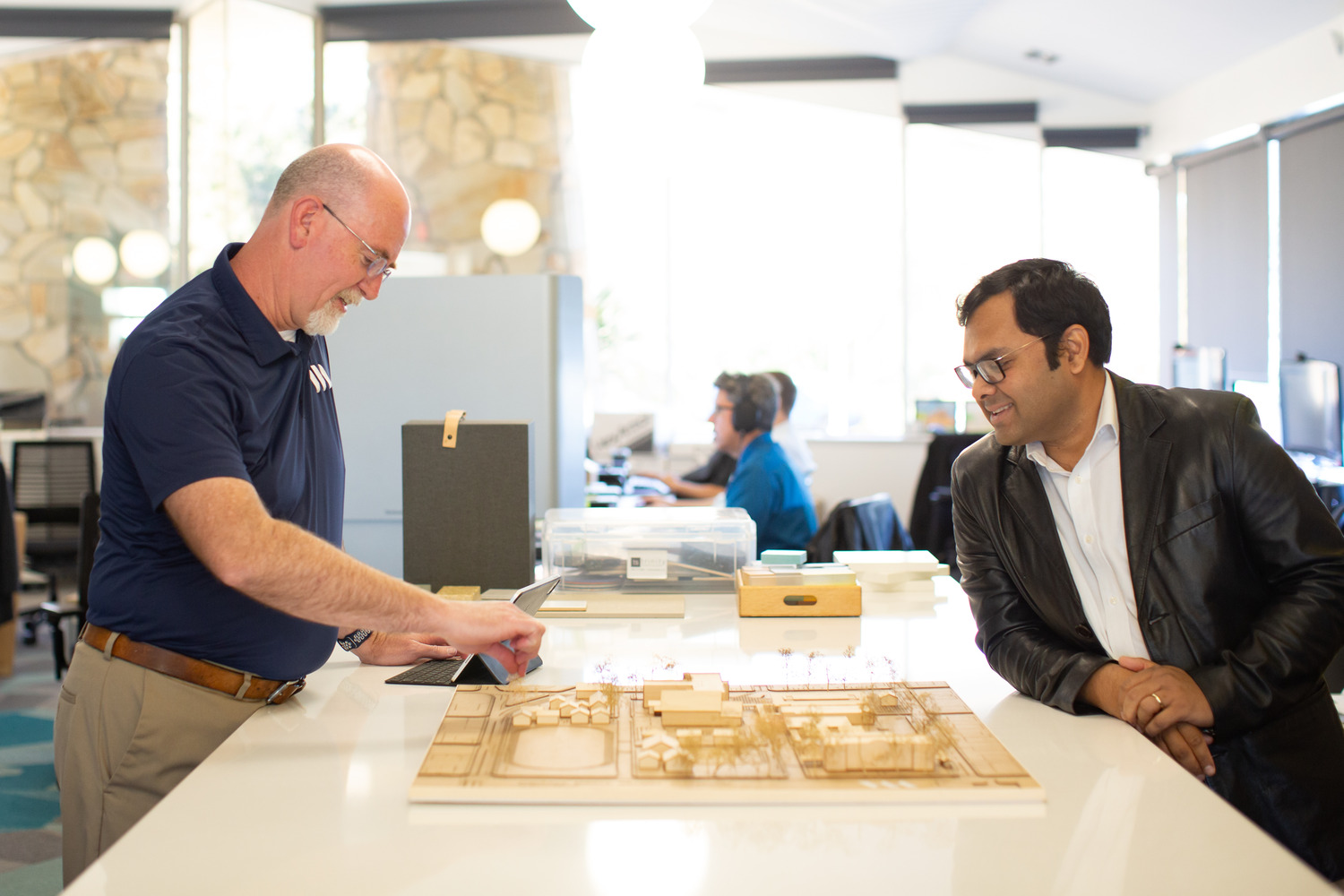
At Walker Architects, every project—whether it’s a new build or a renovation—offers a chance to uncover possibilities that might not be immediately visible. A key component in that discovery process is the feasibility study. Rather than functioning as a one-size-fits-all checklist, feasibility studies can pave the way for an agile design approach that adapts to a project’s evolving needs.
Here’s a look at how feasibility studies serve as a guiding force, why it’s crucial to identify the “why” behind a request, and how combining them with agile design can help clarify the “unknown” to shape and refine a project’s ultimate direction.
Read more
February 18, 2025 — Comments are off for this post.
Making the Old New: Agile Design and Historic Rehabilitation at UF’s Norman Hall
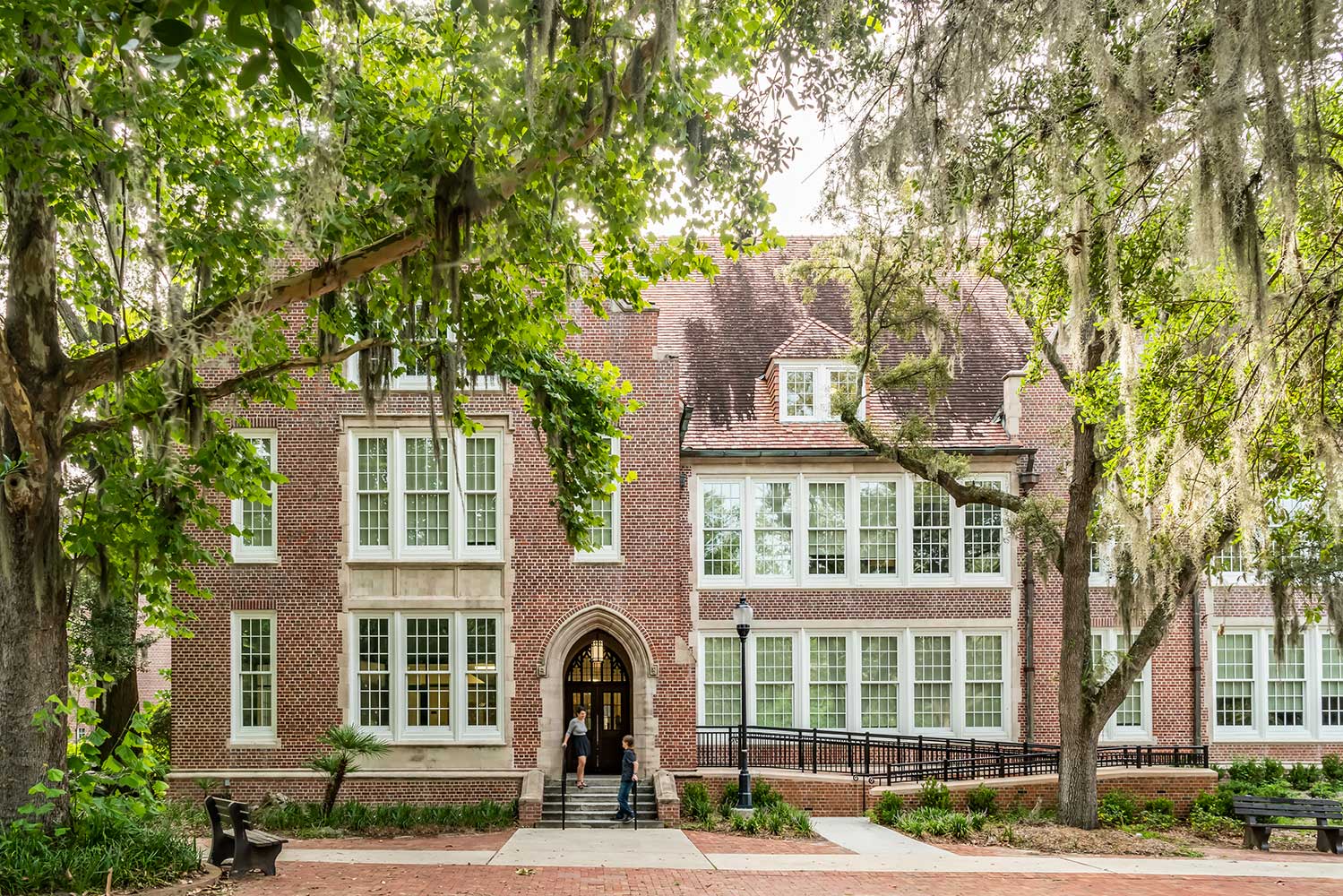
At Walker Architects, working with historic buildings is more than simply updating old structures—it’s a process of discovery. By respecting a building’s past while adapting it for modern needs, we create environments that support contemporary uses without losing the character that made them significant in the first place. Our agile design approach helps us address changing project requirements, ensuring each outcome aligns with both the original intent and today’s functional demands.
November 25, 2024 — Comments are off for this post.
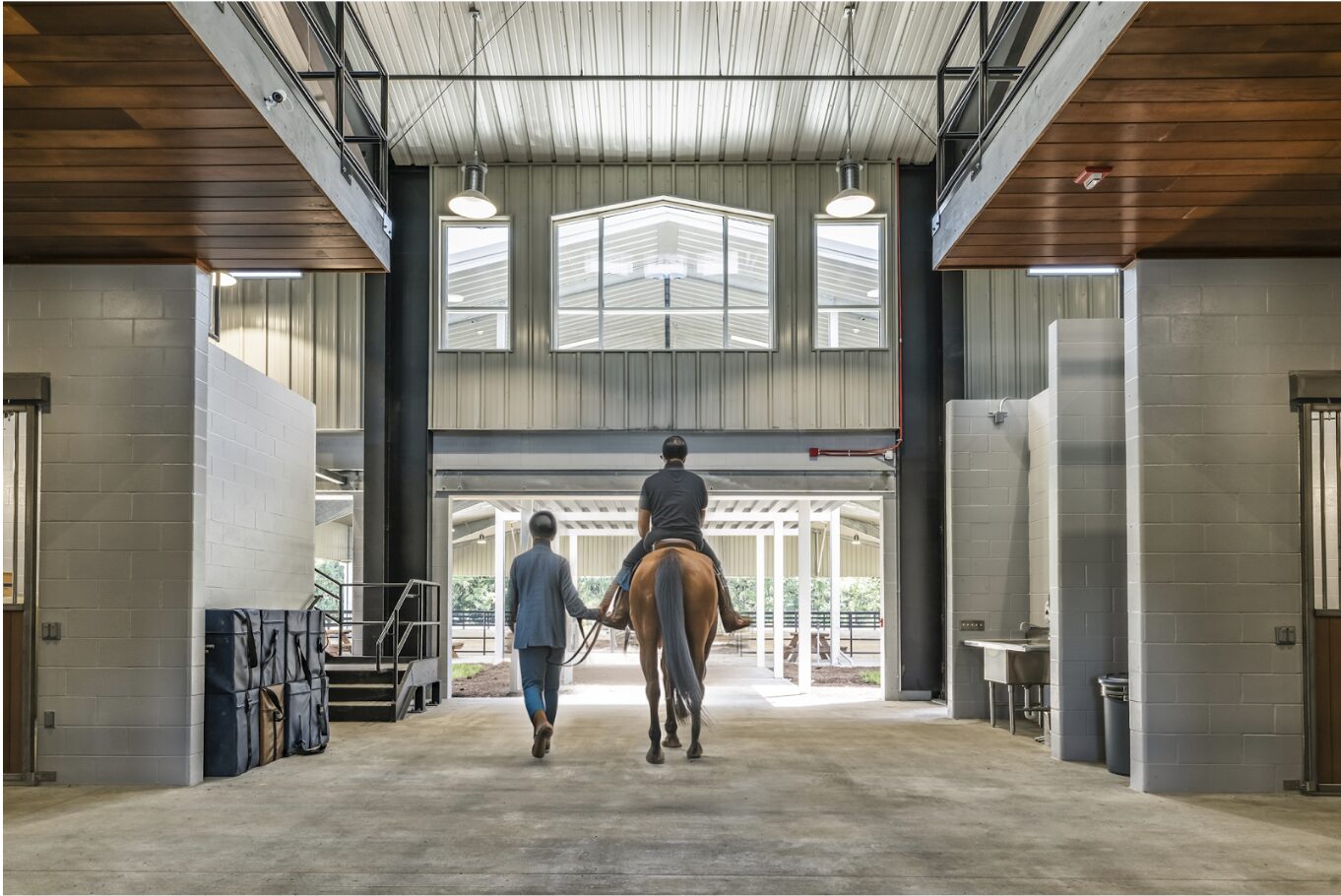
Why Agile Design Matters in Agriculture
Agriscience projects present unique challenges, from rapidly evolving technologies to sustainability demands. These projects often require specialized solutions, such as integrating complex systems for human and animal use, where traditional methods may not suffice. Agile Design addresses these challenges with a flexible, adaptable approach that prioritizes people (and animals) by design. This method creates facilities that are innovative, functional, future-ready, and tailored to the unique needs of users. Below, we explore key agile design principles and how we have applied them to achieve exceptional results.
November 4, 2024 — Comments are off for this post.
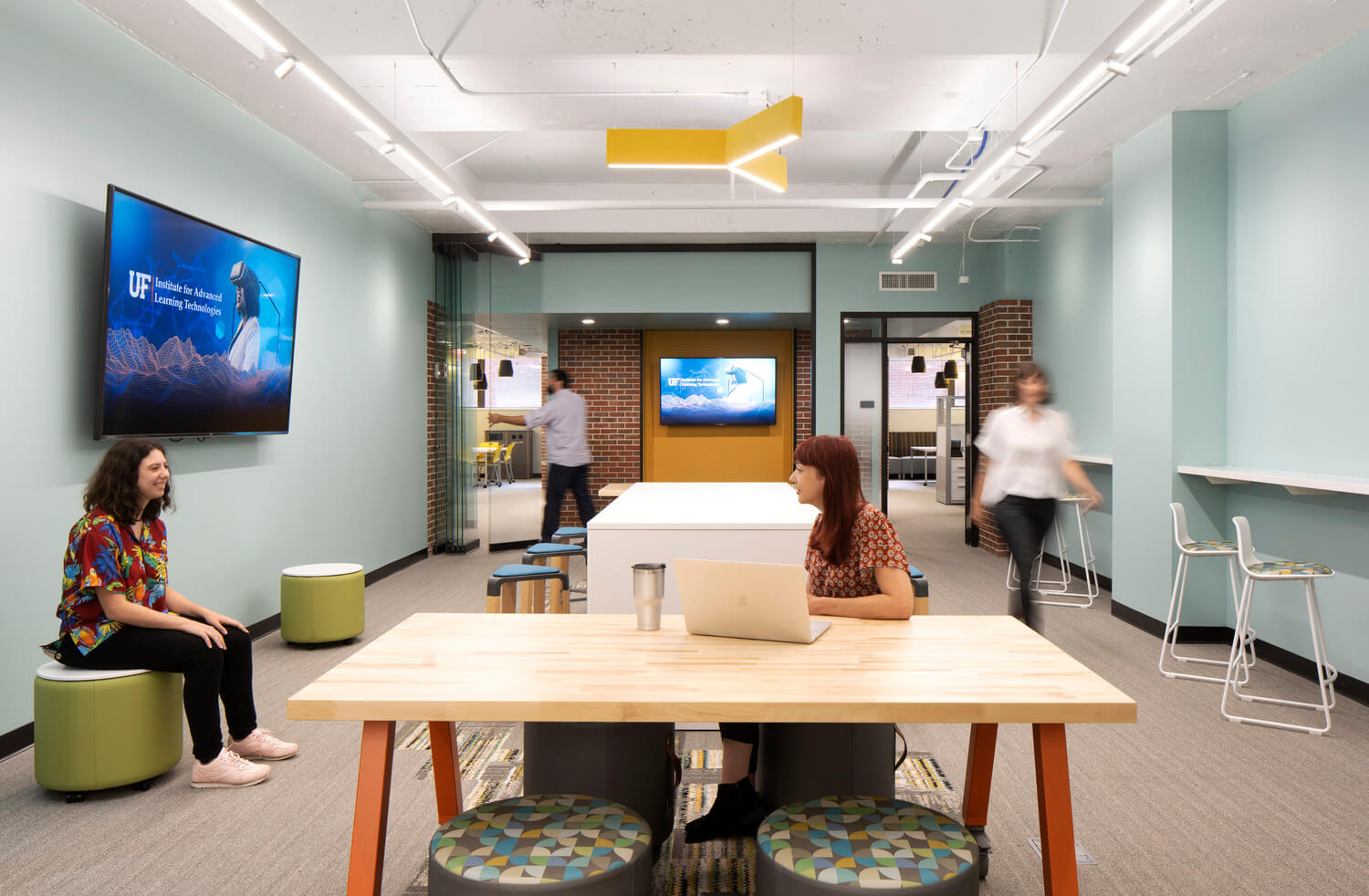
Agile Design for a Better ROI and Success in Public Institutions
In the public sector, managing projects within tight budgets while maximizing return on investment (ROI) is a constant challenge. With demands for modernization, sustainability, and flexibility, public institutions must find innovative ways to design and maintain their facilities. One such method is Agile Design—a people-first, flexible approach that can significantly stretch public dollars and deliver long-term value.
Read more
September 17, 2024 — Comments are off for this post.
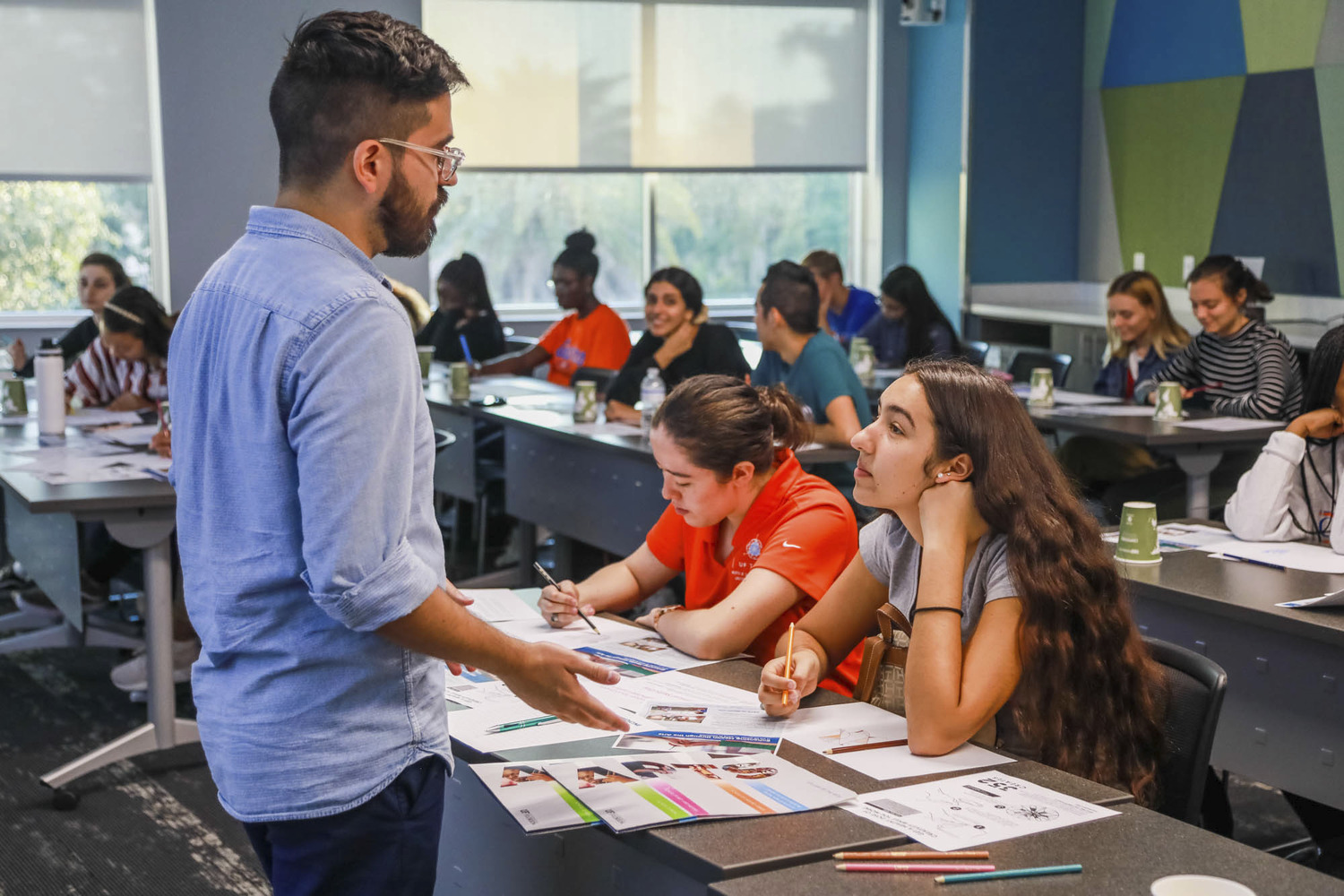
The Power of Sound: How Acoustics Influence Architectural Design
When thinking about a space, we often focus on the visual aspects, but acoustics—how sound behaves in a space—also plays a vital role in shaping our experience. Sound affects comfort, communication, and even how people perceive a space. When acoustics are prioritized early in the design process, you can ensure that your space will sound as good as it looks.
Read more
August 16, 2024 — Comments are off for this post.
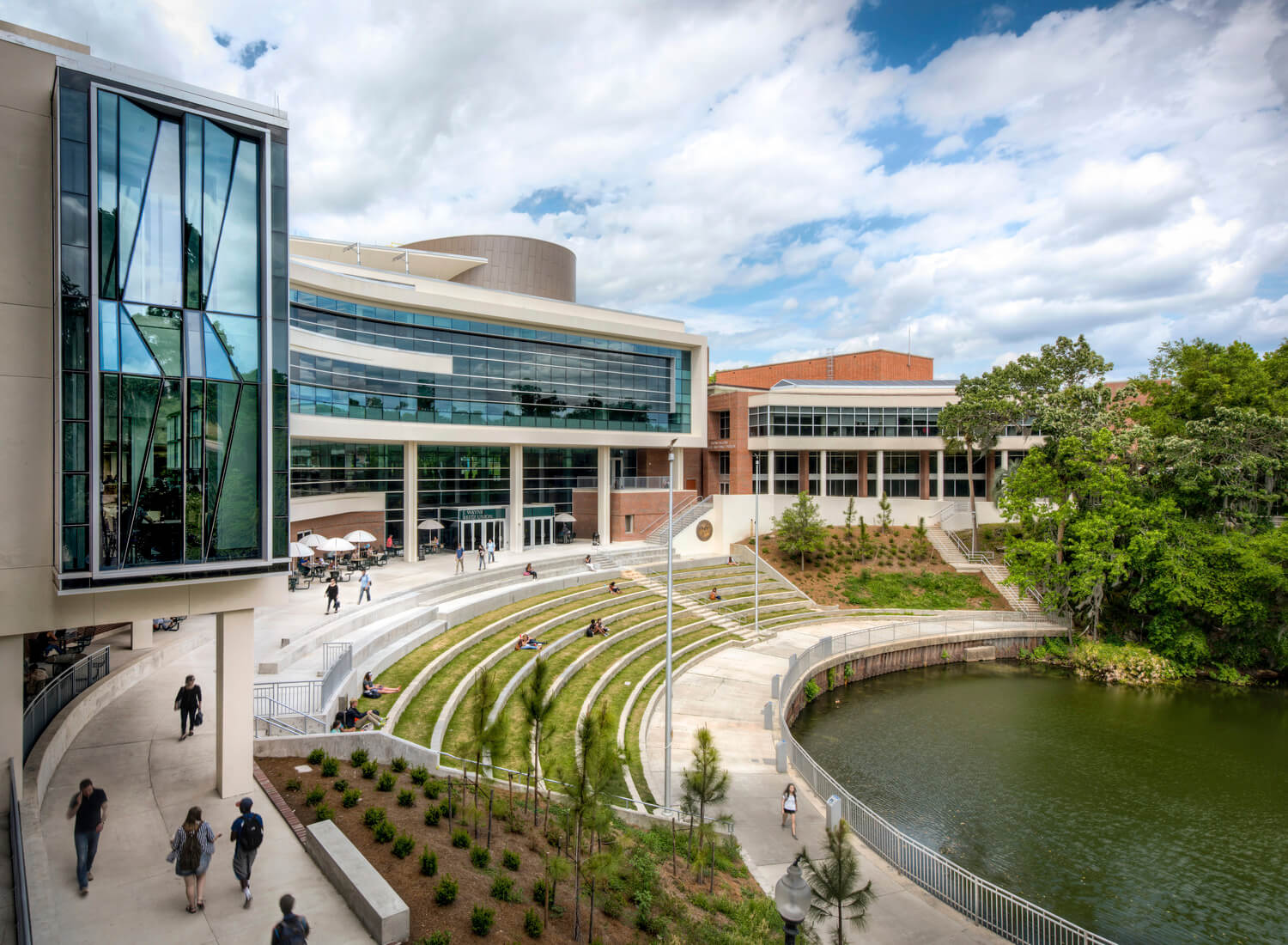
Agile Design for Student Centers: Creating Spaces for Connection and Community
For campuses of all sizes, student centers pose unique challenges and opportunities. They serve as hubs of activity and connection for a diverse range of student groups, each with their own unique needs and expectations. How do we cater to diverse tribes of students, administration personnel, and parents touring the campus all in the same building? Our Agile Design approach shines in developing these projects, creating flexible, inclusive, and engaging spaces. Let’s examine the mindsets and needs unique to student centers and uncover valuable lessons learned from past projects.
