Interactions Podcast

Interactions Podcast

The Interactions podcast, a podcast about the interactions between law and religion, is produced by the CSLR and distributed by Canopy Forum. New episodes now available.

Read More

Book Review Roundtable

Book Review Roundtable

In this series, prominent human rights scholars engage Andrea Pin’s new book, Dignity in Judgement, and offer arguments from a range of religious, political, legal, and philosophical perspectives.

Read More

Law and Religion Series

Law and Religion Series

Read essays here from our latest webinar on Law, Religion and the Johnson Amendment. Our latest series include essays from Derecho en Sociedad. Other series feature current topics like Immigratiion, IVF and Christian Nationalism.

Read More

Image

“A Moral History of How the U.S. Legislated Belonging by Denying Access to Home” by Siji Deleawe

Twentieth-Century Redlining Map from the National Archives. In the United States, the narrative of belonging has long been told through access to housing and home. Although the over-regulation of physical residences, presence of racial restrictions, and rejection of land rights have done substantial social and economic damage, these harms also communicate a broader message: “you

Image

“Puccini’s Suor Angelica and the Question of Suicide Between Catholic Theology and the Law” by Davide Dimodugno

The world premiere of Puccini’s “Suor Angelica”, Metropolitan Opera, New York City, 1918 by White Photo Studio. This paper summarizes and translates into English the chapter Suor Angelica: il suicidio tra teologia e diritto, from the book Puccini in Law: Raccolta di studi in occasione dell’anno pucciniano, edited by Domenico Di Micco, Mario Riberi, and

Image

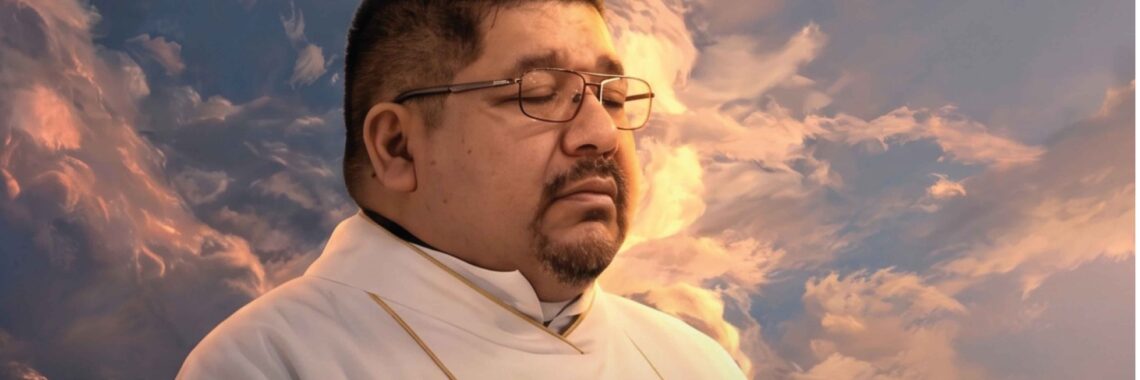
“The War on Drugs and Violence Against Catholic Priests in Mexico” by Yves Bernardo Roger Solís Nicot, Debora Roberta Sánchez Guajardo & Maria Fernanda Alcala Durand

Image of Padre Filiberto Velázquez Florencio created by Leonardo Hernández Arrendondo for Dr. Solís’ project. The following essay is reprinted and adapted on Canopy Forum in collaboration with the journal Derecho en Sociedad, a biannual electronic publication that is free and open access. Their issue 20(1) features full length articles in Spanish and English. Read Yves Bernardo Roger Solís Nicot, Maria

Image

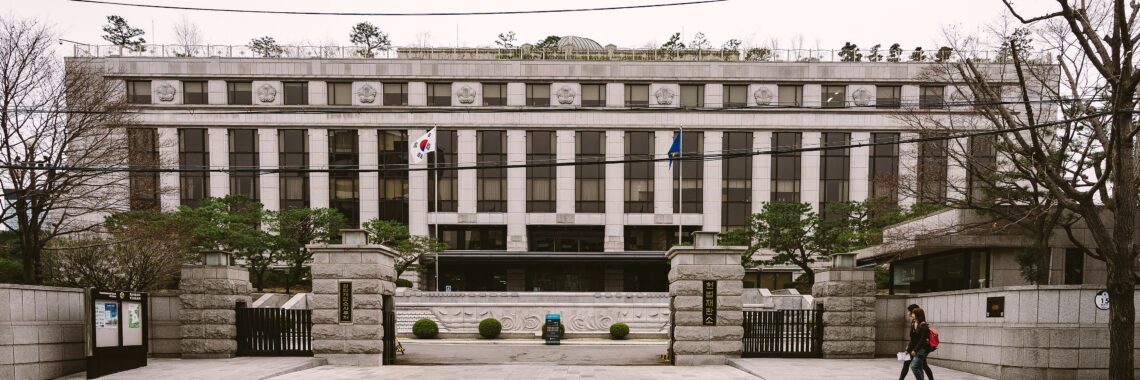
“From Crime to Covenant: What Korea’s Decriminalization of Adultery Asks of the Church” by Joe Cho

Constitutional Court of South Korea by Wei-Te Wong (CC BY-SA 2.0) Within five years, three of Asia’s major democracies stopped treating adultery as a crime. South Korea’s Constitutional Court struck it down in February 2015 in 2009 Hun-Ba 17; India followed in 2018, Taiwan in 2020. The pattern is usually filed under a familiar heading—traditional

Image

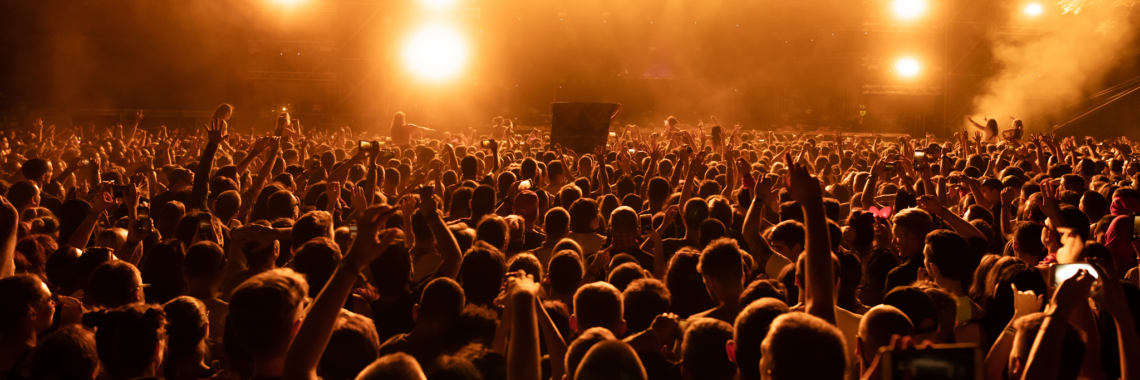
“The Governed Dance Floor: Religion, Law, and the Global Transformation of Rave Culture” by Jo Chitlik and Derya Kokaragac

AI Image of a rave created by author. From its emergence in the underground electronic dance scenes of the 1980’s and 1990’s, rave culture has occupied an uneasy space between liberation and disorder. Secret gatherings in  abandoned warehouses, forests, beaches, and improvised pop-up spaces became associated with repetitive electronic rhythms, collective dancing, sensory immersion, and

Image

“State of Religious Freedom in Nicaragua: An Analysis of the Violent Incidents Database” by Teresa Flores

Colonial-era Church in the Granada, Nicaragua by Monge Najera (CC BY-SA3.0) Freedom of religion or belief is formally recognized in Nicaragua’s legal framework. The former Constitution of Nicaragua established that the State had no official religion and guaranteed the right to profess or not profess a religion. However, constitutional reforms adopted since 2019 and further

Image

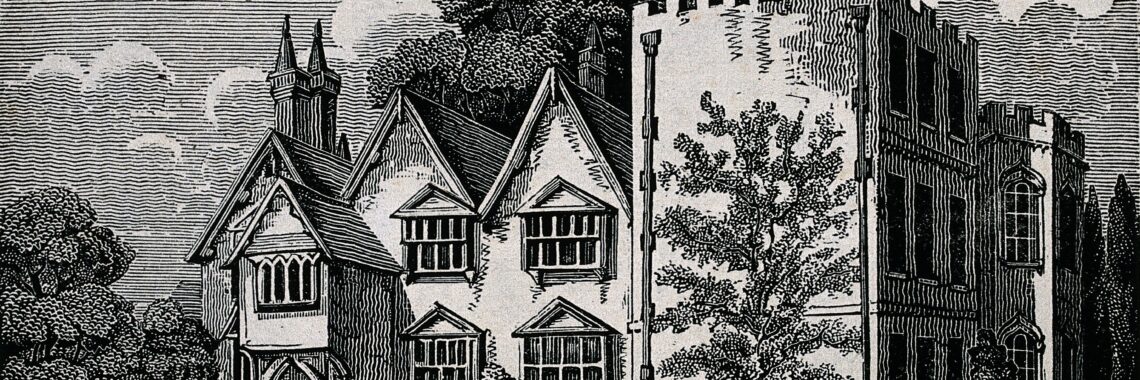
“Iran Learns Locke the Hard Way: Integralism, Postliberalism, and Religious Compulsion” By Matthew P. Cavedon

Otes Manor House where John Locke spent the last fourteen years of his life via Wellcome Library, London (CC BY 4.0). John Locke insisted that toleration and a secular approach to politics would be good for religion. He argued that coerced belief results in hypocrisy and resentment, as well as belief that hinges on political

Image

“For the Word of God is Posted and Passive” by Christopher D. Hampson

An SB 10 compliant Poster. Photo by author. The Ten Commandments are almost certainly headed back to the Supreme Court. Over the past couple of years, Louisiana, Arkansas, and Texas have all passed statutes requiring the Decalogue to be posted in public school classrooms, and the federal courts are reassessing whether such a display is

Image

“Nathan v. Alamo Heights Independent School District” by Nathan Chapman

Moses and Aaron with the 10 Commandments by Aron de Chaves (PD-Art). This piece was originally published on Divided Argument, a legal blog on April 22nd, 2026. Sometimes a case is meta. Nathan v. Alamo Heights Independent School District, the Fifth Circuit’s recent Ten Commandments decision, aptly captures how deep into the wilderness our religious

Image

“Pakistan: From Diplomatic Win To National Strategy” by Jo Chitlik

Margalla Hills in Pakistan by Zach Khan (CC BY-SA 4.0). In early April 2026, Pakistan accomplished what few states in the contemporary international system have managed: it brought the United States and Iran, two nations defined by decades of mistrust, ideological divergence, and intermittent confrontation to the same negotiating table. This was more than an