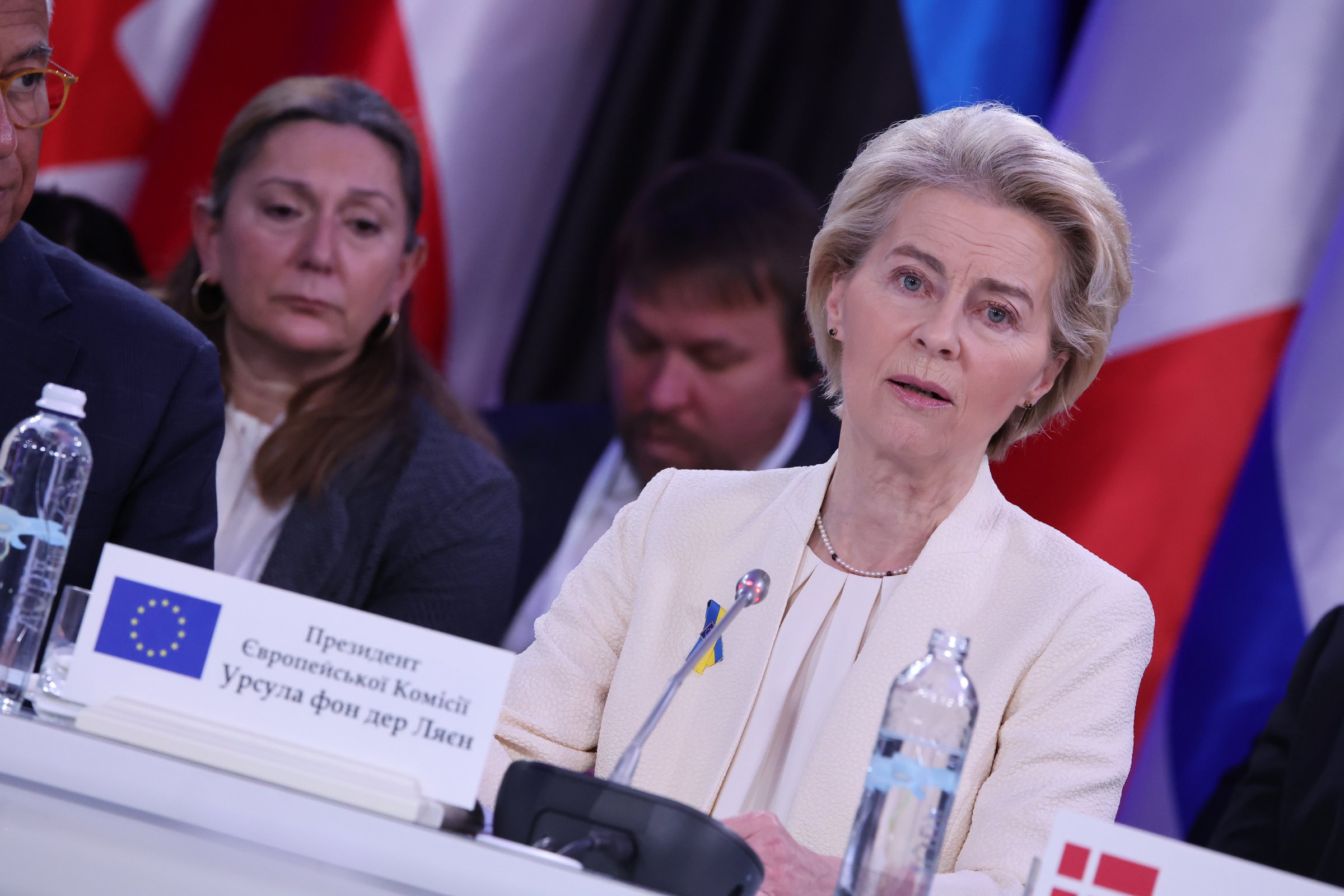
US lawmakers urge von der Leyen not to give in to oil and gas lobbyists and defend EU methane rules
The EU methane regulation “has become a defining test of Europe’s ability to maintain ambitious climate and energy policies” the US lawmakers wrote.
The EU methane regulation “has become a defining test of Europe’s ability to maintain ambitious climate and energy policies” the US lawmakers wrote.
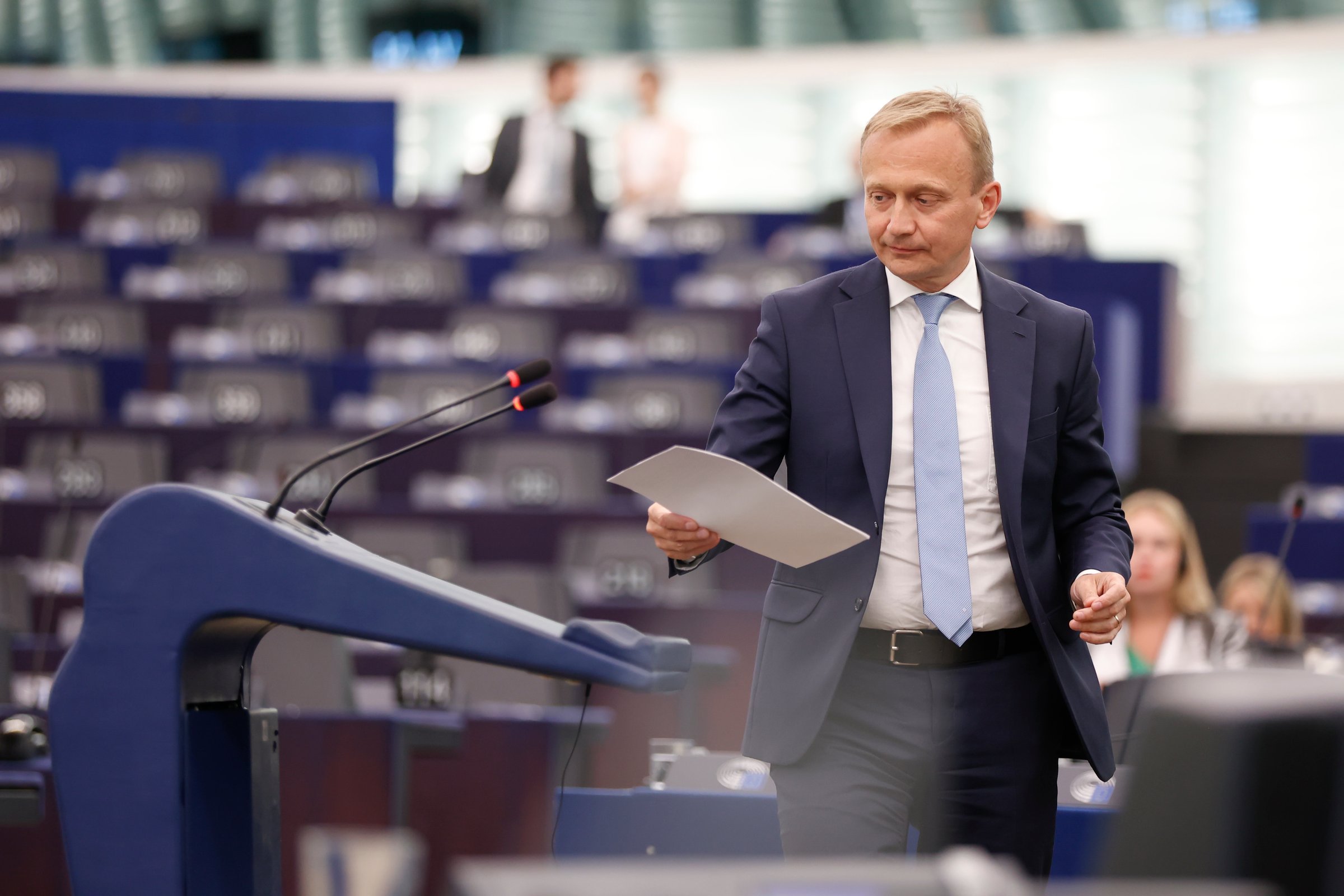
EU budget commissioner Piotr Serafin warned “the alternative to European spending is more national spending” – adding that defence, energy security and research “will have to be financed one way or another.”
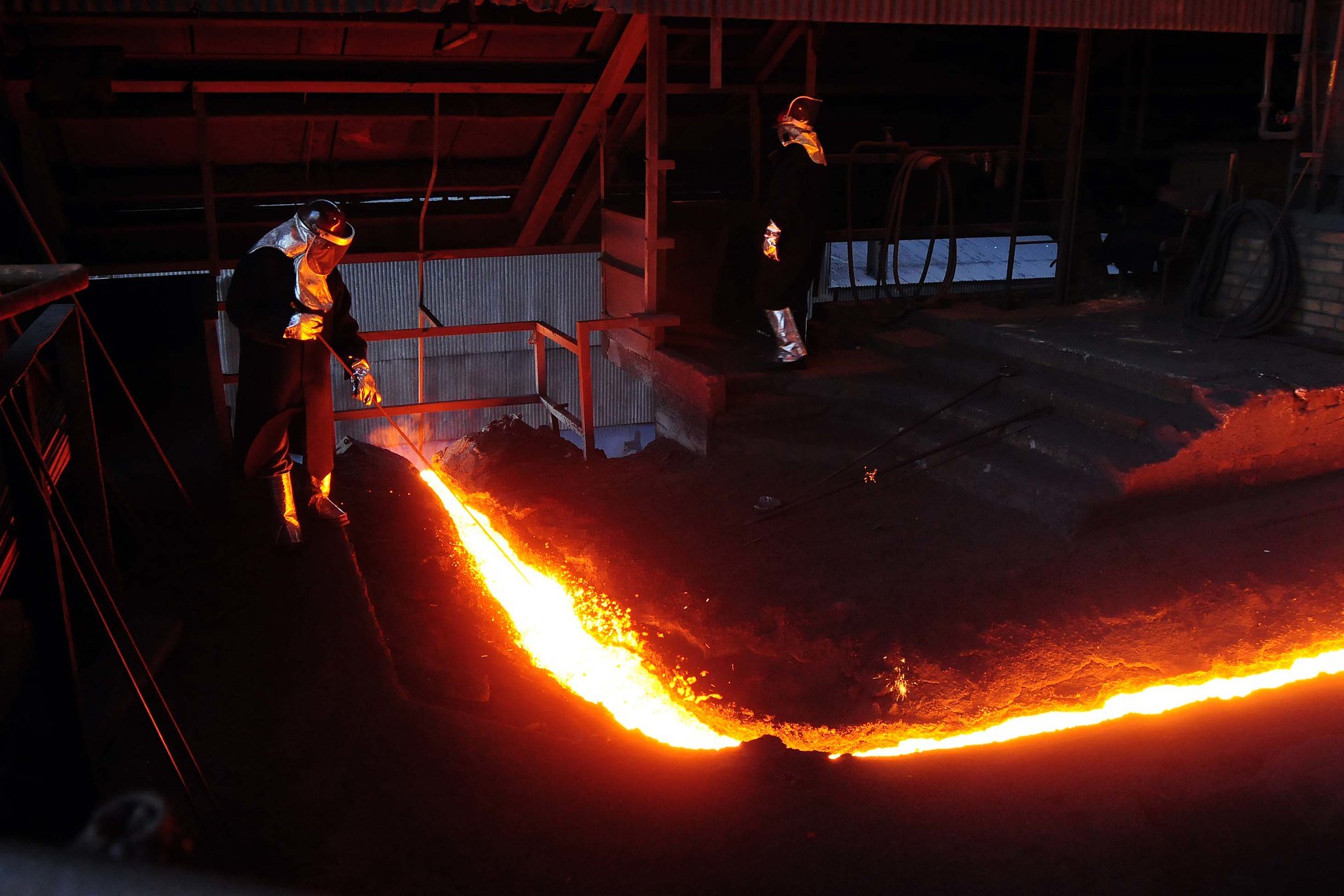
China is set to face tougher restrictions on its steel exports to Europe under a new formula set out by the EU Commission.
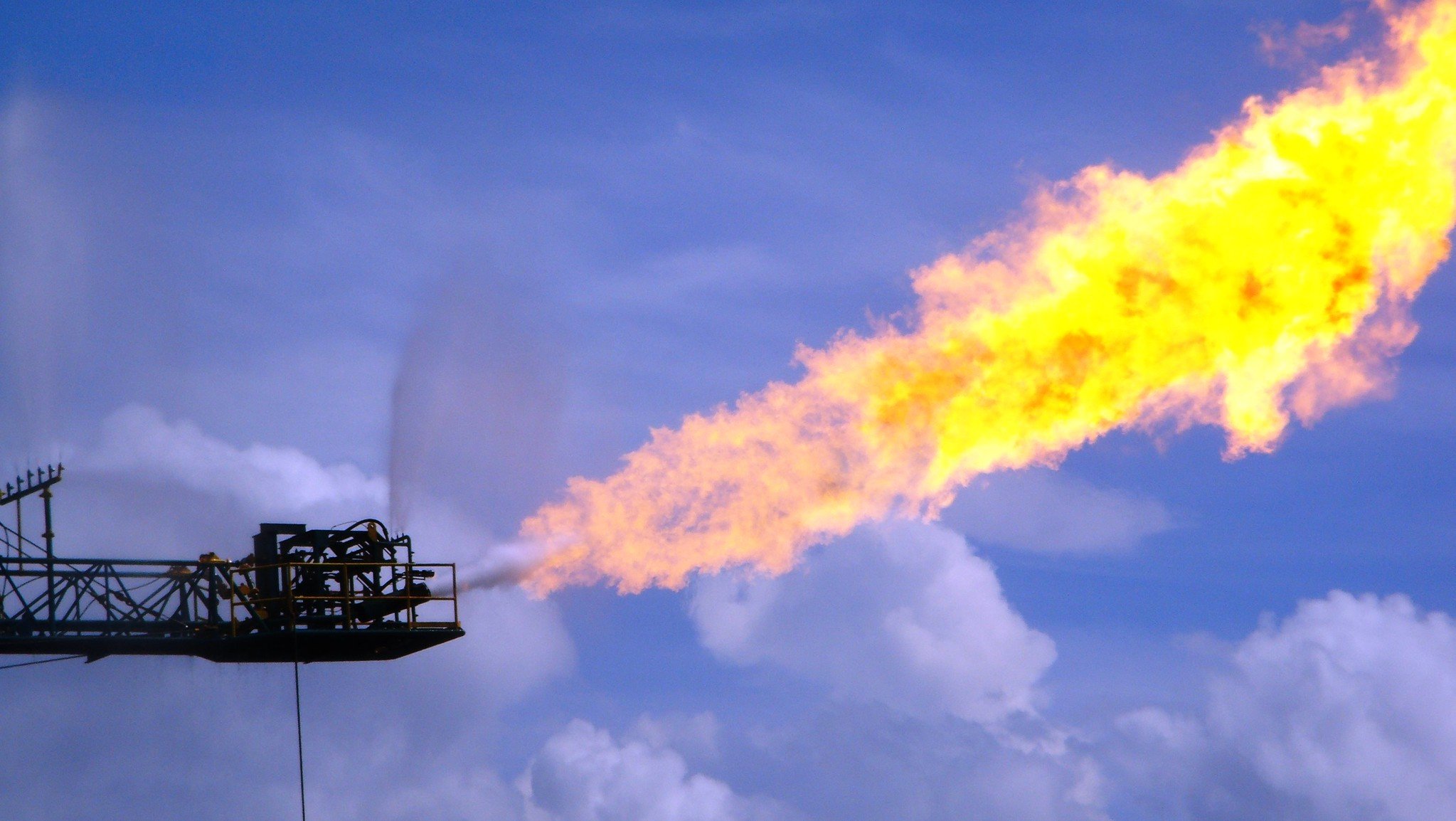
Nearly half of EU member states, oil and gas companies and the US administration claim the EU’s methane regulation is unfinished, causes legal risks, and could disrupt Europe’s gas supplies. But does it?
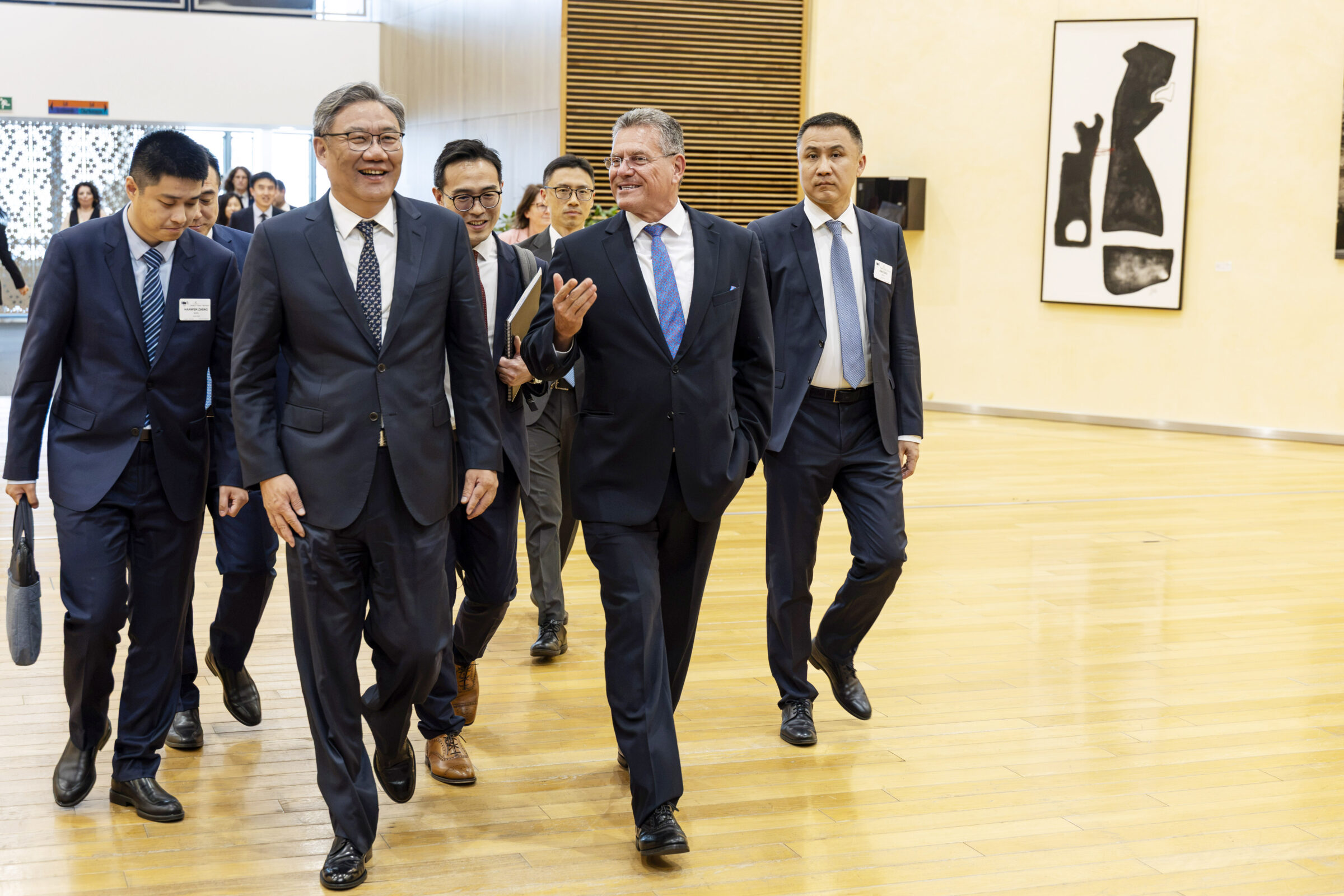
After months of rhetorical disputes and the threat of new trade defence measures, top EU and Chinese trade officials have set themselves an October deadline to resolve their disputes.
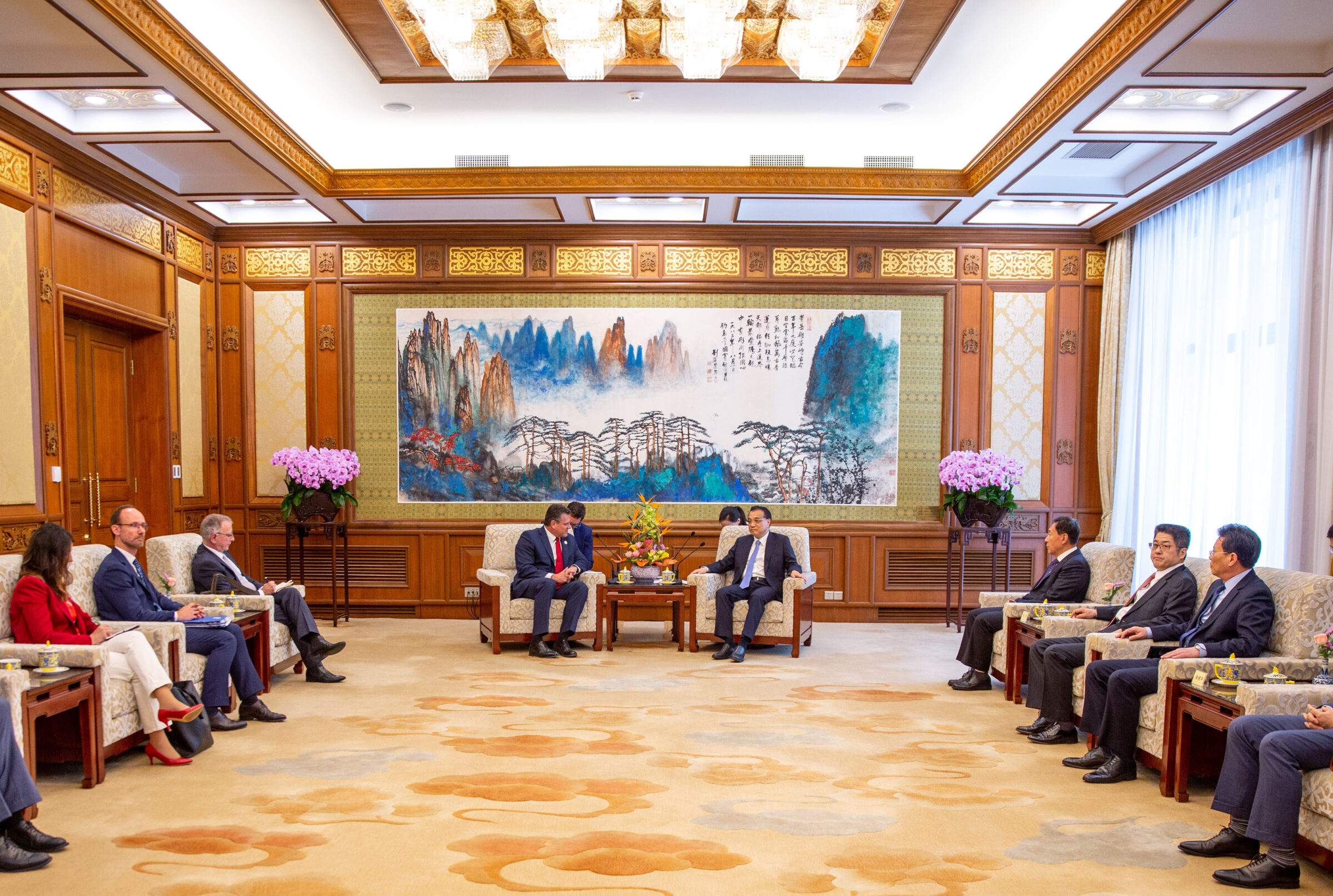
Monday’s meeting between Chinese commerce minister Wang Wentao and EU trade commissioner Maroš Šefčovič in Brussels has been billed by EU officials as a make-or-break event for the future of Europe’s trade with the manufacturing superpower.
Replacing combustion engines with electric cars and switching industrial heat from fossil fuels to electricity are among the most impactful ways to decarbonise. Yet, in exactly in these areas Europe is weakening its policies.
The most impactful change is the abolition of taxes charged on cross-border payments of dividends, interest and royalties between companies. This alone accounts for around €5.3bn of the projected savings.
“We can no longer accept that digital payments are largely dependent on the goodwill of a few foreign providers. This package changes that,” said Markus Ferber, economy spokesperson for the conservative European People’s Party group, after Tuesday’s vote.
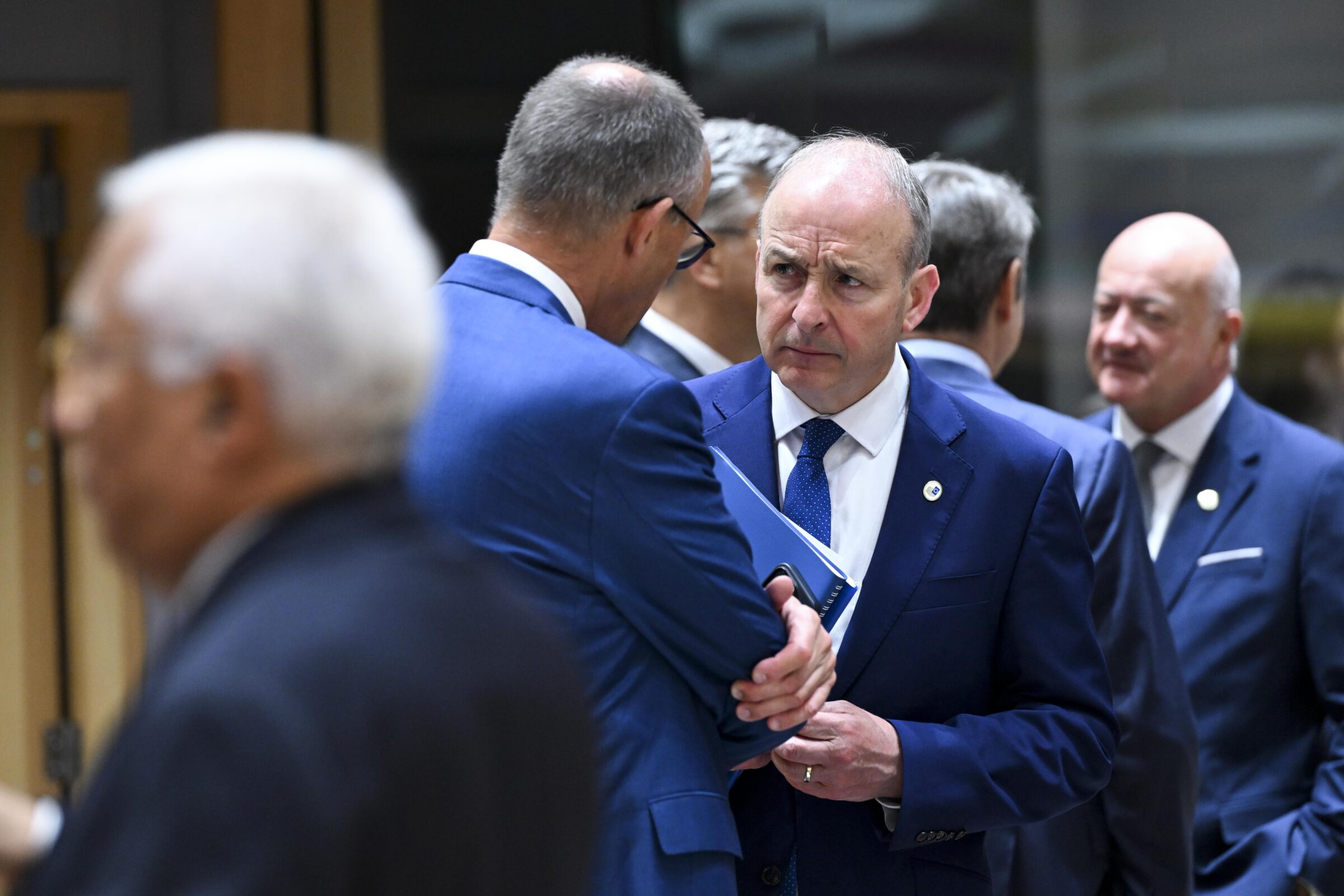
EU Council president António Costa has set an end-of-year deadline for the next budget – but negotiators say there is only a “50-50 chance” of success.
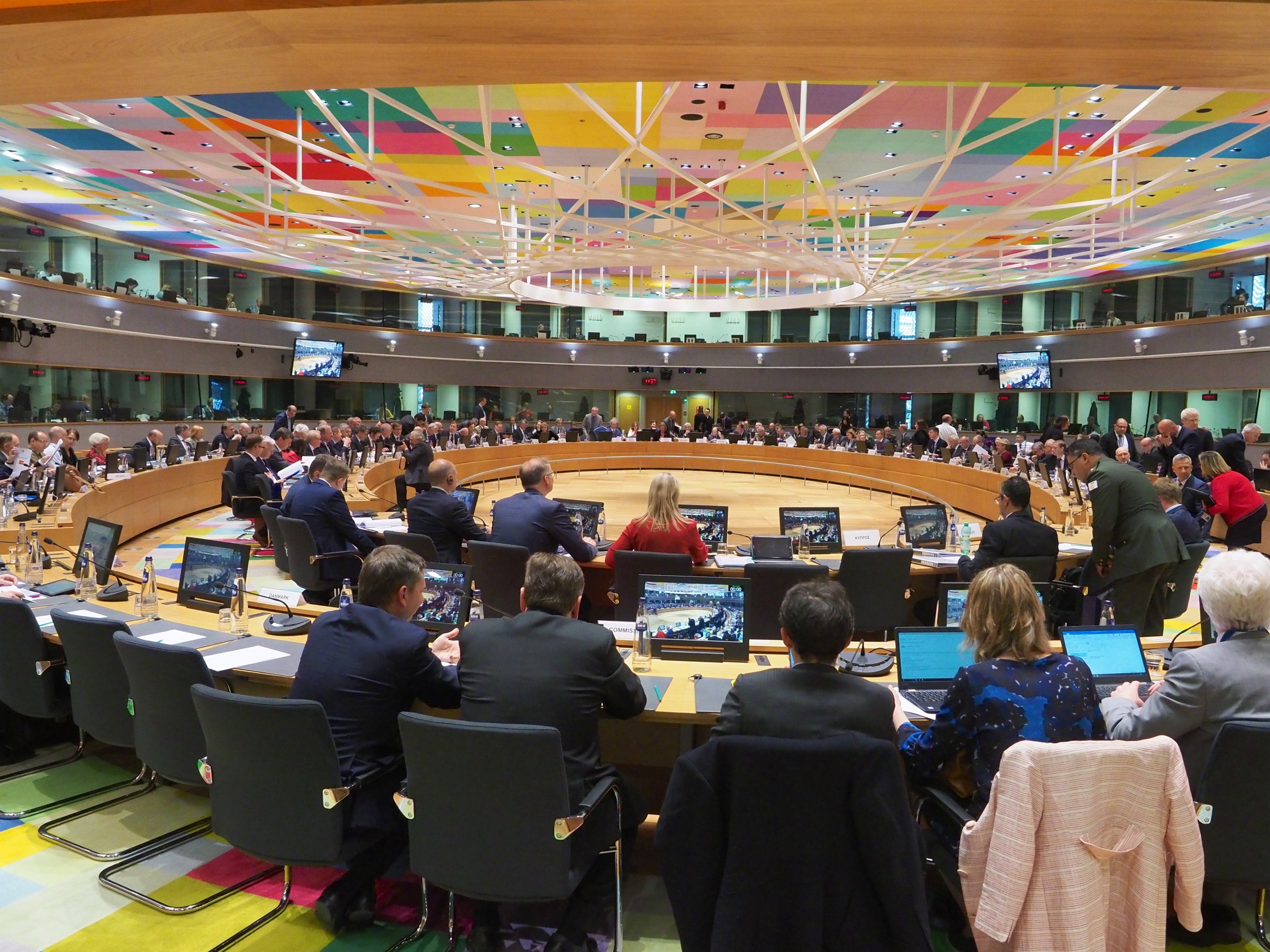
EU leaders will hold their first formal discussion on Friday, after the Cypriot presidency tabled the first so-called “negobox”, a draft document setting out possible spending compromises.
The Dutch Scientific Climate Council led the appeal, after member states including Italy and Poland began pushing for concessions in the ongoing emissions trading system revision.
The cost of services like haircuts, restaurant meals, plumbers, and hotel stays also rose faster in recent months, from three to 3.5 percent, suggesting price pressures are spreading beyond just energy and food.
The board’s annual assessment lands just days after the commission announced plans to loosen budget rules for energy investments.
The commission has warned governments against stoking demand with broad subsidies at a time of acute supply shortage. So how are Europe’s biggest economies responding three months in?
There are long-standing disagreements between member states about what constitutes decarbonisation and the proposal leaves room for member states to define what does and does not fit within the framework.
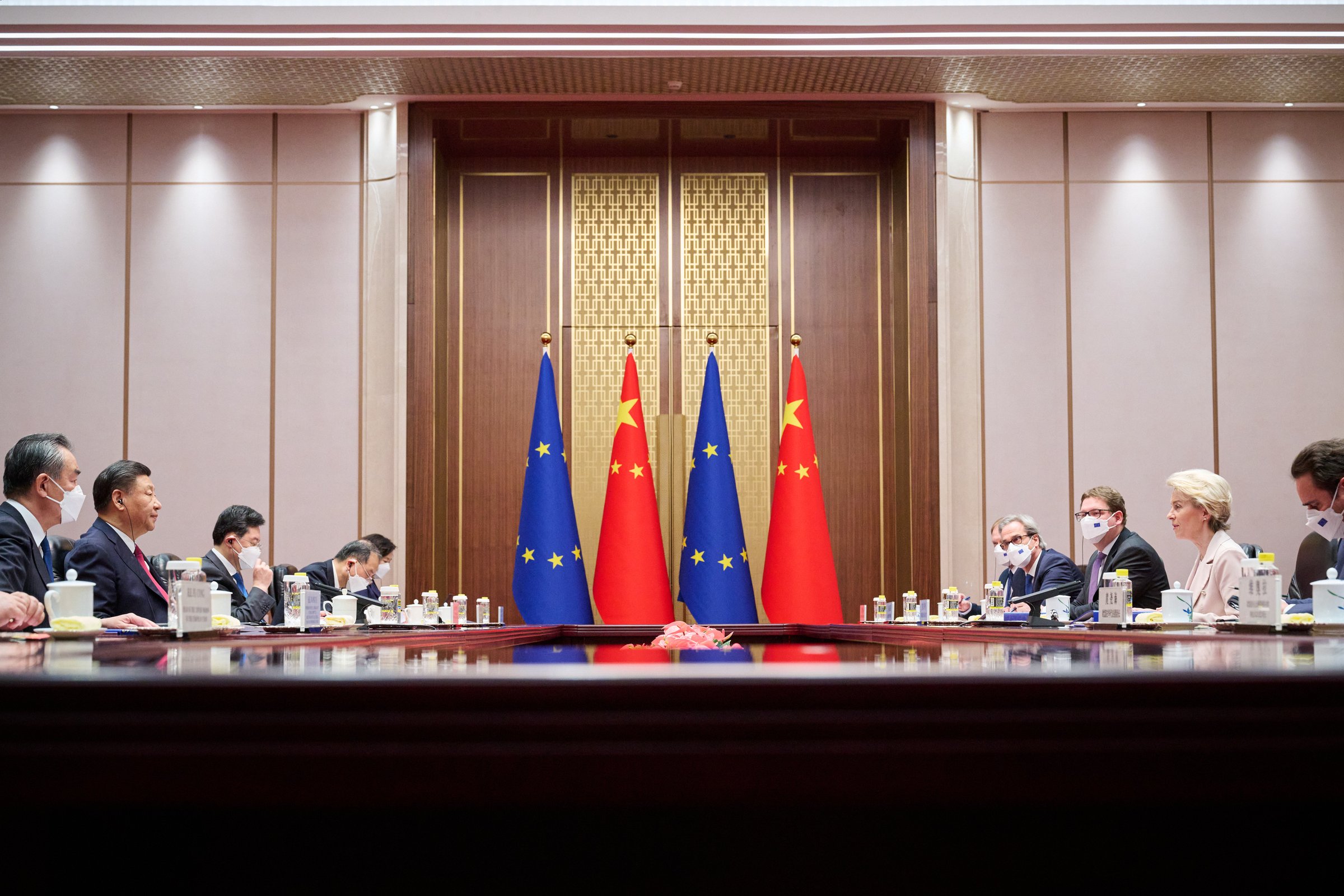
 ‘De-risking not decoupling’ with Beijing – but what does the EU actually mean?
“Critical partner” or “unfair” rival? The EU says that its trade relations with China must change – but Beijing retorts that any curbs on its exports will be met with retaliation.
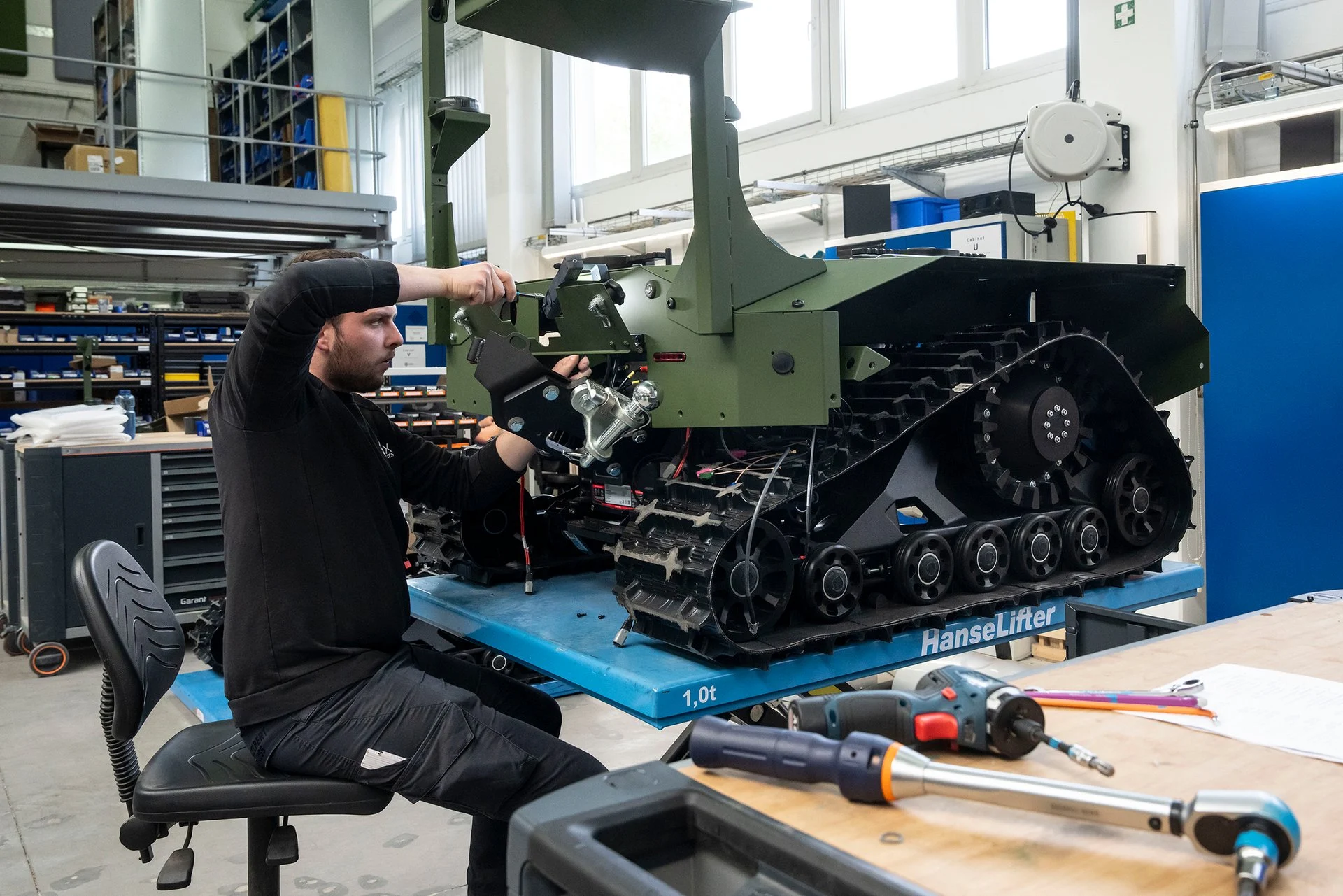
For Europeans facing a more aggressive Russia and a less reliable US, Munich’s booming defence startups show how quickly war is reshaping industry.
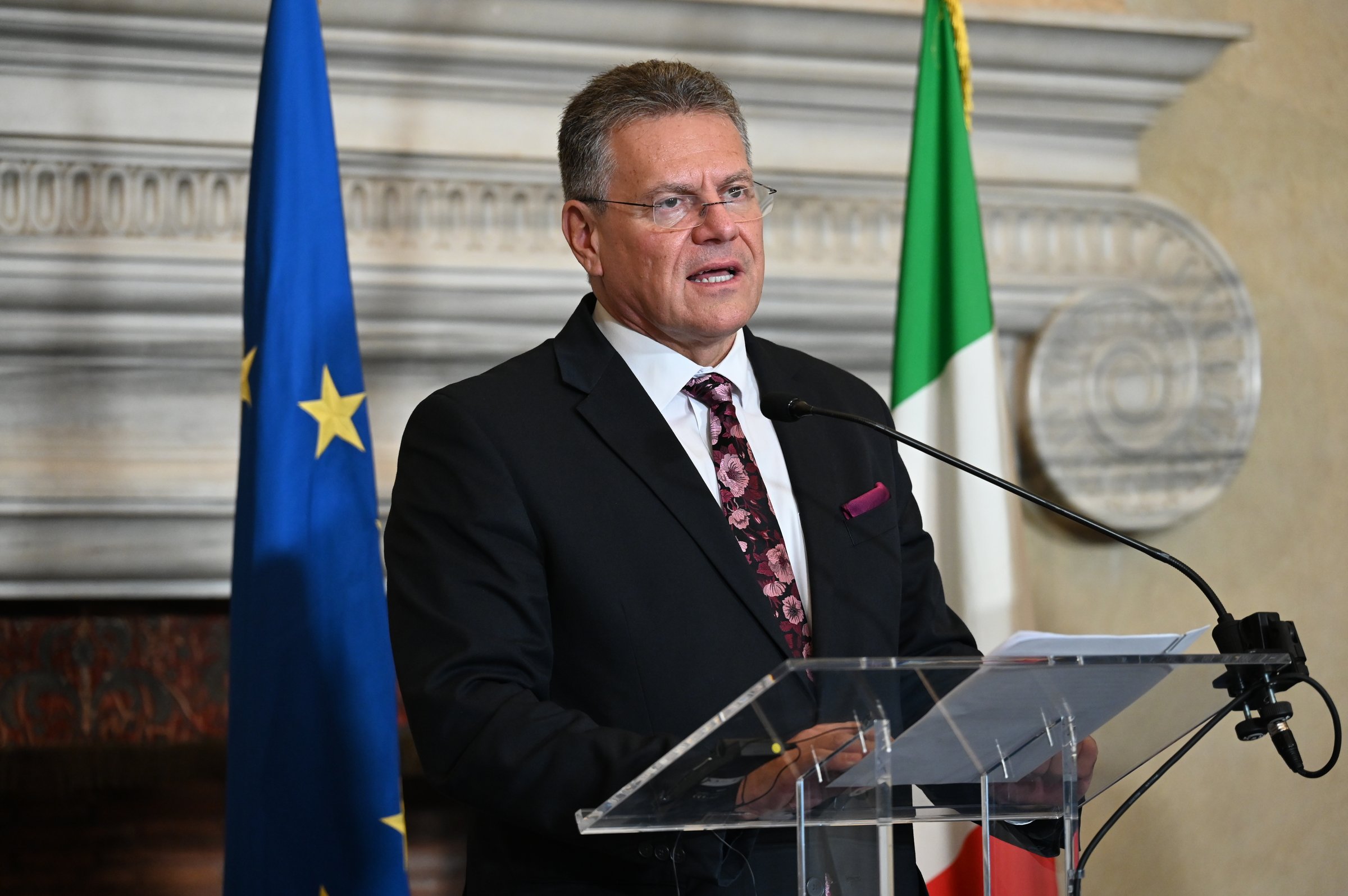
The EU Commission is now aiming a series of blows at China’s trade surplus – pulling out the ‘overcapacity instrument’ instrument from its armoury, which would cap imports of certain Chinese products to the EU.
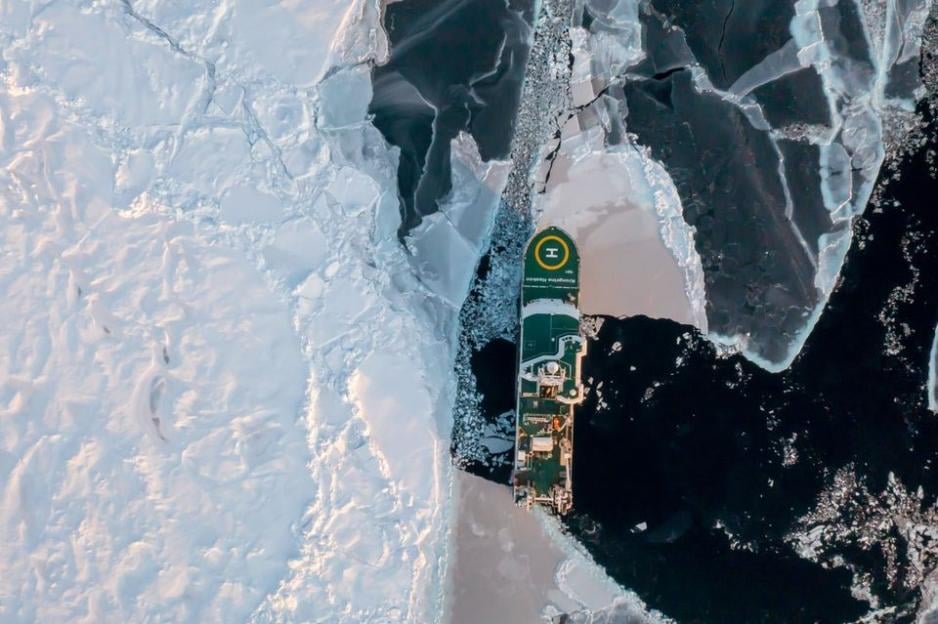
Norway is pushing Brussels to rethink its long-standing opposition to oil and gas development in the European Arctic, pushing the EU into reviewing its strategy. But would it meaningfully increase Europe’s energy security? And at what environmental cost?
