America at 250
Mark America’s 250th by reading the words through which the republic has imagined, tested, and judged itself.
2025–26
Online Seminar Series
Since Winter 2020, Humanities at Hertog has been devoted to a rigorous and exemplary educational experience that transcends the deficiencies of online learning. Our virtual seminars demonstrate that reading great books with others is compelling on its own terms and needs no promise of credentials, no threat of grades, no gimmicks, and no pandering.
You can expect small classes of 10-15 peers who share your love of ideas, guided by a passionate teacher. The courses offered through the Humanities program provide an opportunity not only to reflect on what great texts bring to bear on enduring questions, but also how to begin a community in conversation.
Dr. Halper on Humanities at Hertog
Humanities Dean
Scholar
Ashland University
Assumption University
Hertog Foundation
AEI
St. John's University
American University

Christopher Utter
View MoreHertog Foundation
University College London
St. Thomas University
UNC Chapel Hill
Rita Koganzon
View MoreUSMA West Point
UAX
AEI
AEI
Benjamin Storey & Jenna Silber Storey
View MoreThe Atlantic
Mark America’s 250th by reading the words through which the republic has imagined, tested, and judged itself.
Explore the history, promises, and controversies of liberal education, from classical philosophy to the American college and the modern university.

Read Faulkner's demanding Southern epic as a meditation on memory, inheritance, loyalty, & moral judgment.
Revisit a Great American Novel for America's 250th.
Read an epic poem that is a reflection on divine justice & an investigation of the human good.
Read two great American novels that launched a literary & cultural revolution.
Read a history that's part biography of the scientists working at the advent of nuclear physics & part biography of the atom itself.

Start the new year with a comic story of “passion requited” & “love attained.”

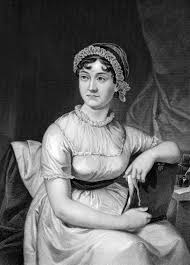
Commemorate the 250th anniversary of Austen’s birth with her most subtle & mature work.

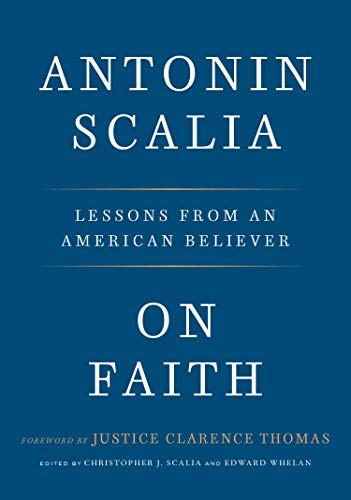
Reflect on the nature of faith, the foundations of ethics, & the limits of language.
Read a Platonic dialogue between Socrates & Protagoras, a celebrated sophist & philosopher.
Study Dostoevsky's great novel on the nature, logic, and social origins of revolutionary politics.
Revisit the quarrel between "the ancients and the moderns" and reflect on human nature with Swift's Gulliver's Travels.

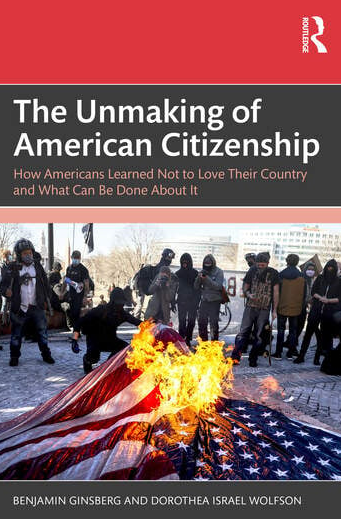
Study this monumental work on race, identity, and citizenship in America.

Reflect on a novel rich with themes of politics, philosophy, religion, love, friendship, and death.
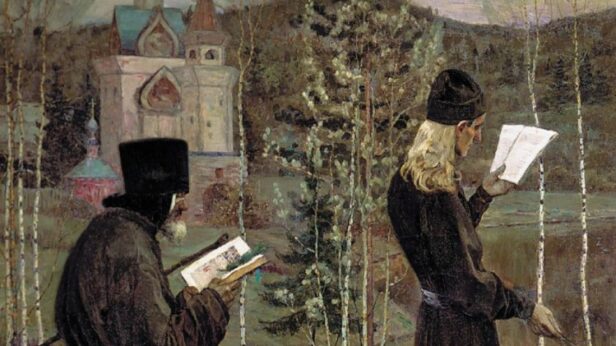
Meditate on Dostoevsky’s final – and greatest – novel.
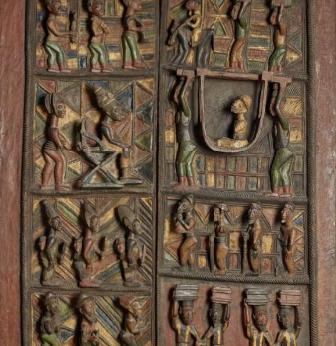
Reflect on two great novels from the father of modern African literature.
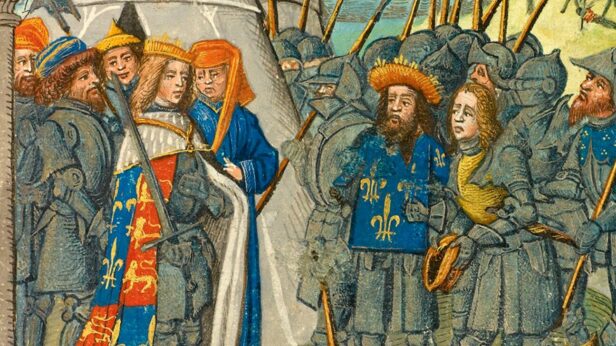

Read Tom Wolfe’s devastating, irresistible satire of urban and racial politics.
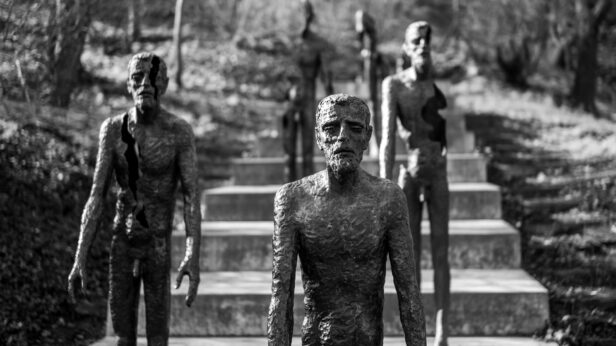
Reflect on the human consequence of modern thought with Doestovesky's 1864 novella.

Study Jane Austen's beloved novel of marriage and manners.
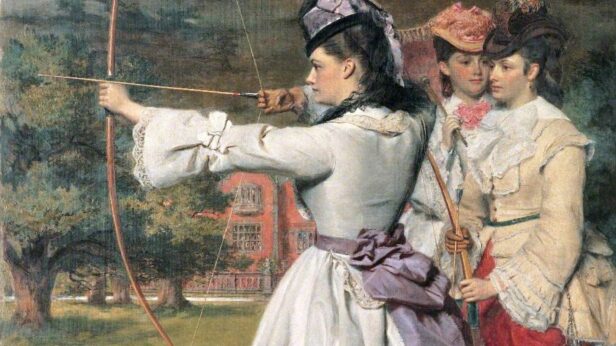
Compare America and Europe, aristocracy and democracy, in Wharton's classic novel.

Explore visions of utopian & dystopian societies in three short novels.
Study Dostoyevsky’s first great novel, an astonishing prophecy of ideological terror & social insanity.

Study one of literature's great heroines—Lily Bart—and her quest for love and freedom.

Explore the fundamental human question of the nature and existence of God with Melville's great American novel.
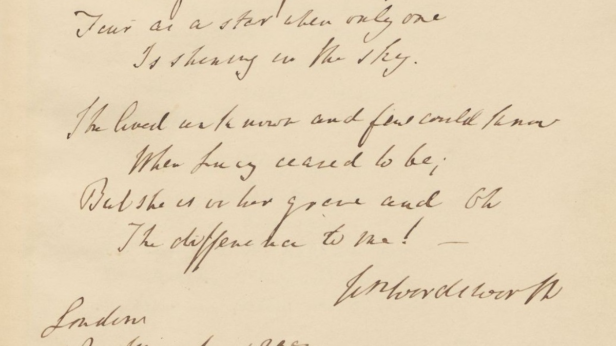
Explore the political and social turmoil of the Romantic Period with Blake, Wordsworth, Byron, and more.

Follow the transatlantic adventures of a social-climbing American in this classic novel.
Study classics in political writing & learn how to do what the authors do.

Reflect on man’s relation to the wilderness & the beauty that can be found in solitude.
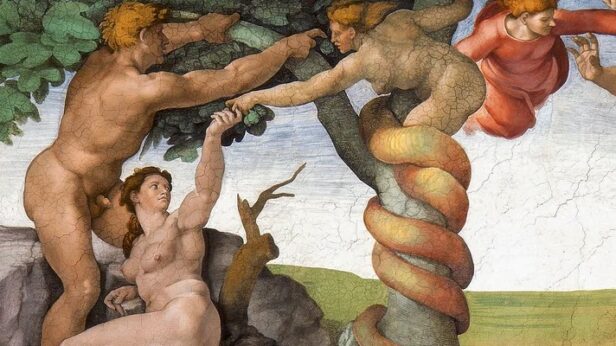
Read an epic poem of cosmic scope–from the rebellion against heaven to the creation of the world & man’s expulsion from Eden.
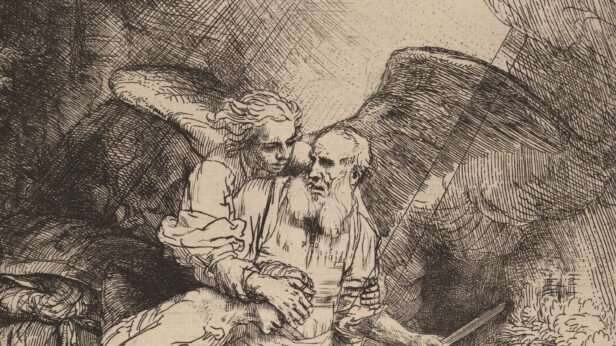
Inquire into the ultimacy of faith, the limits of rationality, & their implications for understanding the good life.
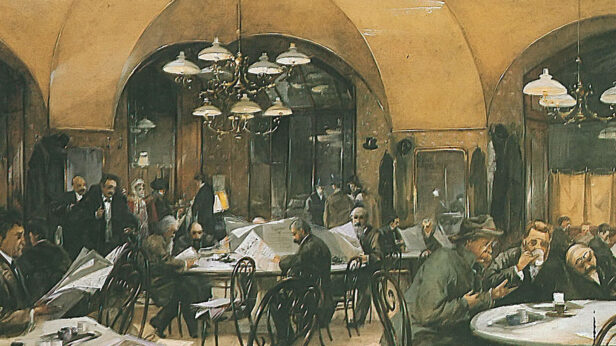
Read a poignant elegy for a culture destroyed by the two world wars.
Reflect on what it means to be an American.
Read Solzhenitsyn's searing & deep indictment of the Communist project for its 50th anniversary.

For Hertog alumni. Celebrate Jane Austen at 250 with this online series devoted to her novels.

For high school educators. Delve into Aristotle's insights on persuasion, judgment, & political life.
For Hertog alumni. Embark on an inquiry into origins—of creation, covenant, & character.
Read the classic postwar novel that made Hemingway the voice of the "Lost Generation."

Devote your winter to Eliot’s masterpiece—one of the greatest novels in the English language.

Explore two alternative accounts of the existential condition & the proper human response to it.
Read a Gothic–Romantic & early science fiction text that reflects on modern science, nature, & the ambitions of enlightenment.

Read the story of a doomed poet & his wife's heroic dedication to the preservation of his verse.
Explore one of the most pivotal transitions in Biblical history, tracing Israel’s path from tribal society to unified monarchy.

Read a novel about the essential human things: faith, reason, love, friendship, poetry, & philosophy.
Discover what Thucydides can teach us about the permanent questions of political life.
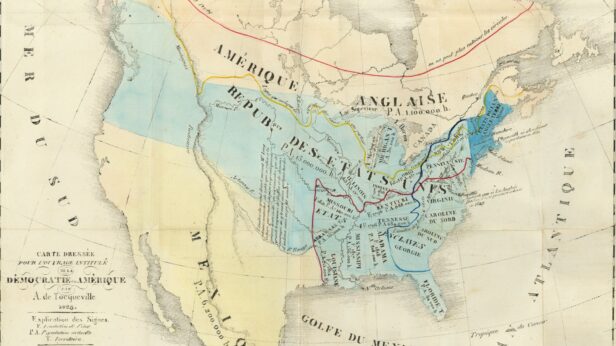
For Hertog alumni. Re-examine the foundational text on American democracy and liberty.
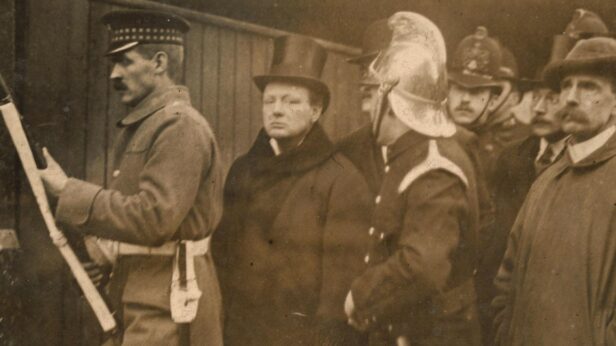
Study the first volume of The Second World War, Churchill's history of world events from WWI to his election to Prime Minister in 1940.
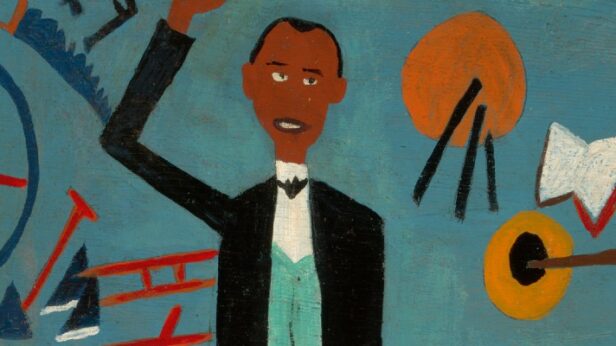
Study the moral vision & subtle statesmanship of Booker T. Washington.
Who Should Apply? Undergradute and graduate students, recent graduates, and young professionals, 35 and under, are all eligible to apply. Up to 15 fellows will be selected for each course. Admissions are made on a rolling basis.
Dates & Times: All seminars meet via Zoom, and are scheduled in the afternoons, evenings, and on weekends to allow students across time zones to come together. See the individual course pages for more details.
Course Materials: All course materials will be provided.
Program Requirements: Each fellow will write one brief reflection paper (1-2 pages) and lead discussion during their course. Fellows who attend all sessions will be eligible for an Amazon gift card.
Deadlines: The deadline for Spring 2026 seminars is January 20, 2026.
Questions? Email Nate Spanos.
Please provide a brief account of your interest in your selected seminars.
Unofficial; required only for currently enrolled students & recent graduates.
12 pages maximum; double-spaced. Please send academic writing that best showcases your ability to invent and sustain a persuasive argument, no matter the subject-matter.
Provide the name and contact information of two references: a professor, mentor, or supervisor.
Product Manager, Google
FiscalNote, National Journal, Berkley Center for Religion, Peace, and World Affairs
Georgetown University
Amanda Wynter has written for The Atlantic, and worked as an Atlantic Media Research Fellow at National Journal. She came to Political Studies from Georgetown University, where she majored in Government, with a minor in Political Philosophy.
A friend of mine at Georgetown from political theory circles was an alum of Political Studies, and he suggested that the Program was something I would really benefit from and enjoy. At the time, I had recently transferred schools within Georgetown from security studies to political philosophy, and Hertog looked like a chance to delve deeper into the examination of big political ideas. That aspect of the Program was definitely attractive to me, and it proved to be really valuable.
Eventually I want to go to graduate school, and ultimately I see myself teaching at the university level. Political Studies was my first glimpse of what a life in academia would look like. Spending time around graduate students and other university students interested in entering the academy was certainly informative and influential.
Right now, I’m working for a research team that looks at government affairs from a business perspective. Since I was a government major in school, working in government affairs now lines up well. But it was my time at Hertog that really put me on the first path towards looking at politics writ large.
During Political Studies, I spent one of the weeks in the bioethics course. I found that really wrestling with questions of ethics and morality and the way that plays into policy was extremely valuable. I had never been exposed to such drastically different perspectives.
We had people there with views across the entire political spectrum, which I think is one of Hertog’s biggest accomplishments. Getting people who think completely different things into the same room and opening a dialogue is hard, but it was a hallmark of Political Studies. I couldn’t have asked for a better group of people with whom to flesh out those ideas.
First and foremost, Hertog gives people the opportunity to think about politics for an extended period of time with other people who are also interested in doing the same thing. Though you have a similar experience in universities, the mindset Hertog puts you in is specifically defined by developing a reverence for old texts while also looking at contemporary issues.
The juxtaposition of those two activities is critical, and I don’t think students can get that in everyday college classes where you’re either focused on reading Plato in Ancient Greek or reading The Washington Post. Being able to do both at the same time, and furthermore, being expected to do both at the same time, is very important.
Hertog is great for people interested in journalism. The crux of journalism is writing about ideas, and Hertog gets you thinking about big ideas. Political Studies also gives you exposure to important organizations and the different parts of DC, which is definitely beneficial.
Hopefully by that time I’ll have finished a Ph.D. and won’t be struggling through lonely nights with Rousseau and ramen. The actual teaching part I would be willing to wait for—first, I want to either travel and explore cultures and political issues through different lenses, or work in a specific sector like education or technology.
Hands-on experience will give me better sense of how to look at certain topics, and thus enable me to teach others how to look at them. Whatever happens, I want to be reading good things, and talking to good people about them.
Amanda Wynter has written for The Atlantic, and worked as an Atlantic Media Research Fellow at National Journal. She came to Political Studies from Georgetown University, where she majored in Government, with a minor in Political Philosophy.
“Hertog gives people the opportunity to think about politics for an extended period of time with other people who are also interested in doing the same thing. The mindset Hertog puts you in is specifically defined by developing a reverence for old texts while also looking at contemporary issues. The juxtaposition of those two activities is critical, and I don’t think students can get that in everyday college classes where you’re either focused on reading Plato in Ancient Greek or reading The Washington Post.”
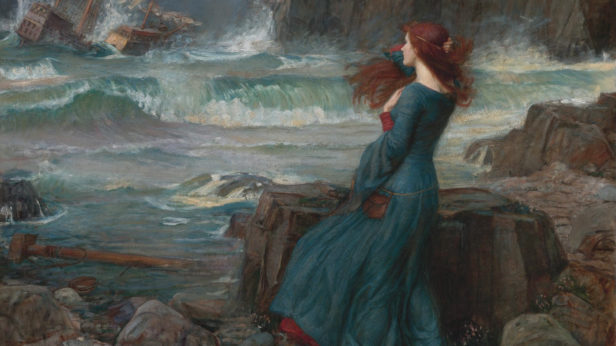
Meditate on the nature of political authority with one of Shakespeare's greatest plays.
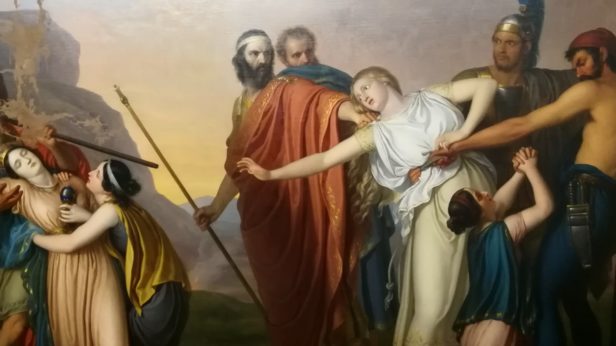
Consider the conflicting understandings of the familial, the divine, and the political, and their proper relationships through Antigone.

Reflect on the ethical dilemmas implied by the pursuit of power.
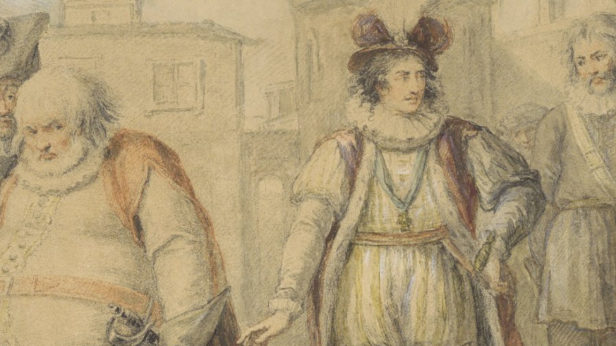
Explore the political and religious contexts of Shakespeare's plays.
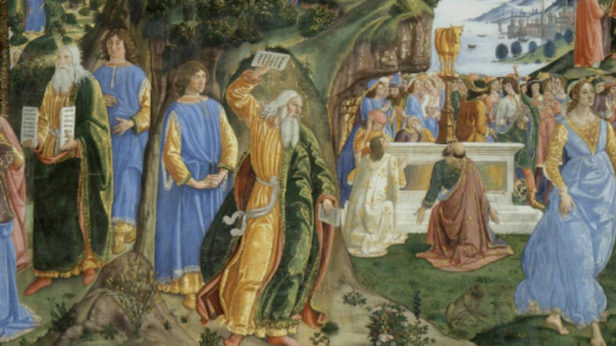
Explore the boundaries of politics from the perspective of the household and the divine.

Explore issues of American identity, character, and citizenship with classic short stories.
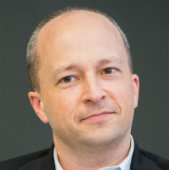
Yuval Levin
Yuval Levin is a Resident Scholar and Director of Social, Cultural, and Constitutional Studies at the American Enterprise Institute and the Editor of National Affairs magazine. Mr. Levin served on the White House domestic policy staff under President George W. Bush.
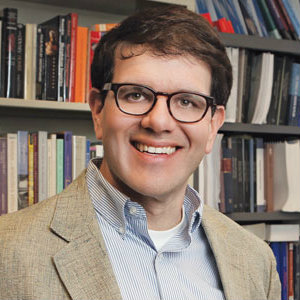
Ryan P. Hanley
Ryan Patrick Hanley is Professor of Political Science at Boston College. His research in the history of political philosophy focuses on the Enlightenment. He is the author of Our Great Purpose: Adam Smith on Living a Better Life and Love’s Enlightenment: Rethinking Charity in Modernity.
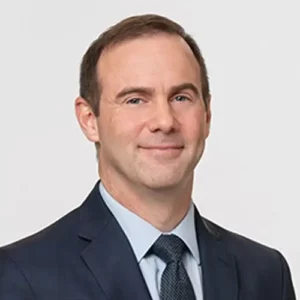
Christopher Scalia
Christopher J. Scalia is a senior fellow in the Social, Cultural, and Constitutional Studies department at the American Enterprise Institute, where he focuses on literature, culture, and higher education. Prior to his role at AEI, Dr. Scalia was an English professor with a specialty in 18th-century and early 19th-century British literature.
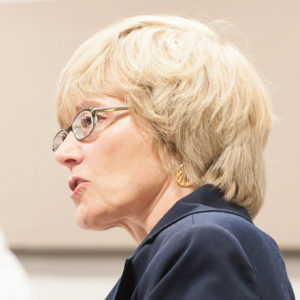
Diana Schaub
Diana Schaub is a nonresident senior fellow at the American Enterprise Institute (AEI), where her work is focused on American political thought and history, particularly Abraham Lincoln, Frederick Douglass, African American political thought, Montesquieu, and the relevance of core American ideals to contemporary challenges and debates. Concurrently, she is Professor Emerita of Political Science at Loyola University Maryland, where she taught for almost three decades.
Darren Staloff
Darren Staloff is a retired Professor of History from the City College of New York and the Graduate Center of CUNY. Professor Staloff has published numerous papers and reviews on the subject of early American history.
Paul Stern
Paul Stern is Professor of Politics at Ursinus College and a scholar of classical political philosophy. His course connects great books teaching, institutional practice, and the enduring question of what liberal education is for.
Sam Postell
Samuel Postell is Assistant Director of the Lyceum Scholars Program at Clemson University’s Snow Institute for the Study of Capitalism. He holds a Ph.D. in Politics from the University of Dallas, with a dissertation on Henry Clay, union, and legislative statesmanship. His teaching and research span American political thought, capitalism, politics and literature, and antebellum political life. He has a forthcoming book on Melville’s Moby-Dick entitled American Epic: Philosophy, Power, and Impiety in Melville’s Moby-Dick.
Jeffrey E. Schulman
Jeffrey E. Schulman is Program Manager for Academic Affairs at ACTA. He manages the What Will They Learn?® program and helps communicate ACTA’s mission of higher education reform through op-eds, blogs and articles. He earned a Ph.D. in ancient history from the University of Groningen with a dissertation on political culture in the late Roman empire for which he received the OIKOS PhD award.
Christopher Utter
Christopher Utter is Associate Director of the Lincoln Scholars program and term professorial lecturer in the Department of Government in the School of Public Affairs at American University. He regularly teaches courses in the Lincoln Scholars program as well as upper level political theory courses. His research focuses mainly on classical political philosophy with a particular interest in the problem of theory and practice in Plato and Aristotle.
Dorothea Wolfson
Dorothea Israel Wolfson is Managing Director of the Hertog Foundation. Previously, she was Director of the Master of Arts in Government Program at Johns Hopkins University. Her research and teaching interests center on democracy and civic engagement, American political thought, American politics, and family policy. She has published articles on Alexis de Tocqueville, Thomas Jefferson, Abigail Adams, and on John Locke and children’s literature.
Patrick Coleman
Patrick Coleman is a Tutor at St. John’s College. He earned his Ph.D. in Physics from University of Illinois, Urbana-Champaign, with a dissertation on synchronization, and his B.S. in Physics from William & Mary College along with a minor in Philosophy. He is currently leading a research group on the integration of a Technology and Computation segment in St. John’s College’s Graduate Institute. Patrick has led seminars and reading groups for The Catherine Project, including a recent reading group on Richard Feynman’s Lectures on Computation, and is especially devoted to deepening scientific literacy.
Cheryl Miller
Cheryl Miller is executive director at the Hertog Foundation. Previously, she served as deputy director of research in the Office of Presidential Speechwriting and as research assistant to David Brooks at The New York Times. Her reviews and commentary have appeared in such publications as The Wall Street Journal, Commentary, and The Weekly Standard. She graduated from the University of Dallas with Bachelor of Arts degrees in English and Politics.
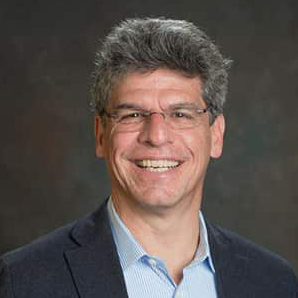
Jacob Howland
Jacob Howland has published five books and roughly 60 scholarly articles and review essays on the thought of Plato, Aristotle, Xenophon, Kierkegaard, the Talmud, the Holocaust, ideological tyranny, and other subjects. His most recent book is Glaucon’s Fate: History, Myth, and Character in Plato’s Republic.
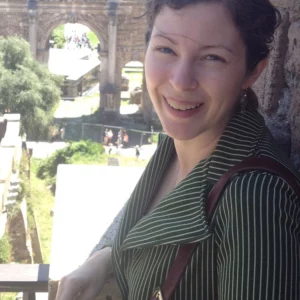
Mary Townsend
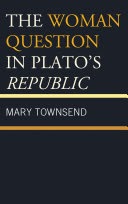
Mary Townsend is an associate professor of philosophy at St. John’s University, Queens, NY. Her 2017 book, The Woman Question in Plato’s Republic was named required reading by University of Pennsylvania’s Emily Wilson, translator of Homer’s Iliad and Odyssey, and her academic work on Plato, Beauvoir, and the American abolitionist Julia Ward Howe has appeared in Hypatia, Polis, and Social Philosophy Today.
Flagg Taylor
Flagg Taylor is the Executive Director of the Center for Civics, Culture, & Society, at Miami University. His research specialty is in the history of political thought and American government, especially the question of executive power. He is Chair of the Academic Council of the Victims of Communism Memorial Foundation.
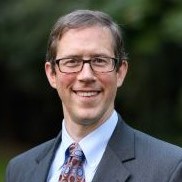
Thomas Merrill
Thomas Merrill is an associate professor in the School of Public Affairs at American University. He is the author of Hume and the Politics of Enlightenment. He is also the co-editor of three edited volumes, including The Political Thought of the Civil War.
Matthew Continetti
Matthew Continetti is the director of domestic policy studies and the inaugural Patrick and Charlene Neal Chair in American Prosperity at the American Enterprise Institute (AEI), where his work is focused on American political thought and history, with a particular focus on the development of the Republican Party and the American conservative movement in the 20th century.
Martha Bayles
Martha Bayles is a fellow at the Institute for Advanced Studies in Culture at the University of Virginia, and since 2003 she has taught humanities at Boston College. She is currently at work on a monograph on the threats to independent journalism around the world; and a book about the importance of “voluntary restraint” in the American tradition of free speech.
Eliot Cohen
Eliot Cohen is the Robert E. Osgood Professor at the Johns Hopkins University’s School of Advanced International Studies (SAIS) where he has taught since 1990. He served as Dean of SAIS from 2019 to 2021. In addition to public service in the Department of Defense he served as Counselor of the Department of State from 2007 to 2009.
Robert C. Bartlett
Robert C. Bartlett is the Behrakis Professor of Hellenic Political Studies at Boston College. His principal area of research is classical political philosophy, with particular attention to the thinkers of ancient Hellas, including Thucydides, Plato, and Aristotle. He is the co-translator of a new edition of Aristotle’s Nicomachean Ethics.

Mary Elizabeth Halper
Mary Elizabeth Halper is Dean of the Humanities at Hertog program and a tutor at St. John’s College, Annapolis. Previously, she was Associate Director of the Hertog Foundation. She graduated with B.A.s in Philosophy and Classics from the University of Dallas and has since been devoted to liberal education in various forms.
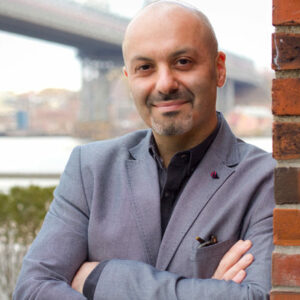
Boris Fishman
Boris Fishman is the author of the novels A Replacement Life and Don’t Let My Baby Do Rodeo, both New York Times Notable Books of the Year, and Savage Feast, a family memoir told through recipes.
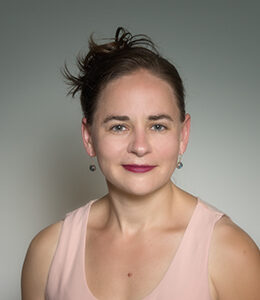
Molly Brigid McGrath
Molly Brigid McGrath is a professor of philosophy at Assumption University. She specializes in phenomenology, social ontology, and political philosophy, with particular interests in the works of Husserl, Aristotle, Searle, and classic texts by Plato, Aquinas, and Montesquieu.
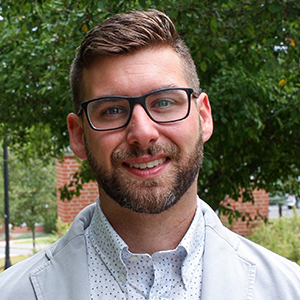
Matthew Dinan
Matthew Dinan is an Associate Professor in the Great Books Program at St. Thomas University in Fredericton, New Brunswick, Canada. He does research on Ancient Greek, Christian, and 19th and 20th Century Political Philosophy.
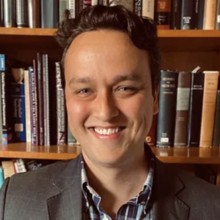
Ian Marcus Corbin
Ian Marcus Corbin is a philosopher on faculty in Neurology at Brigham and Women’s Hospital / Harvard Medical School, where he co-directs the Human Network Initiative, and is a Faculty Member at the HMS Center for Bioethics. His philosophical work examines the connections between modes of intersubjectivity, community, and cognitive flourishing.
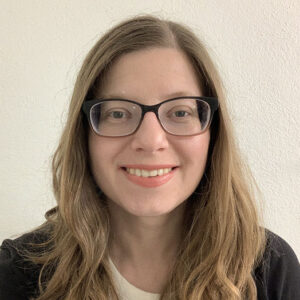
Rita Koganzon
She is an associate professor at the School of Civil Life and Leadership at UNC-Chapel Hill. Her research focuses on the themes of education, childhood, authority, and the family in historical and contemporary political thought. In addition to her research, she contributes book reviews and essays to the Hedgehog Review, National Affairs, The Point, and The Chronicle of Higher Education, among others.
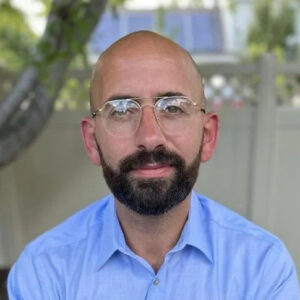
Alex Priou
Alex Priou is an Associate Professor of Political Theory at UATX. His research and teaching both focus on the history of political philosophy, with specialization in Plato and the Pre-Socratic poets and philosophers. He often writes for a broader audience on his Substack and Public Discourse and is the co-host of a weekly podcast The New Thinkery where he discusses a broad array of texts philosophical, historical, political, and literary.
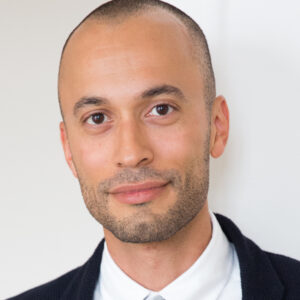
Thomas Chatterton Williams
Thomas Chatterton Williams is a staff writer at The Atlantic and the author of Losing My Cool and Self-Portrait in Black and White. He is a Visiting Professor of Humanities and senior fellow at the Hannah Arendt Center at Bard College, a 2022 Guggenheim fellow, and a visiting fellow at AEI. He was previously a contributing writer at The New York Times Magazine and a Columnist at Harper’s.
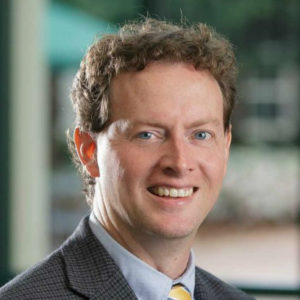
Benjamin Storey
Benjamin Storey is a senior fellow in Social, Cultural, and Constitutional Studies at the American Enterprise Institute (AEI), and co-director of AEI’s Center for the Future of the American University. He is concurrently an SNF Agora Fellow at Johns Hopkins University and a research fellow at the Civitas Institute at the University of Texas at Austin.
Gregory McBrayer
Greg McBrayer is Interim Provost at Ashland University and a political science professor specializing in political philosophy and international relations. He has published widely, co-authored and edited works on Plato and Xenophon, and previously held positions at Morehead State, Emory, and Gettysburg College.
Hugh Liebert

John Harpham
John Harpham is a Lecturer on Social Studies at Harvard University. He is an historian of political thought and an intellectual historian. His research examines ideas about slavery, freedom, and race, as well as the relation of such ideas to practices of enslavement and resistance across the Atlantic world. He is at work on a three-volume series about the ideas that were associated with the origins, development, and eventual abolition of slavery in the Anglo-American Atlantic world. The first volume, The Intellectual Origins of American Slavery, is currently available from Harvard University Press.
Samuel Garrett Zeitlin
Samuel Zeitlin is Lecturer in Modern Intellectual History at University College London, specializing in political thought, international relations, and the history of philosophy.
Jenna Silber Storey
Jenna Silber Storey is a senior fellow in the Social, Cultural, and Constitutional Studies department at the American Enterprise Institute (AEI), and co-director of AEI’s Center for the Future of the American University. She is concurrently an SNF Agora Fellow at Johns Hopkins University, and a research fellow at the Civitas Institute at the University of Texas at Austin. She also serves on the executive committee of the Alliance for Civics in the Academy.
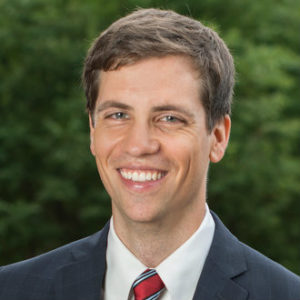
Antón Barba-Kay
Antón Barba-Kay is Associate Professor of Philosophy at The Catholic University of America, in Washington, D.C. (He is also, at the moment, Visiting Professor of Humanities at Deep Springs College, in California.) He earned his Ph.D. from the University of Chicago’s Committee on Social Thought, with a dissertation on Hegel’s Phenomenology of Spirit. The bulk of his research has concentrated on the subjects of recognition and aesthetics in nineteenth-century German philosophy. He is also writing a book about the political and philosophical implications of the digital revolution.
Ryan Patrick Hanley
Ryan Patrick Hanley is Professor of Political Science at Boston College. His research in the history of political philosophy focuses on the Enlightenment. He is the author of Our Great Purpose: Adam Smith on Living a Better Life and Love’s Enlightenment: Rethinking Charity in Modernity.
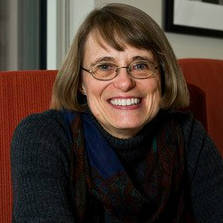
Vickie Sullivan
Vickie Sullivan is the Cornelia M. Jackson Professor of Political Science and teaches and studies political thought and philosophy. She also maintains teaching and research interests in politics and literature. She has published extensively on Montesquieu and Machiavelli and is the co-editor of Shakespeare’s Political Pageant.
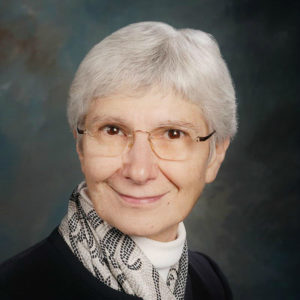
Amy A. Kass
Amy Apfel Kass (1940 – 2015) was a senior fellow at the Hudson Institute, Senior Lecturer Emerita in the humanities at the University of Chicago, and coeditor of What So Proudly We Hail: The American Soul in Story, Speech, and Song. She was an award-winning teacher of classic texts.
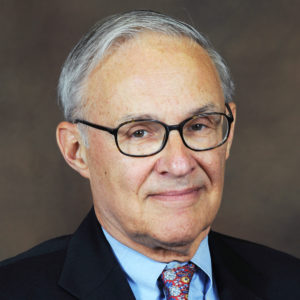
Leon R. Kass
Leon R. Kass, M.D., is the Madden-Jewett Scholar at the American Enterprise Institute and Harding Professor Emeritus in the Committee on Social Thought at the University of Chicago. From 2001 to 2005, he was chairman of the President’s Council on Bioethics.
