The July 4th Sale won't last long.
Save an extra 20% off subscription +
FREE month of ClassPass before it's gone. Code JULY4.
Sweat more, lose less. Save 47% off refreshingly-delicious stick packs
for better hydration + faster recovery all summer long.
For the bike, the boardroom, and beyond. Introducing our
new brand partner, Kendall Toole, Fitness Instructor and Entrepreneur.
We don't think of creatine is an "essential" nutrient, but with its benefits to muscles, bones, and brain health, we consider it conditionally essential for almost everyone.
Dr. Darren Candow is a Professor at the University of Regina and a globally recognized expert in creatine supplementation, muscle health, and aging. He leads the Aging Muscle and Bone Health Laboratory, where his research focuses on improving muscle, bone, and brain function through nutrition and resistance training.
With over 160 peer-reviewed publications—among the most in the world on creatine—his work has been widely cited and applied in both clinical and performance settings. He has received over $2 million in research funding and was named to Stanford University’s Top 2% of Scientists list.
Dr. Candow’s work is dedicated to developing practical, evidence-based strategies that support strength, cognition, and long-term health.
Taking your creatine with exercise always helps, but the most important thing is just taking it every day.
Dr. Abbie Smith-Ryan is a Professor at the University of North Carolina at Chapel Hill and a leading expert in exercise physiology, metabolism, and sport nutrition. She leads a research lab focused on body composition and performance, with a special emphasis on women’s health across the lifespan.
With over 220 peer-reviewed publications and international recognition, her work has helped shape how we understand training, nutrition, and recovery. She has been awarded Outstanding Sports Scientist of the Year and Nutrition Researcher of the Year by the National Strength and Conditioning Association.
Beyond the lab, Dr. Smith-Ryan is passionate about translating science into practical strategies that help people feel stronger, healthier, and more confident in their everyday lives.
We get this a lot, but creatine won't make you bloated. In fact, research indicates it may make you less bloated by pulling extracellularl water into your muscles and brain.
Dr. Abbie Smith-Ryan is a Professor at the University of North Carolina at Chapel Hill and a leading expert in exercise physiology, metabolism, and sport nutrition. She leads a research lab focused on body composition and performance, with a special emphasis on women’s health across the lifespan.
With over 220 peer-reviewed publications and international recognition, her work has helped shape how we understand training, nutrition, and recovery. She has been awarded Outstanding Sports Scientist of the Year and Nutrition Researcher of the Year by the National Strength and Conditioning Association.
Beyond the lab, Dr. Smith-Ryan is passionate about translating science into practical strategies that help people feel stronger, healthier, and more confident in their everyday lives.
While 5-10g a day will provide most of the benefits of creatine for most people, research indicates there are no adverse effects up to 20g a day.
Dr. Darren Candow is a Professor at the University of Regina and a globally recognized expert in creatine supplementation, muscle health, and aging. He leads the Aging Muscle and Bone Health Laboratory, where his research focuses on improving muscle, bone, and brain function through nutrition and resistance training.
With over 160 peer-reviewed publications—among the most in the world on creatine—his work has been widely cited and applied in both clinical and performance settings. He has received over $2 million in research funding and was named to Stanford University’s Top 2% of Scientists list.
Dr. Candow’s work is dedicated to developing practical, evidence-based strategies that support strength, cognition, and long-term health.
Creatine is absolutely safe during pregnancy, and will deliver the same benefits to expectant mothers as it will for anyone else.
Dr. Abbie Smith-Ryan is a Professor at the University of North Carolina at Chapel Hill and a leading expert in exercise physiology, metabolism, and sport nutrition. She leads a research lab focused on body composition and performance, with a special emphasis on women’s health across the lifespan.
With over 220 peer-reviewed publications and international recognition, her work has helped shape how we understand training, nutrition, and recovery. She has been awarded Outstanding Sports Scientist of the Year and Nutrition Researcher of the Year by the National Strength and Conditioning Association.
Beyond the lab, Dr. Smith-Ryan is passionate about translating science into practical strategies that help people feel stronger, healthier, and more confident in their everyday lives.
We get this a lot, but creatine won't make you bloated. In fact, research indicates it may make you less bloated by pulling extracellularl water into your muscles and brain.
Dr. Abbie Smith-Ryan is a Professor at the University of North Carolina at Chapel Hill and a leading expert in exercise physiology, metabolism, and sport nutrition. She leads a research lab focused on body composition and performance, with a special emphasis on women’s health across the lifespan.
With over 220 peer-reviewed publications and international recognition, her work has helped shape how we understand training, nutrition, and recovery. She has been awarded Outstanding Sports Scientist of the Year and Nutrition Researcher of the Year by the National Strength and Conditioning Association.
Beyond the lab, Dr. Smith-Ryan is passionate about translating science into practical strategies that help people feel stronger, healthier, and more confident in their everyday lives.
While 5-10g a day will provide most of the benefits of creatine for most people, research indicates there are no adverse effects up to 20g a day.
Dr. Darren Candow is a Professor at the University of Regina and a globally recognized expert in creatine supplementation, muscle health, and aging. He leads the Aging Muscle and Bone Health Laboratory, where his research focuses on improving muscle, bone, and brain function through nutrition and resistance training.
With over 160 peer-reviewed publications—among the most in the world on creatine—his work has been widely cited and applied in both clinical and performance settings. He has received over $2 million in research funding and was named to Stanford University’s Top 2% of Scientists list.
Dr. Candow’s work is dedicated to developing practical, evidence-based strategies that support strength, cognition, and long-term health.
Creatine is absolutely safe during pregnancy, and will deliver the same benefits to expectant mothers as it will for anyone else.
Dr. Abbie Smith-Ryan is a Professor at the University of North Carolina at Chapel Hill and a leading expert in exercise physiology, metabolism, and sport nutrition. She leads a research lab focused on body composition and performance, with a special emphasis on women’s health across the lifespan.
With over 220 peer-reviewed publications and international recognition, her work has helped shape how we understand training, nutrition, and recovery. She has been awarded Outstanding Sports Scientist of the Year and Nutrition Researcher of the Year by the National Strength and Conditioning Association.
Beyond the lab, Dr. Smith-Ryan is passionate about translating science into practical strategies that help people feel stronger, healthier, and more confident in their everyday lives.
We don't think of creatine is an "essential" nutrient, but with its benefits to muscles, bones, and brain health, we consider it conditionally essential for almost everyone.
Dr. Darren Candow is a Professor at the University of Regina and a globally recognized expert in creatine supplementation, muscle health, and aging. He leads the Aging Muscle and Bone Health Laboratory, where his research focuses on improving muscle, bone, and brain function through nutrition and resistance training.
With over 160 peer-reviewed publications—among the most in the world on creatine—his work has been widely cited and applied in both clinical and performance settings. He has received over $2 million in research funding and was named to Stanford University’s Top 2% of Scientists list.
Dr. Candow’s work is dedicated to developing practical, evidence-based strategies that support strength, cognition, and long-term health.
While 5-10g a day will provide most of the benefits of creatine for most people, research indicates there are no adverse effects up to 20g a day.
Dr. Darren Candow is a Professor at the University of Regina and a globally recognized expert in creatine supplementation, muscle health, and aging. He leads the Aging Muscle and Bone Health Laboratory, where his research focuses on improving muscle, bone, and brain function through nutrition and resistance training.
With over 160 peer-reviewed publications—among the most in the world on creatine—his work has been widely cited and applied in both clinical and performance settings. He has received over $2 million in research funding and was named to Stanford University’s Top 2% of Scientists list.
Dr. Candow’s work is dedicated to developing practical, evidence-based strategies that support strength, cognition, and long-term health.
We get this a lot, but creatine won't make you bloated. In fact, research indicates it may make you less bloated by pulling extracellularl water into your muscles and brain.
Dr. Abbie Smith-Ryan is a Professor at the University of North Carolina at Chapel Hill and a leading expert in exercise physiology, metabolism, and sport nutrition. She leads a research lab focused on body composition and performance, with a special emphasis on women’s health across the lifespan.
With over 220 peer-reviewed publications and international recognition, her work has helped shape how we understand training, nutrition, and recovery. She has been awarded Outstanding Sports Scientist of the Year and Nutrition Researcher of the Year by the National Strength and Conditioning Association.
Beyond the lab, Dr. Smith-Ryan is passionate about translating science into practical strategies that help people feel stronger, healthier, and more confident in their everyday lives.
We don't think of creatine is an "essential" nutrient, but with its benefits to muscles, bones, and brain health, we consider it conditionally essential for almost everyone.
Dr. Darren Candow is a Professor at the University of Regina and a globally recognized expert in creatine supplementation, muscle health, and aging. He leads the Aging Muscle and Bone Health Laboratory, where his research focuses on improving muscle, bone, and brain function through nutrition and resistance training.
With over 160 peer-reviewed publications—among the most in the world on creatine—his work has been widely cited and applied in both clinical and performance settings. He has received over $2 million in research funding and was named to Stanford University’s Top 2% of Scientists list.
Dr. Candow’s work is dedicated to developing practical, evidence-based strategies that support strength, cognition, and long-term health.
Creatine is absolutely safe during pregnancy, and will deliver the same benefits to expectant mothers as it will for anyone else.
Dr. Abbie Smith-Ryan is a Professor at the University of North Carolina at Chapel Hill and a leading expert in exercise physiology, metabolism, and sport nutrition. She leads a research lab focused on body composition and performance, with a special emphasis on women’s health across the lifespan.
With over 220 peer-reviewed publications and international recognition, her work has helped shape how we understand training, nutrition, and recovery. She has been awarded Outstanding Sports Scientist of the Year and Nutrition Researcher of the Year by the National Strength and Conditioning Association.
Beyond the lab, Dr. Smith-Ryan is passionate about translating science into practical strategies that help people feel stronger, healthier, and more confident in their everyday lives.
Bought these for the gym but the mental clarity has been the biggest win. I work a demanding job and used to hit a wall every afternoon. Since taking these daily I'm sharper, more focused, and sleeping better.
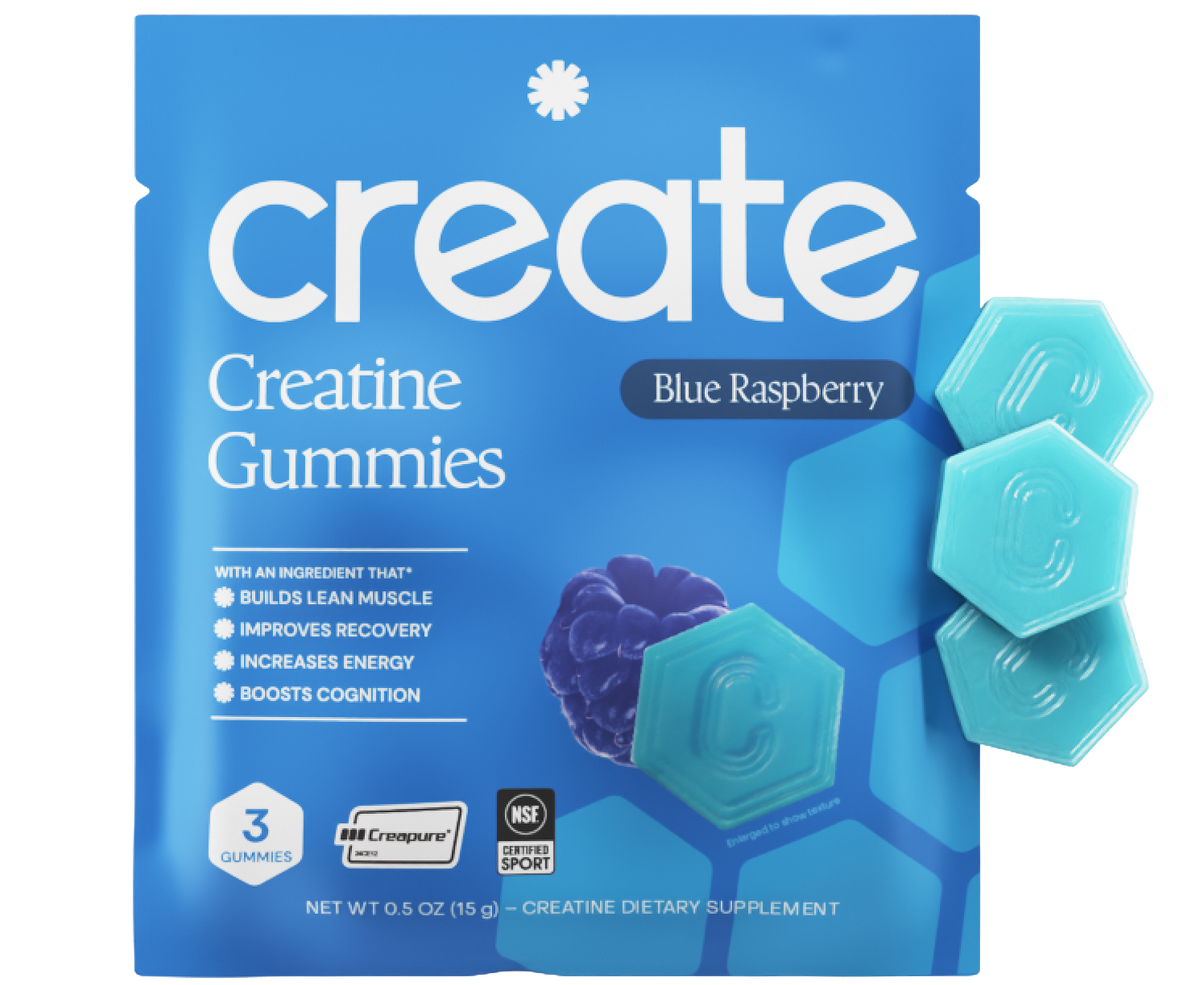
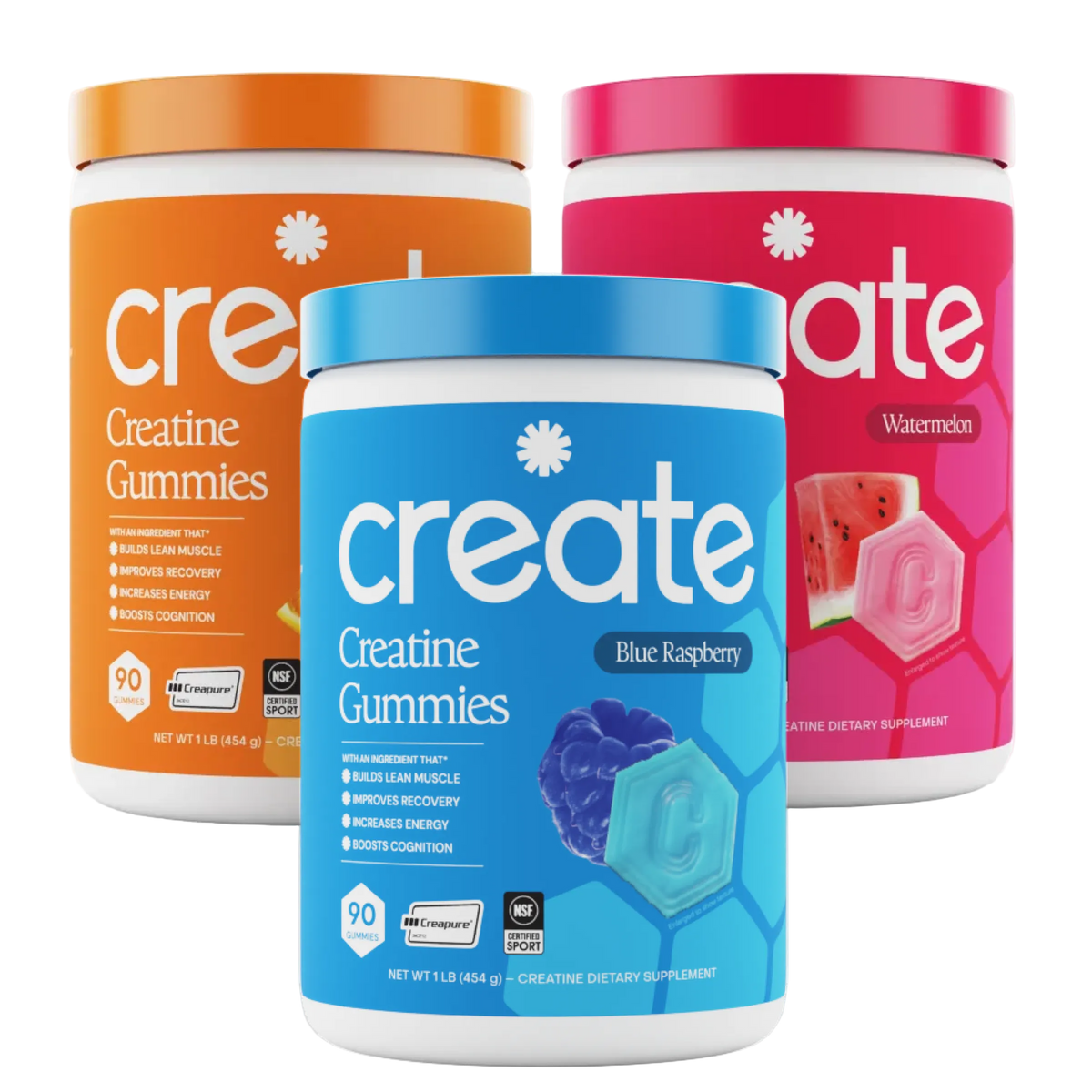
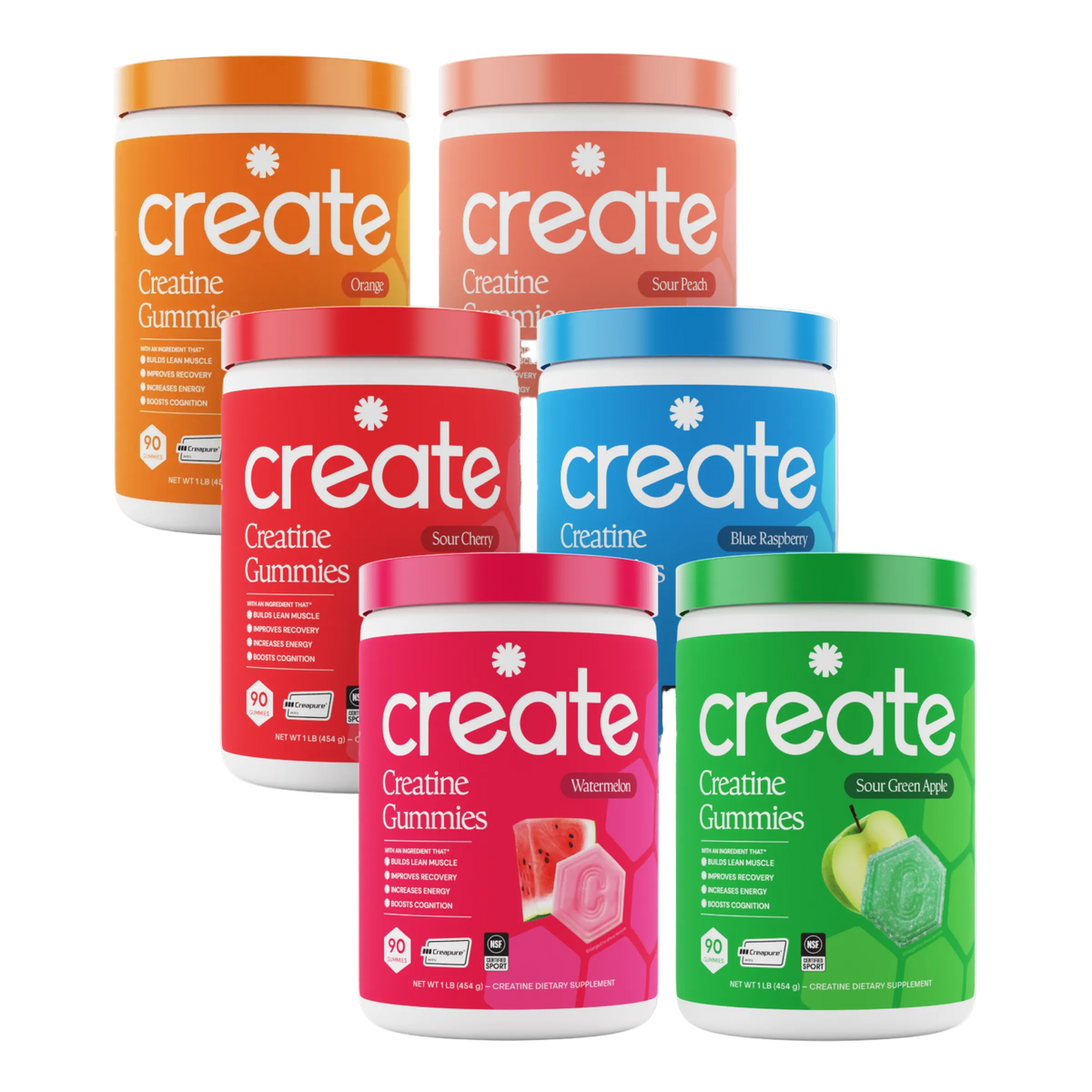
I've been taking creatine for years and always dreaded it. Chalky powder, bad aftertaste, the whole thing. These taste like actual candy. The watermelon is dangerously good. The fact that something this delicious is NSF certified and backed by real science still blows my mind.
I was nervous creatine would make me look puffy but it's been the opposite. After about 6 weeks I started noticing more muscle definition, especially in my arms and shoulders. The lean muscle gains are real.
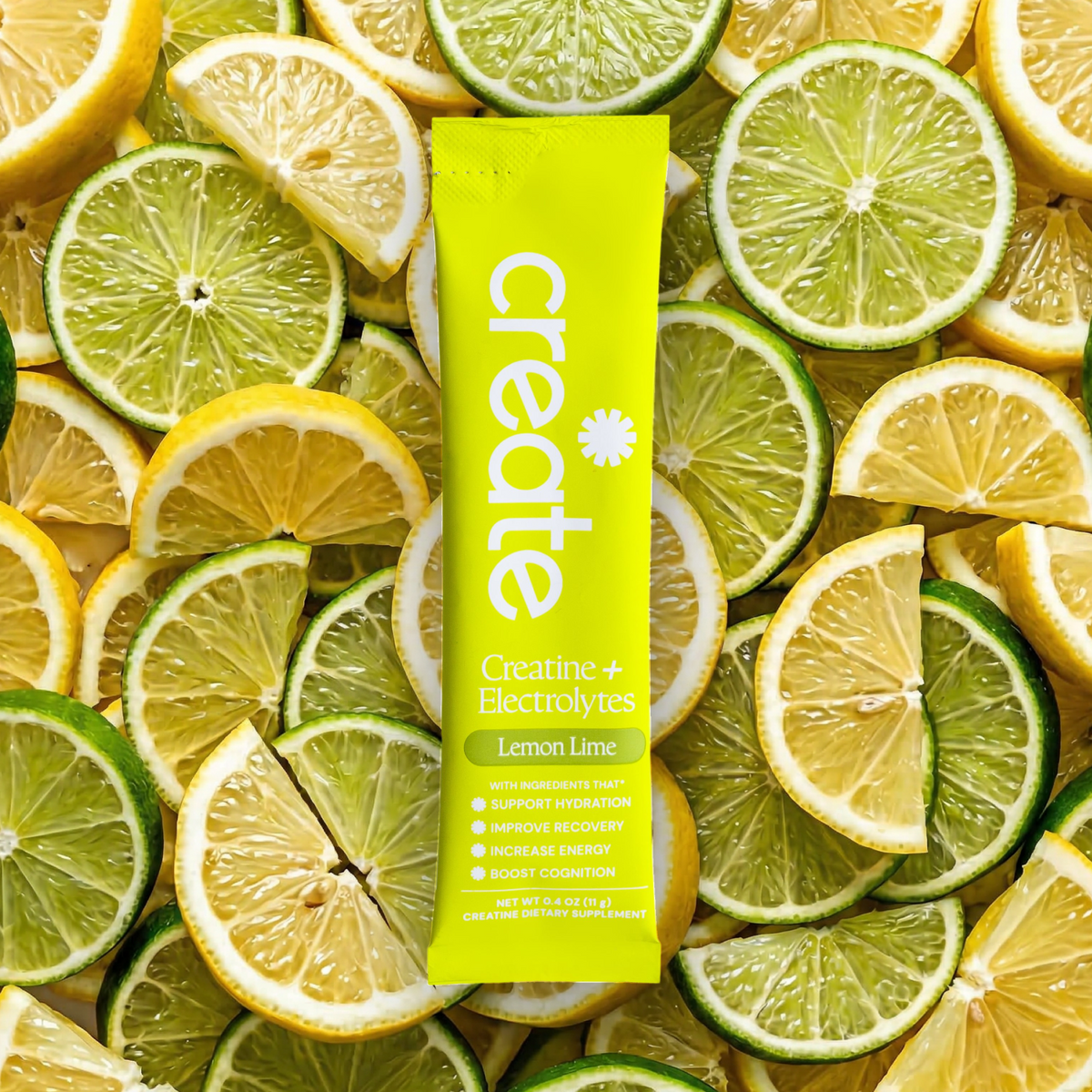
I was in the early group that got to try this before launch and immediately bought more. The lemon lime flavor tastes like a proper drink. I've been taking it after workouts and the recovery difference is noticeable. Two benefits in one packet. It's a no-brainer.
I travel for work constantly and always struggled to keep up with supplements on the road. The creatine + electrolytes stick packs are the first thing I throw in my bag. I mix one in my hotel water bottle in the morning and I'm set on my daily supplements. Three months consistent for the first time ever and the results show.
The first week I wasn't sure anything was happening. By week two I wasn't as sore after workouts. By week three I was lifting heavier than I had in months. The results are subtle at first and then suddenly very obvious. I feel amazing in every way!