While we’ve accepted that websites don’t need to look the same everywhere, we seem to be stuck on a new hurdle: the idea that websites need to function the same everywhere.
A rather geeky/technical weblog, est. 2001, by Bramus
While we’ve accepted that websites don’t need to look the same everywhere, we seem to be stuck on a new hurdle: the idea that websites need to function the same everywhere.
attr() or match-element for the view-transition-name?
At CSS Day, “YouTube guy” Kevin Powell showed a lot of demos that relied on the advanced attr() function. In one of the examples he used attr() to set view-transition-name values — a technique I covered in my article on advanced attr() function.
But then during the Q&A, Cyd Stumpel wondered if he couldn’t just use match-element there.
The short answer to that question is yes. The longer answer is … It Depends™
view-transitions-toolkit, a collection of utility functions to more easily work with View Transitions.
In my work with View Transitions over the last several years, I’ve published everything from deep-dive articles, demos, and announcement videos at Google I/O. I’ve also done some more experimental things with it, such as optimizing the keyframes or driving a View Transition by scroll.
To turn the lessons from these scattered experiments into something more reusable for both you and me, I’ve bundled the most frequent code patterns into a dedicated package: view-transitions-toolkit.
position: sticky now sticks to the nearest scroller on a per axis basis!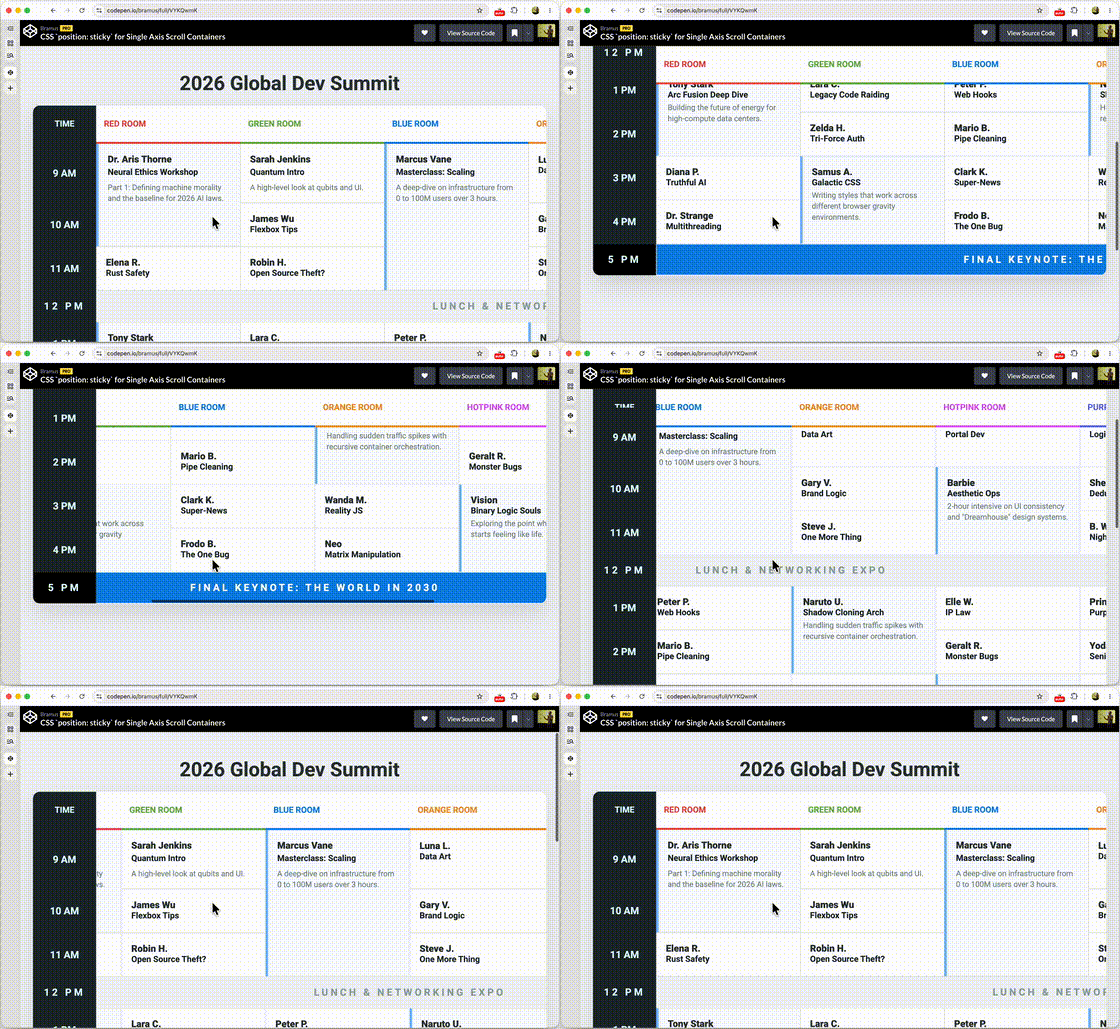
If you’ve ever tried to build a data table with a sticky header and a sticky first column, you know the pain. You’d think a simple position: sticky with top: 0 and left: 0 would be enough, but the reality was that only one of both would stick.
A recent change to CSS fixes this: position: sticky now plays nice with single-axis scrollers, allowing you to have sticky elements that track different scroll containers on different axes. This change is available for testing in Chrome 148 with the experimental web platform features flag flipped.
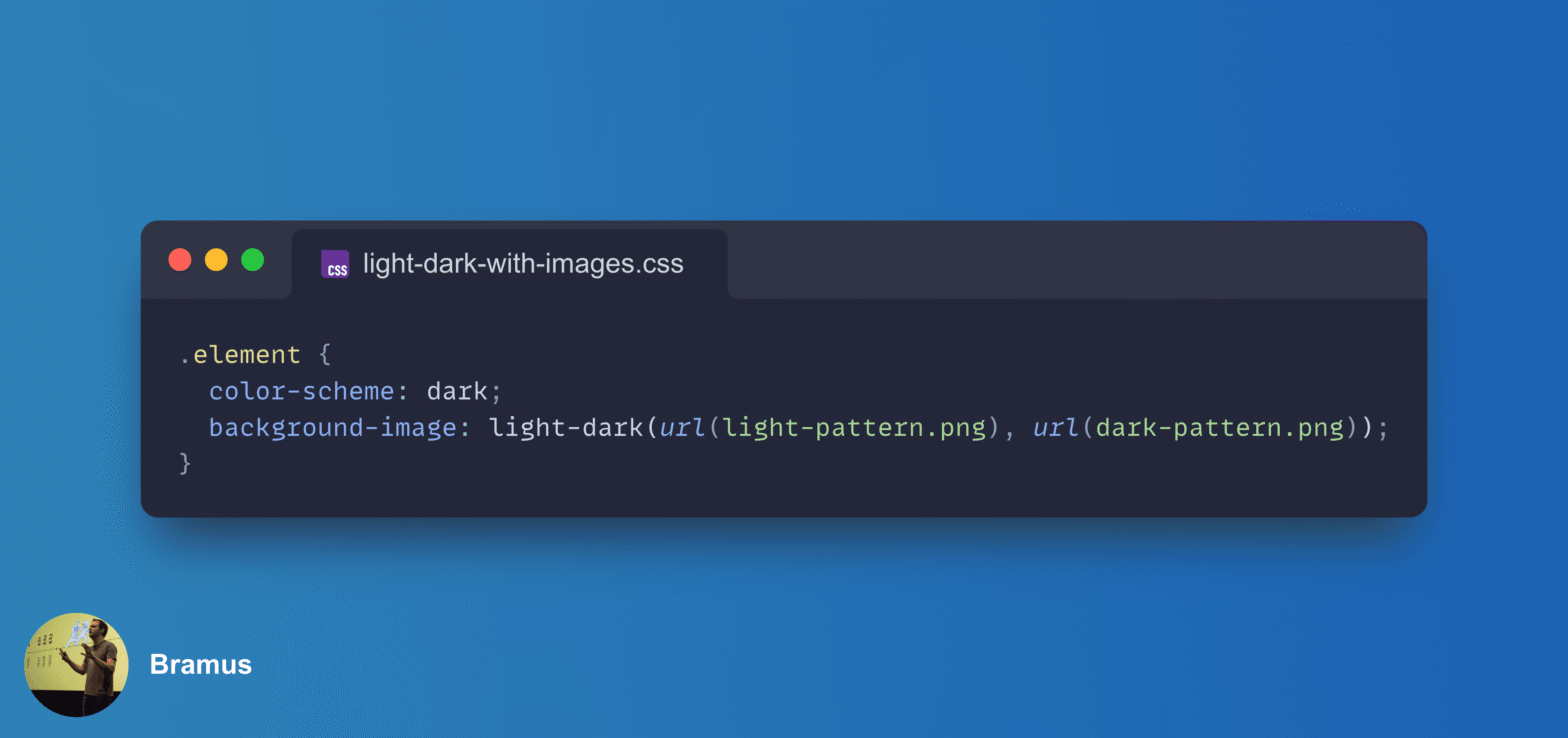
light-dark() is about to support images!@supports at-rule(@keyword)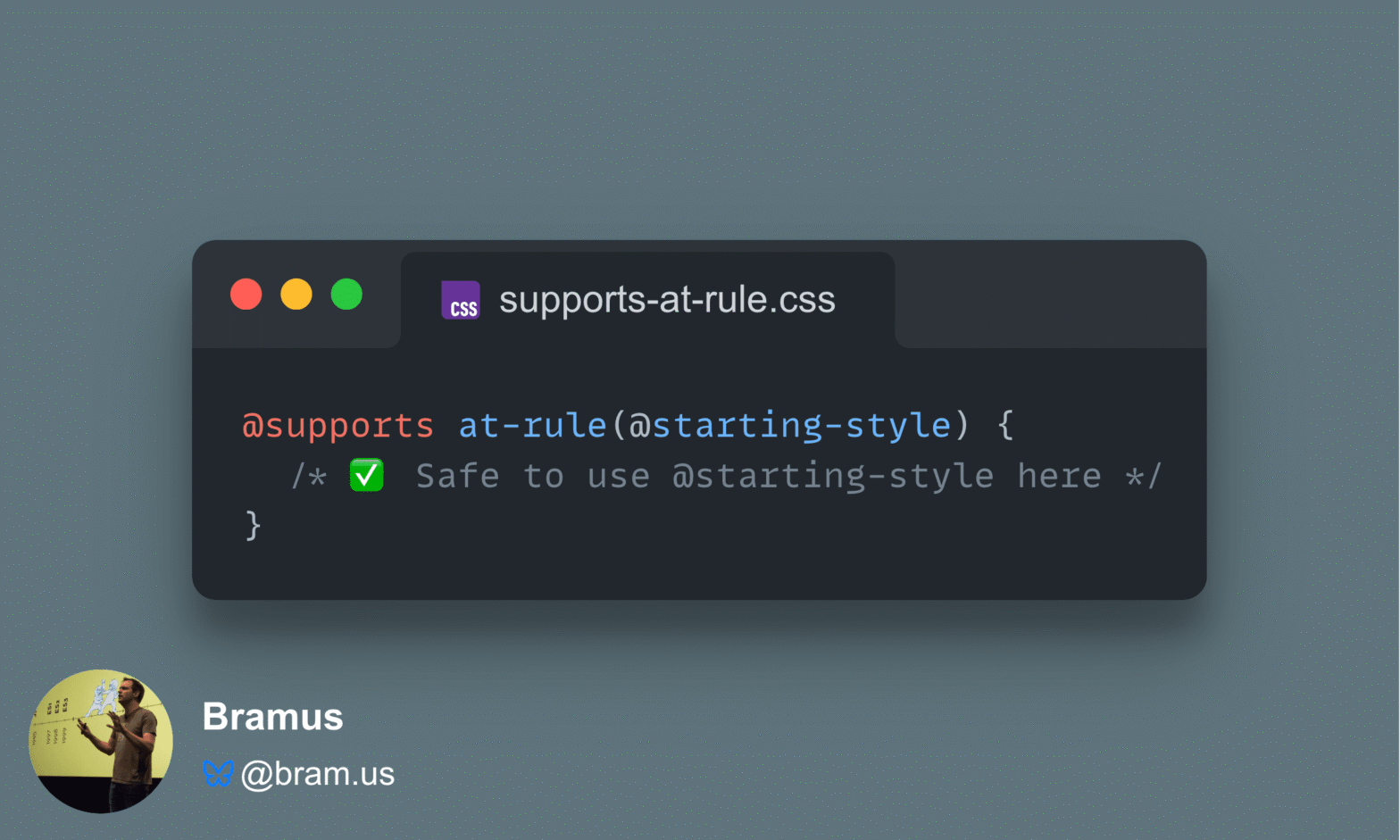
Back in January 2022, I wrote about an exciting new CSS Working Group decision: a function to detect at-rule support using @supports at-rule(@keyword). Fast forward to today, and the CSS Conditional Rules Module Level 5 specification has solidified how this feature works and Chromium (Chrome, Edge, etc.) is about to ship it in Chromium 148!
view-transitions-mock: A non-visual Polyfill for Same-Document View Transitions
View Transitions are a powerful Modern Web feature allow for smooth seamless animated transitions two between different states of a web page. They can make for a much more pleasant user experience, but as with any new web platform feature, browser support is not yet fully universal so you need to add some fallback logic to your code.
view-transitions-mock bridges that gap. It is a spec-compliant JavaScript implementation of Same-Document View Transitions that polyfills the entire JavaScript API surface of the spec, but that doesn’t do the animation bits.
position-area with View Transitions
CSS Anchor Positioning is a powerful tool, but one of the things that you cannot do natively (yet) is animating the position-area property. This blog post introduces a technique to animate position-area changes using View Transitions.