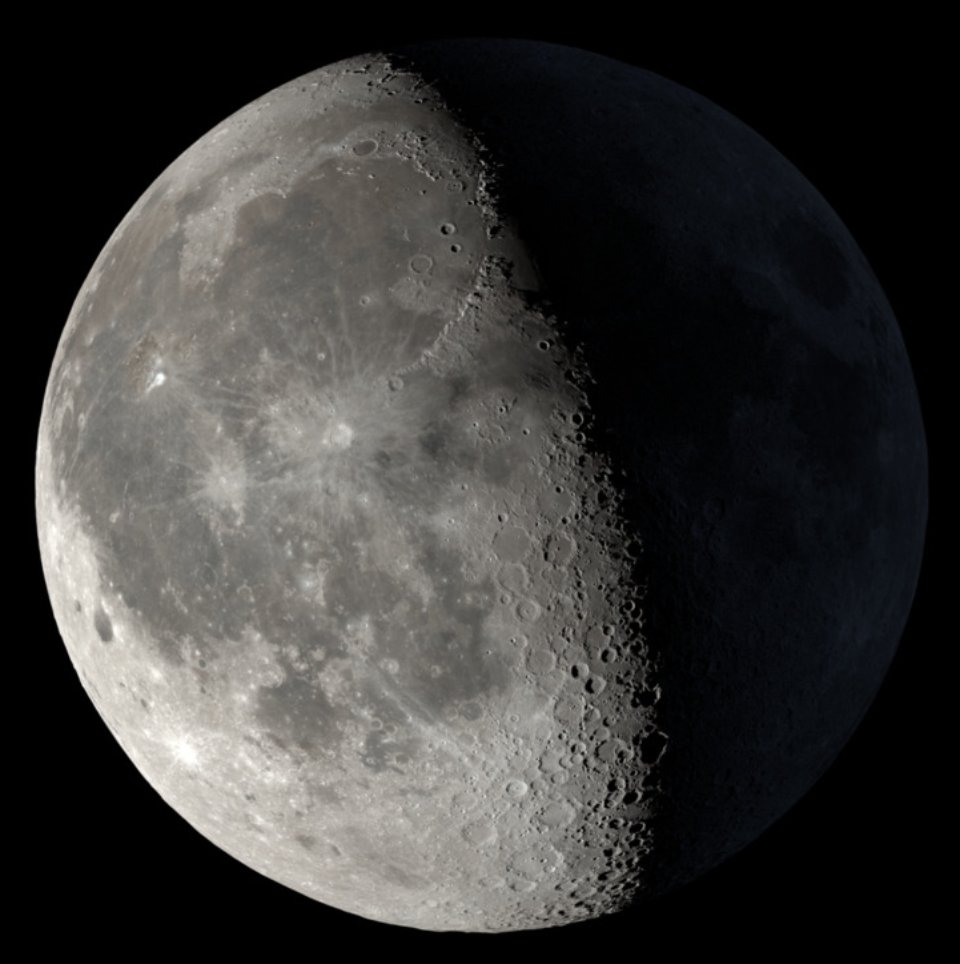
You’ve been with us for many moons. From new moon to full. From lunar to solar eclipse. It was a great phase. Thanks for orbiting Earth with us.
🌒🌓🌔🌕🌖🌗🌘🌑
Goodnight @NASAMoon
Keep up with lunar news:
@NASASolarSystem@NASAArtemis
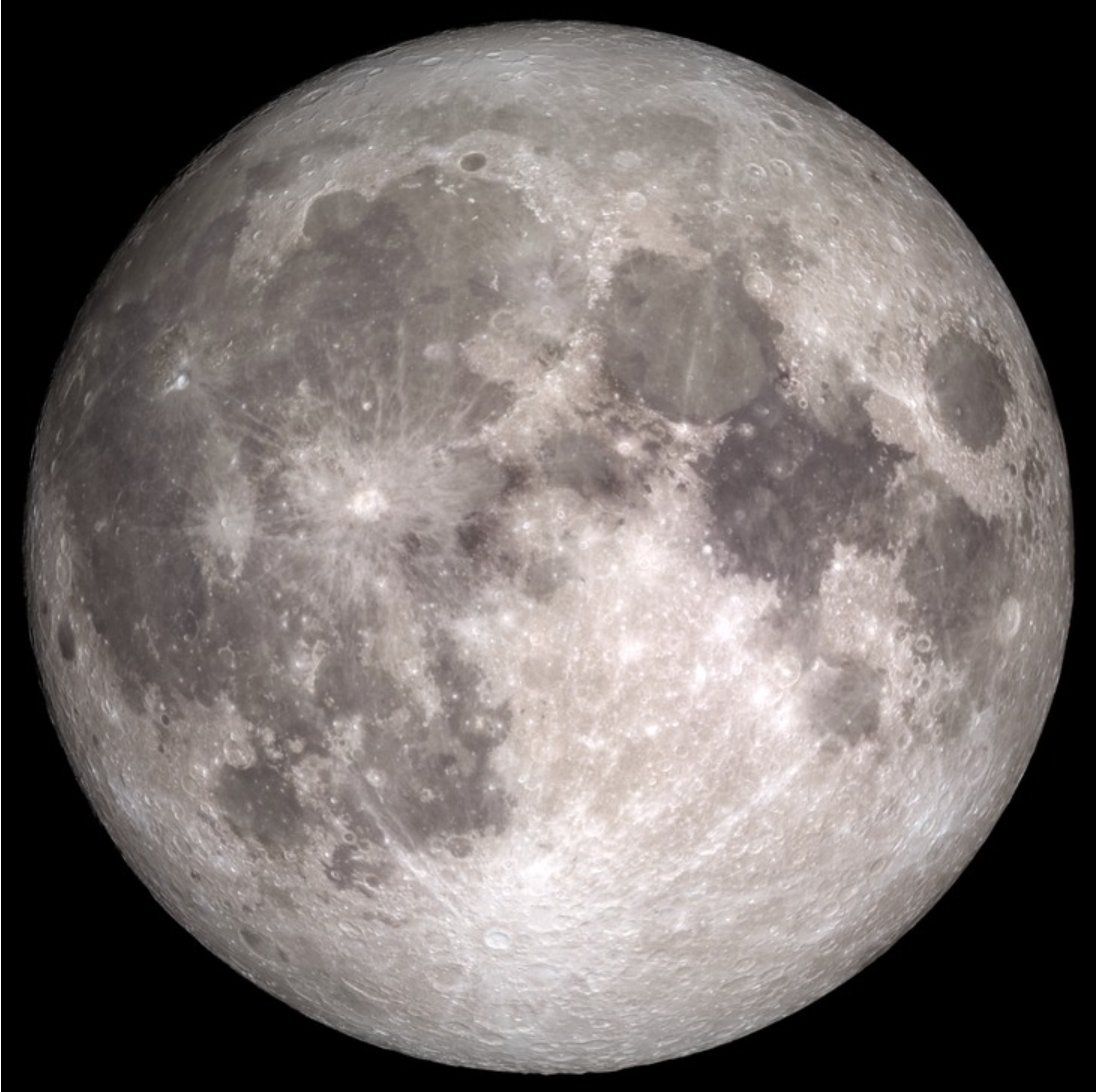
Tonight’s full Moon will be the biggest and brightest of 2018. Called the Wolf Moon, we’re calling it our #NewYearsDay Moon and the most super of the three supermoons this winter. Happy #MoonCrushMonday! svs.gsfc.nasa.gov/4604
On November 8, 2022, the Moon will pass into Earth’s shadow and turn red. This will be the last total lunar eclipse for about 3 years, so be sure to check it out if it’s visible in your area.
Learn more: go.nasa.gov/3TAlxiy
Neil and Buzz landed in the Sea of Tranquility, a cooled lava plain on the near side of the Moon. For our first visit to the Moon, we wanted something nice and flat, with relatively few craters and boulders. #Apollo50th
Tonight's Full Moon is the Frost Moon, the Cold Moon, the Long Night Moon, or the Moon before Yule. In the Southern Hemisphere, it's getting warmer, so happy Strawberry Moon. And oh yeah, did we mention it's a Supermoon? go.nasa.gov/2i984hn
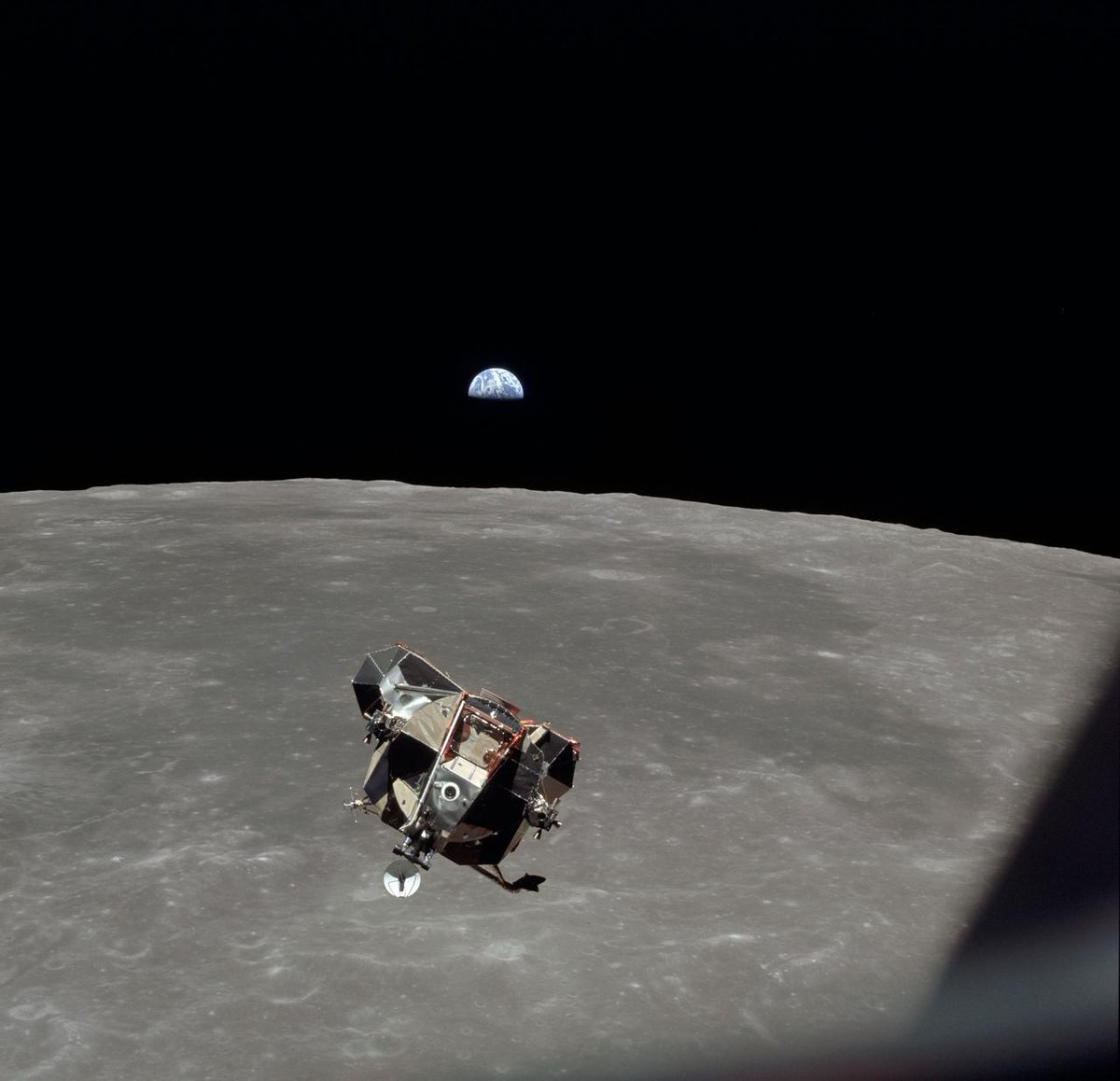
“I’ve got the world in my window.”
Michael Collins snapped this photo of the lunar module returning to the command module after landing on the Moon. With the Earth in the background, all of humanity is in this photograph, save Collins himself.
We just announced that - for the first time - we’ve confirmed H2O💧 in sunlit☀️ areas of the Moon. This indicates that water might be distributed across the lunar surface.
🌕 We're grateful for tonight's full Moon, a brilliant light on a long, dark night. The last full Moon of year comes just before the winter solstice – the longest night of the year in the Northern Hemisphere 🌕go.nasa.gov/3qckQyt
Some Native American tribes call today's full Moon the Wolf Moon 🐺 after the packs of wolves heard howling amid the cold and deep snows of winter. It is the first full Moon of winter in the Northern Hemisphere. Learn more: go.nasa.gov/38CB4b2