This is Project Starline. Years in the making, it works like a magic window, bringing you together with friends, family, and coworkers, even when you're cities (or countries) apart. blog.google/technology/res…
Clay Bavor
1,176 posts
Co-Founder, Sierra
- Flying at 37k feet, this is what it would be like to look out the window of a 747 vs. an SR-71 vs. a New Horizons.
00:00 - We've taken what we’ve learned from Tango and are bringing AR to millions of Android phones, starting with Pixel and S8. Here's #ARCore.
00:00 - While experimenting with different AR navigation cues in Google Maps, at one point we tried using particle effects to represent paths and curves. Then one user asked why they were "following floating trash". So we moved on. :)
GIF - ARCore 1.7 rolls out today. It includes a new Augmented Faces API, which gives you a tracked, 468-point face mesh to build all sorts of neat effects with. No depth sensor required. developers.googleblog.com/2019/02/new-ui…
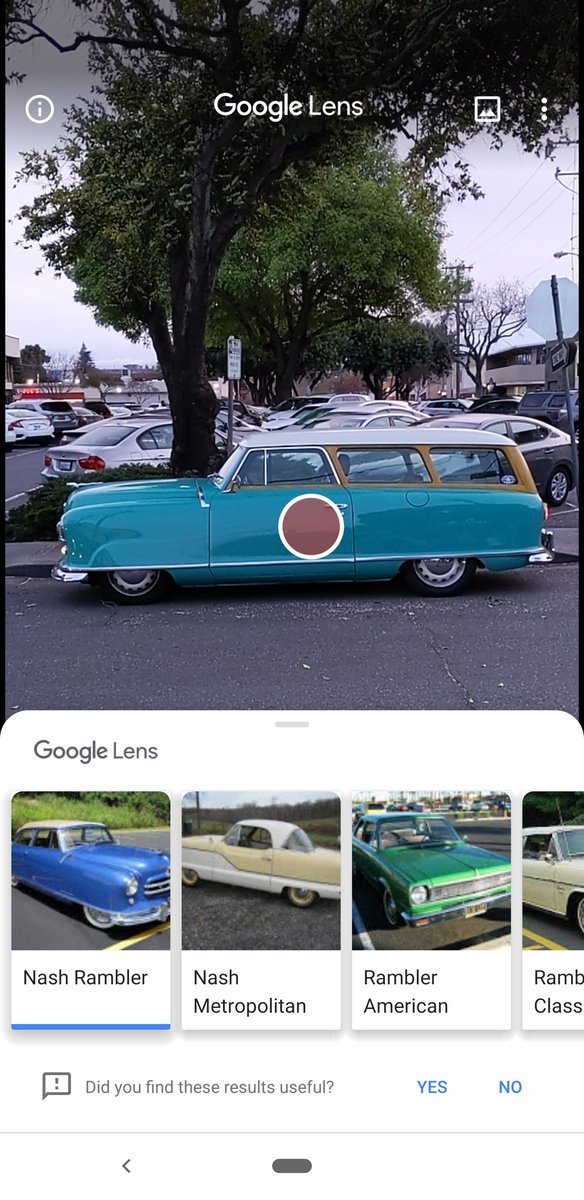
GIF - I doubt that there is any string of search keywords that would get you to the answer of what kind of car this is. (It's a variant of a Nash Rambler. Thanks, Google Lens.)
- This is what we're seeing through @NASA's new James Webb Space Telescope. Full version here: youtu.be/zzksMytYNxQ
00:00 - If you were flying at 37,000 feet, this is what it would be like to look out the window of the Falcon 9 Heavy at Earth escape velocity.
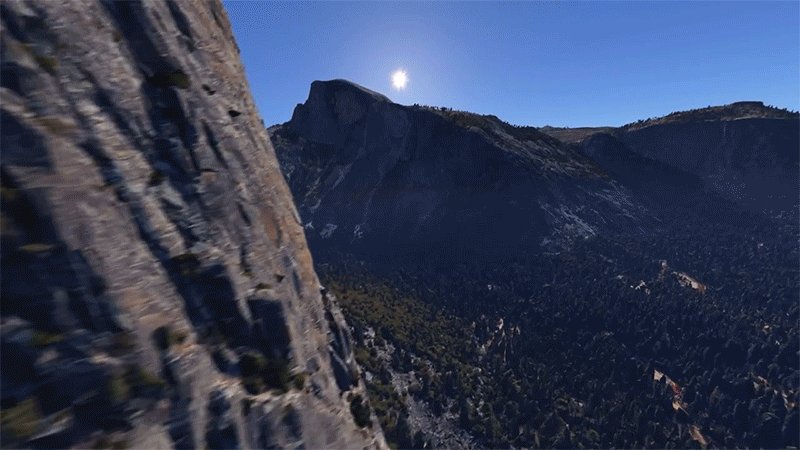
00:00 - In Google Earth VR, you change the time of day by grabbing the sun and moving it in the sky.
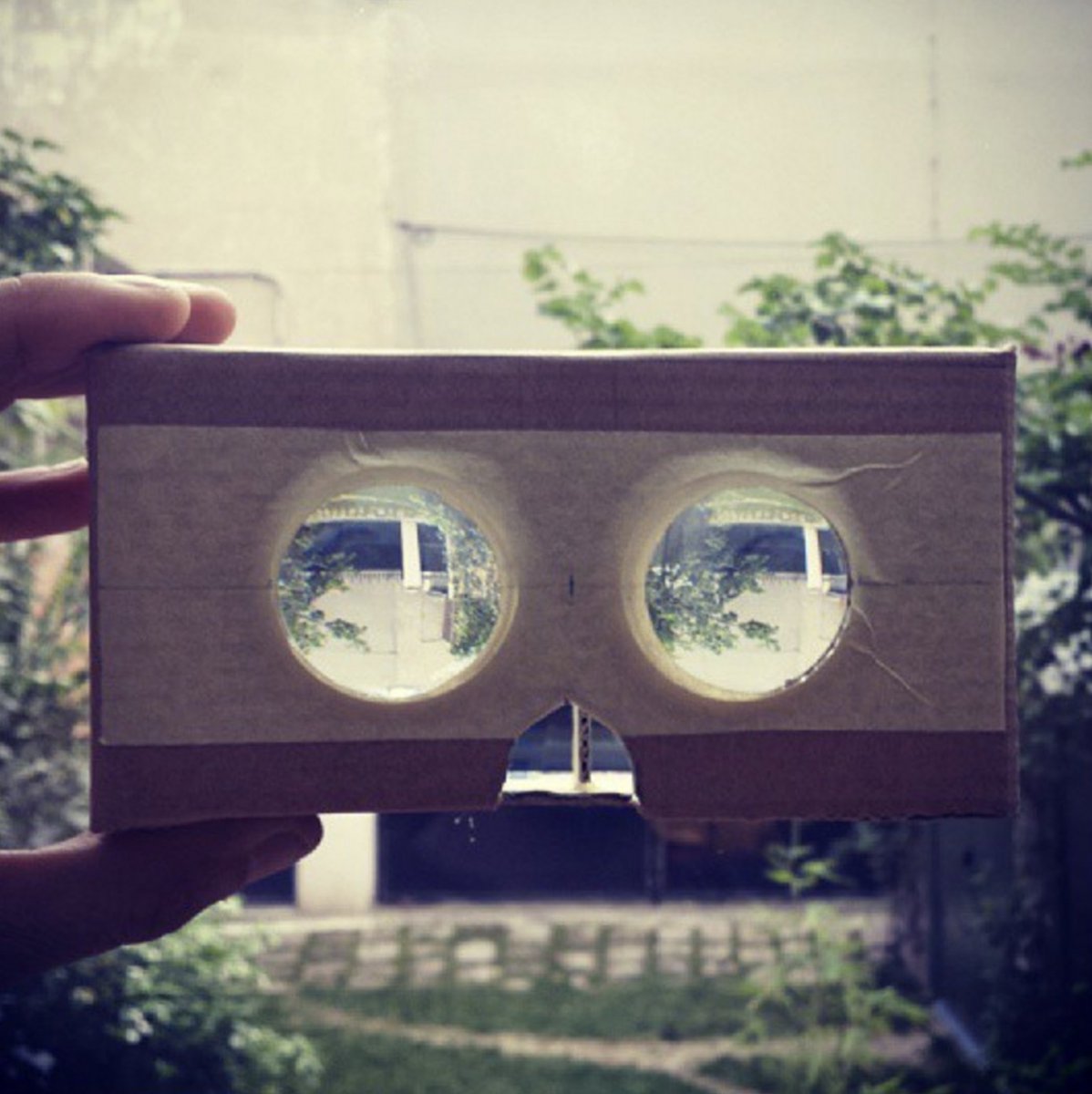
GIF - This is the very first Google Cardboard prototype. 10 million followed.
- Had a harder time than usual getting into the office this morning...
00:00 - If you're building for AR or VR, building just got a lot easier. Meet Poly: a place to find and download 3D objects. poly.google.com
GIF - Earlier today we announced the ARCore Depth API. It gives developers per-pixel depth maps for occlusions, hit testing, meshing, synthetic lighting, and more… all using a single RGB camera. More here: goo.gle/2DUPqVs
GIF - In 2014, when we were making the first run of Google Cardboards, we used an engineer's credit card to buy $32,592 of magnets at Home Depot.