
Log inSign up
New Scientist
164.2K posts
Image
user avatar
New Scientist
@newscientist
The best place to find out what’s new in science – and why it matters.
Worldwide
newscientist.com
Joined January 2009
278
Following
4.2M
Followers

New to X?

Sign up now to get your own personalized timeline!

Create account

By signing up, you agree to the Terms of Service and Privacy Policy, including Cookie Use.

Terms·Privacy·Cookies·Accessibility·Ads Info·© 2026 X Corp.
Don't miss what's happening
People on X are the first to know.
Log inSign up
  • Pinned
    user avatar
    New Scientist
    @newscientist
    Jul 2
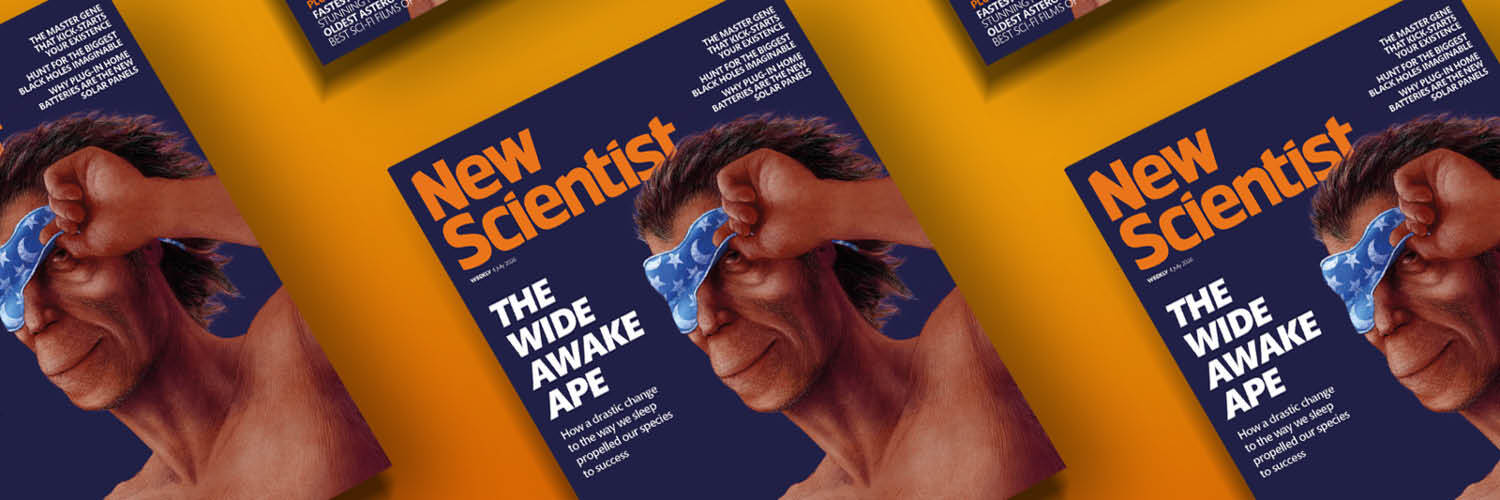
    In this week’s issue: The race to understand when Thwaites Glacier will collapse, the hidden black hole that could solve the mystery at the heart of our galaxy and the master gene that switches on human development. Grab a copy in shops now or download our app for digital
    Image
    12K
  • user avatar
    New Scientist
    @newscientist
    Mar 31, 2022
    A robot made of magnetic slime could be deployed inside the body to perform tasks such as retrieving objects swallowed by accident. newscientist.com/article/231439…
    Image
    00:00
  • user avatar
    New Scientist
    @newscientist
    Aug 23, 2020
    Finland’s two-year test of universal basic income concluded that it doesn't seem to disincentivise working, and benefits recipients’ mental and financial wellbeing bit.ly/32k19J8
    Image
  • user avatar
    New Scientist
    @newscientist
    Apr 11, 2024
    Scientists have discovered around a hundred new ocean species in Bounty Trough, an oceanic rift off New Zealand's south island 🪸
    Image
    00:00
    29M
  • user avatar
    New Scientist
    @newscientist
    May 7, 2020
    Finland’s two-year test of universal basic income has concluded that it doesn't seem to disincentivise working, and benefits recipients’ mental and financial wellbeing bit.ly/2zi5D8d
    Image
  • user avatar
    New Scientist
    @newscientist
    Jul 20, 2022
    This red dot is the oldest galaxy we've ever seen! The latest data from the James Webb Space Telescope has helped astronomers find the galaxy, which dates back to just 300 million years after the big bang newscientist.com/article/232960…
    Image
  • user avatar
    New Scientist
    @newscientist
    Oct 10, 2018
    Moons can have moons and they are called moonmoons bit.ly/2CABDF4
    Image
  • user avatar
    New Scientist
    @newscientist
    Jul 27, 2018
    A new shape called the scutoid has been discovered in our cells bit.ly/2Om5CDe
    Image
  • user avatar
    New Scientist
    @newscientist
    Feb 17, 2019
    Blasts from the past: NASA's incredible photo archives capture 60 years of space travel bit.ly/2SRXVK1
    Image
  • user avatar
    New Scientist
    @newscientist
    Oct 22, 2019
    Scientists have trained rats to drive tiny cars to collect food ow.ly/GWUQ50wRaI6
    Image
    GIF
  • user avatar
    New Scientist
    @newscientist
    Jul 20, 2022
    Replying to @newscientist
    The galaxy, known as GLASS-z13, has broken the record for the oldest galaxy ever observed by nearly 100 million years!
    Galaxy GLASS-z13
  • user avatar
    New Scientist
    @newscientist
    Apr 10, 2019
    Here's the first ever picture of a black hole, just released from the Event Horizon Telescope. #EHTBlackhole (Credit: EHT Collaboration).
    Image
  • user avatar
    New Scientist
    @newscientist
    Nov 2, 2017
    Cosmic rays have revealed a new chamber in Egypt’s Great Pyramid newscienti.st/2zduHv2
    Image
  • user avatar
    New Scientist
    @newscientist
    Jan 2, 2021
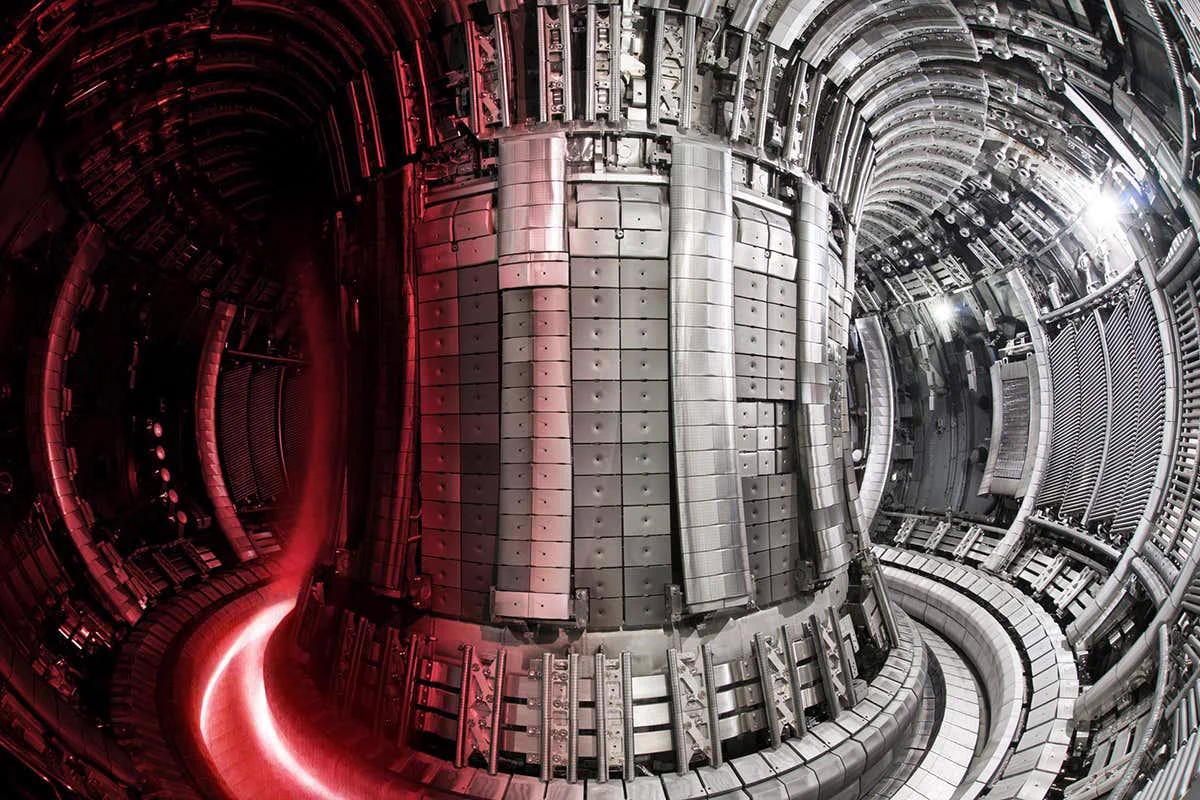
    Nuclear fusion made important progress in 2020, but the technology is still decades away bit.ly/38hRA0c
    Image
Advertisement
Advertisement