• About
  • Special Reports
  • Topics
    • Climate
    • Earth Science
    • Oceans
    • Space & Planets
    • Health & Ecosystems
    • Culture & Policy
    • Education & Careers
    • Opinions
  • Projects
    • Postcards From the Field
    • ENGAGE
    • Editors’ Highlights
    • Editors’ Vox
    • Eos en Español
    • Eos 简体中文版
    • Print Archive: 2015–2025
  • Policy Tracker
  • Blogs
    • Research & Developments
    • The Landslide Blog
  • Newsletter
  • Submit to Eos
  • AGU.org
  • Career Center
  • Join AGU
  • Give to AGU
  • About
  • Special Reports
  • Topics
    • Climate
    • Earth Science
    • Oceans
    • Space & Planets
    • Health & Ecosystems
    • Culture & Policy
    • Education & Careers
    • Opinions
  • Projects
    • Postcards From the Field
    • ENGAGE
    • Editors’ Highlights
    • Editors’ Vox
    • Eos en Español
    • Eos 简体中文版
    • Print Archive: 2015–2025
  • Policy Tracker
  • Blogs
    • Research & Developments
    • The Landslide Blog
  • Newsletter
  • Submit to Eos
Skip to content
  • AGU.org
  • Career Center
  • Join AGU
  • Give to AGU
Eos

Eos

Science News by AGU

Support Eos
Sign Up for Newsletter
  • About
  • Special Reports
  • Topics
    • Climate
    • Earth Science
    • Oceans
    • Space & Planets
    • Health & Ecosystems
    • Culture & Policy
    • Education & Careers
    • Opinions
  • Projects
    • Postcards From the Field
    • ENGAGE
    • Editors’ Highlights
    • Editors’ Vox
    • Eos en Español
    • Eos 简体中文版
    • Print Archive: 2015–2025
  • Policy Tracker
  • Blogs
    • Research & Developments
    • The Landslide Blog
  • Newsletter
  • Submit to Eos

News

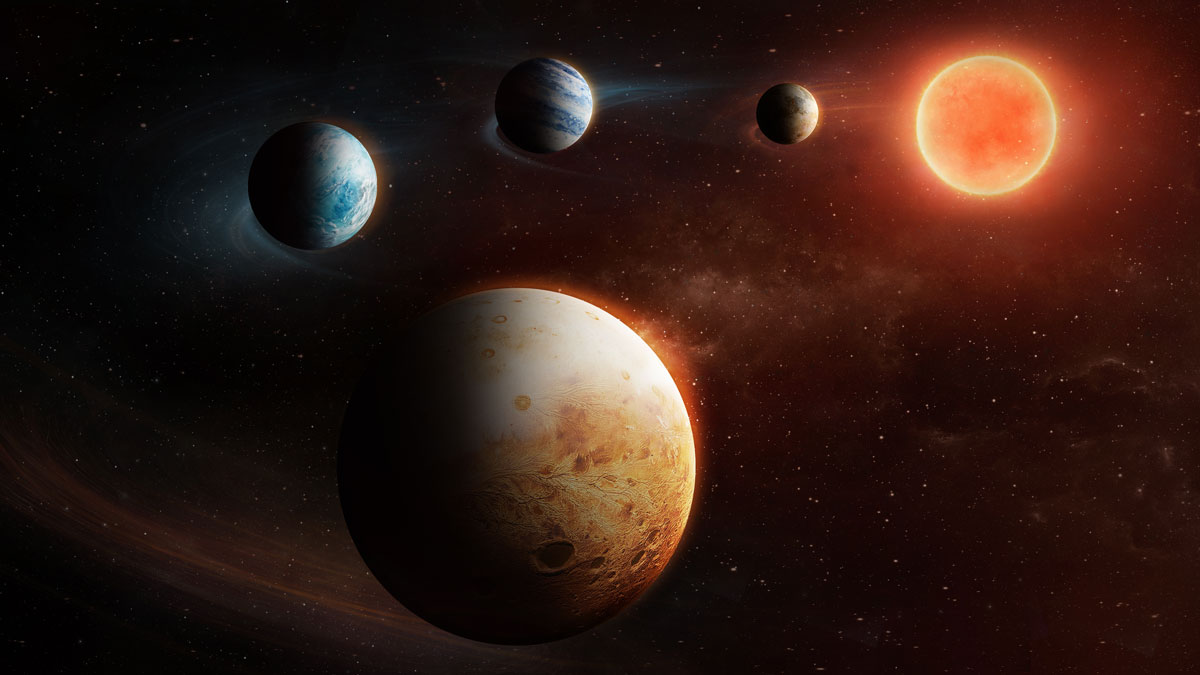
Four planets are shown orbiting a star.
Posted inNews

The Planet That Shouldn’t Be There

Javier Barbuzano, Science Writer by Javier Barbuzano 11 March 202611 March 2026

A newly discovered exoplanet suggests that a different way to build planetary systems could be possible.

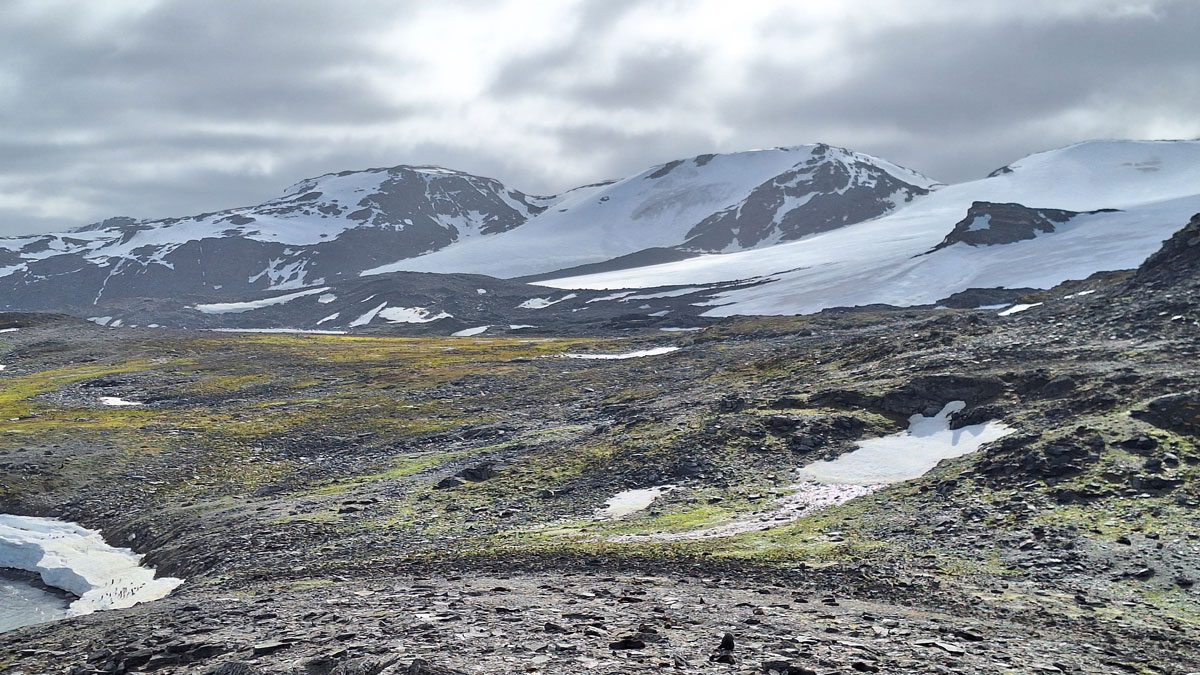
A landscape shows water and gray rocks and mosses in the foreground, with a snowy mountain and clouds in the distance.
Posted inNews

Antarctic Peninsula Faces Starkly Different Futures, Depending on Decisions Made Today

by James Dacey 10 March 202610 March 2026

A study reveals interconnected changes under three emissions pathways and describes the emerging challenges facing Antarctic fieldwork.
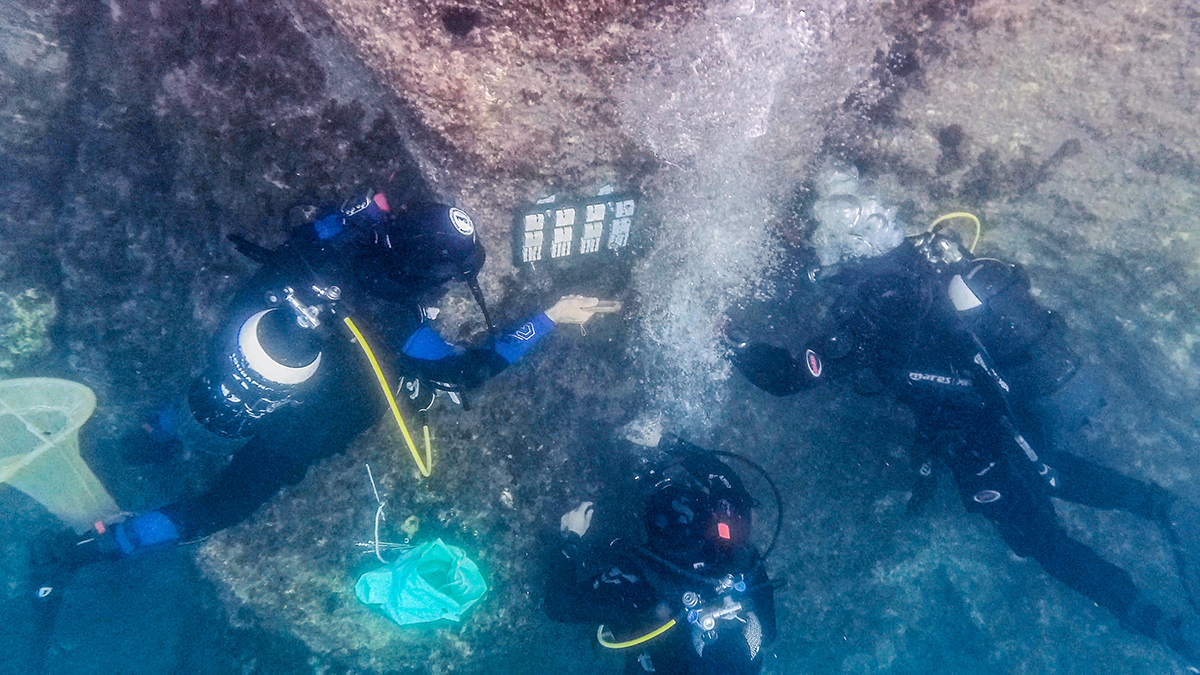
Three divers attach a grid of rock samples to a cliff underwater.
Posted inNews

Acidifying Seas Are Wearing Away at Underwater Archaeology

by Syris Valentine 9 March 20269 March 2026

Marble, limestone, and other carbonate rocks used throughout antiquity could start dissolving as oceans soak up more carbon dioxide.
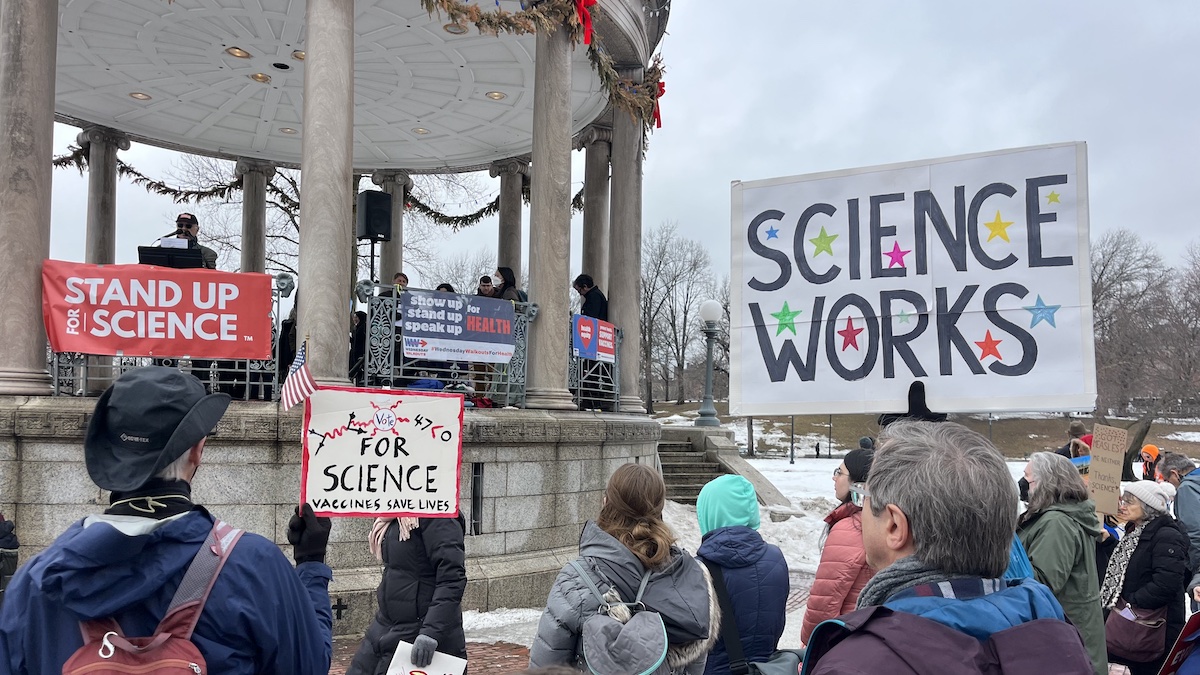
A crowd gathers in front of a gazebo at a rally. Signs held by rally-goers read “Vote for science, vaccines save lives” and “Science works.”
Posted inNews

Thousands Rally to Support the Need for Science in a Democracy

Image by Grace van Deelen 7 March 20267 March 2026

Dozens of Stand Up for Science gatherings nationwide focused on the importance of science for federal policymaking.
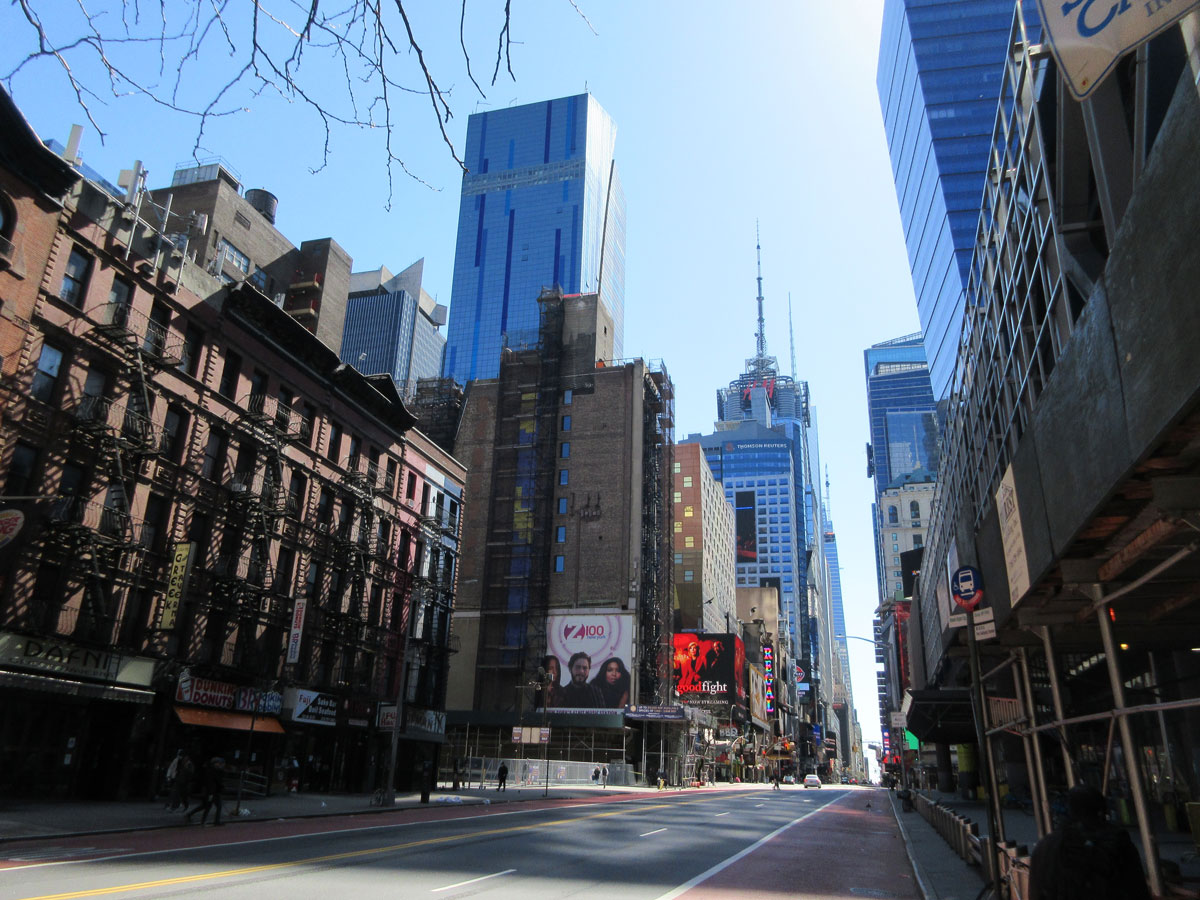
Hell’s Kitchen and 42nd Street during the COVID-19-related medical distancing protocol in April 2020.
Posted inNews

COVID-19 Shutdowns Saw Human Emissions Slow, but Atmospheric Methane Surged

by Ryan Green 6 March 20266 March 2026

An uptick in wetland emissions, as well as a scarcity of atmospheric OH radicals, contributed to the counterintuitive methane spike.
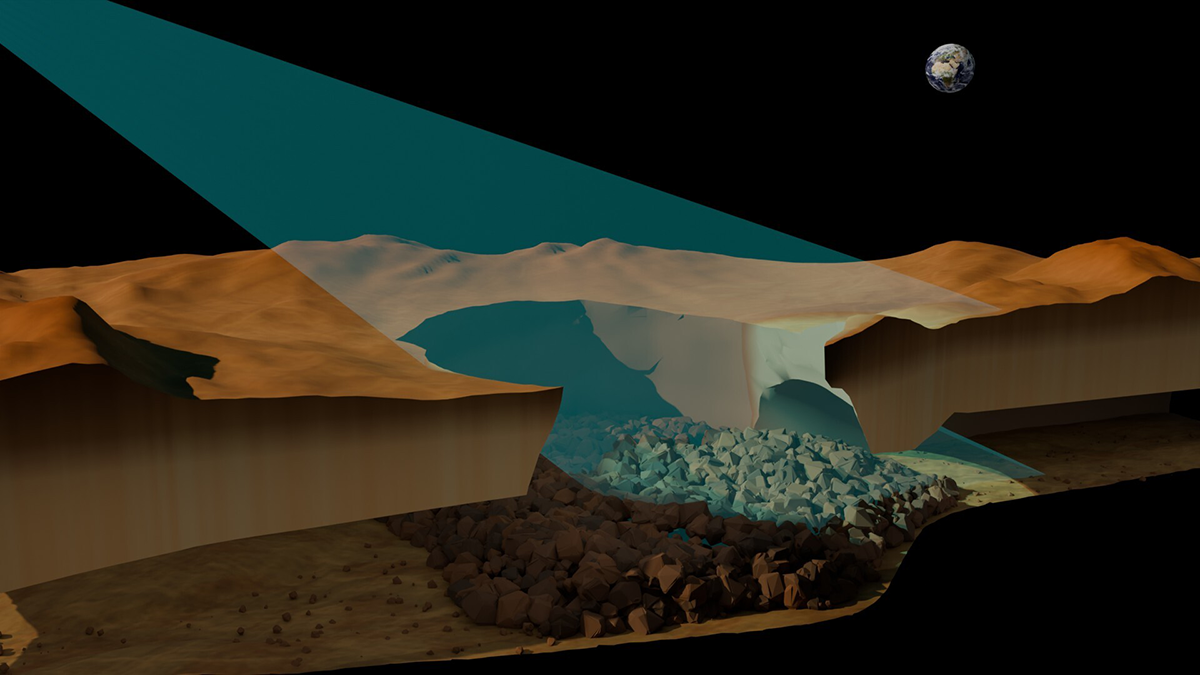
An artist’s depiction shows a cross section of a lava tube on Venus, with a ray of radar light shining into it from above. Earth is visible in the far distance.
Posted inNews

New Evidence Points to Venusian Lava Tubes, and They’re Really Big

Image by Emily Gardner 6 March 20266 March 2026

Researchers bring new life to 30-year-old Magellan data to unearth the first direct evidence of the long-hypothesized structures.
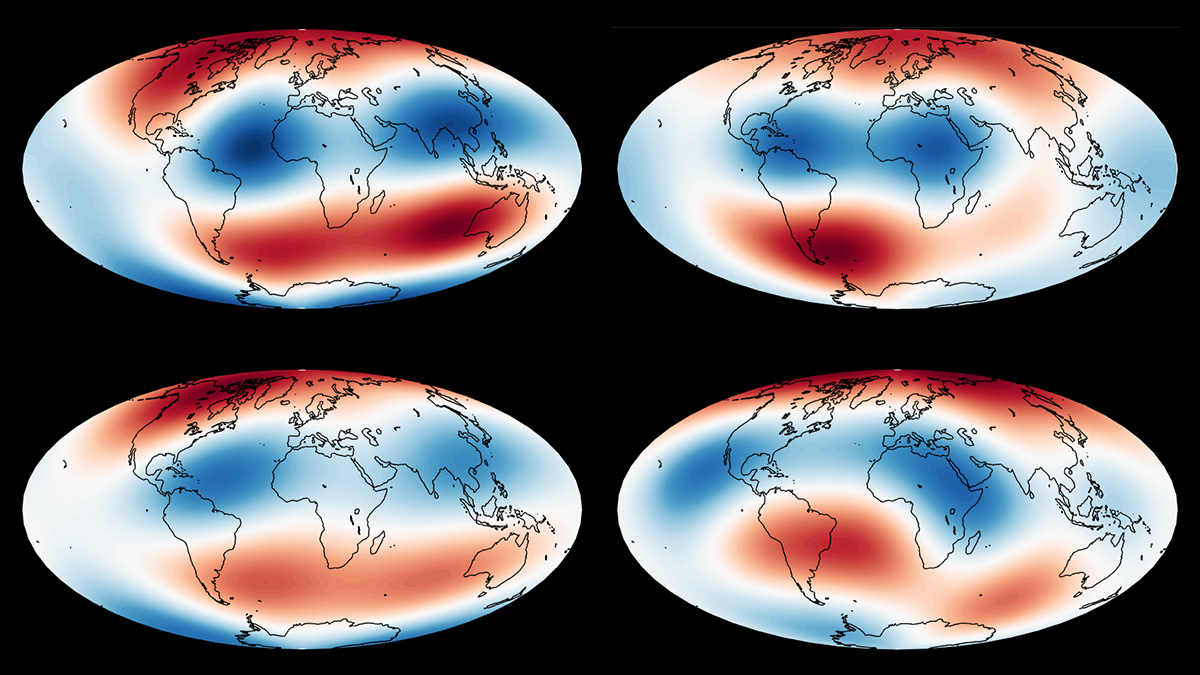
Four ovals show a rough outline of Earth and its continents, overlaid with blue and red splotches.
Posted inNews

What do BLOBs Have to Do with Earth’s Magnetic Field? A Lot, It Turns Out

by Bill Morris 5 March 20265 March 2026

Enormous provinces of superheated mantle exert a powerful influence over our planet’s magnetic field, researchers have discovered.
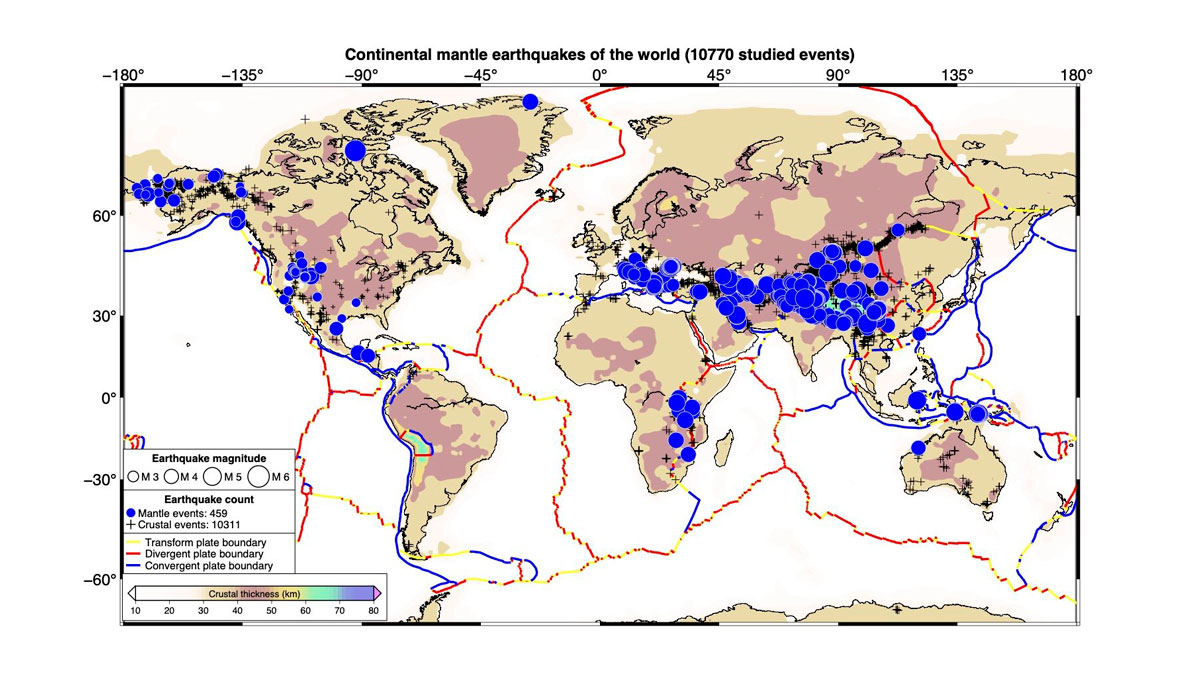
A map showing continental mantle earthquakes around the world.
Posted inNews

Scientists Create the First Map of Deep Earthquakes Beneath Continents

by Larissa G. Capella 5 March 20265 March 2026

Scientists once thought Earth’s continental mantle was too weak for earthquakes. A new global map of 459 deep tremors suggests otherwise.
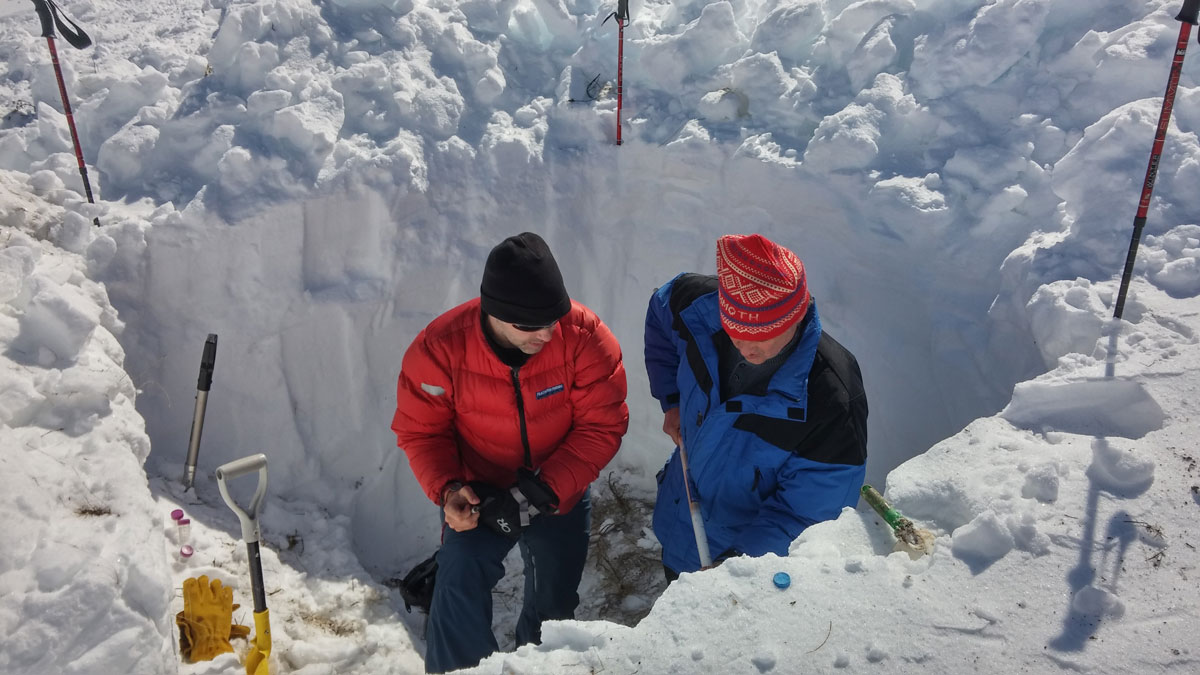
Researchers stand in a round, shoulder-high hole in the snow.
Posted inNews

When the Snow Melts, Microbes Bloom

by Rebecca Owen 4 March 20264 March 2026

A new study illuminates a complex and changing world of microbes and nitrogen cycling that occurs during the winter.
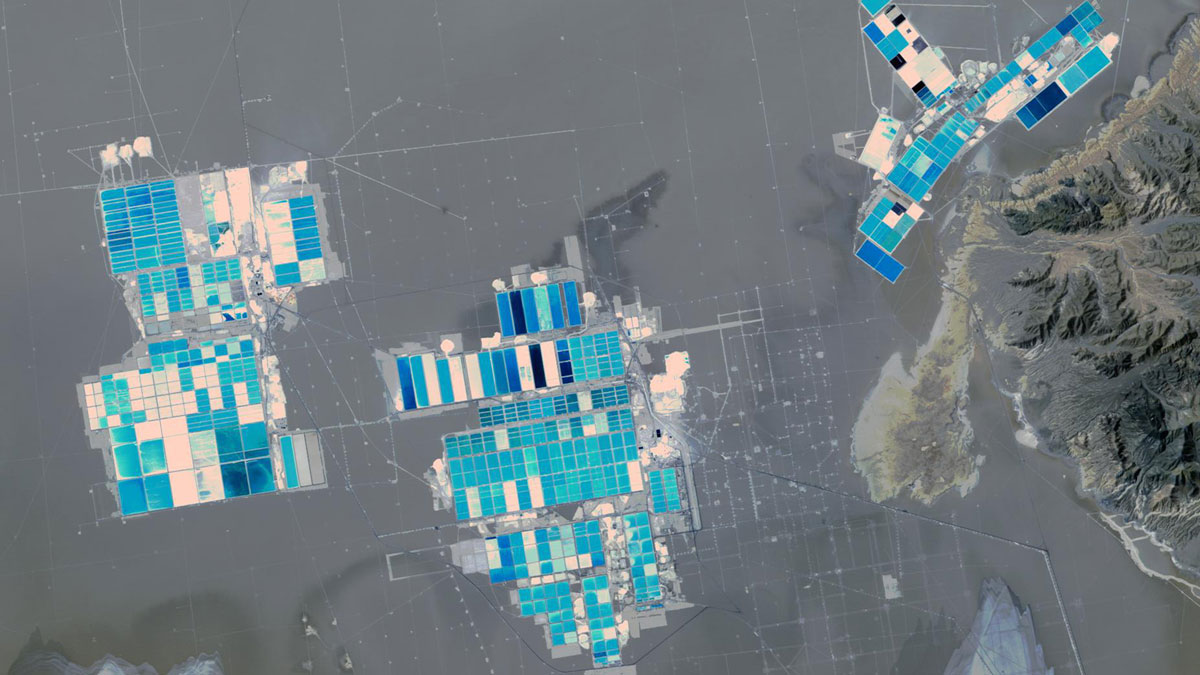
Aerial view of an Atacama lithium mine shows three clusters of large rectangular evaporation ponds in shades of blue, teal, and pink scattered across a gray salt flat.
Posted inNews

Engineering a Cleaner Way to Extract Lithium

by Andrew Chapman 4 March 20264 March 2026

The new chemical solvent technique could cut water use, speed extraction, and unlock reserves like California’s Salton Sea.

Posts pagination

1 2 3 … 334 Older posts
Over a dark blue-green square appear the words Special Report: The State of the Science 1 Year On.

Features from AGU Publications

Research Spotlights

A Long-Term Look Beneath an Antarctic Ice Shelf

6 March 20269 March 2026
Editors' Highlights

Slow Atmospheric Circulations Shape Storm Tracks and Wave-Breaking Patterns

11 March 202611 March 2026
Editors' Vox

How Radar Reveals the Hidden Fabric of Ice Sheets

9 March 20269 March 2026
Eos logo at left; AGU logo at right

About Eos
ENGAGE
Awards
Contact

Advertise
Submit
Career Center
Sitemap

© 2026 American Geophysical Union. All rights reserved Powered by Newspack
Advertisement