
Welcome to runnit.co
Unleash Your Power, Redefine Your Limits
Elevate your fitness with expert coaching, top-notch equipment, and a supportive community. Whether you’re starting out or leveling up, we’re here to help you reach your goals.
Runnit.co is a premier digital publication dedicated to high-performance fitness, specializing in hybrid athletic training, minimal equipment programming, and joint longevity. We destroy the myth that athletes must choose between raw strength and elite cardiovascular capacity by providing a science-backed, data-driven framework for modern physical performance.
This platform is engineered specifically for competitive endurance athletes, functional fitness competitors, home gym minimalists, and busy professionals who demand maximum physical results without burning out.
Visitors can expect to find expert-guided programming templates that systematically balance heavy barbell compounds with progressive energy-system training. We deliver comprehensive, actionable blueprints to master bodyweight manipulation, optimize targeted mobility protocols to stay entirely injury-free, and leverage practical, sport-specific nutritional strategies designed to unlock your absolute multi-sport potential.
Programs
Hybrid Athletic Training
Designed to help you reach your full potential, whether it’s improving strength, endurance.
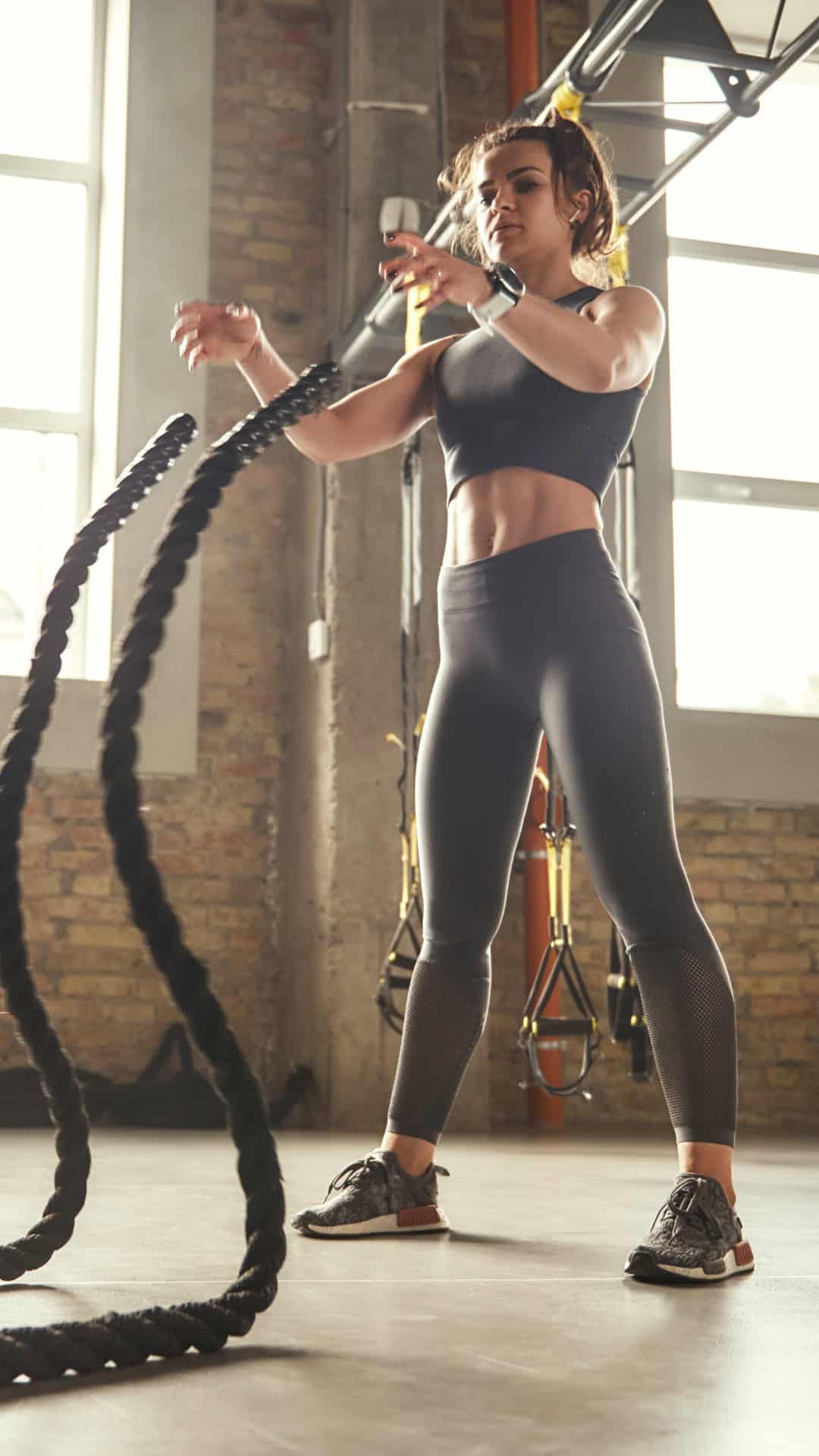
Minimal Equipment Workout
We’ll help you stay on track and focused on what matters most—wherever you are

Mobility & Recovery
With expert trainers and diverse workout programs, we provide the tools and support you need for a proper recovery
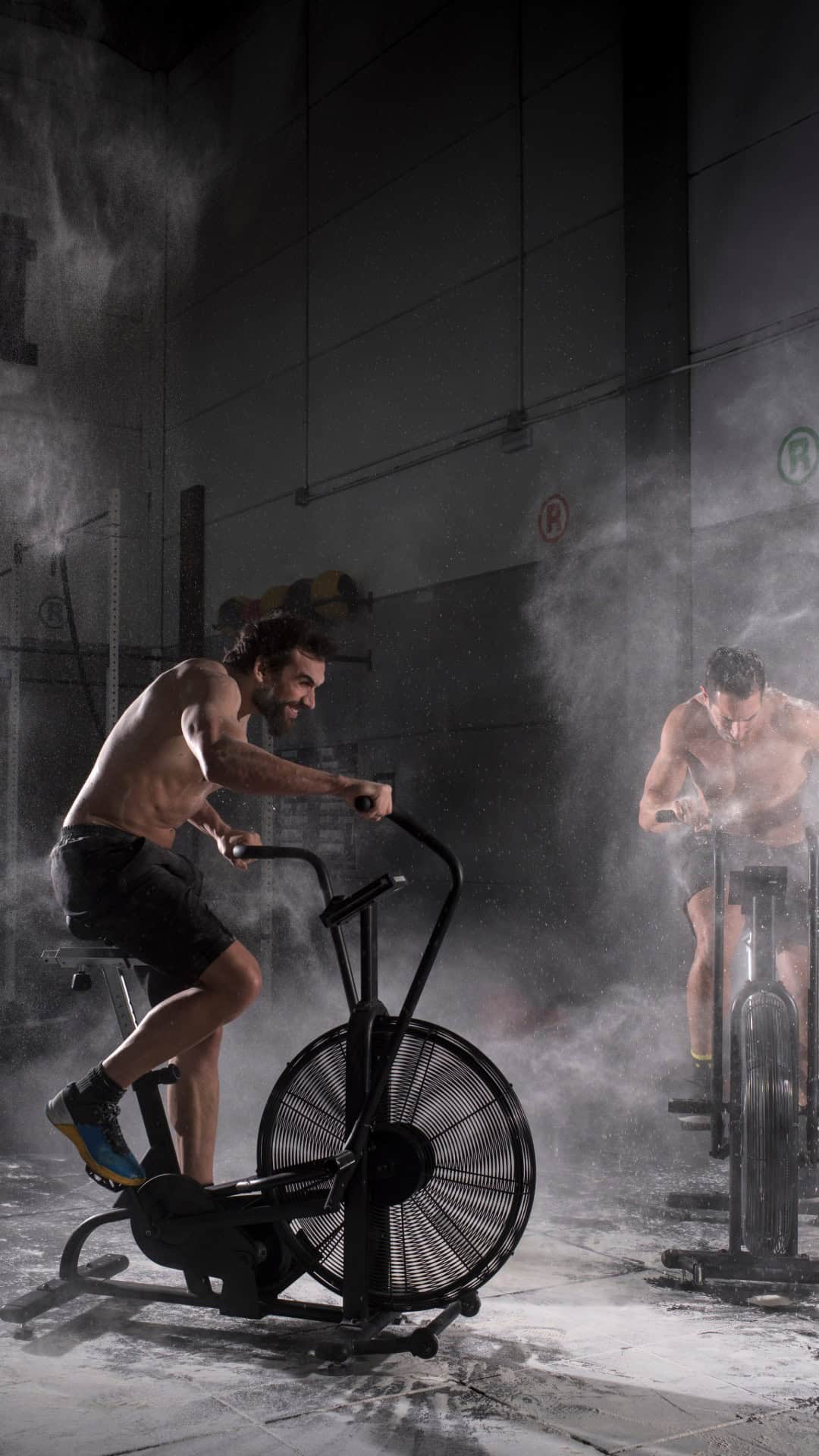
Everything In One Place
Programs, Cardio, trainers, Everything
We offer everything you need to achieve your fitness goals. From expert trainers and diverse workout programs and a supportive community.
Recently Posted
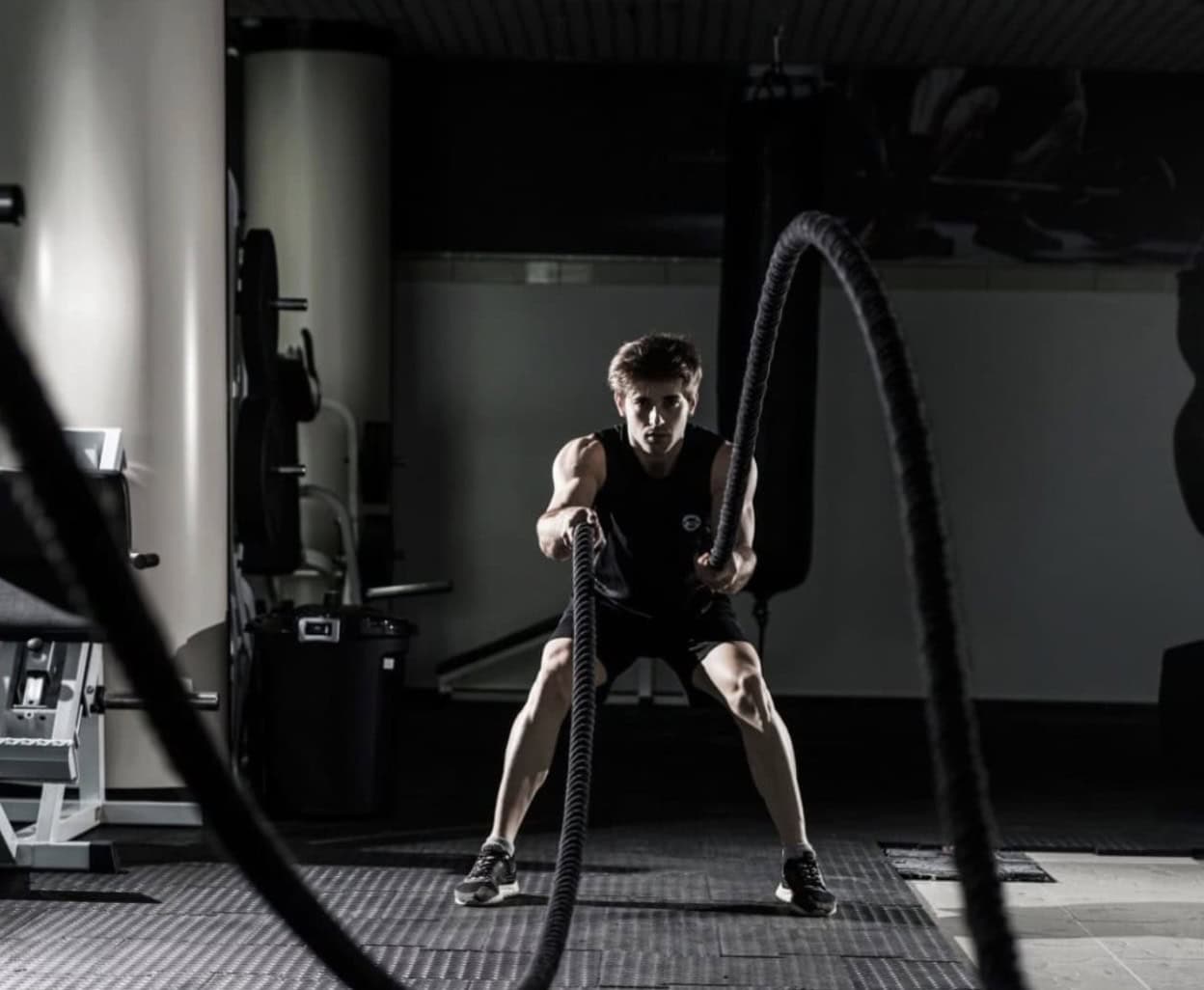
Runnit.co is built around one goal: helping hybrid athletes get stronger without giving up their engine, and build a bigger engine without losing strength. Every guide on this site falls under one of four training pillars that work together to get you there.
Here’s what each pillar covers:
-
Hybrid Athletic Training: Programming that lets you train strength and endurance in the same week without one wrecking the other, built for HYROX and CrossFit athletes chasing both.
-
Minimal Equipment Workouts: Progressive strength and calisthenics templates that work with a barbell, a pair of dumbbells, or just your bodyweight, built for home gyms and travel.
-
Mobility & Recovery: Joint-friendly mobility work and recovery protocols that keep you training instead of sidelined by nagging injuries.
-
Nutrition & Lifestyle: Practical fueling guidance, timing, macros, and strategy, for people training two disciplines at once.
Every guide is written by someone who actually trains this way, not just a generalist blogger. Our coaches program hybrid training for real clients, which is why the routines get specific: exact calisthenics progressions, real conditioning numbers, not vague advice.
Post from our head coach – Chloe Mercer – Neuro-Structural Biomechanics & Athletic Longevity
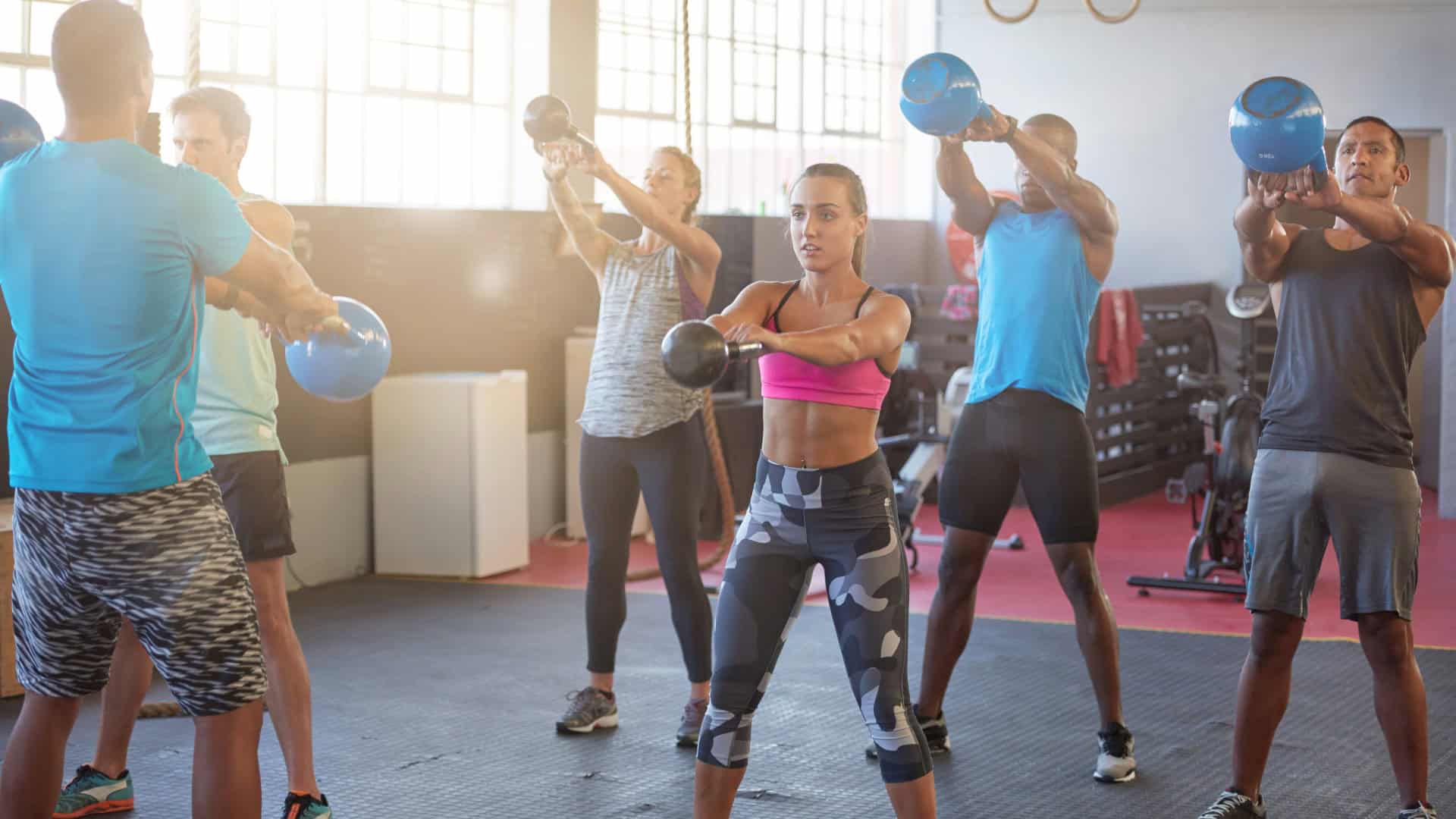
What Is a Boot Camp Workout, and Who Is It For?
Group fitness classes borrow the “boot camp” name constantly, but what is a boot camp workout actually built around, specifically, rather than as a generic marketing label for anything intense? The format has a genuine, consistent structure behind it, and…
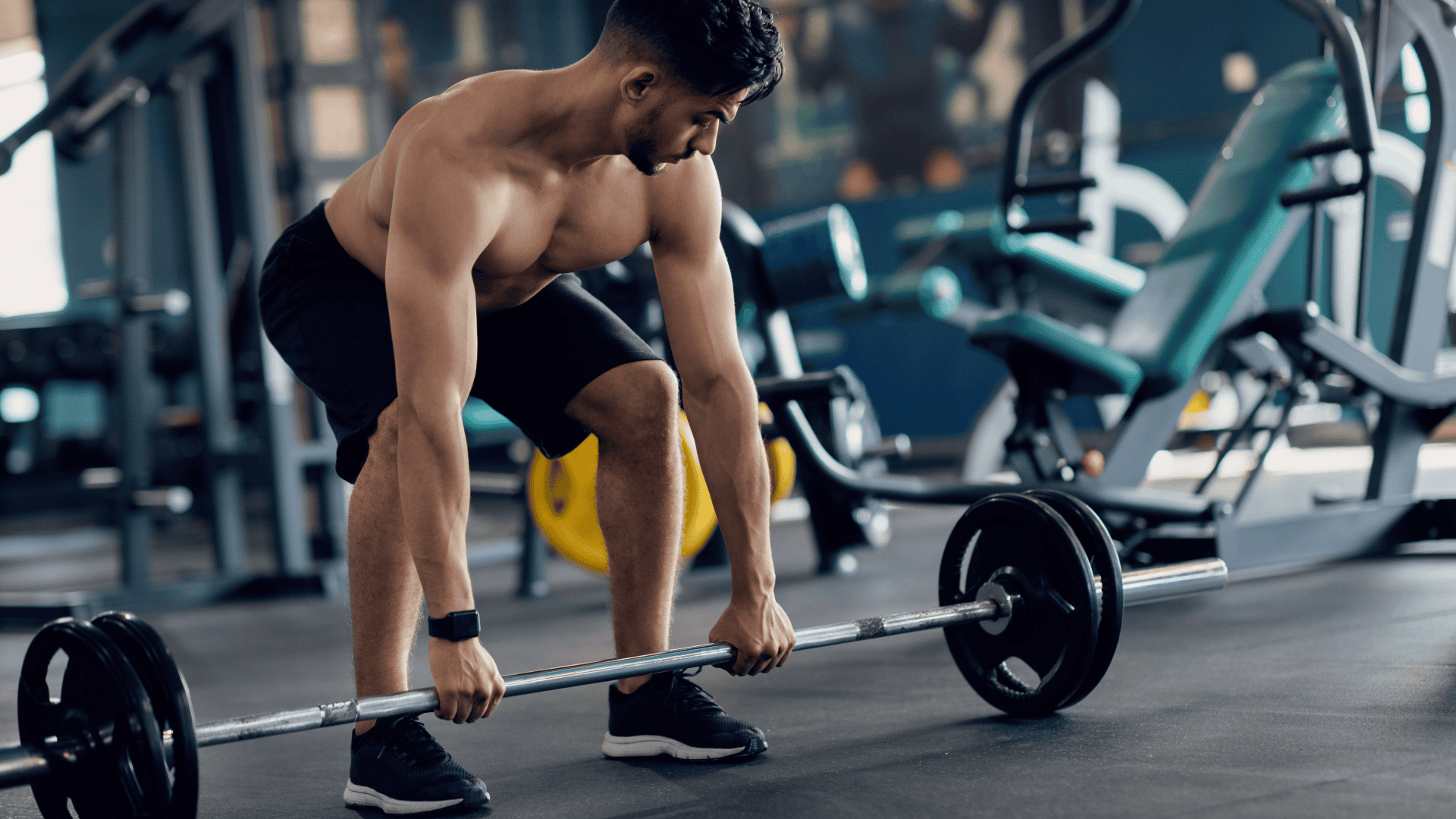
The Overhead Fix: T Spine Mobility to Restore Shoulder Mechanics for Heavy Barbell Positioning
Most dedicated lifting enthusiasts treat poor upper-body positioning as a simple flexibility issue. When their arms struggle to stay locked out directly over their ears during an overhead squat or snatch, they immediately grab a light resistance band and perform…
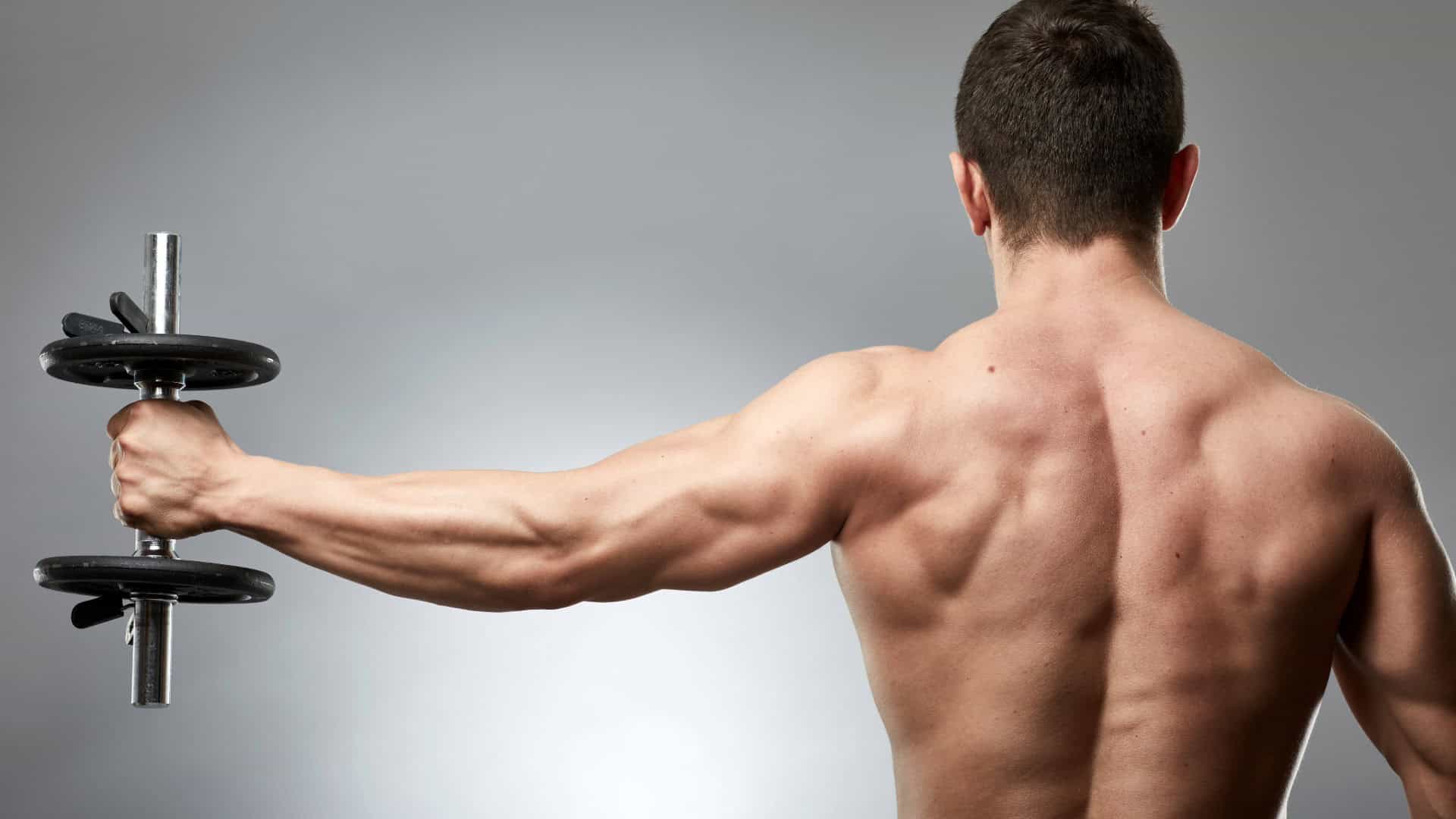
The T-Spine Matrix: How to Strengthen Thoracic Spine Mobility and Protect the Shoulder to Lumbar Chain
The thoracic spine is built for rotation and extension, twelve segments stacked with rib articulations that should move freely under load. When those segments stiffen, the body does not simply lose range of motion in isolation. It borrows range from the joints above…
about us
Runnit.co is written by people who train this way themselves: testing hybrid programming, mobility work, and recovery protocols before writing about them. We’re not a clinic, a gym, or a coaching service, we’re a small group who cares enough about getting the training right that we try it ourselves first. That’s the standard behind every guide on this site: does it actually hold up in practice, not just how it reads on paper.
Our coaching team brings the credentials to back that standard up. Chloe leads with a background in neuro-structural biomechanics, Maya and Valerie bring years of hands-on strength and conditioning coaching, and Savannah covers the endurance and metabolic side. Between us, we’ve competed, coached, and rehabbed our own injuries, so the guides here come from lived experience, not just research pulled off a shelf. We revisit older posts whenever the science moves or our own training turns up something new, and every piece gets a second set of eyes before it goes live. If a workout, a drill, or a nutrition strategy doesn’t earn its place here, we don’t publish it.
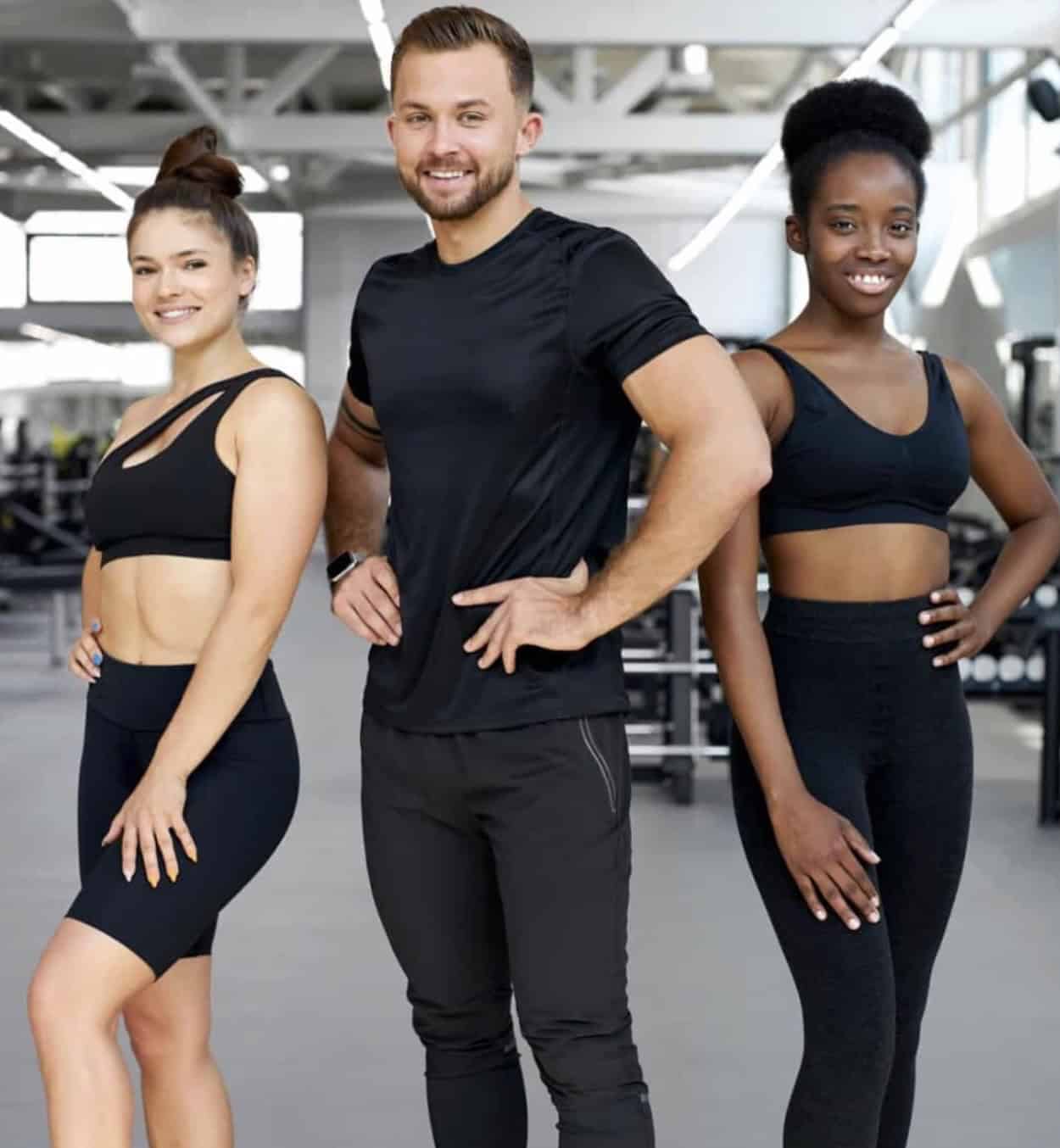
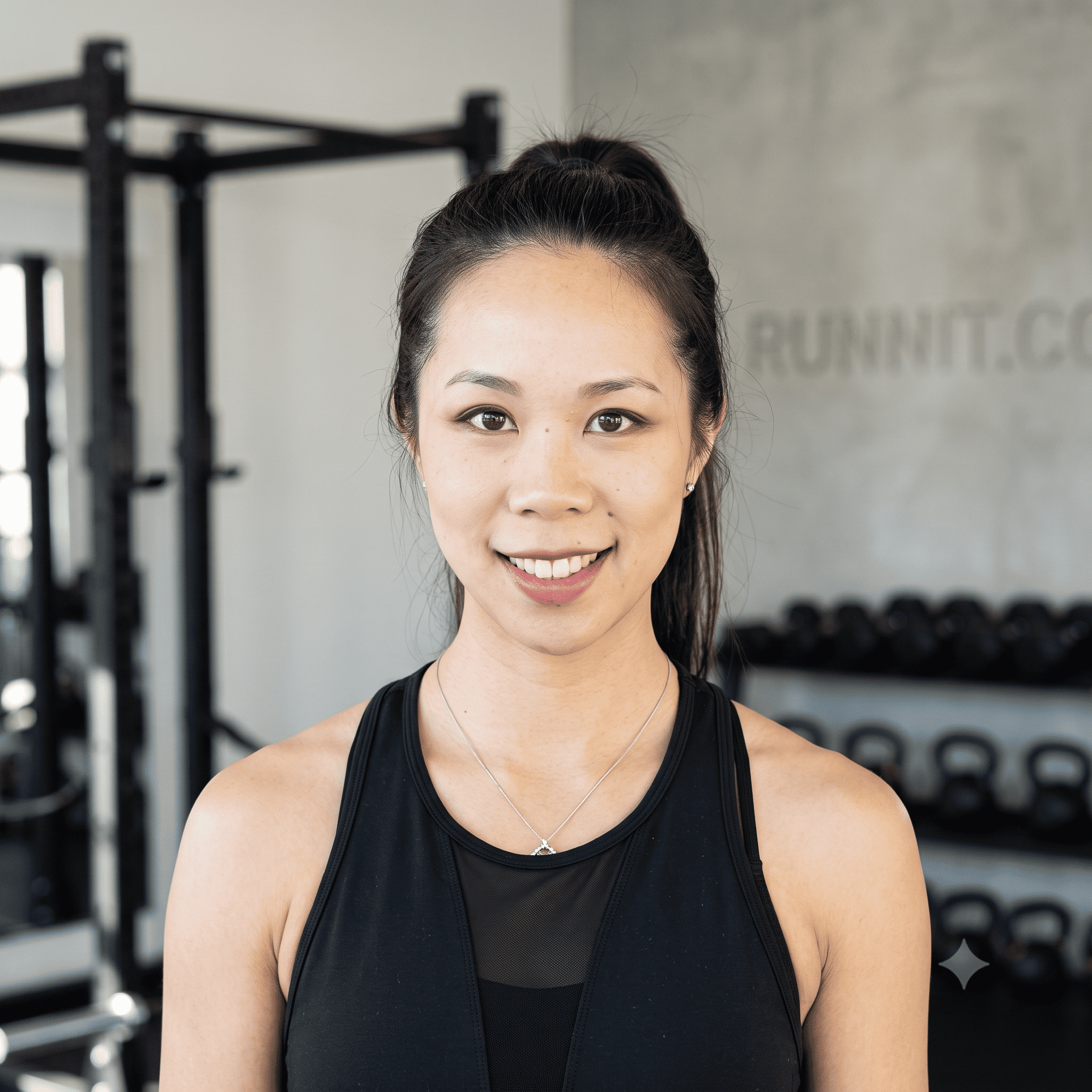
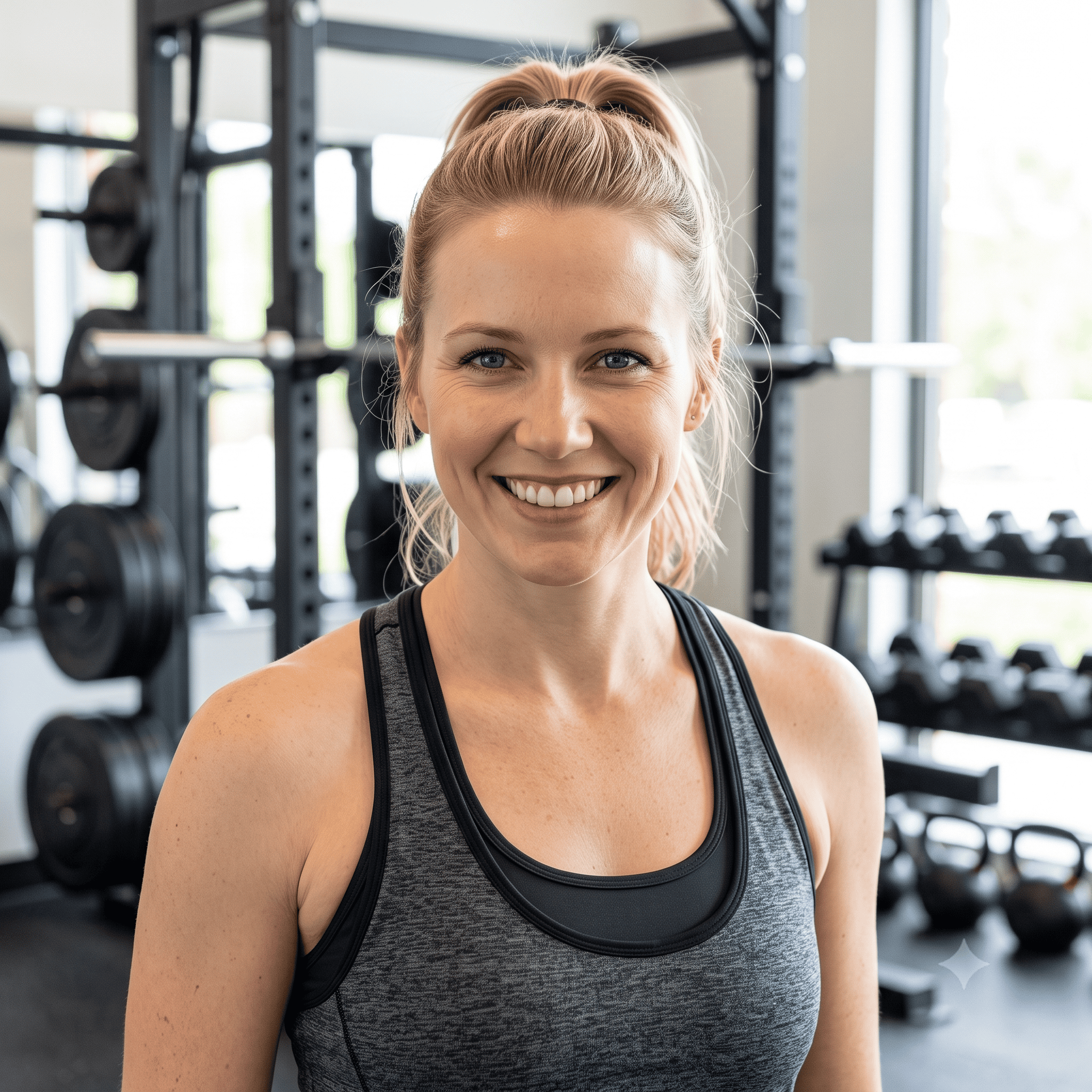
Maya & Valerie
Runnit’s writers each focus on a different piece of the training puzzle. Chloe covers mobility and movement, working through the joint health side of heavy training. Maya and Valerie cover the strength and conditioning side, concurrent programming and progressive overload, testing what they write about in their own training first. Together they cover the full picture: strength, endurance, and the mobility work that lets you keep doing both.
Savannah krestrel
Savannah covers the endurance side: conditioning, pacing, and building an engine that can back up your strength work. Like the rest of the team, she trains this way herself and writes about what actually holds up, not just theory.

Hybrid Athletic Training
Minimal Equipment Workouts
Mobility & Recovery
Why Choose us?
Real programming, not vague advice
Strength, endurance, and mobility covered together
Written and tested by people who train this way themselves
New guides published every week
Built for real life: home gyms, travel, and packed schedules
Programs scale from first-timers to competitive hybrid athletes
Every protocol backed by exercise science, not trends
Trusted by athletes training for Hyrox, Crossfit, and beyond
Hybrid Athletic Training
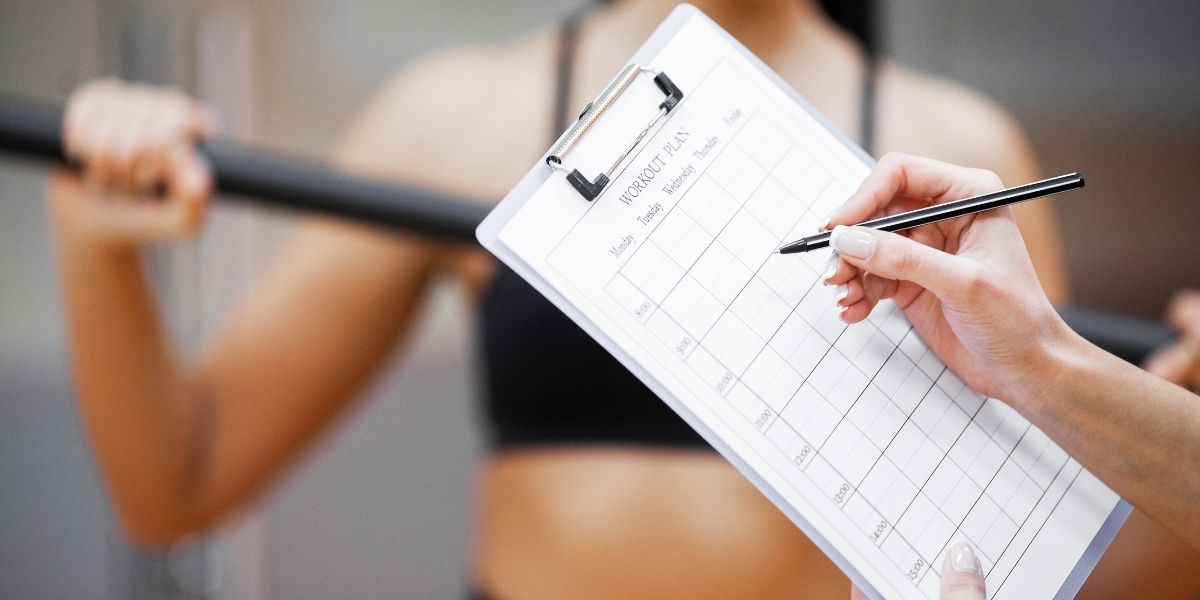
How to Start a Workout Plan That You Will Actually Stick To
Knowing how to start a workout plan matters more than knowing the perfect program, since the best plan on paper is worthless if it falls apart after two weeks. Start simpler and more sustainable than you think you need to, and build complexity later once consistency…
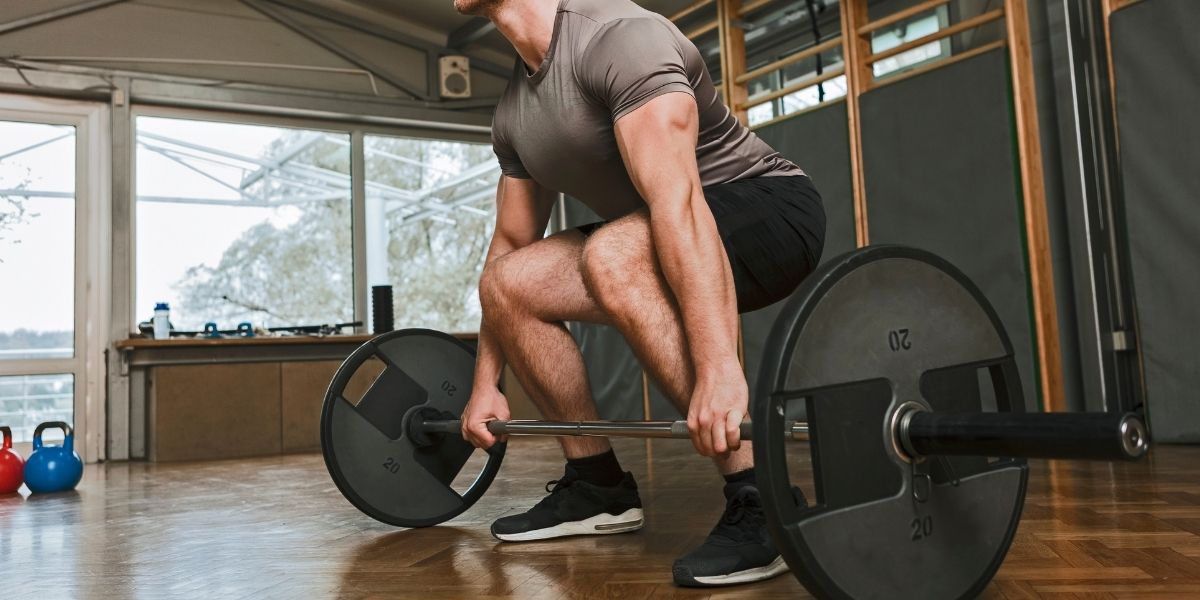
Deadlift Form Cues That Actually Fix Your Pull
Good deadlift form comes down to a handful of repeatable checkpoints rather than dozens of competing cues. Get the setup right, keep the bar close, and brace properly, and most of the common mistakes that lead to injury or a missed lift disappear on their own. This…
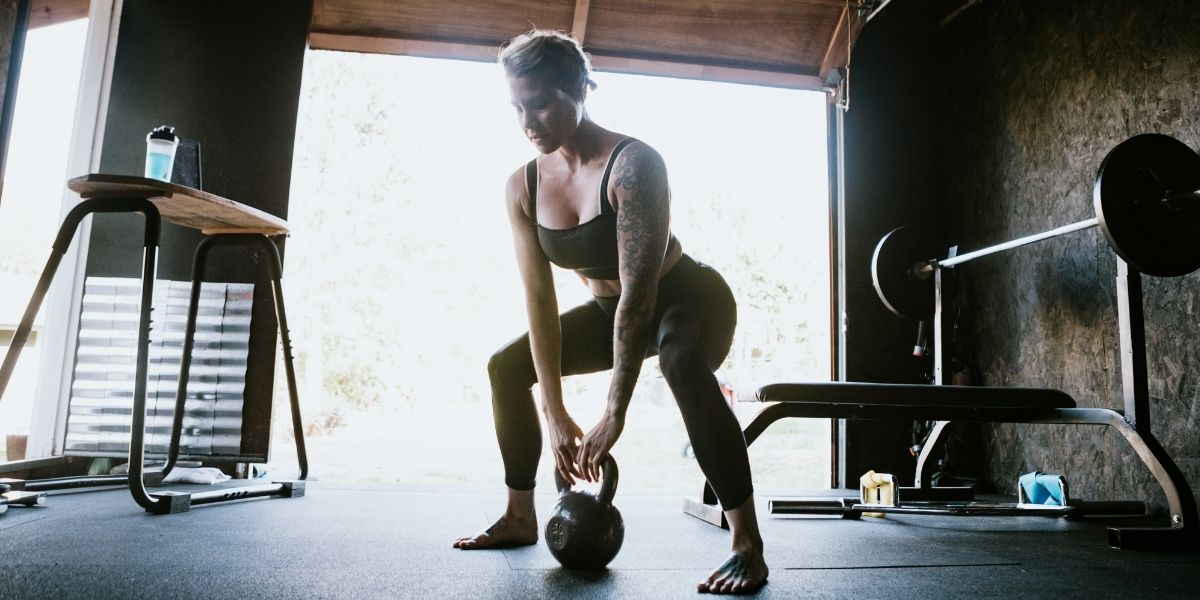
Compound Exercises Worth Building a Program Around
Compound exercises move multiple joints and muscle groups at once, which makes them more time efficient and generally more effective for building strength than isolation work alone. A program built around a handful of compound movements, with isolation work layered in…
trainer’s picks

Vibration Plate Review: What the Research Actually Supports
Vibration plates have moved from a niche recovery tool into something you will see in most commercial gyms, but the evidence behind them is more modest than the marketing around them suggests. This review focuses on what the research actually supports rather than the…
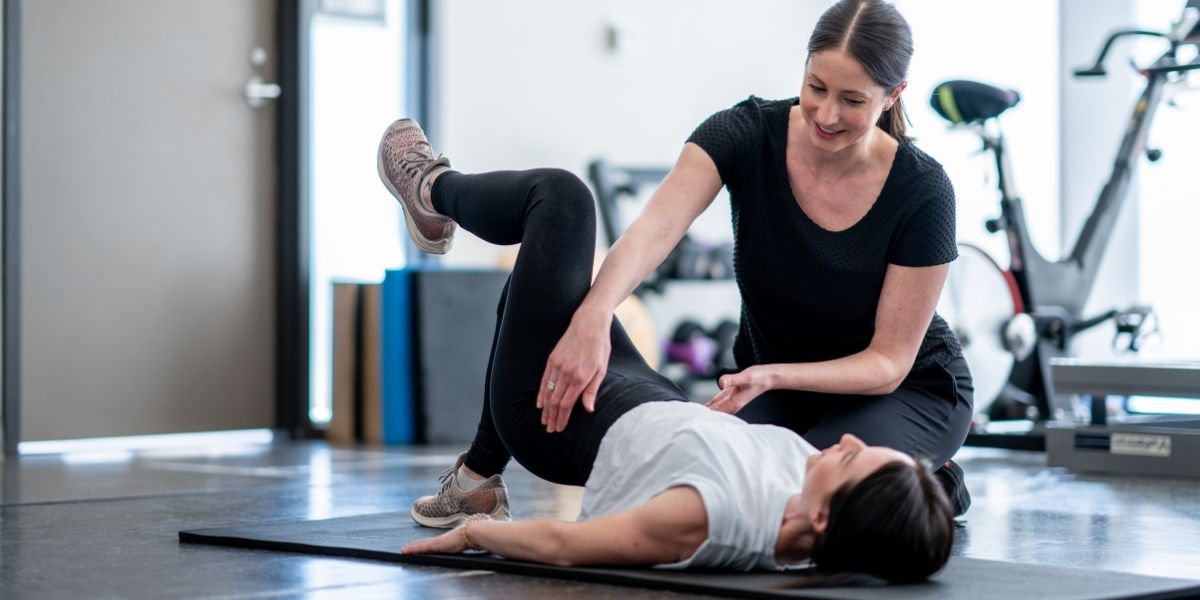
A Posterior Pelvic Tilt Program That Targets the Actual Imbalance
A posterior pelvic tilt happens when the pelvis rotates backward, flattening the natural curve of your lower back and typically pairing with tight hamstrings and a weaker hip flexor and lower back complex. A targeted program addresses both sides of that imbalance…
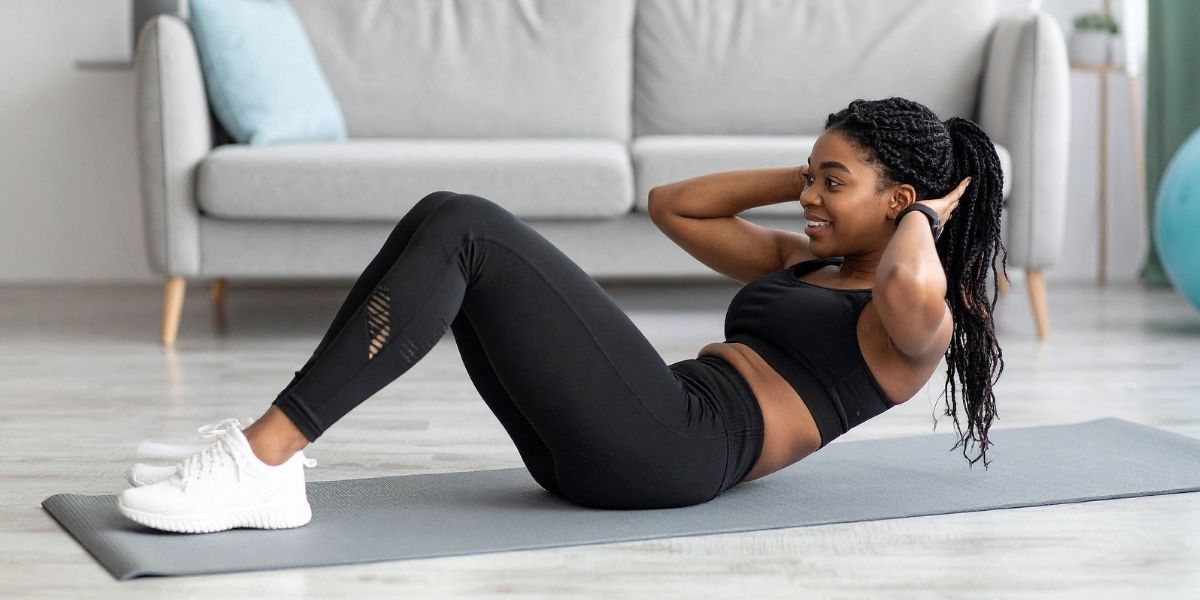
No Equipment Workouts That Actually Build Strength
Training with no equipment does not mean training without intensity. The limitation forces you to get creative with leverage, tempo, and density instead of just adding plates, and for a lot of lifters that constraint actually produces a harder, more honest session…
minimal equipment workouts
No Equipment Workouts That Actually Build Strength
Training with no equipment does not mean training without intensity. The limitation forces you to get creative with leverage, tempo, and density instead of just adding plates, and for a lot of lifters that constraint actually produces a harder, more honest session…
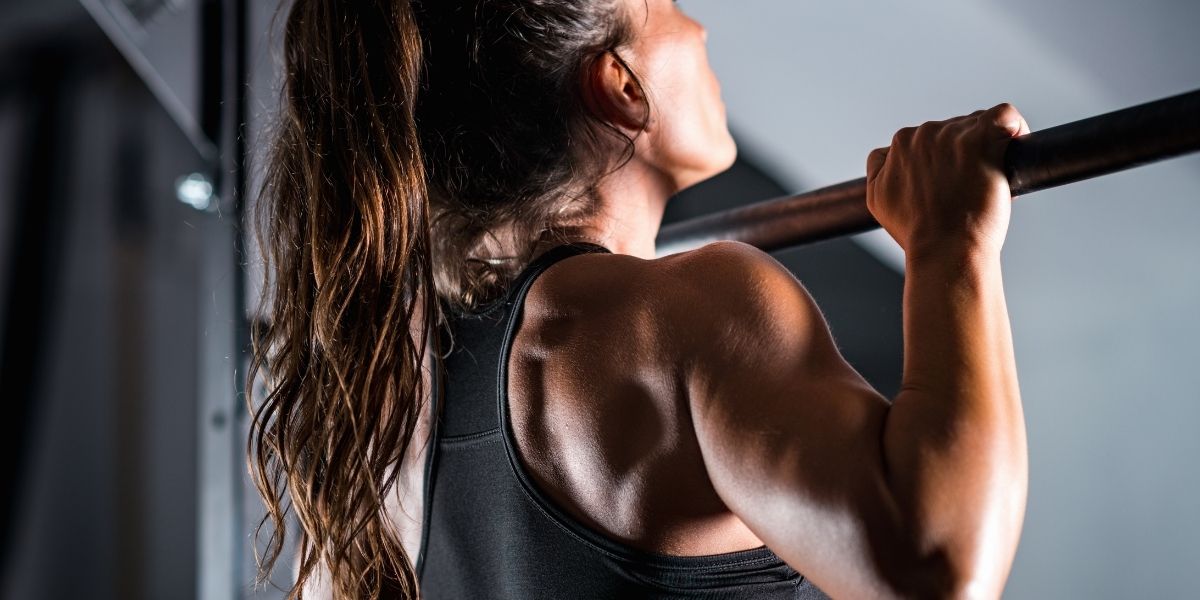
How to Do a Pull-Up: A Progression That Actually Works
The pull-up is one of the clearest tests of relative upper body strength you can run without any equipment beyond a bar. It trains the lats, biceps, rear delts, rhomboids, and midline all at once, and unlike a lot of gym movements, there is no way to fake your way…

The 10 Best Bodyweight Exercises for Men
Building real strength without a gym membership comes down to picking movements that scale in difficulty as you get stronger, rather than topping out after a few weeks. These ten cover every major movement pattern and progress far enough to challenge even an…
mobility and recovery
Vibration Plate Review: What the Research Actually Supports
Vibration plates have moved from a niche recovery tool into something you will see in most commercial gyms, but the evidence behind them is more modest than the marketing around them suggests. This review focuses on what the research actually supports rather than the…
A Posterior Pelvic Tilt Program That Targets the Actual Imbalance
A posterior pelvic tilt happens when the pelvis rotates backward, flattening the natural curve of your lower back and typically pairing with tight hamstrings and a weaker hip flexor and lower back complex. A targeted program addresses both sides of that imbalance…

How to Stretch Before Workouts Without Hurting Performance
Knowing how to stretch before workouts correctly comes down to one key distinction: dynamic movement, not static holding, is what actually prepares your body for hard training. Static stretching has its place, but doing it right before a heavy session can temporarily…
FAQ
What is Runnit.co and what do you do?
Runnit.co is a digital publication and fitness training platform dedicated to high-performance functional fitness, hybrid athletic programming, and physical longevity. We bridge the gap between academic exercise science and real-world results by providing digital training templates, evidence-based nutritional guides, and deep-dive technical articles designed to help individuals maximize both strength and stamina simultaneously.
How does Runnit.co differ from standard fitness websites?
Unlike generic fitness blogs, Runnit.co is written by people who actually train the way we write about it. Every guide comes from testing the programming ourselves first, treating strength, endurance, and mobility as one connected problem instead of three separate topics. We’d rather hand you something specific enough to actually use than another surface-level list of tips.
How are your training programs and content delivered?
Every guide, programming template, and recovery protocol on Runnit.co is published right here on the site, free to read and follow. No sign-up, no picking a track, just find the article that matches what you’re working on and use it.
Do you offer solutions for home gyms or traveling professionals?
Yes. A core pillar of our business is developing high-density minimal-equipment and bodyweight training templates. We understand that our audience includes busy professionals and home-gym owners who cannot always access a commercial training facility, so we deliberately design scalable tracks that deliver elite physical results using minimal infrastructure.
