1. X
  2. The Chicago Manual of Style
Log inSign up
The Chicago Manual of Style
3,754 posts
The Chicago Manual of Style profile banner
@ChicagoManual

The Chicago Manual of Style

@ChicagoManual
Find it. Write it. Cite it. | Send style questions to bit.ly/CMOSquestion. Other queries? Please email us at [email protected].
Chicago, IL, USA
chicagomanualofstyle.org
Joined April 2010
589
Following
48K
Followers
RepliesRepliesRepostsRepostsMediaMedia

Log in or sign up for X

See what’s happening and join the conversation

Continue with phone
or
Log in with username or email
Terms·Privacy·Cookies·Accessibility·Ads Info·© 2026 X Corp.
  • @ChicagoManual
    The Chicago Manual of Style
    @ChicagoManual
    Aug 27
    In most types of prose, common names for birds can usually be spelled without initial caps (e.g., blue-footed booby). Details in the Q&A.
    Image
    The Chicago Manual of Style, 18th Edition
    From chicagomanualofstyle.org
  • @ChicagoManual
    The Chicago Manual of Style
    @ChicagoManual
    Aug 20
    ICYMI: A comma is usually optional after a word like “today” or “yesterday” at the beginning of a sentence. Details in the Q&A.
    Image
    The Chicago Manual of Style, 18th Edition
    From chicagomanualofstyle.org
  • @ChicagoManual
    The Chicago Manual of Style
    @ChicagoManual
    Aug 18
    What does “the 2000s” mean to you, the decade or the century or the millennium? What about “the 1900s”? Our latest update at CMOS Shop Talk considers the challenge of writing about first decades.
    Image
    Decades
    From cmosshoptalk.com
  • @ChicagoManual
    The Chicago Manual of Style
    @ChicagoManual
    Aug 11
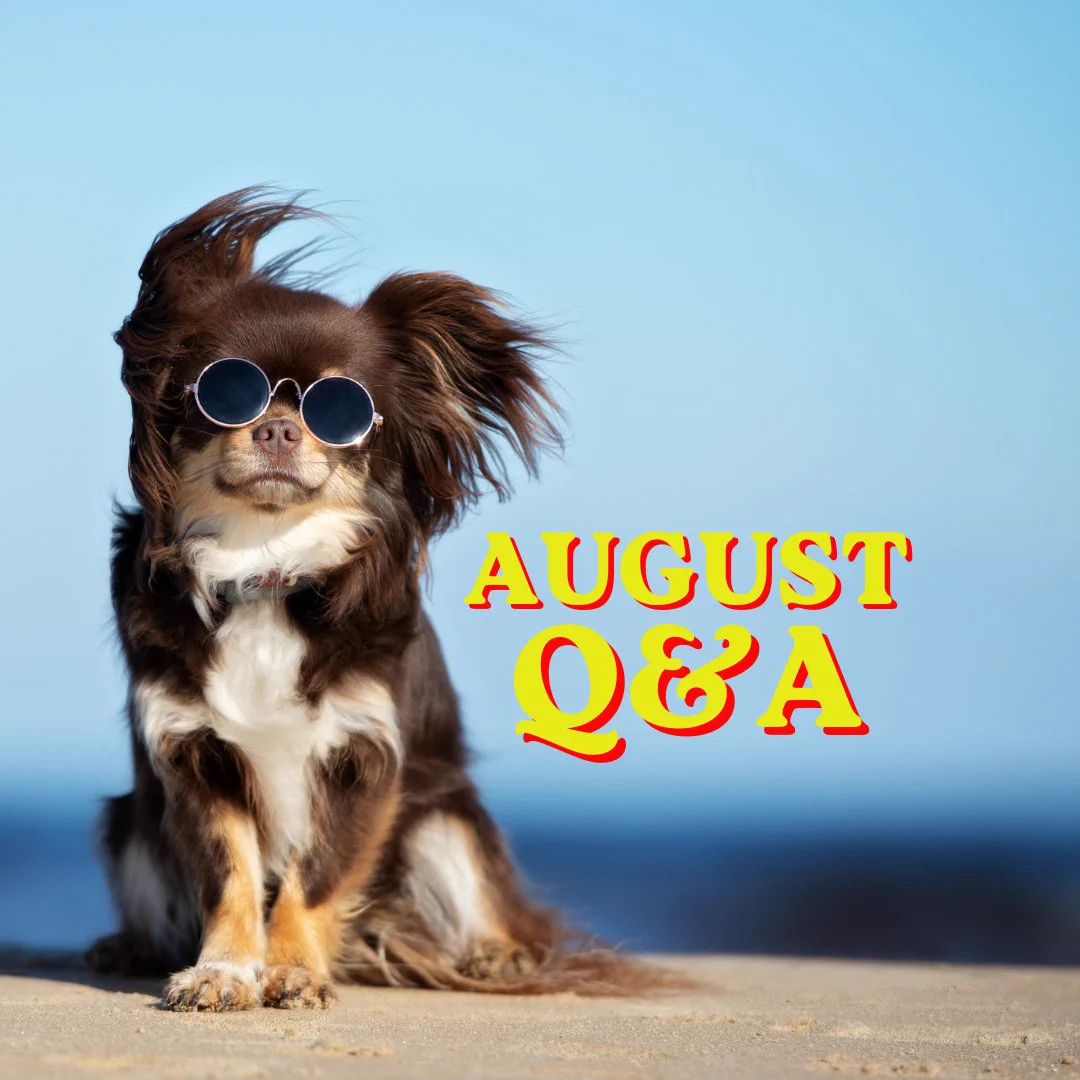
    Q. Would “as well as” be lowercase in a title? Q. What’s the rule for hyphenating a letter plus a noun? Q. How should timings be formatted in source citations? We answer these and other questions about Chicago style in the August Q&A at CMOS Online. cmos.style/QandA
    A brown-and-white Chihuahua announces the August Q&A. The dog, wearing sunglasses, sits on a strip of sand against a deep-blue background, its long hair blowing sideways in the wind.
  • @ChicagoManual
    The Chicago Manual of Style
    @ChicagoManual
    Aug 6
    In Chicago style, “time-clock-punching employees” (with two hyphens) would be preferred to “time clock–punching employees” (with an en dash) and “time-clock–punching employees” (with a hyphen and an en dash). Details in the Q&A.
    Image
    The Chicago Manual of Style, 18th Edition
    From chicagomanualofstyle.org
Advertisement
Advertisement