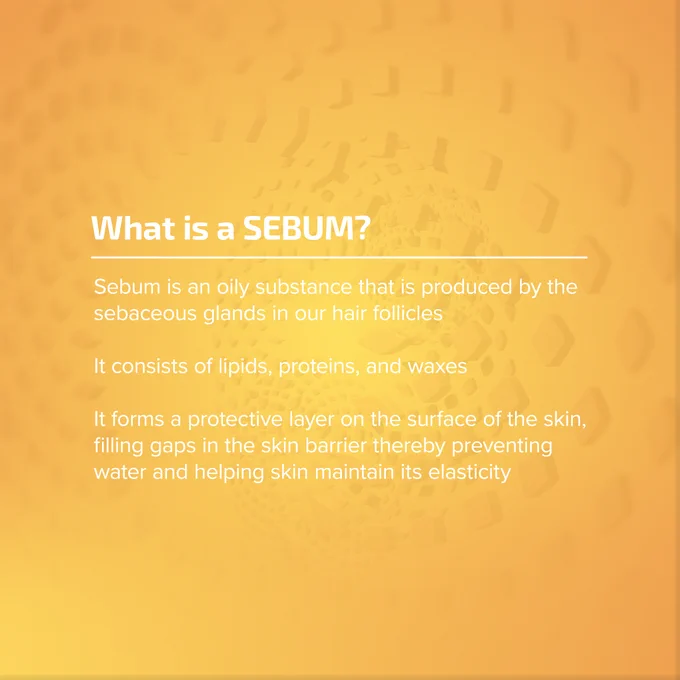
Skin sebum (natural skin oil) is a good servant but a bad master.
What happens to your skin if you have too much of it?
What is its connection to acne?
Skin sebum is normally excreted from the hair follicles, coats the upper layer of skin, and acts as a natural barrier that
We Restore Your Skin. From the Inside Out.
- Although Cutibacterium acnes sounds like a bacteria that will trigger the worst acne, C. acnes is a natural part of the skin's microflora and plays an important role in maintaining skin health. In fact, there are different strains of C. acnes, and some are commensal (strains
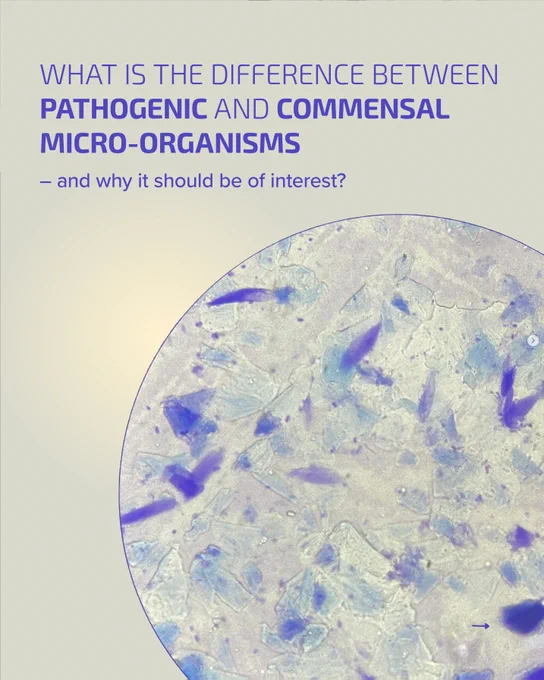
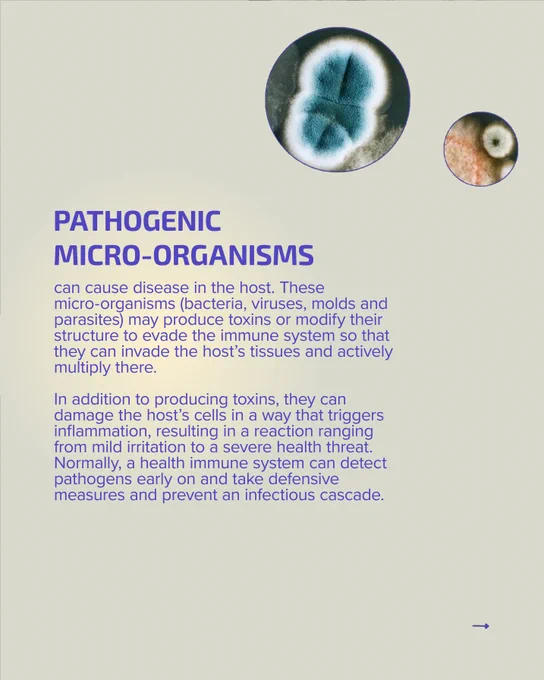
- The human microbiome, which includes trillions of microorganisms, is home to both commensal (good) and pathogenic (bad) microbes. Exploring the specific properties that distinguish these two types of microorganisms can help us understand the mechanisms that influence our health
- Adult acne is more common than we think: 50% of women ages 20 to 29 get acne and even 25% of women ages 40 to 49 still suffer from acne. Hormonal acne, with breakouts on the chin, along the jawline, or even on the neck can feel like a monthly hell-loop. Most pimple patches
- Getting dried out or reddish skin from your acne treatment? This hydrating, non-comedogenic/non-acnegenic poly-hydroxy acid (PHA) toner helps reduce the appearance of redness and enlarged pores. Made with our patented ShaantComplex™, this refining toner re-hydrates your skin