The fertilizer on your lawn could contain “forever chemicals.”
PFAS from treated sewage can move from soil into crops, livestock & drinking water.
EPA acknowledges the risks, but is proposing voluntary guidance instead of enforceable limits, leaving families to manage exposure.
750+ former EPA scientists, experts & leaders —bringing decades of expertise to protect public health and our environment.
- When pollution safeguards weaken, costs can shift from industry to communities through higher medical and insurance costs, missed work, filtration expenses and cleanup costs. Which cost is most often missing from the conversation?
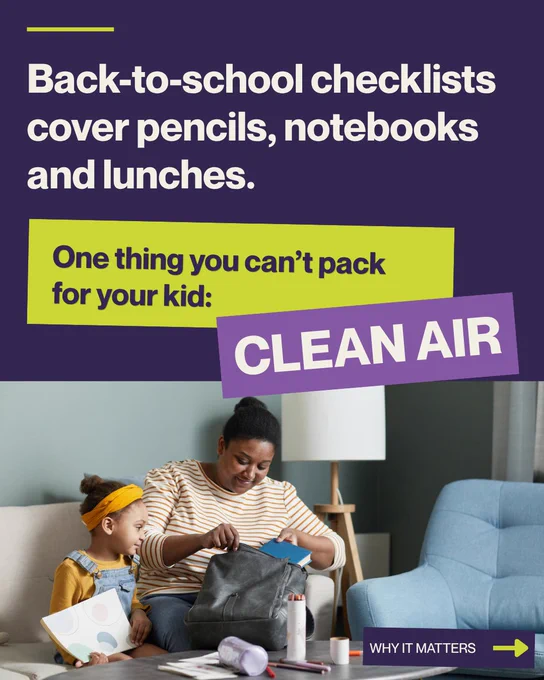
- What can you do when the air itself is making your child’s asthma worse? In 2024, EPA strengthened the national soot limit to better protect health. Now, it's trying to roll that limit back. Protecting the air kids breathe is EPA’s job, not something families can do alone.
- An aging Michigan coal plant was supposed to close. Now, the decision to force it to stay open another 90 days is on August 16th. Communities will pay twice: through electricity costs and the health impacts of toxic pollution. Tell EPA: Put our health first. Petition link below.
- What’s in the air your kid breathes after school? Ground-level ozone can build through the afternoon. Schools can adjust activities when the air is unhealthy, but that doesn’t remove the pollution. EPA should cut smog-forming pollution at the source, not roll safeguards back.