If you're working outdoors, wildfire smoke can affect your health.
Pay attention to how you're feeling. Common signs of smoke exposure include:
• Coughing or wheezy breathing
• Sore throat or runny nose
• Eye irritation or headaches
• Shortness of breath
If you have
Partnering with you to help British Columbians come home from work safe every day. This account is monitored M-F 8am-4:30pm. For emergencies call 1.888.621.7233
- Are you a home sharing provider? When your workplace is also your home, coverage can feel less clear. Personal Coverage can help self-employed people who are not automatically covered through WorkSafeBC access protection if they’re injured at work. We worked witH @clbc_connect,
- Wildfire season means conditions at your worksite can change quickly. Employers are required to assess the risk of wildfire smoke exposure and take steps to protect workers. Before work begins, consider: •The worksite's location and local air quality •The type of work being
- When safety standards change, it’s important for workplaces to know what’s been updated. Recent updates to B.C.’s Occupational Health and Safety Regulation clarify technical standards for safety headgear and respiratory protection, helping keep requirements clear and current.
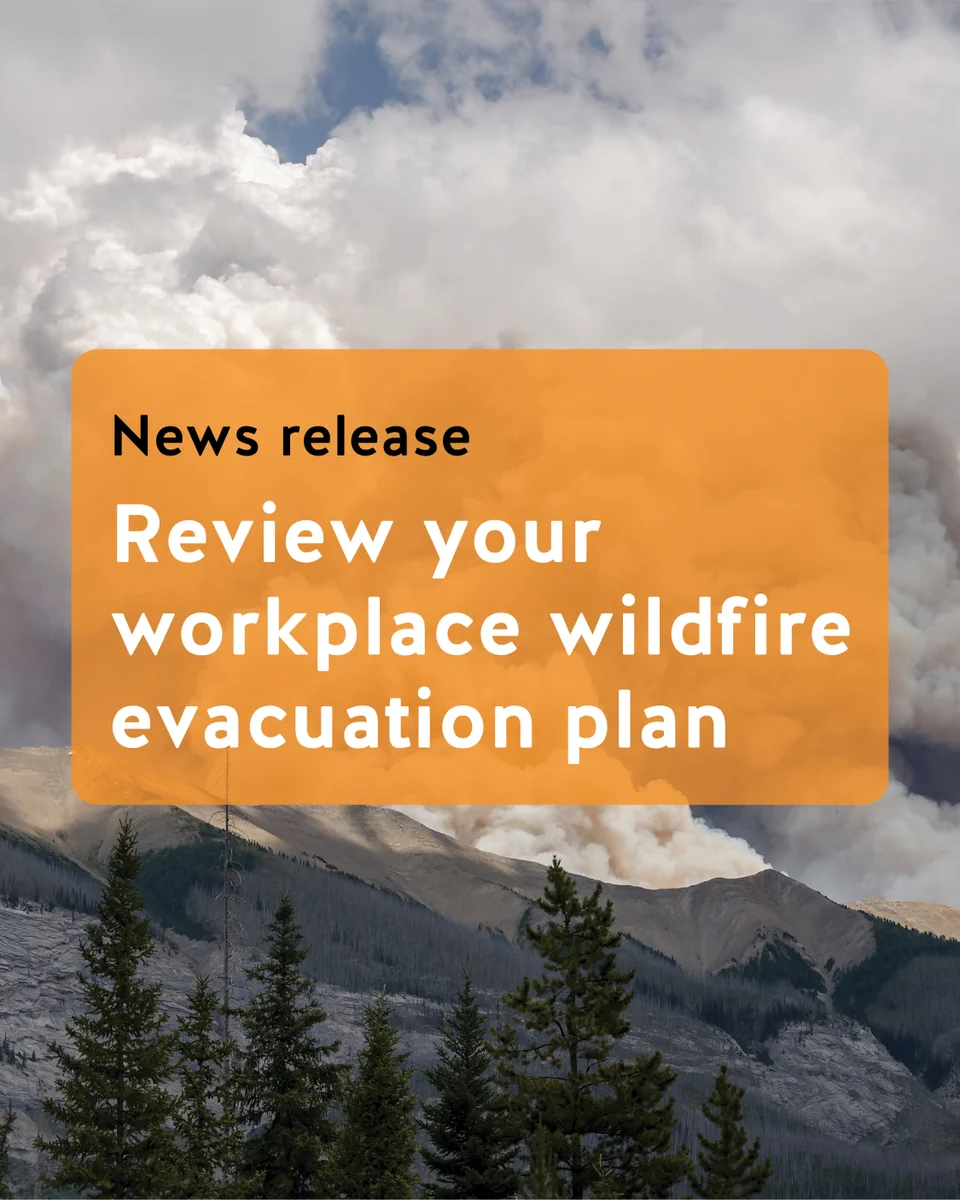
- With wildfire activity intensifying across B.C., now's the time to review your workplace's emergency evacuation plan. Here's how employers can prepare for an evacuation: ➡️ Identify when evacuation may be needed ➡️ Confirm clear, well-marked evacuation routes ➡️ Have a