NASA's Pandora mission has started scientific observations! The satellite will observe exoplanet transits, helping refine our understanding of exoplanet atmospheres and how they interact with light as we search for habitable planets in our universe.
New system upgrades means that MIT's Haystack Observatory can now become a critical piece of instrumentation for MIT's Planetary Defense Project, measuring space objects that could pose a hazard to Earth.
Congrats to recent MIT-WHOI graduate Liam Moser on his Fulbright award! On top of his research on subduction zones, Liam helped found the annual MIT-WHOI Geophysics Retreat and taught incoming graduate students in the MIT-WHOI Summer Math Review.
EAPS PhD student Perrin Davidson does theoretical work on the carbon cycle to explore the powerful mechanisms that keep our planet habitable — when he's not playing bluegrass music with his EAPS advisor, Professor Dan Rothman.
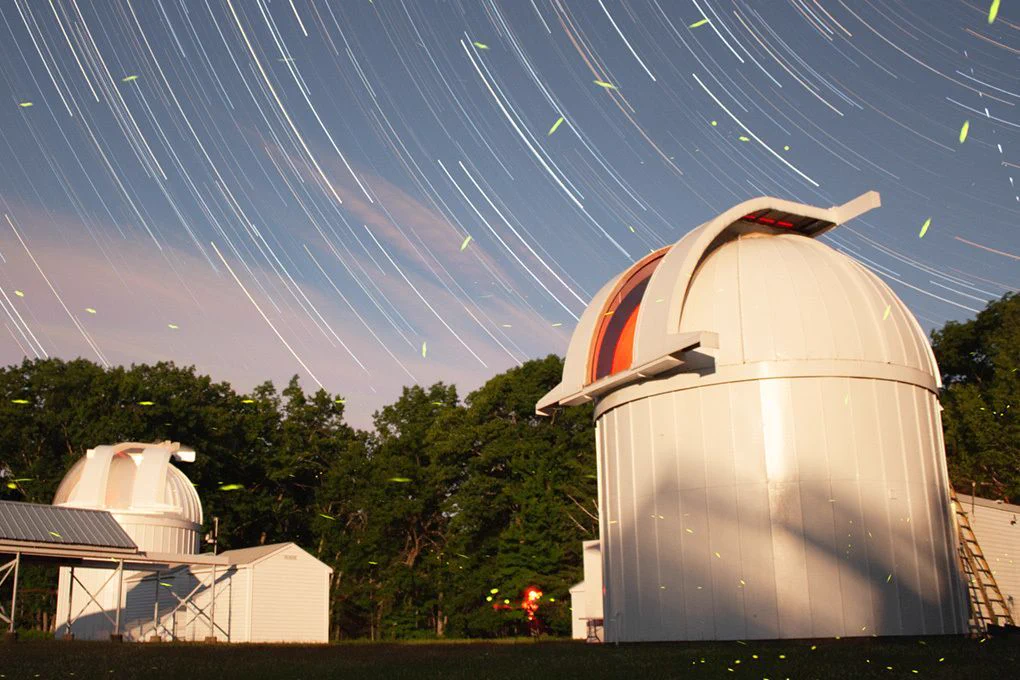
University observatories like MIT's Wallace Astrophysical Observatory play a key role in providing students hands-on astronomy experience and important research opportunities that larger observatories may not have time for.
buff.ly/iDnvv3L