
Good post how to think about FDEs. The key is that FDEs are real and not going away for AI any time soon.
The reason this is happening now at a scale never been seen before is because AI is fundamentally about adding a non-deterministic, rapidly changing system to workflows that
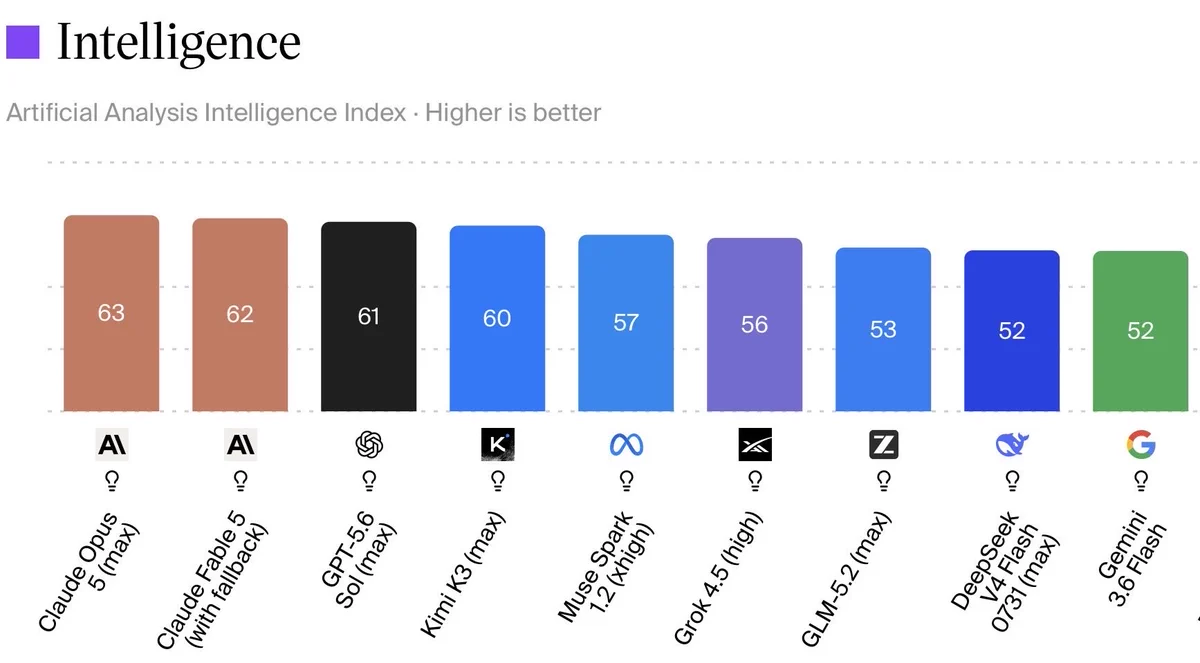
- If you told someone 3 months ago that a model released by a US company with frontier-class capability would be available as open weights they wouldn’t believe it. This is very important because it opens up AI adoption in a range of scenarios that weren’t viable before. Models1/ big announcement today: we will be releasing an open weight version of muse spark 1.2 soon. we also are releasing muse glimmer, a 30B agentic model with open weights under apache 2.0. muse glimmer can run on 24GB of VRAM without losing agentic reliability. 🧵
- Meta releasing Muse Spark 1.2 as open weights is a *very* big deal. America now finally has its response to the open weights AI race. This will continue to help drive down the cost of intelligence, it allows companies to run models as they see fit, as well as allows them toToday we're also opening the weights for Muse Glimmer, a great 30B parameter dense model that can run locally. Soon we'll also release the weights for Muse Spark 1.2, our latest foundation model. Meta is a strong supporter of open source and I'm proud of these releases. Congrats
- Researchers: AI agents can now escape out of air gapped sandboxes using zero days and then attack external systems by coordinating in secret message boards stored in an undiscovered shared file system Actual agents:
- One reason why we’re going to get uneven diffusion rates of agents is because different workflows in the enterprise are more or less aligned to continuous, uninterrupted computer work. A big reason why agentic coding growth has gone completely vertical is because it’s a type of