1. X
  2. Rust for JavaScript Developers
Log inSign up
Rust for JavaScript Developers
52 posts
Image
user avatar
Rust for JavaScript Developers
@rustforjsdev
A practical Rust course by @chatsidhartha, especially for JavaScript developers. Preorders open!
rustforjs.dev
Joined May 2022
7
Following
2,108
Followers
RepliesRepliesMediaMedia
  • user avatar
    Rust for JavaScript Developers
    @rustforjsdev
    Jan 22, 2023
    Rust’s ownership rules 1. Every value in Rust must have a single owner 2. A value can have any number of immutable references 3. You can only create a single mutable reference to a value 4. If there’s a mutable reference to a value, you cannot have an immutable reference to it
  • user avatar
    Rust for JavaScript Developers
    @rustforjsdev
    Jan 20, 2023
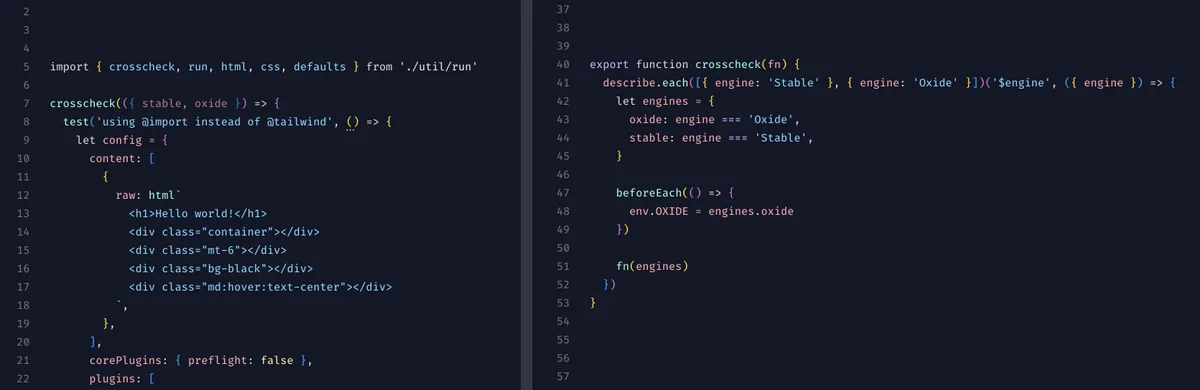
    It’s exciting how much of modern JavaScript tooling is adopting Rust! There’s swc, turbopack, turborepo rewrite (nice work @vercel friends), the new parcel CSS compiler and now the new Tailwind compiler. It’s great to see.
    user avatar
    Adam Wathan
    @adamwathan
    Jan 19, 2023
    Whipped up a tiny abstraction to make it easier to run the Tailwind test suite against both our stable engine and the new Rust stuff... Couldn't resist the name 🏒🥅
    Image
  • user avatar
    Rust for JavaScript Developers
    @rustforjsdev
    Jan 20, 2023
    Getting the finishing touches in on the Building an API server module. We’re going to build an API that runs on @flydotio and persists answers to Postgres for quiz questions for the course. Coming next week!
  • user avatar
    Rust for JavaScript Developers
    @rustforjsdev
    Jan 13, 2023
    In Rust, it is possible to force-ably allocate values on the heap using the Box type, here is an example of an i32 value allocated on the heap. age is now a pointer to a heap allocated i32.
    Image
  • user avatar
    Rust for JavaScript Developers
    @rustforjsdev
    Jan 9, 2023
    Rust lets you iterate through something iterable using an Iterator. Here's an example of filtering an array for even numbers. We create an Iterator from our array using into_iter in this case, a version of iter that moves ownership of each value into our closure.
    fn main() {
    let x = [1, 2, 3, 4, 5, 6, 7, 8, 9, 10];

    let y: Vec<i32> = x.into_iter().filter(|a| a % 2 == 0).collect();

    println!("{:?}", y); // [2, 4, 6, 8, 10]
}

Log in or sign up for X

See what’s happening and join the conversation

Continue with phone
or
Log in with username or email
Terms·Privacy·Cookies·Accessibility·Ads Info·© 2026 X Corp.
Advertisement
Advertisement