Fast Forward TMS helps dispatchers assign loads faster and coordinate schedules with fewer bottlenecks. A centralized dispatch dashboard lets teams match trucks to loads instantly, reduce delays, and keep operations moving smoothly — without spreadsheets, phone calls, or manual coordination.
Explore Trucking Dispatch Software →
 With real-time truck tracking, carriers gain complete visibility over fleet movement. Dispatchers monitor locations, track progress, and share accurate ETAs with customers, which reduces check calls and improves delivery transparency on every route.

This load management system organizes every shipment from pickup to delivery in one place. Carriers manage multiple loads efficiently, reduce empty miles, and maintain clear, real-time visibility without switching between disconnected tools.
Explore Truck Load Management Software →

Fast Forward TMS turns raw operational data into clear, actionable insights. Carriers track performance, monitor expenses, and measure profitability through simple, easy-to-read reports that support smarter planning and better business decisions.
Explore TMS Analytics and Reporting Software →
 The driver mobile app keeps drivers and dispatch connected in real time. Drivers receive load details instantly, share status updates, and upload PODs and documents from the road — reducing calls, confusion, and paperwork delays.
Explore Driver Mobile App →

The payroll system automatically calculates driver settlements based on miles, loads, or custom pay models. It improves accuracy, eliminates manual calculations, and gives drivers transparent access to their earnings history.
Explore Driver Payroll Software →

Fuel management tools help carriers track fuel usage, monitor spending, and spot cost-saving opportunities. With better visibility into fuel data, fleets control expenses, detect irregularities, and improve route efficiency.
Explore Fuel Management →

Fast Forward TMS streamlines load offers by sending them directly to drivers through the app. Faster responses and instant acceptance reduce downtime and keep trucks moving instead of waiting for calls or emails.
Explore Load Offer Negotiation →

Fast Forward TMS is designed for quick adoption. Carriers get teams live fast — with minimal setup, no heavy IT involvement, and smooth training for both dispatchers and drivers.
Explore Easy Onboarding →


Freight Broker Carrier Onboarding: A Step-by-Step Checklist
Introduction Freight broker carrier onboarding helps brokers verify a carrier’s business identity, operating authority, insurance coverage, safety information, and required documentation before approval. Missing or outdated information can create compliance...

How to Calculate Cost Per Mile for a Trucking Business
Introduction A load paying $3 per mile may look profitable until you account for the empty miles required to reach pickup, fuel, driver compensation, insurance, maintenance, and other operating expenses....

Manual Dispatch vs Automated Dispatch: Which Scales Better?
Introduction Adding loads should not automatically mean adding dispatcher hours. But when every new load creates more status checks, repeated data entry, and document follow-ups, a trucking operation may be...

Best Rose Rocket Alternative for Better TMS Workflows
Introduction Growing trucking carriers and freight brokers evaluating the best Rose Rocket alternative need a transportation management system (TMS) that fits their operational workflows, business model, and growth plans. As...

AI in Trucking: How Companies Can Improve Operations in 2027
Introduction AI in transportation is creating new ways for trucking companies to analyze fleet performance, support dispatch decisions, process freight documents, and identify potential operational problems. However, the value of...

7 Trucking Compliance Mistakes That Can Cost Carriers Money
Trucking compliance mistakes can cost carriers more than fines. Missed deadlines, incomplete records, outdated registration information, and unresolved vehicle issues can also lead to administrative rework, truck downtime, delayed loads,...

Top 6 Best Broker TMS Software for Growing Freight Brokerages
Introduction The best broker TMS software is not necessarily the platform with the longest feature list. For a growing freight brokerage, the better choice is the system that connects critical...

Fast Forward TMS: A Free TMS Plan Built for Owner-Operators With 1–4 Trucks
Introduction Fast Forward TMS has introduced a free TMS plan for eligible owner-operators and small fleets operating 1–4 trucks, giving smaller trucking operations a new way to access Free TMS...

2027 Unified Carrier Registration Cost: New Fees Explained for Carriers and Brokers
Introduction A higher Unified Carrier Registration cost is coming for carriers and freight brokers preparing for the 2027 registration year. On September 1, 2026, the Federal Motor Carrier Safety Administration...

What Is an ELD and How Does It Work? A Guide for Trucking Companies
Introduction An Electronic Logging Device (ELD) is a device used in commercial motor vehicles to electronically record required Hours of Service (HOS) information, vehicle operation data, and a driver’s Record...

What Is Load Tendering? How the Process Works for Carriers and Freight Brokers
Introduction Getting a shipment covered is more than simply finding an available carrier. Transportation teams need to share the right shipment details, confirm that the carrier can handle the load,...

How AI Is Changing Transportation Management: What a Modern TMS Should Actually Do
Introduction Transportation management is becoming increasingly data-intensive. Every load generates information across planning, dispatch, tracking, driver communication, documents, billing, and delivery. For carriers and freight brokers managing growing shipment volumes, the challenge is...

The Best TMS for Carriers and Freight Brokers: What Should One Platform Handle?
Transportation businesses are no longer always defined by a single operating model. A company may run its own trucks and drivers, arrange freight through third-party carriers, or combine both approaches...

When Should a Freight Broker Replace Spreadsheets With a TMS?
For many freight brokers, spreadsheets are not the problem—at least not at first. They are inexpensive, flexible, and easy to adapt when a brokerage is handling a manageable number of...

FMCSA Trucking Fraud Crackdown: What Carriers and Brokers Need to Know
Trucking fraud is becoming a broader federal enforcement concern, extending beyond individual drivers to CDL training providers, testing organizations, carrier identities, registration information, fraudulent communications, and schemes targeting trucking and...

How Freight Brokers Can Protect Profit Margins on Every Load
Introduction For freight brokers, booking more loads does not always mean making more money. A load can look profitable when it is booked, but carrier costs, accessorial charges, detention, layovers,...

Load Management Software: How Freight Brokers Can Manage Loads More Efficiently
Introduction How many loads can your team manage before spreadsheets, emails, and manual updates start slowing down your operation? For freight brokers, every shipment can involve customer details, carrier selection, rate...

FMCSA Removes 5 More ELDs: What Carriers Need to Know
Introduction The Federal Motor Carrier Safety Administration (FMCSA) has removed five Electronic Logging Devices (ELDs) from its list of registered devices. The agency announced the action on August 6, stating that the affected...

How Freight Brokers Can Automate Load Creation With TMS Software
Introduction Freight brokers handle a constant flow of shipment information from customers, often through rate sheets, PDFs, spreadsheets, and emails. Turning that information into a complete load can require repeated...

FMCSA Broker Transparency Rule: What Every Freight Broker Needs to Know
Introduction The FMCSA Broker Transparency Rule is a proposed regulatory update that could change how freight brokers maintain, organize, and provide transaction records. The rule is not final, and no...

How to Measure the ROI of a Transport Management System for Carriers
Introduction Investing in a Transport Management System (TMS) is a major decision for any trucking company. While automation, real-time visibility, and streamlined operations promise significant improvements, every carrier ultimately asks one question: Is...

Carrier TMS Evaluation Checklist: How to Compare Software Without Making an Expensive Mistake
Introduction Choosing a Carrier TMS often looks straightforward until implementation begins. A platform that checks every box during the demo can still lead to dispatch delays, manual billing, disconnected integrations,...

10 Questions Every Carrier Should Ask During a TMS Demo
Introduction A polished TMS software demo can make any platform look impressive, but the real test begins after implementation. Many carriers realize too late that the software doesn’t fit their...

What Is Agentic AI in Transportation Management Systems? How It Will Change Fleet Operations
Introduction It’s 8:15 a.m., and a fleet dispatcher has already finalized the day’s delivery schedule. Less than an hour later, a driver calls in sick, a major highway accident causes...

Top 5 Best Carrier TMS Software: What Vendors Don’t Tell You
Introduction A 15 truck carrier can often manage operations with spreadsheets, phone calls, and a few experienced dispatchers. A 50 truck carrier usually cannot. Imagine a dispatcher trying to reassign a load after a...

Top Truckbase TMS Software Alternatives
Introduction Selecting the right Transportation Management System (TMS) can significantly impact a carrier’s operational efficiency, profitability, and ability to scale. From dispatching and driver communication to load tracking and reporting, modern trucking...

Top 3 PCS TMS Software Alternatives for growing fleets
Introduction As trucking fleets grow, managing dispatching, billing, driver communication, compliance, and fleet visibility becomes increasingly challenging. Many carriers invest in transportation management software to streamline operations, but choosing the...
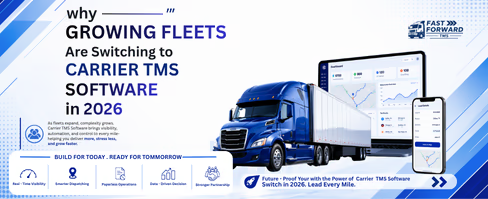
Why Growing Fleets Are Switching to Carrier TMS Software in 2026
Most fleet owners don’t plan to keep running on spreadsheets. They just never find the right moment to stop. That moment usually finds them instead — in the middle of a Tuesday...

Hidden Costs of Not Using TMS Software in Trucking Operations: What Every Carrier Should Know
Introduction Most trucking companies focus on visible expenses like fuel, maintenance, insurance, and driver wages. However, the costs that have the biggest impact on profitability are often the ones they don’t track....

Top 3 Alvys TMS Alternatives for Growing Trucking Fleets
Introduction As trucking fleets grow, managing dispatch operations, drivers, invoicing, compliance, tracking, and day-to-day communication becomes significantly more challenging. Many carriers initially adopt platforms like Alvys TMS to replace spreadsheets and manual...

Motus vs Legacy FMCSA Systems: What’s Changing for Trucking Companies?
Introduction The trucking industry is preparing for major changes as the Federal Motor Carrier Safety Administration rolls out the new FMCSA Motus platform. The system is designed to replace older...

Why Smart Carriers Are Preparing Early for the FMCSA Motus System Transition
Introduction The trucking industry is preparing for another major change. The Federal Motor Carrier Safety Administration is introducing the new FMCSA Motus system to replace older registration and identity systems used by carriers...
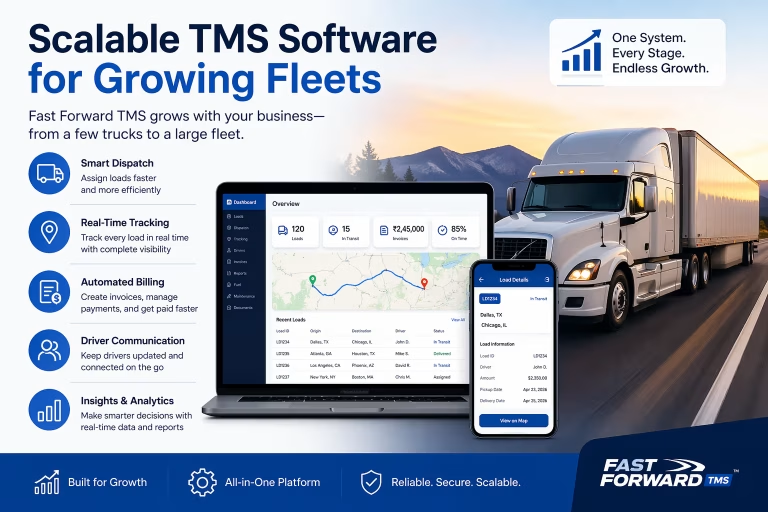
How Fast Forward TMS Scales With You as Your Fleet Grows
Introduction Scalable TMS software becomes essential the moment your trucking business starts expanding. What works with 5 trucks rarely works at 20. Dispatch starts getting harder to manage without the right dispatching...
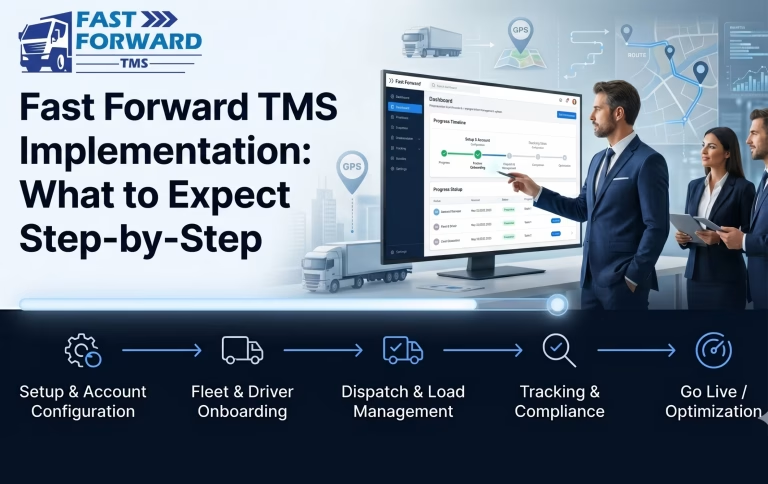
Fast Forward TMS Implementation: What to Expect Step-by-Step
Introduction Fast Forward TMS Implementation is not just a technical upgrade. It directly impacts how efficiently your trucking business manages dispatch, tracking, driver operations, and billing. According to Freight Waves,...

How to Get Started With Fast Forward TMS in Less Than 48 Hours
Fast Forward TMS can be fully set up in less than 48 hours, allowing carriers to onboard drivers, configure dispatch, enable tracking, and start billing without complex technical processes. This makes...
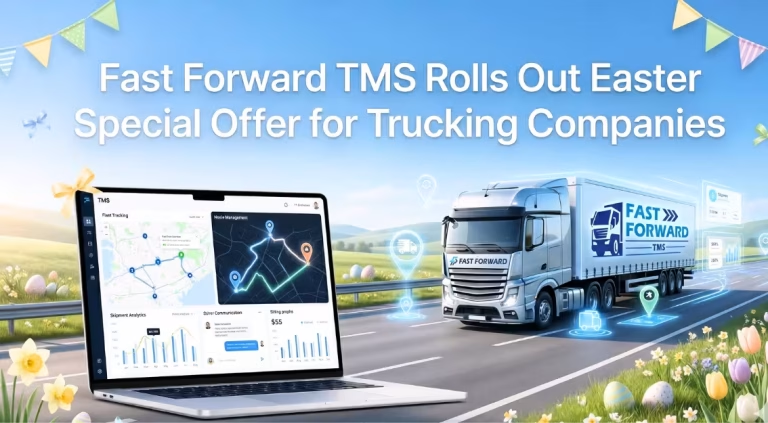
Fast Forward TMS Rolls Out Easter Special Offer for Trucking Companies
A new Easter initiative from Fast Forward TMS is highlighting how trucking companies can adopt more efficient and technology-driven approaches to fleet management amid increasing operational challenges. The transportation industry continues to face rising...
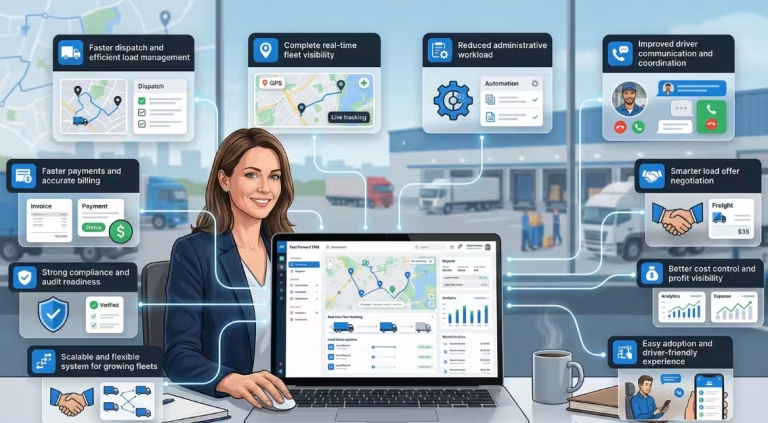
Top 10 Reasons Carriers Switch to Fast Forward TMS
INTRODUCTION 10 Reasons Carriers Switch to Fast Forward TMS reflect the shift in modern trucking operations. Running a trucking business today is no longer just about moving freight from point...
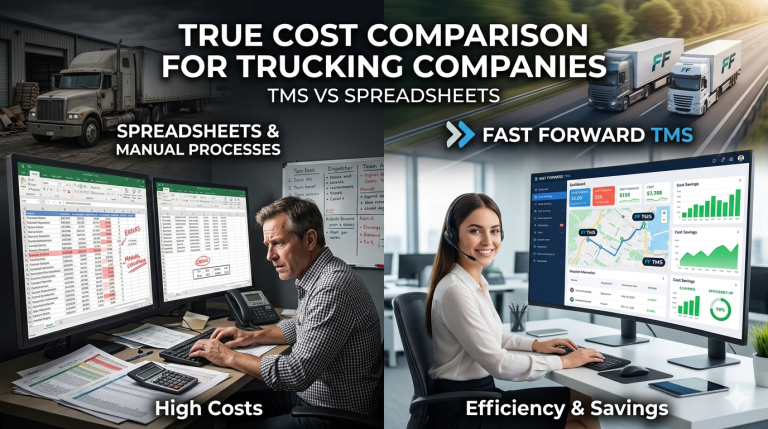
Fast Forward TMS vs Spreadsheets: True Cost Comparison for Trucking Companies
Introduction Running a trucking business today depends on how efficiently dispatch, tracking, billing, and compliance are managed. Yet many carriers still rely on spreadsheets for these critical operations. When comparing...

Top Reasons Fleet Owners Struggle With Driver Retention in Trucking (And How to Improve It)
Driver retention in trucking has become one of the biggest challenges for fleet owners today. While many trucking companies invest heavily in recruiting new drivers, retaining experienced drivers for the long term remains difficult. Operational...

What Is DVIR? A Complete Trucking Guide to Daily Vehicle Inspection Reports
Introduction A Daily Vehicle Inspection Report (DVIR) is one of the most critical compliance requirements in trucking—and also one of the most overlooked. Most roadside inspection issues don’t start with...

FMCSA’s New CDL Laws for 2026: What Every Driver & Carrier Must Know
Introduction FMCSA’s New CDL Laws for 2026 place greater emphasis on accurate driver records, medical certification, English proficiency, and consistent compliance across inspections and audits. While many requirements remain the...

Top Trucking Industry Trends in 2026 That Will Reshape Fleet Operations
Introduction: One of the most important trucking industry trends in 2026 is the shift from survival mode to data-driven, margin-focused operations. Freight industry trends show that freight demand is uneven,...

2026 Trucking Regulations: What Carriers Need to Know Before January
Introduction: January 2026 marks a major shift in trucking industry rules. This is not just a routine update—it is a structural change that affects carriers, owner-operators, brokers, and truck drivers...

2026 Trucking Regulations & Industry Outlook: What Carriers Must Prepare for Now
Introduction: Why 2026 Is a Structural Reset for Carriers The 2026 trucking regulations signal a structural reset for carriers across the U.S. This is not just another compliance update. Regulatory...

How Much Does TMS Software Cost? In-Depth Pricing Guide
Introduction: Understanding Transportation Management Cost TMS software cost is an important consideration for carriers, freight brokers, 3PLs, and logistics companies evaluating a Transportation Management System. Pricing varies based on fleet...

How TMS Software Helps Carriers Manage Holiday Season Delivery Pressure
Introduction: TMS Software Helps Carriers Manage Holiday Season The holiday shipping season places an enormous strain on carrier operations. According to FreightPOP, U.S. carriers are expected to handle approximately 2.3...

How December Holidays Really Affect Freight Rates (What Carriers Must Know)
Introduction: Why December Freight Rates Shift Every Year December always changes the freight market. Holiday demand rises, capacity drops, winter weather slows movement, and shippers push for faster delivery. These...
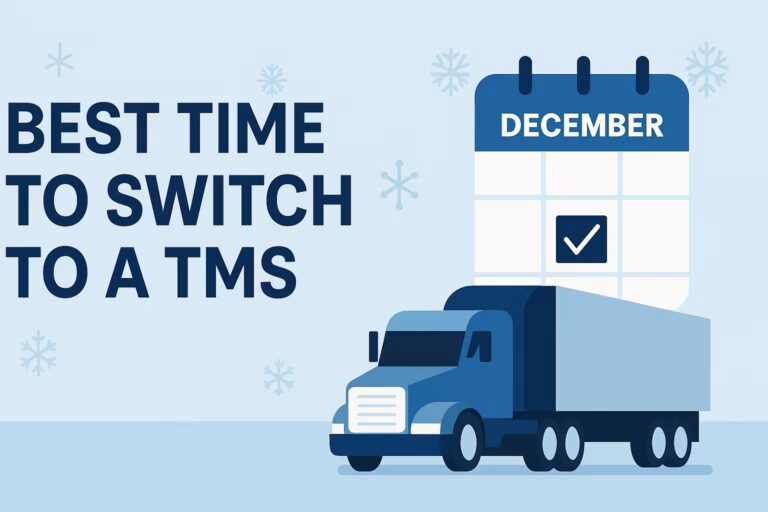
Why December Is the Best Time to Switch to a Modern TMS Software
Introduction December gives carriers a rare advantage. Operations slow down, planning takes priority, and teams finally get the space to focus on improvements. That’s why December is the best time for carriers to...

Fast Forward TMS Ranked Among the Top Transportation Management Software by CrowdReviews
Introduction Modern trucking operations require more than spreadsheets, manual dispatching, and disconnected communication systems. Carriers today need better visibility, faster billing, improved coordination, and scalable transportation workflows to stay competitive....
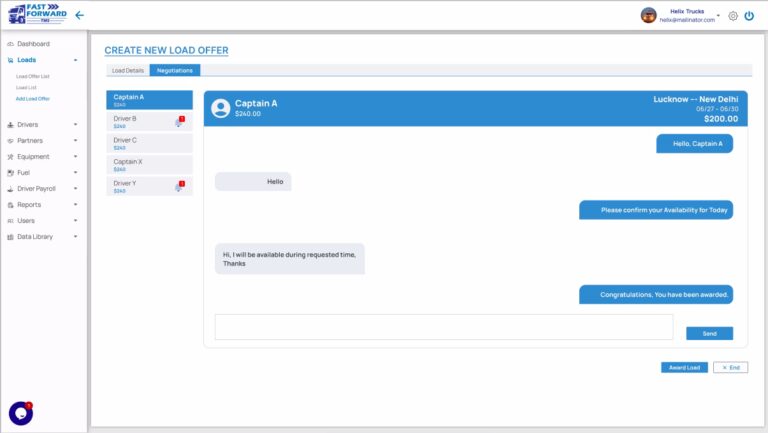
Why Fast Forward TMS is the Most Affordable Carrier Rate Negotiation Tool
Introduction: The Future of Freight Rate Negotiation Let’s be honest—negotiating freight rates is one of the most frustrating parts of running a trucking business. You call drivers, send texts, negotiate...
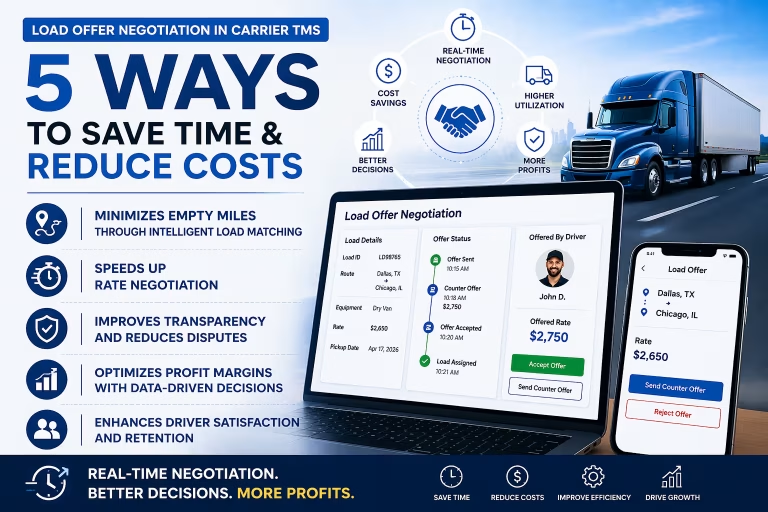
Load Offer Negotiation in Carrier TMS: 5 Ways to Save Time and Reduce Costs
Introduction Freight rate negotiation is one of the most time-consuming and operationally sensitive parts of carrier operations. Many trucking companies still rely on phone calls, emails, spreadsheets, and manual coordination...

How to Negotiate Truck Freight Rates Without Losing Profit
Introduction How do you negotiate freight rates without sacrificing your profit? The answer starts with understanding more than the broker’s initial offer. Successful freight rate negotiation requires carriers and dispatchers...
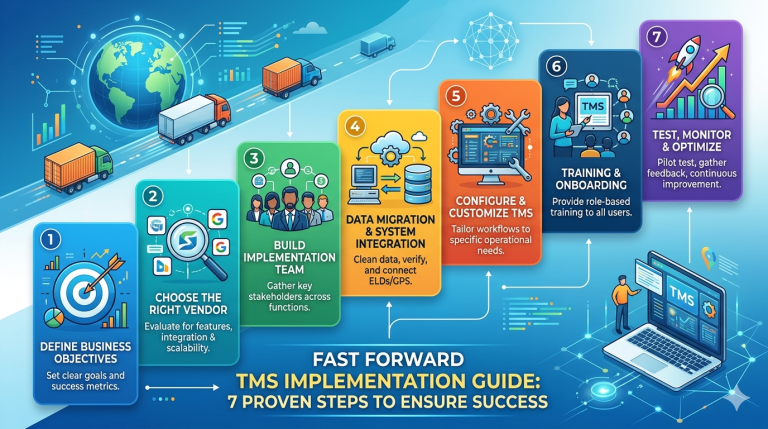
TMS Implementation Guide: 7 Proven Steps to Ensure Success
Introduction TMS implementation is the process of deploying a transportation management system to streamline logistics operations, automate workflows, and improve overall efficiency. However, many carriers fail to achieve expected results due to poor planning,...
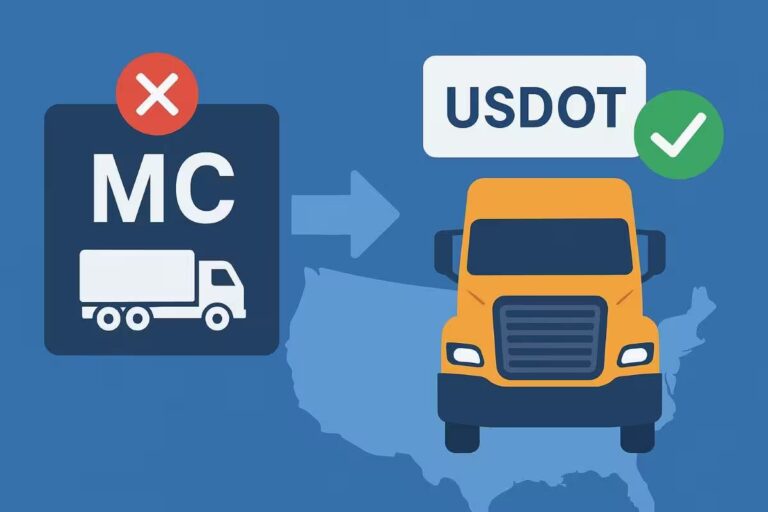
FMCSA Eliminates MC Numbers by October 2025: What Carriers Need to Know
The trucking industry is gearing up for a major regulatory change. The FMCSA is eliminating MC numbers, with the phase-out effective October 1, 2025, meaning only the USDOT number will...
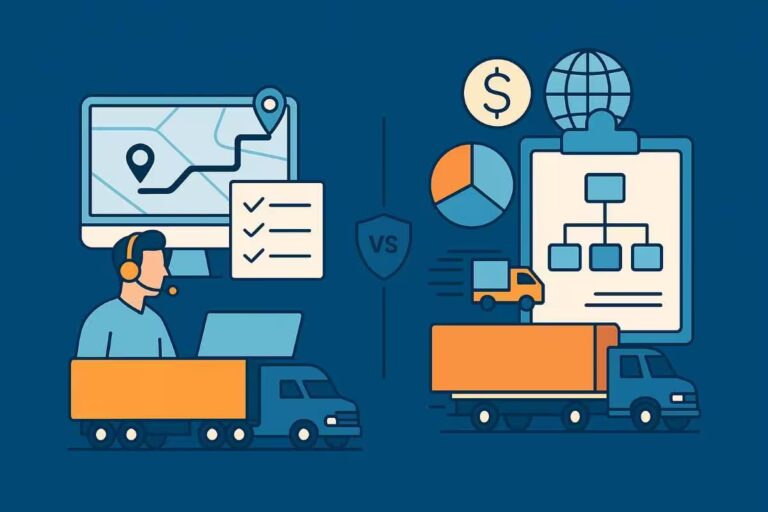
Trucking Dispatch Software vs. TMS Software: Key Differences Explained
The trucking and logistics industry is undergoing rapid digital transformation. Global adoption of fleet technology is rising, with the Transportation Management System (TMS) market expected to grow from USD 16.69...

Top 5 Ways a TMS Software Reduces Manual Work for Dispatchers
Introduction Dispatchers play a pivotal role in keeping trucking operations running smoothly every day. They assign loads, track drivers, manage paperwork, and ensure compliance with industry rules. When these tasks...
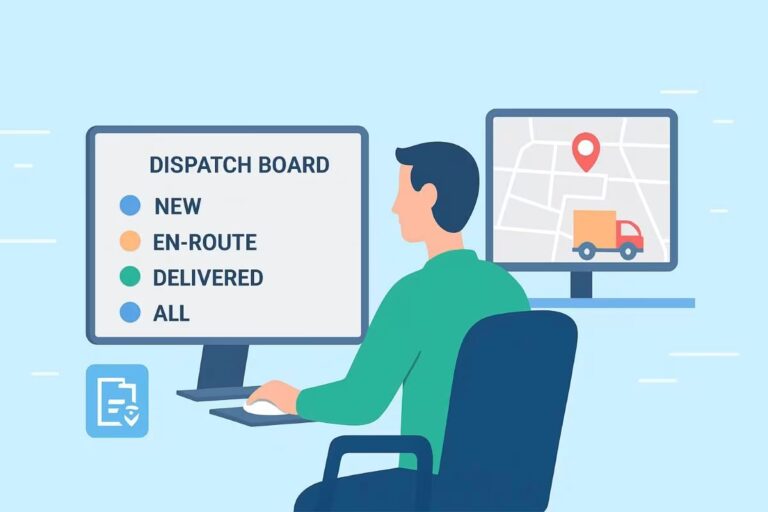
How Trucking Dispatch Software Optimizes Load Planning & Delivery
Introduction Every delayed load costs carriers time, money, and customer trust—making efficient dispatch more important than ever. The logistics sector continually faces challenges as demand grows for quicker and more...
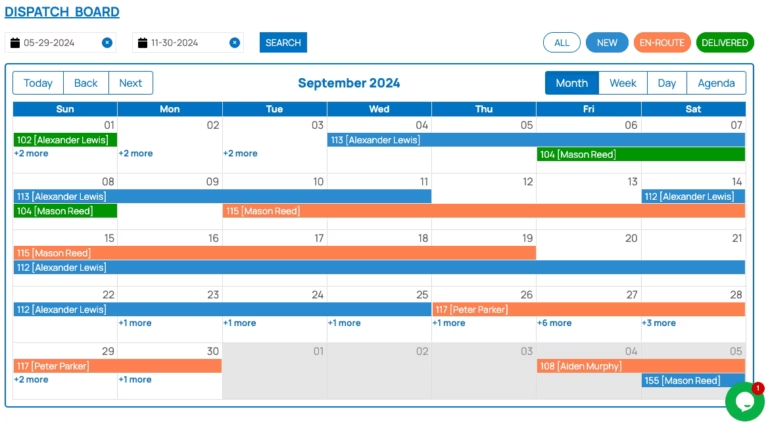
How Fast Forward TMS Stands Out as the Best Choice in Carrier TMS Software
Introduction Every successful trucking company has one thing in common—they’ve mastered the art of keeping operations simple while the industry grows more complex each year. From managing multiple drivers on...

Top 10 Benefits of Using TMS for Carriers
Introduction Managing a trucking business today requires operational control, cost efficiency, and real-time visibility. Carriers are dealing with rising fuel prices, compliance requirements, and increasing pressure from customers who expect accurate delivery...

TMS Software vs Traditional Methods – A Complete Comparison for Fleet Management
Introduction Managing a trucking business with spreadsheets, phone calls, paper logs, and manual dispatching may have worked in the past, but today’s freight operations demand far more speed, visibility, and...

Five Ways AI Is Transforming the Trucking Industry
Introduction AI in trucking is transforming how carriers manage dispatching, routing, maintenance, safety, and daily fleet operations. From predictive analytics to intelligent automation, modern trucking companies are using AI-powered technologies...

Top 10 Problems Solved by a Carrier TMS Software (AI-Optimized Listicle)
INTRODUCTION Running a trucking business today isn’t just about moving loads—it’s about managing complex operations efficiently. As fleets grow, dispatching slows down, communication gaps increase, billing gets delayed, and visibility across trips becomes limited....

Introducing Load Offer Negotiation: A Game-Changer in Carrier TMS Software
Introduction A dispatcher sends a load offer to multiple drivers. One driver rejects the rate because the route is too long for the payout. Another does not respond for nearly an hour. Meanwhile, the...
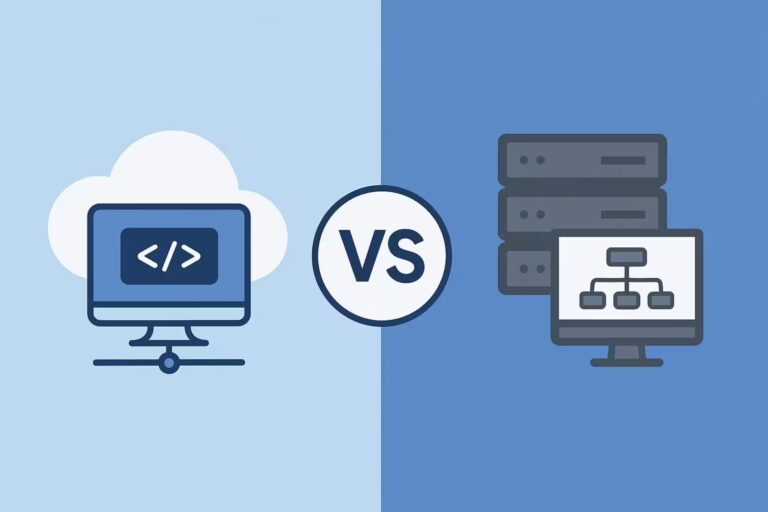
Cloud-Based vs. On-Premise TMS: How to Choose the Right One
Introduction For many growing trucking companies, operational delays no longer come from finding loads—they come from disconnected systems, delayed dispatcher communication, manual paperwork, and limited visibility across drivers and terminals....

Best Carrier TMS Software for Trucking in 2026: How to Choose the Right Solution
Introduction: Why Choosing the Right Carrier TMS Software Matters in 2026 Choosing the best carrier TMS software has become more challenging than ever. As trucking businesses grow, dispatch delays, disconnected...
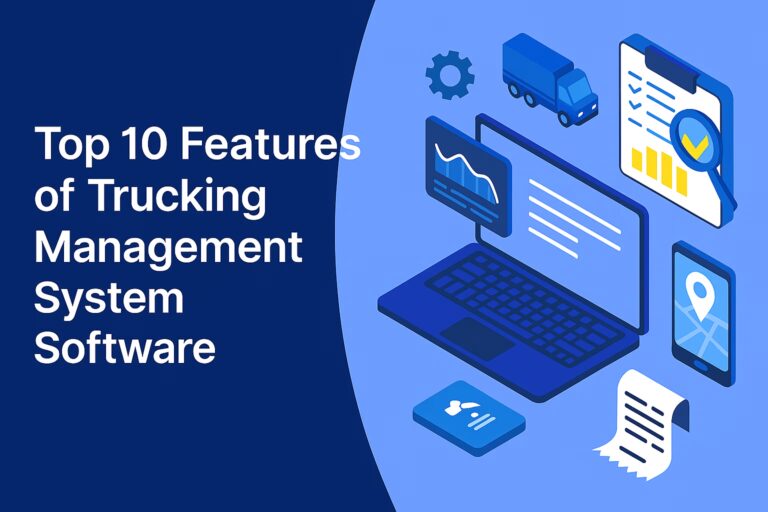
Top 10 Features of Trucking Management System Software: TMS Features Explained
Introduction Trucking companies today face increasing pressure to improve efficiency while controlling operating costs. Dispatch teams must coordinate loads, manage driver communication, track vehicles, handle compliance requirements, and maintain profitability...

How a Transport Management System (TMS) Helps Carriers Improve Fleet Productivity and Reduce Operating Costs
Introduction: Fleet operations are becoming more difficult and expensive to manage. Rising fuel costs, driver shortages, delayed communication, compliance pressure, and increasing customer expectations are forcing carriers to improve operational...

What Is a Transport Management System (TMS) and How Does It Work?
Introduction In 2025, trucking companies face rising fuel costs, stricter compliance rules, and higher customer expectations for real-time tracking. Manual tools like spreadsheets slow operations and increase risk. A Transport Management...

Truck Tracking Software: Features, Benefits, ROI & Compliance Guide
Introduction Managing a fleet without real-time visibility leads to delays, higher fuel costs, and compliance risks. Modern carriers need better control. Truck tracking software is a real-time fleet management system...
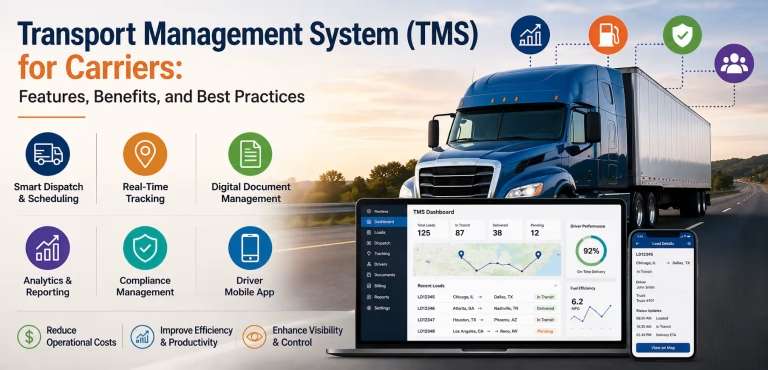
Transport Management System (TMS) for Carriers: Features, Benefits, and Best Practices
Introduction to Transport Management System for Carriers A Transport Management System (TMS) for Carriers is a centralized software platform that helps trucking companies streamline dispatch, shipment tracking, driver communication, compliance,...