
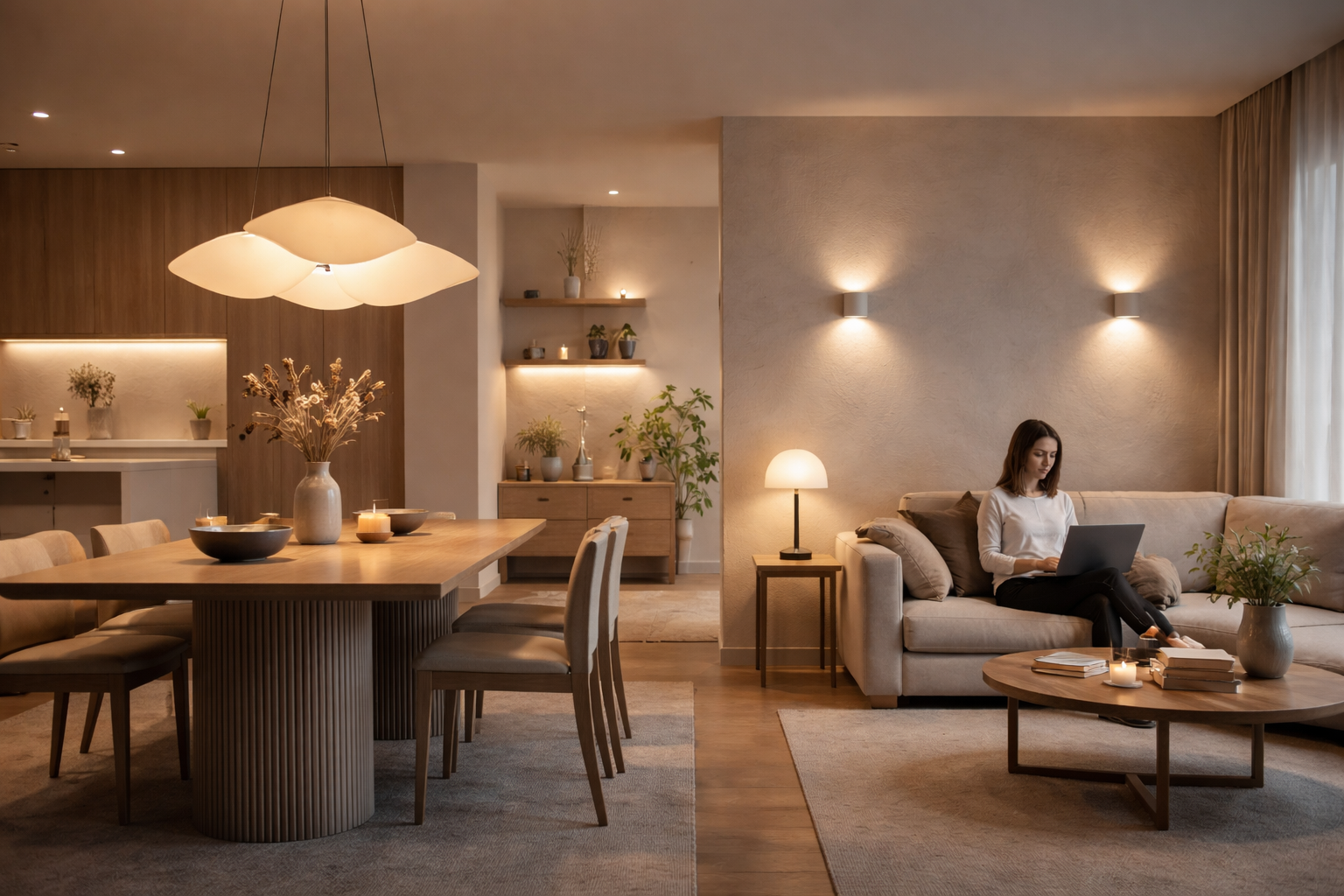
Explore Lighting Ideas, Products, and Opportunities Light Ideas is a free platform for discovering lighting ideas, exploring products, and connecting with the people behind them. Whether you’re looking for inspiration, sourcing lighting, or sharing your work, everything starts here. Discover Lighting Ideas Browse lighting inspiration, explore different styles, and find ideas for your own space. …
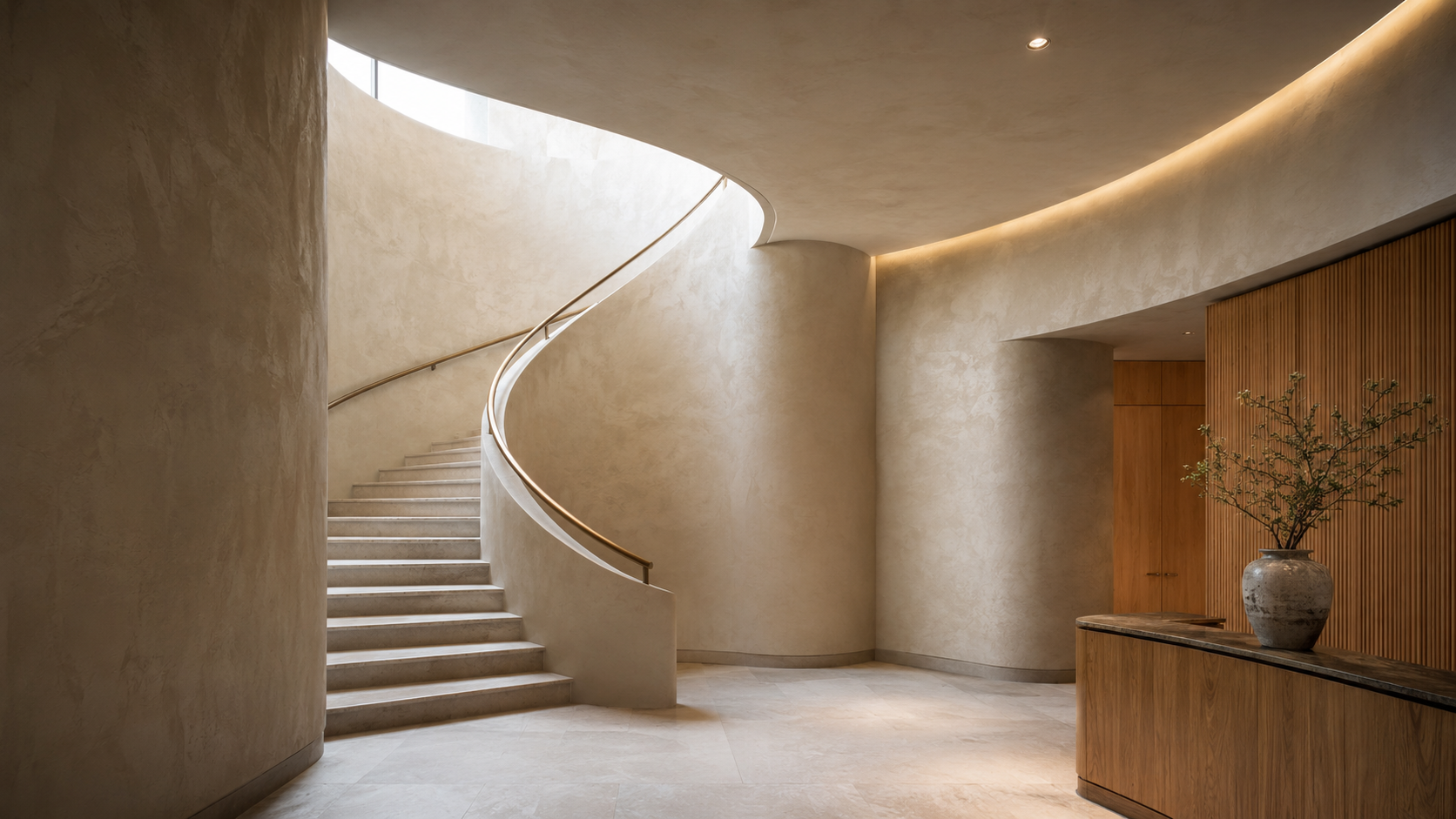
Lighting plaster and textured walls requires a careful balance. The right light can reveal subtle trowel marks, tonal variation and hand-applied craftsmanship, while poor positioning can expose waves, repairs, sanding marks and unwanted reflections. Smooth gypsum plaster generally benefits from broad, even illumination. Lime plaster, polished finishes, rough render and sculptural reliefs respond differently because …
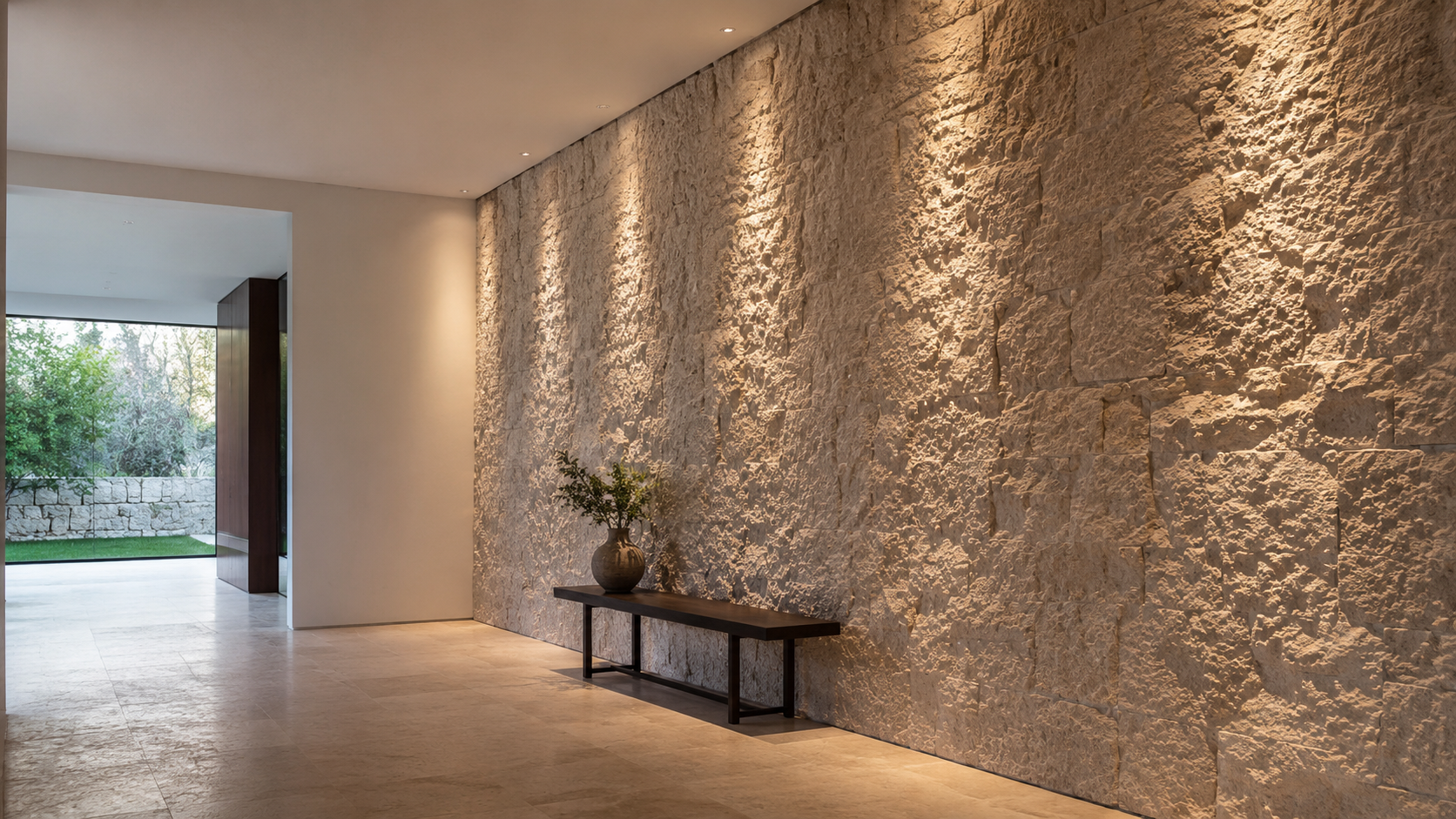
Wall grazing is an architectural lighting technique that positions light close to a surface so it travels across the material at a shallow angle. This creates small highlights and shadows that reveal texture, depth and craftsmanship more strongly than broad frontal illumination. The technique works particularly well with rough stone, brick, textured plaster, concrete, timber …
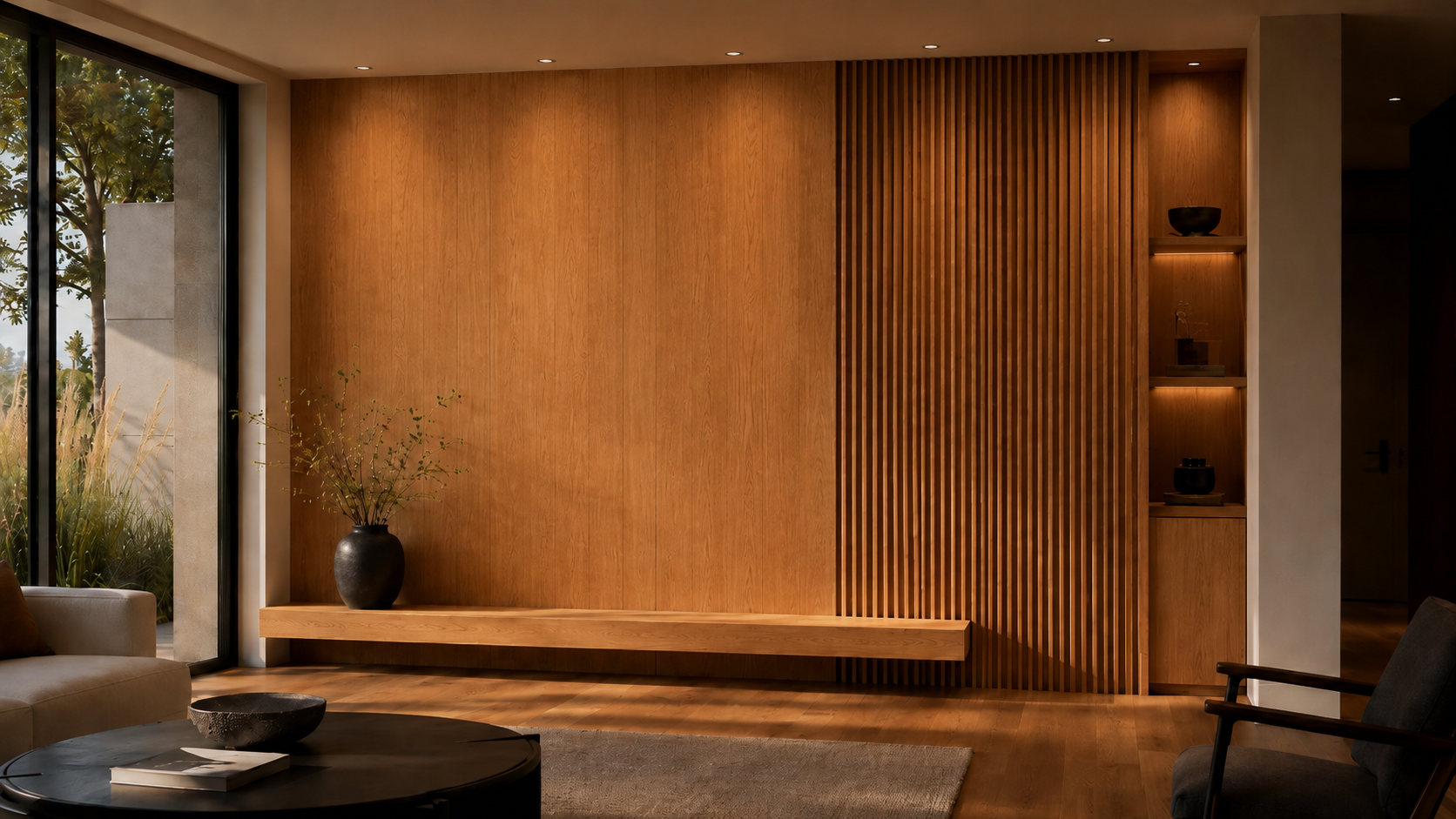
Lighting timber and wood finishes is about revealing grain, colour and craftsmanship without making the material appear flat, overly yellow or unnecessarily dramatic. The direction of the light is especially important because timber has a natural visual grain that responds differently when illuminated from above, across the surface or directly from the front. Smooth oak …
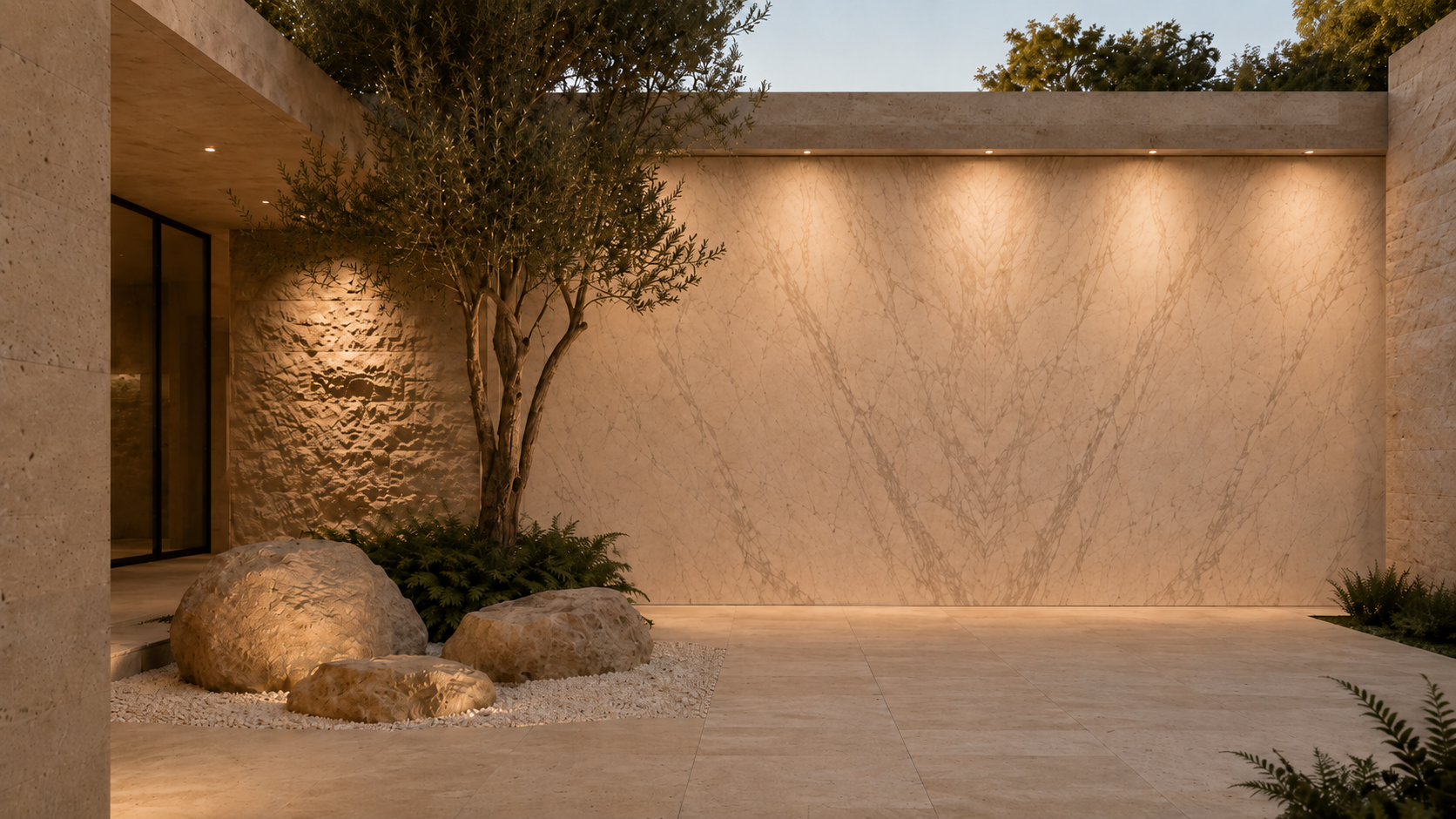
Lighting natural stone is about far more than making a surface brighter. Whether you’re illuminating limestone, marble, granite, slate or travertine, the way light interacts with the stone determines how its texture, colour, veining and natural character are perceived. A thoughtfully designed lighting scheme reveals the unique qualities of the material, while poor lighting can …
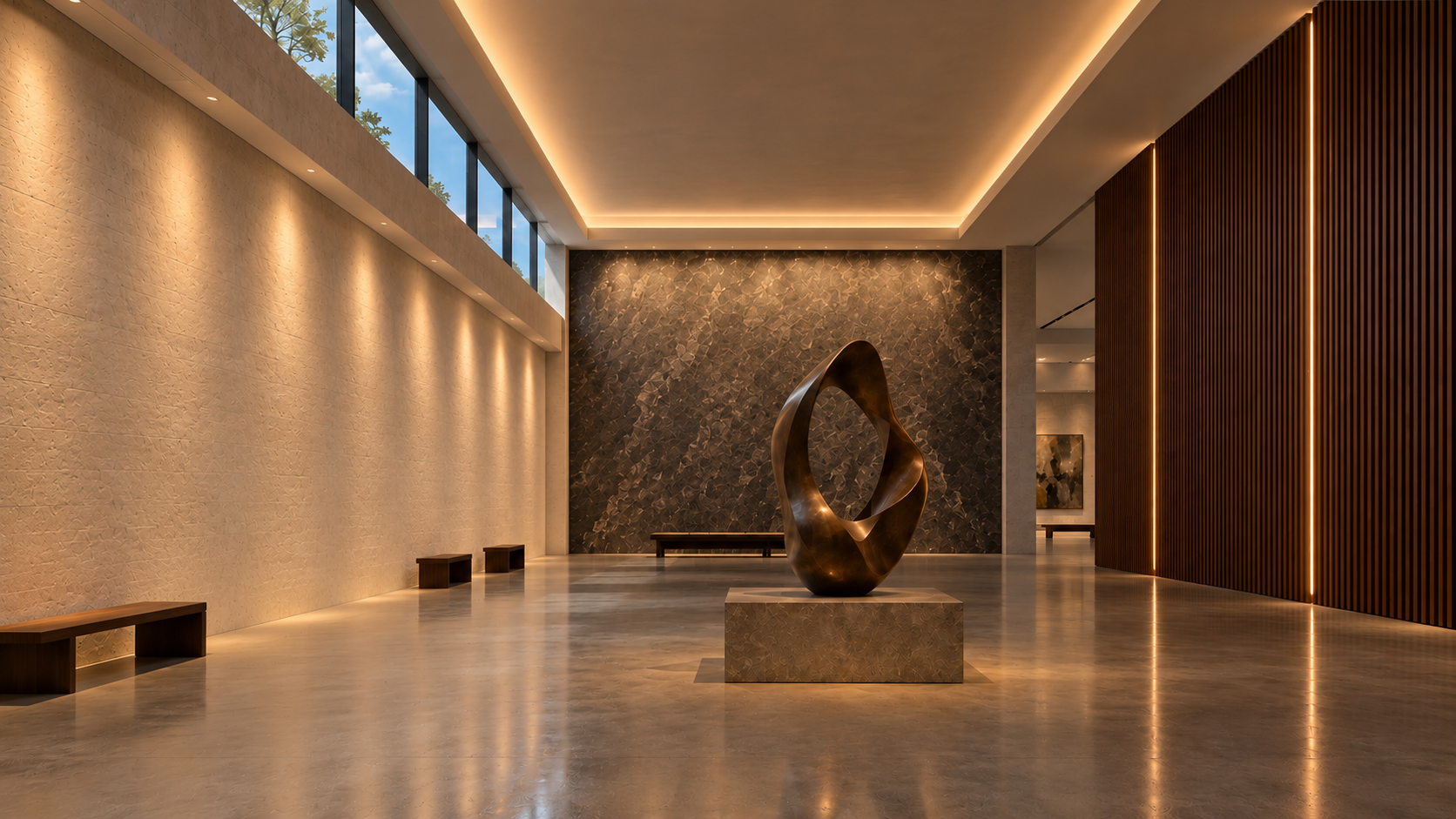
Lighting shapes interior space by influencing how we perceive width, height, depth and proportion. Rather than simply making an interior brighter, thoughtfully planned lighting changes the way architecture is experienced. By controlling brightness, contrast and shadow, lighting designers can make spaces feel larger, taller and more inviting without altering the physical structure. Whether in a …
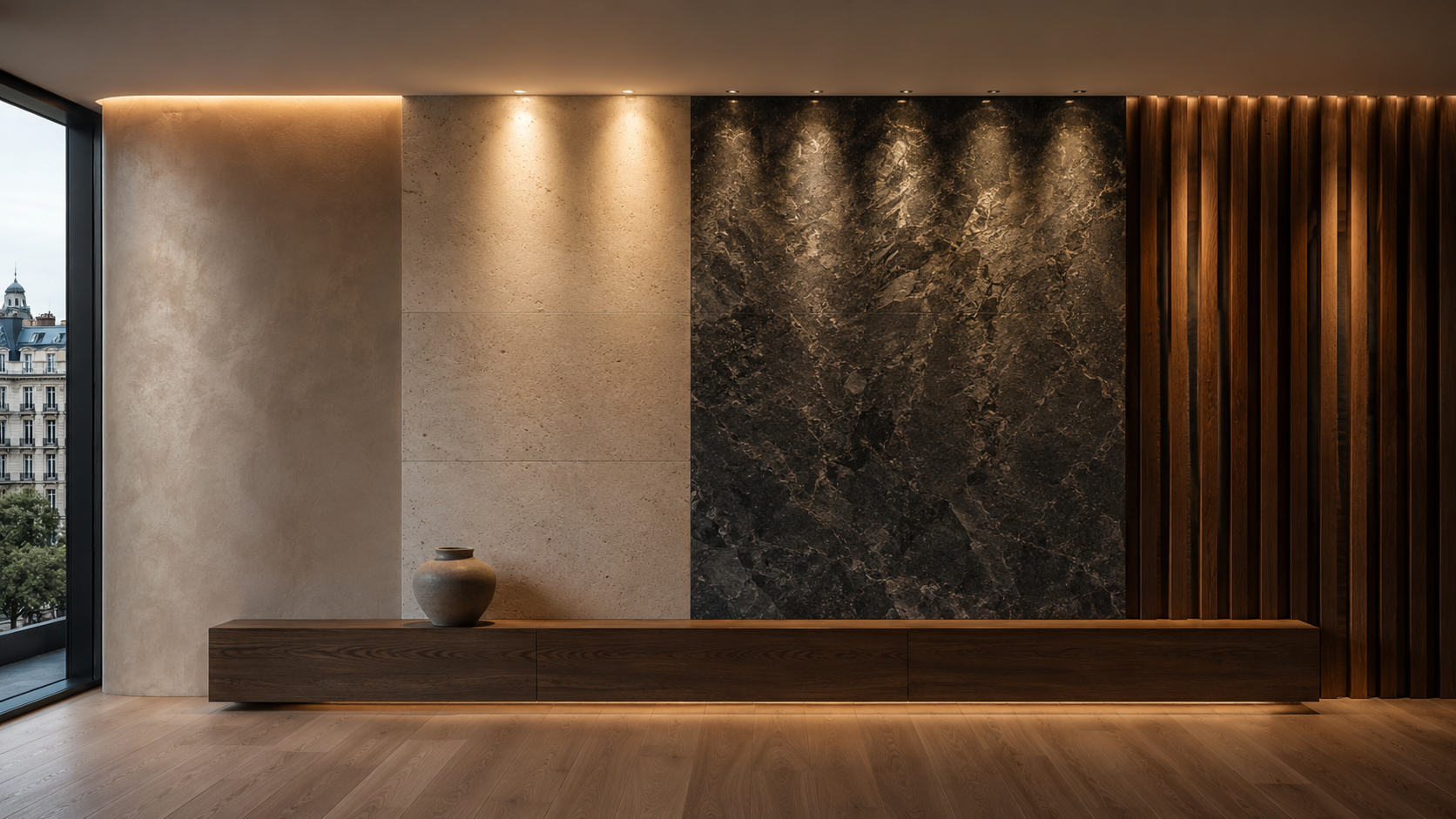
Lighting for texture and depth transforms flat surfaces into rich architectural features by revealing the natural character of materials through carefully controlled light and shadow. Rather than simply illuminating a room, thoughtful lighting creates contrast, emphasises form and allows stone, timber, plaster and brick to display their true visual qualities throughout the day and into …
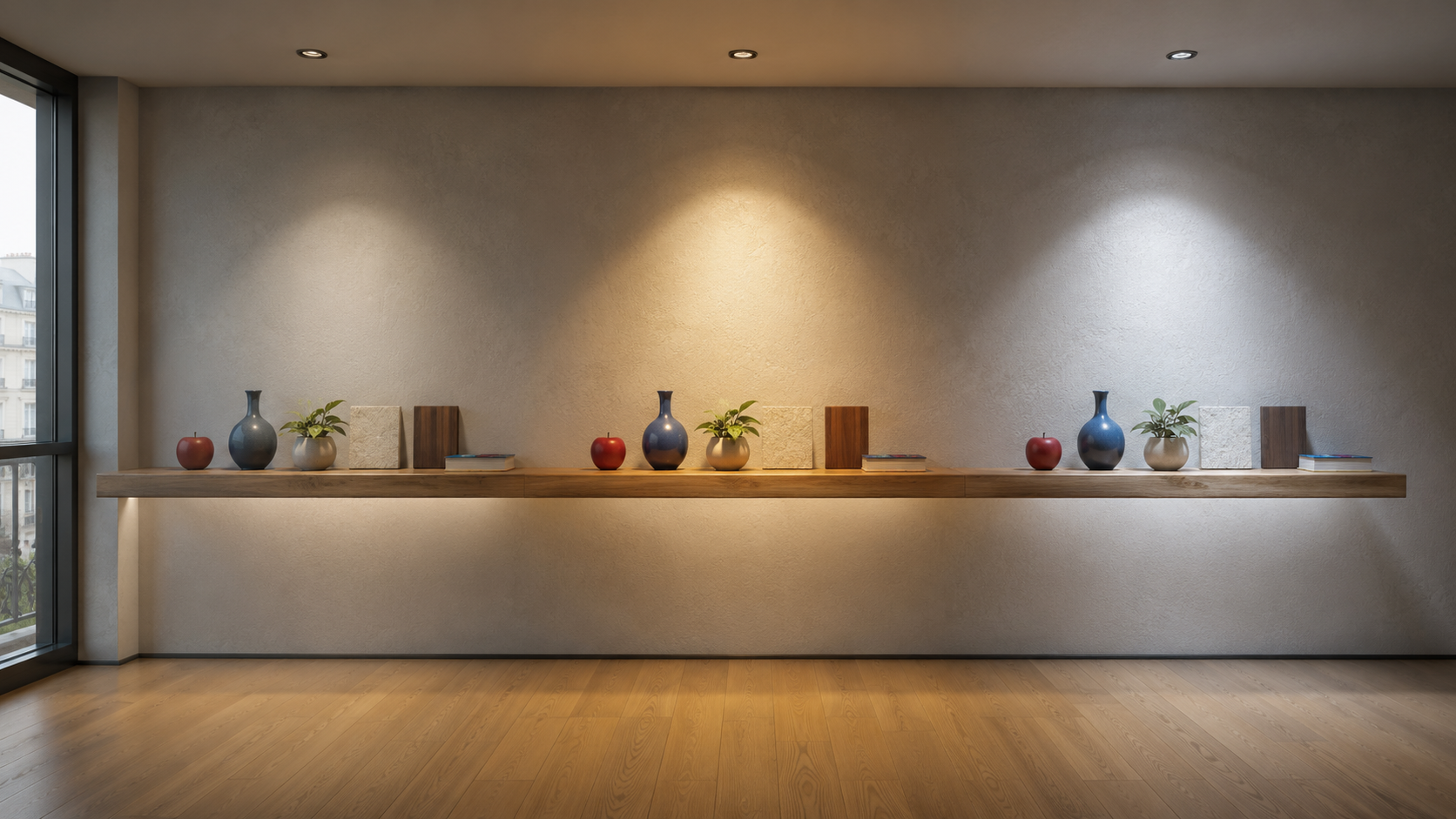
CRI, colour temperature and lumens are three of the most important specifications when choosing lighting, yet they are often confused. While they all influence how a space looks and feels, each measures something completely different. Understanding the difference helps you select lighting that is comfortable, attractive and appropriate for the room rather than simply choosing …
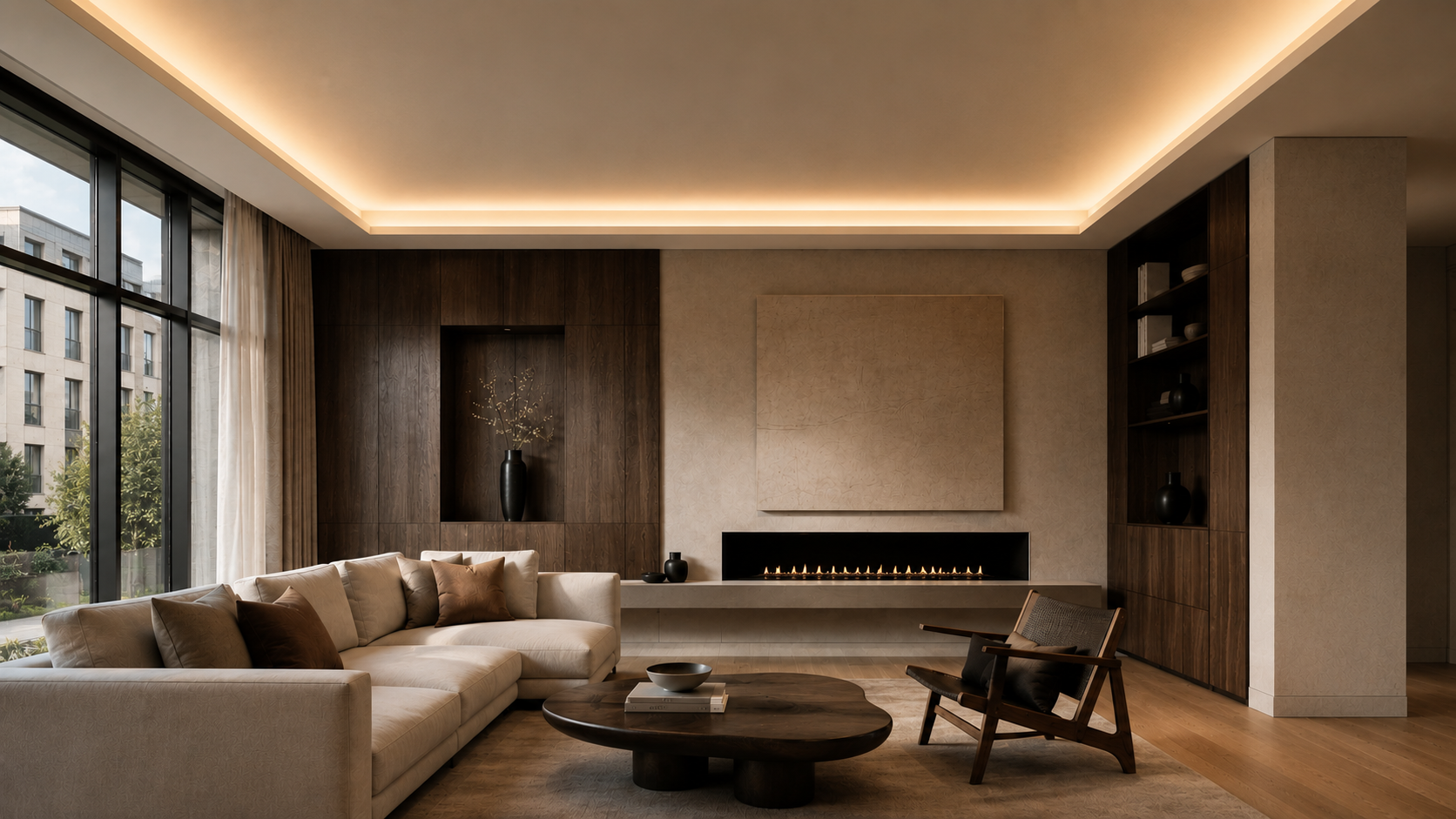
Ceiling cove lighting creates soft, indirect illumination by concealing the light source within a recessed ceiling detail. Instead of shining directly into the room, light is reflected from the ceiling to produce comfortable ambient lighting that enhances architecture while reducing glare. Modern cove lighting is typically created using LED strip lighting installed within dedicated LED …
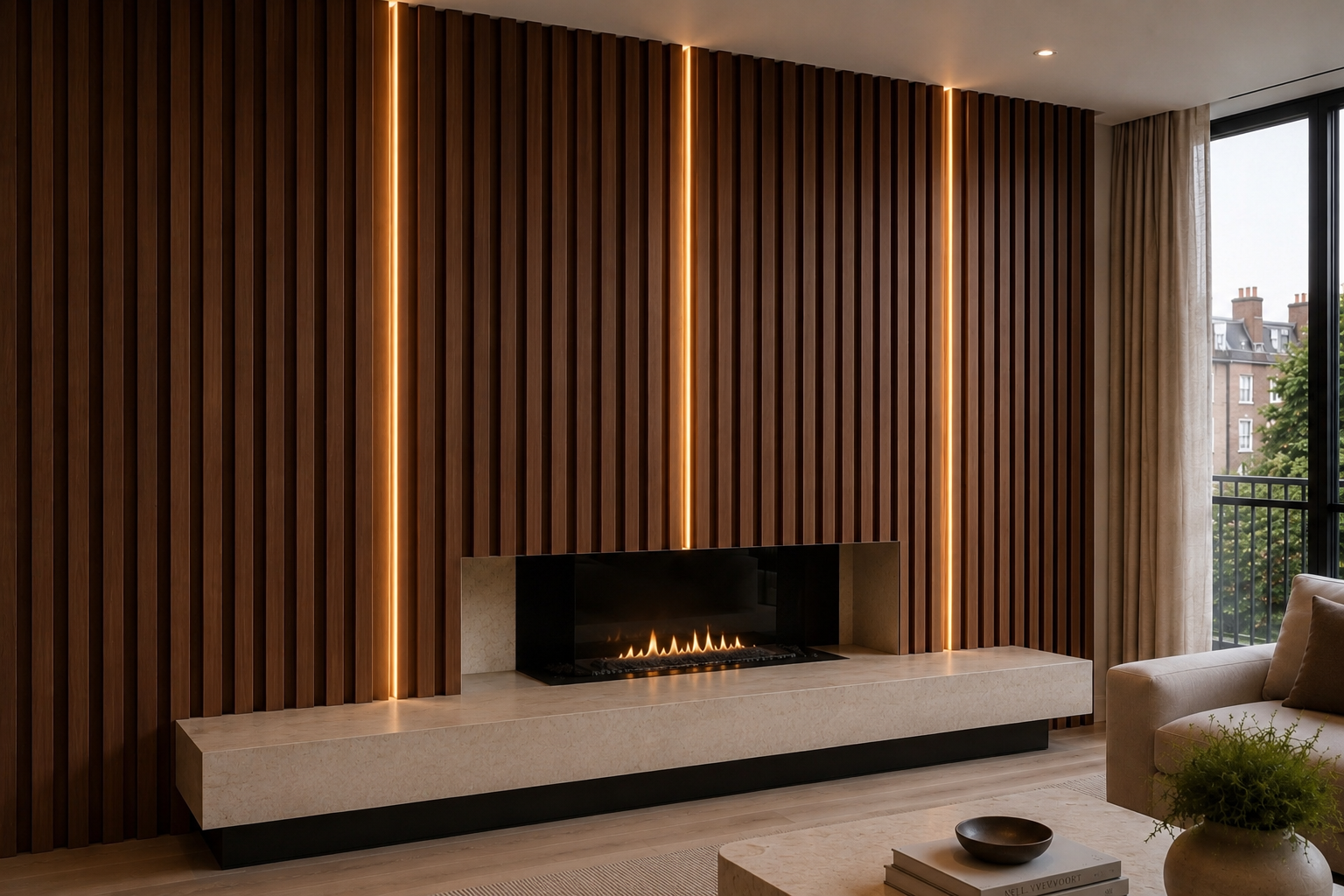
Feature wall lighting transforms ordinary surfaces into architectural focal points. Rather than relying on decoration alone, thoughtful lighting reveals texture, enhances natural materials and creates depth that changes throughout the day and evening. Whether illuminating timber panelling, natural stone, textured plaster or exposed brick, the right lighting technique allows a feature wall to become an …
