
Research
StatML Research
StatML has a broad research profile covering many diverse areas in statistics and machine learning. In 2026, we admitted students into the following research areas.
At Imperial:
- Computational Statistics and Computational Machine Learning
- Time Series, Networks, and Change-point Detection
- Machine Learning for Biomedical and Health Data
- Foundations of Statistics and Machine Learning
At Oxford:
- Machine Learning
- Statistical Methodology
- Protein Informatics
- Statistical Genetics and Epidemiology
StatML Publications
Here is a selection of papers published by StatML students.
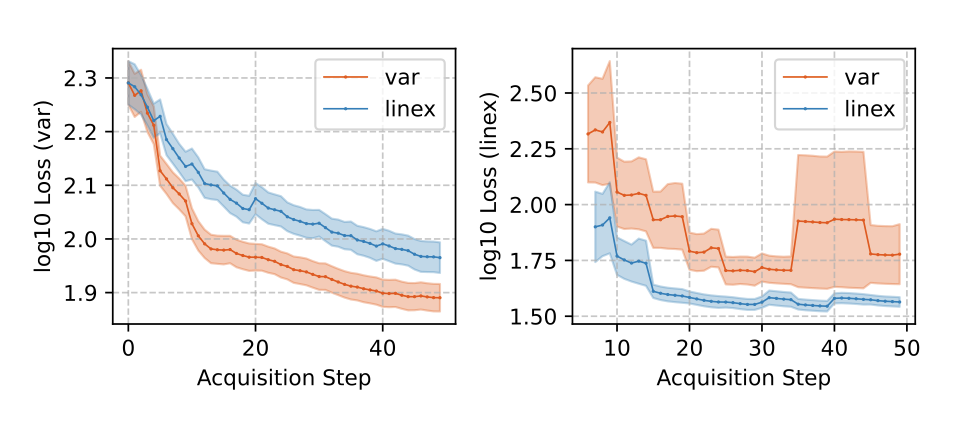
From decision to acquisition: loss-driven Bayesian active learning
Published in: The Twenty-Ninth International Conference on Artificial Intelligence and Statistics (AISTATS 2026)
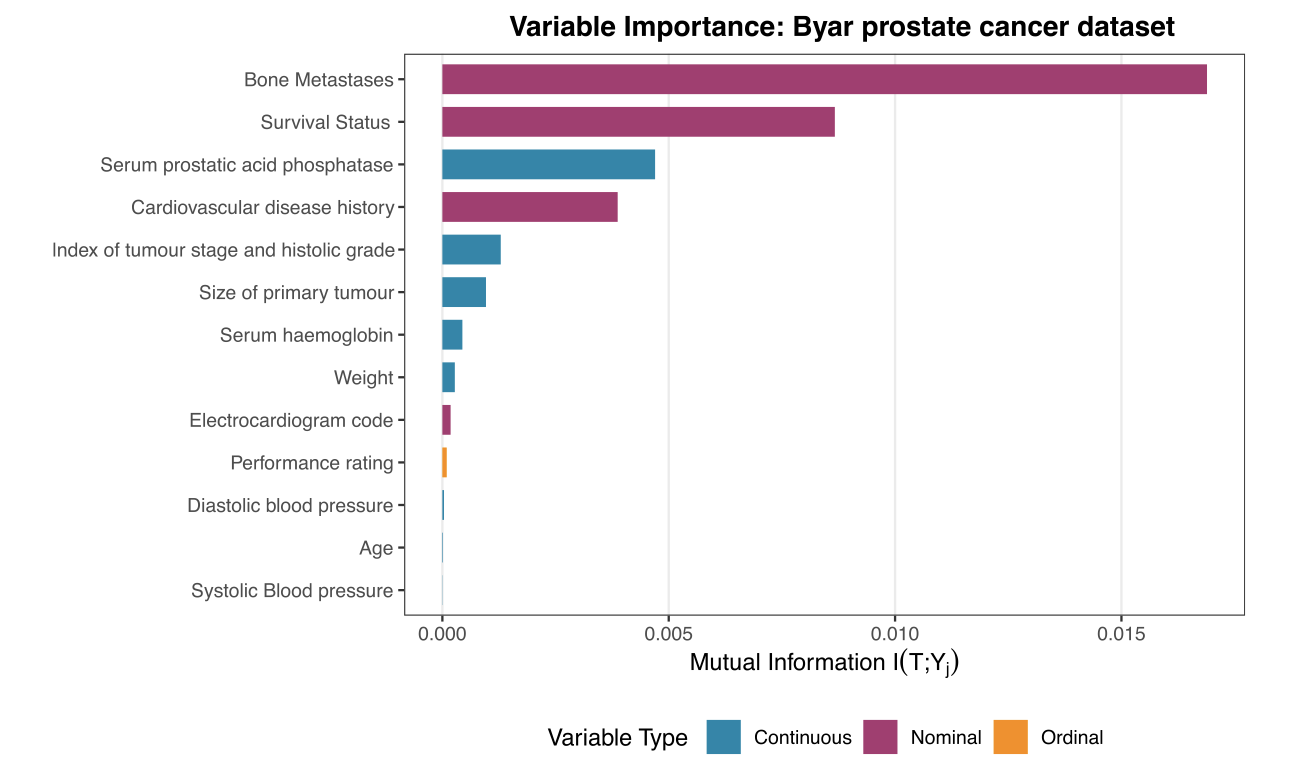
A deterministic information bottleneck method for clustering mixed-type data
Published in: Pattern Recognition
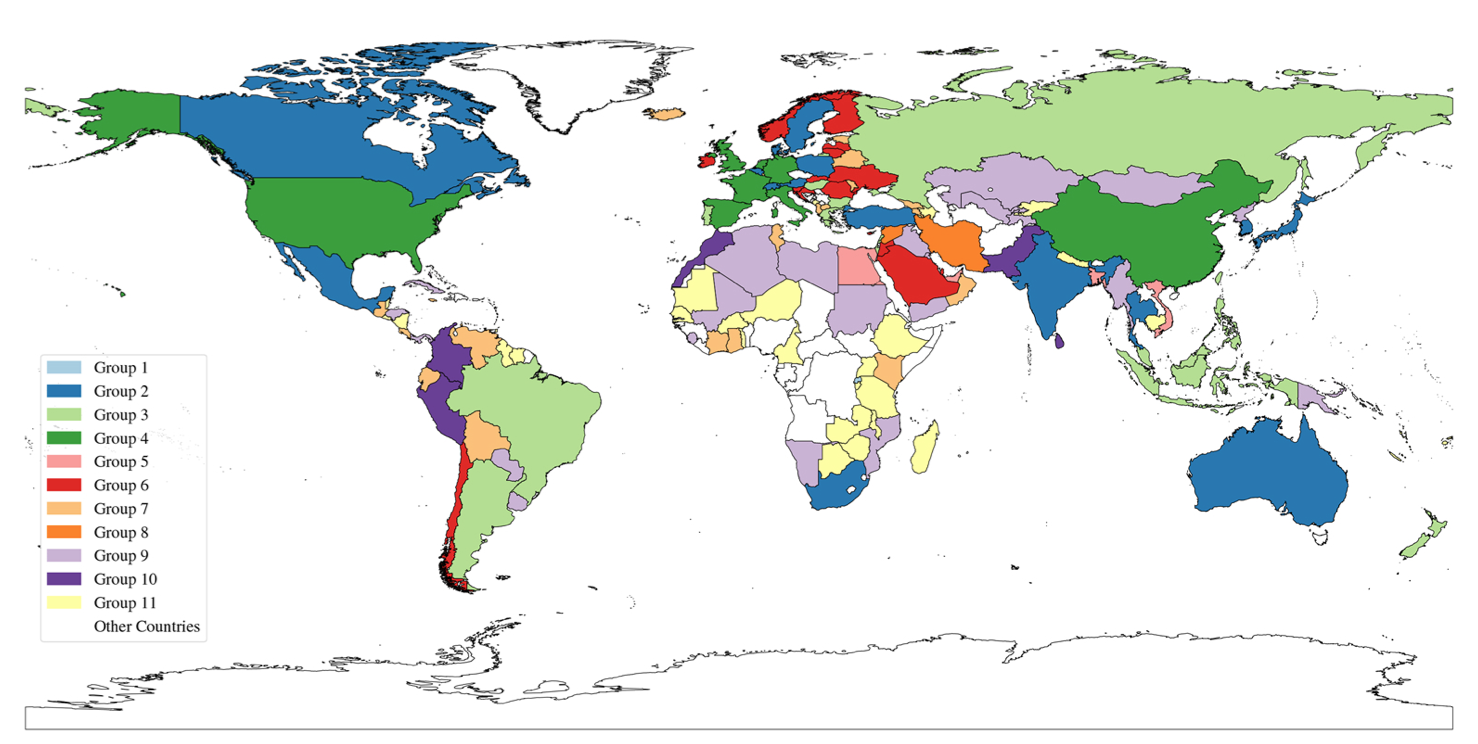
Simultaneous global and local clustering in multiplex networks with covariate information
Published in: Journal of Complex Networks
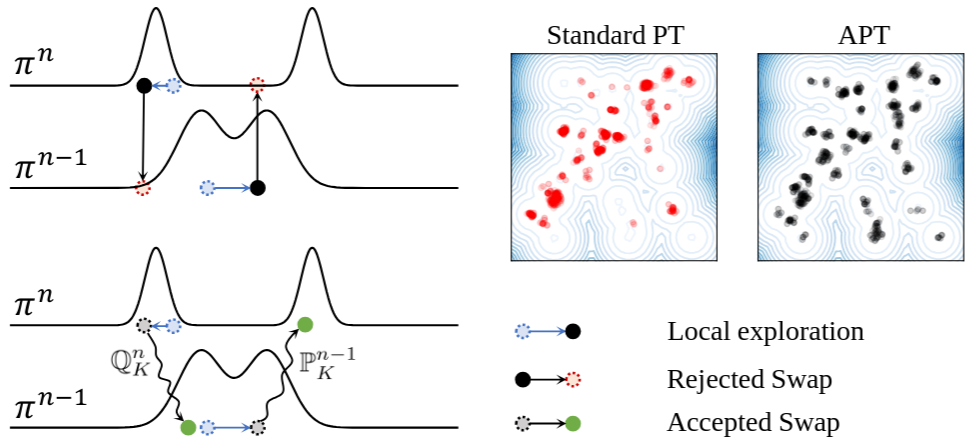
Accelerated parallel tempering via neural transports
Published in: The Fourteenth International Conference on Learning Representations (ICLR 2026)
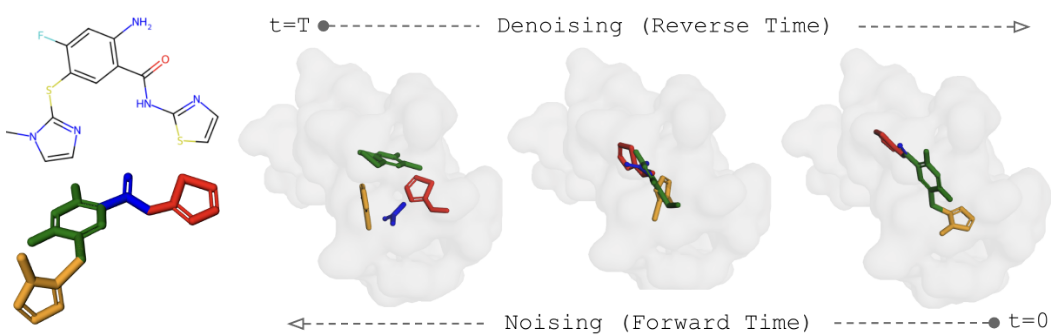
SigmaDock: untwisting molecular docking with fragment-based SE(3) diffusion
Published in: The Fourteenth International Conference on Learning Representations (ICLR 2026)
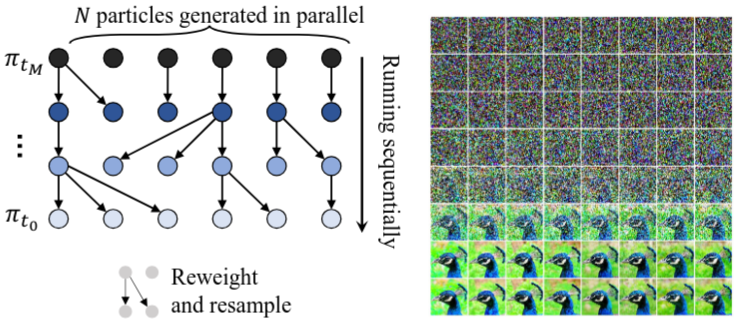
CREPE: controlling diffusion with replica exchange
Published in: The Fourteenth International Conference on Learning Representations (ICLR 2026)
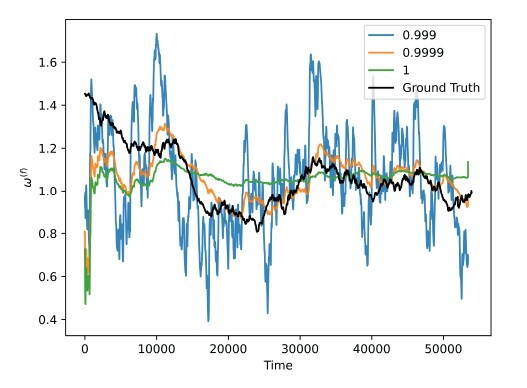
Online spectral density estimation
Published in: Journal of Computational and Graphical Statistics
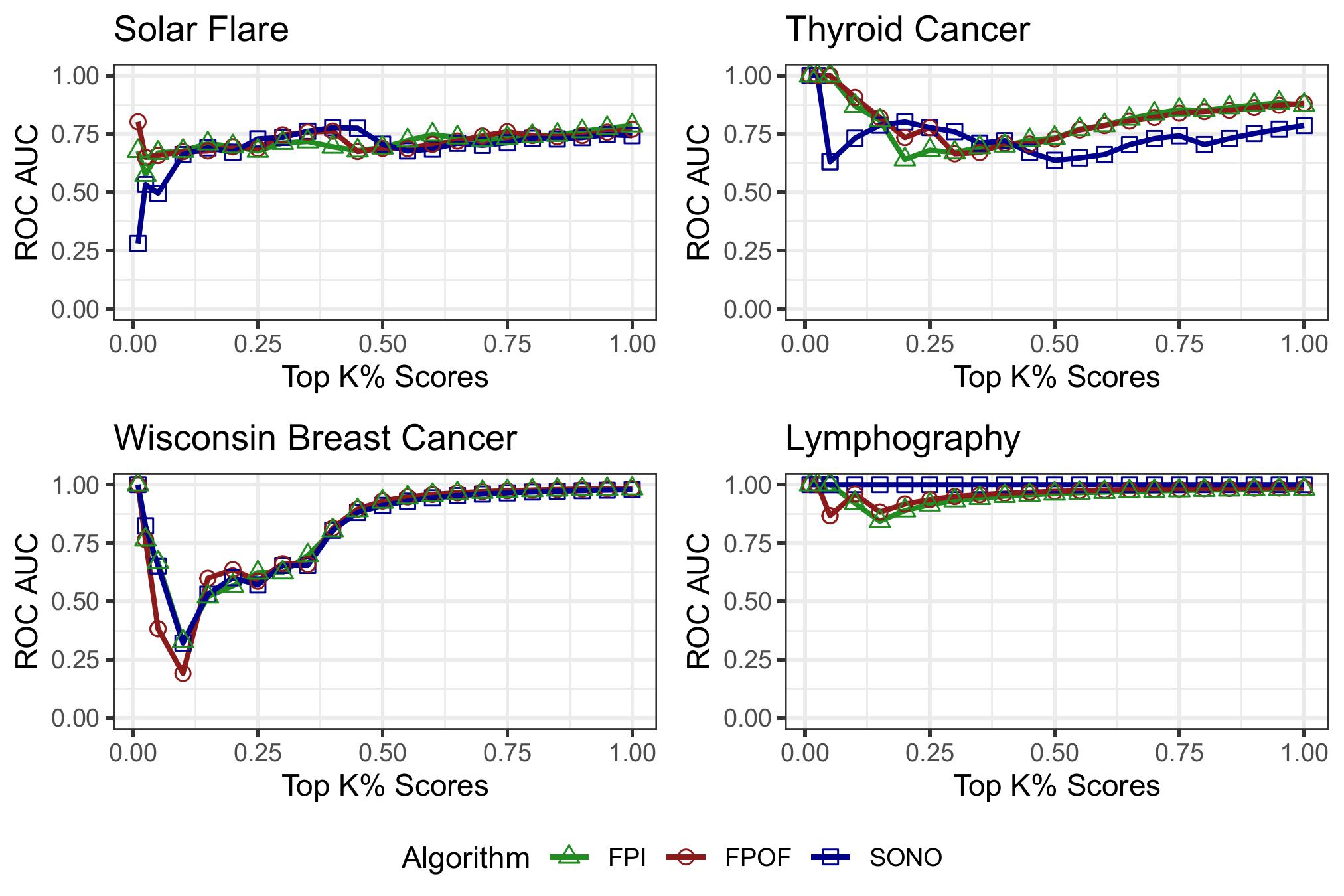
A novel framework for quantifying nominal outlyingness
Published in: Statistics and Computing
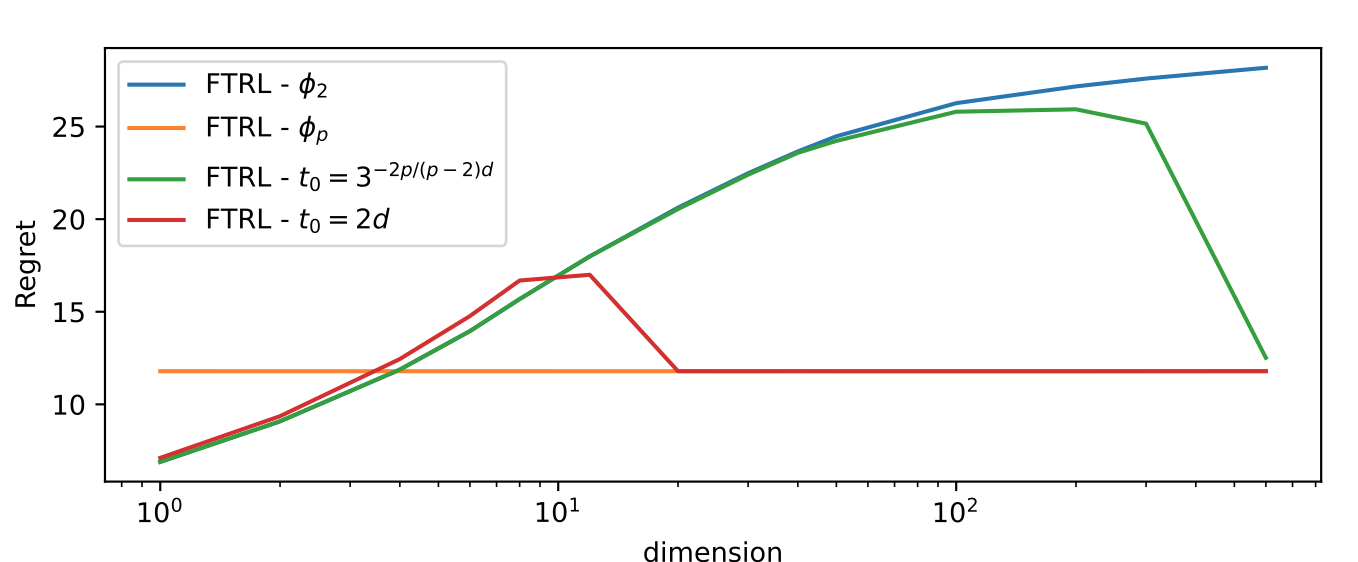
On the necessity of adaptive regularisation: Optimal anytime online learning on balls
Published in: The Thirty-Ninth Annual Conference on Neural Information Processing Systems (NeurIPS 2025)
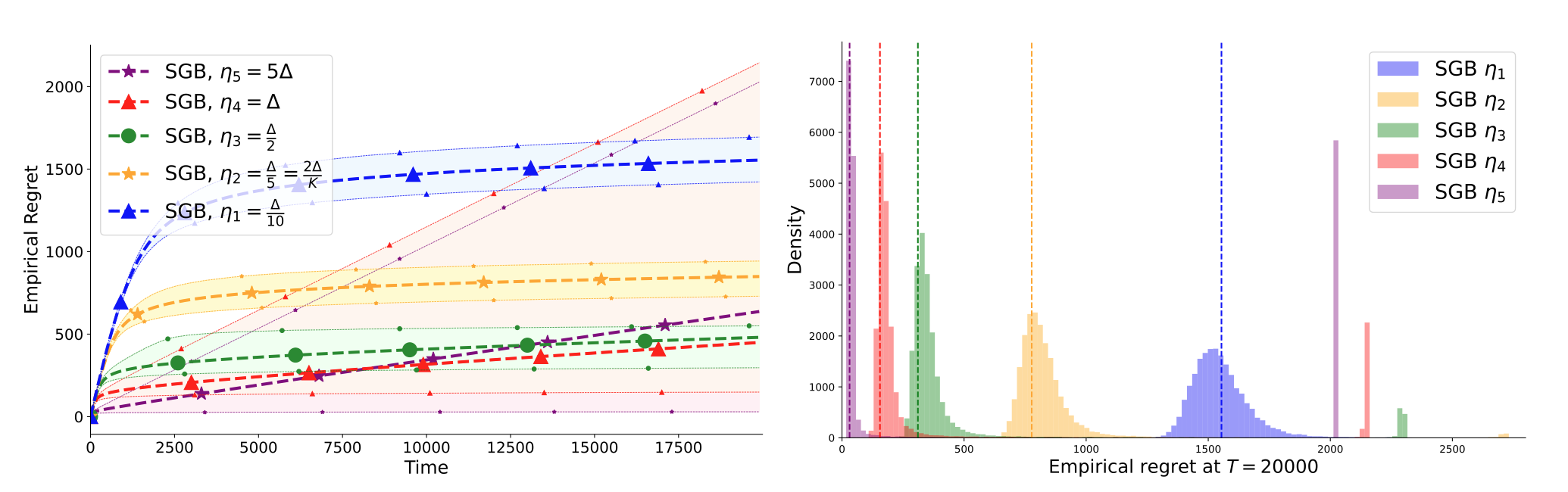
Does stochastic gradient really succeed for bandits?
Published in: The Thirty-Ninth Annual Conference on Neural Information Processing Systems (NeurIPS 2025)
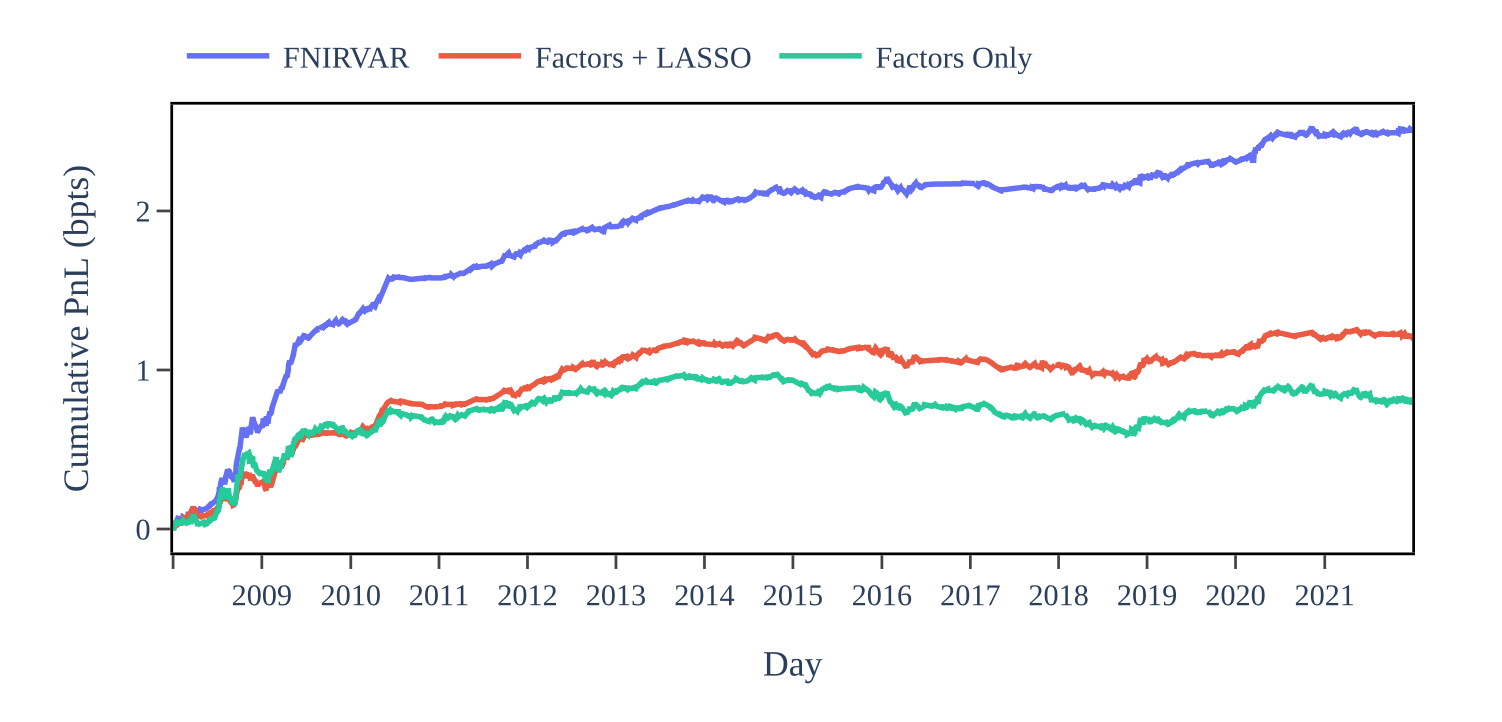
Factor-driven network informed restricted vector autoregression
Published in: Proceedings of the 6th ACM International Conference on AI in Finance (ICAIF 2025)
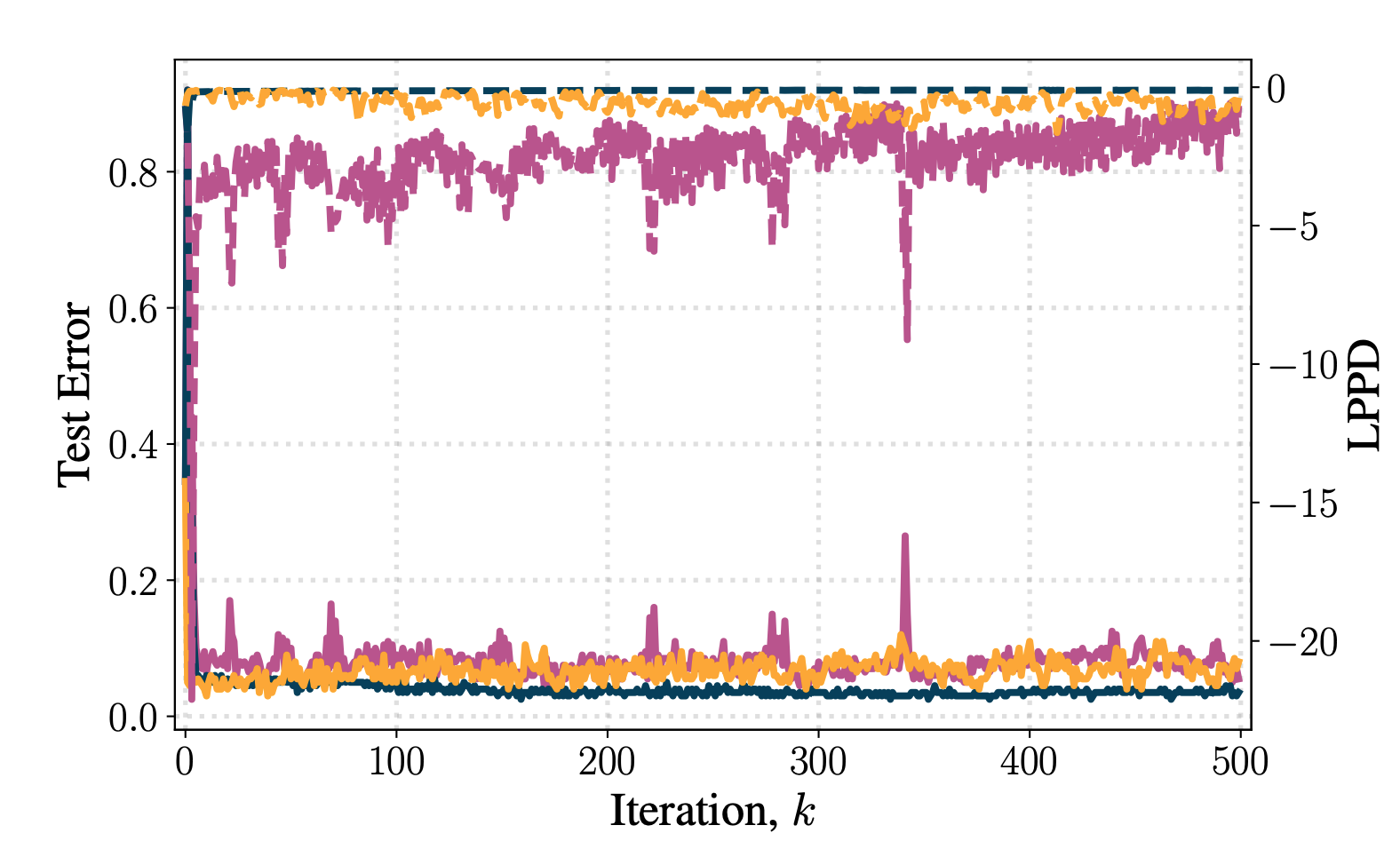
Learning Latent Variable Models via Jarzynski-adjusted Langevin Algorithm
Published in: The Thirty-Ninth Annual Conference on Neural Information Processing Systems (NeurIPS 2025)
