Congratulations to the winners of the 2026 Eye on the Future Teen Video Contest! 🏆
Adithya Vasanth — Science in Your World
Anshul Raghav — Science in Action
Saasha Santosh — Science in Your Future
Their videos showcase the power of curiosity, innovation, and fresh
For nearly 50 years, the Belmont Report has served as the foundation for ethical human subject’s research.
In a new @baltimoresun op-ed, Director of National Health Communications Dr. Stephanie Haridopolos reflects on the Report's enduring legacy and why its principles continue
🚀NIH is launching a first-in-human clinical trial of an experimental treatment aimed at helping people with Jansen’s disease, a rare genetic disorder that impacts bone development.
The project is led by scientists from the National Institute of Dental and Craniofacial Research
NIH is modernizing how it makes funding decisions.
The new Unified Funding Strategy keeps peer review foundational while allowing NIH to consider the full picture, including scientific merit, innovation, public health needs, and emerging research opportunities.
Learn more:
Research supported by NIH suggests that gastrointestinal symptoms are not only prevalent, but represent a biologically meaningful dimension of ME/CFS. The findings may help explain why ME/CFS affects people differently and could help in future treatment study design.
Read more:
Illegally manufactured fentanyl drove a sharp rise in adolescent overdose deaths in recent years.
However, new findings from the NIH-funded Monitoring the Future survey indicate that many U.S. teenagers do not view the substance as highly dangerous. Read more:
An NIH-led study found that people diagnosed with melanoma early in life and those with multiple melanomas are more likely to carry genetic mutations that increase their risk for other cancers. The findings suggest these individuals could benefit from genetic testing to identify
Certain blood tests already used for people with Alzheimer’s may also help identify people in midlife who have elevated levels of Alzheimer’s-related proteins in their blood, according to an NIH-funded study. While more research is needed, these findings could help people at
Ready to pursue pioneering ideas outside your current research program? The NIH Director’s Pioneer Award, part of the NIH Common Fund’s High-Risk, High-Reward Research program, was designed for just that.
👉 Explore the funding opportunity and apply: bit.ly/4f9nsaP
💻
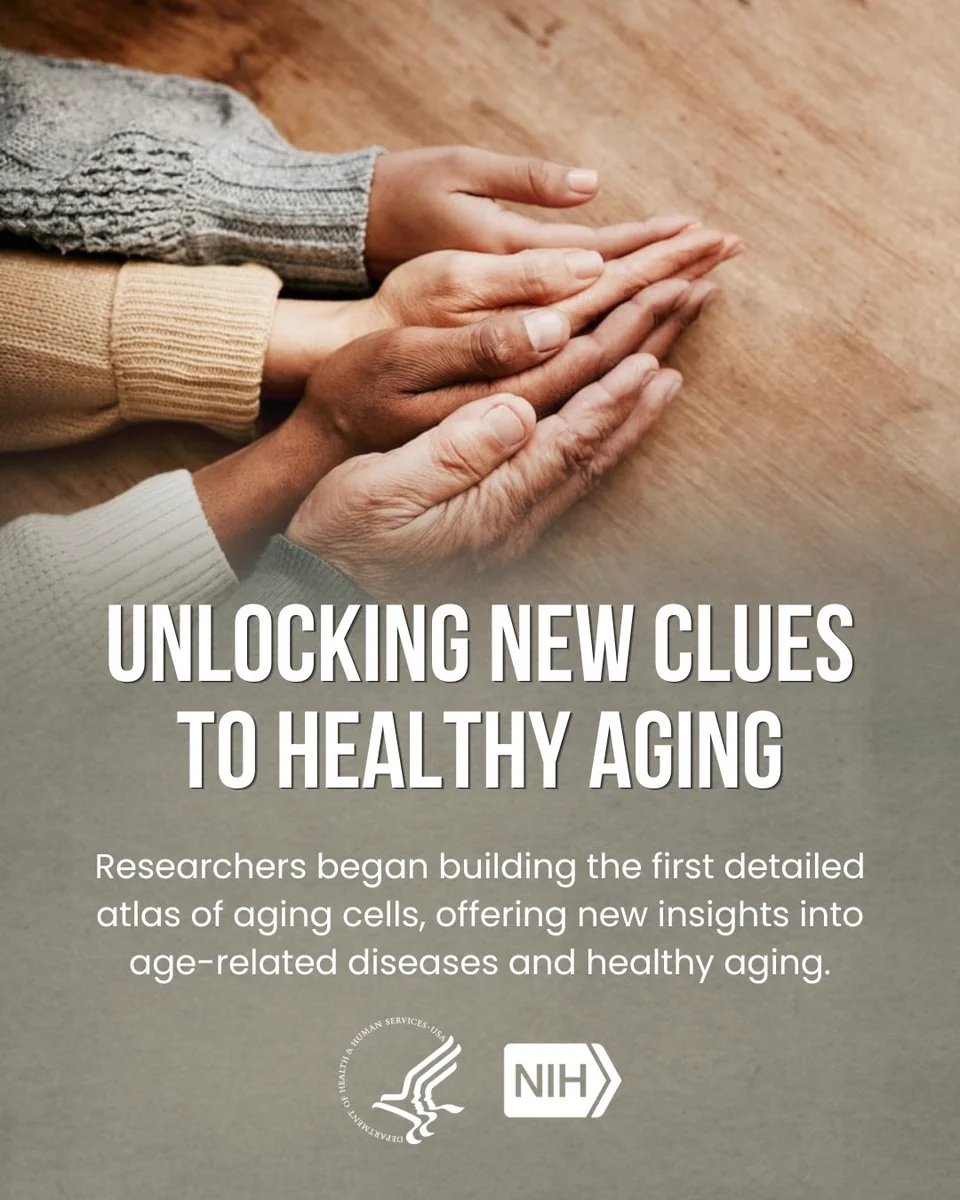
NIH researchers have begun identifying and classifying senescent cells, a hallmark of aging, to build an atlas of these cells in the human body. This research may help us better understand how senescent cells contribute to age-related conditions and inform treatment strategies
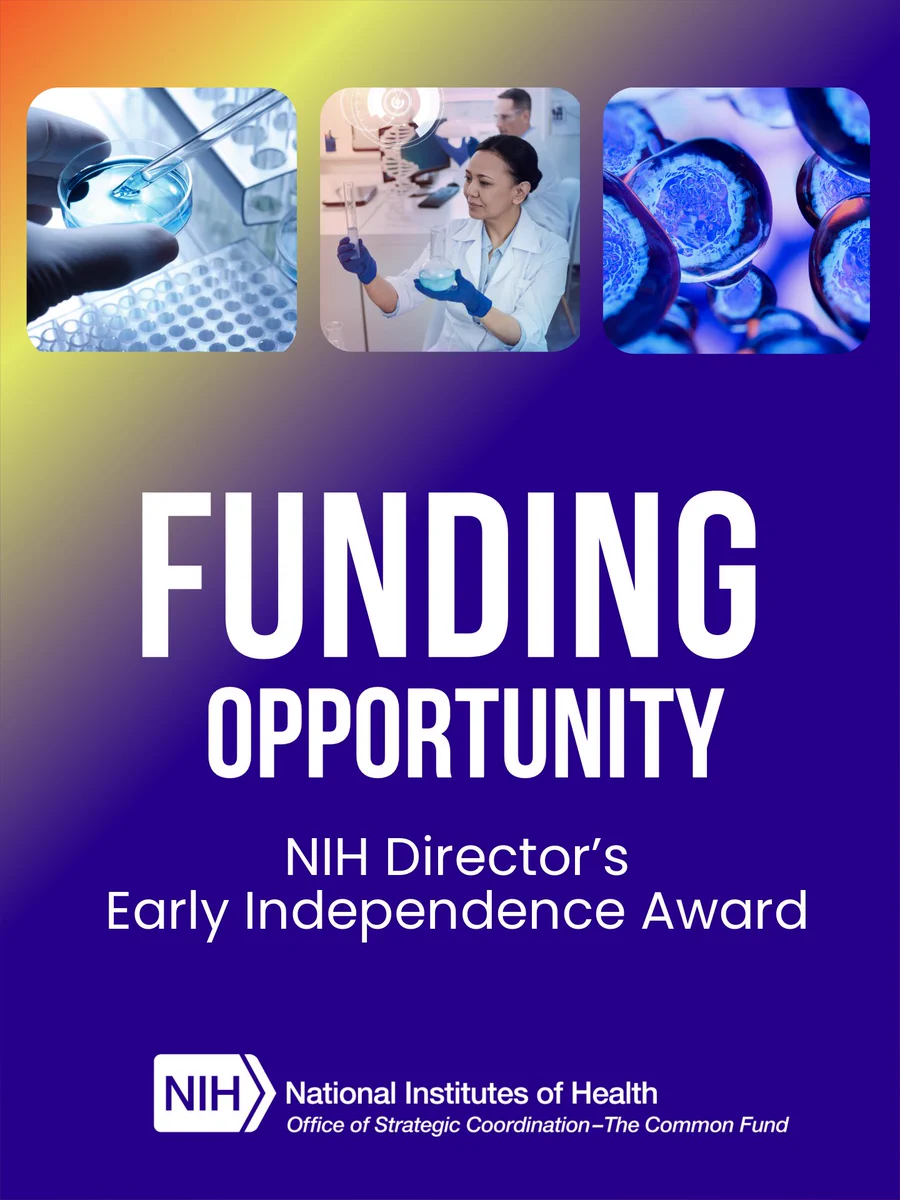
Ready to skip a postdoc? The NIH Director’s Early Independence Award, part of the NIH Common Fund’s High-Risk, High-reward research program, supports exceptional junior scientists pursuing independent research careers sooner.
👉 See if you’re eligible and apply:
A repurposed drug may offer new hope for people living with eosinophilic gastritis (EoG), a rare GI disease with no FDA-approved treatments.
A new NIH-supported clinical trial found that dupilumab improved patient health, highlighting the potential of drug repurposing to speed
Your voice matters.
NIH is seeking input from patients, caregivers, researchers, clinicians, and advocates on Parkinson’s disease and related conditions to help shape the National Plan to End Parkinson’s: NOT-NS-26-039: grants.nih.gov/grants/guide/n…
RFI closes August 22, 2026.
🔬 Discover the latest advances in hearing research with the National Institute on Deafness and Other Communication Disorders (NIDCD)’s Beyond the Lab: Understanding Communication Disorders speaker series!
Join Ronna Hertzano, M.D., Ph.D., Senior Investigator and Chief of the