1. X
  2. Matthew Hayek
Log inSign up
Matthew Hayek
3,644 posts
Image
user avatar
Matthew Hayek
@matthewhayek
NYU Asst. Professor of Environmental Studies. Climate, animals, land use, and food systems.
matthewhayek.com
Joined January 2013
1,084
Following
5,532
Followers
RepliesRepliesMediaMedia

New to X?

Sign up now to get your own personalized timeline!

Create account

By signing up, you agree to the Terms of Service and Privacy Policy, including Cookie Use.

Terms·Privacy·Cookies·Accessibility·Ads Info·© 2026 X Corp.
Don't miss what's happening
People on X are the first to know.
Log inSign up
  • Pinned
    user avatar
    Matthew Hayek
    @matthewhayek
    Nov 4, 2024
    New study: we found that small reductions in pasture-based beef production in some areas, especially in temperate, humid regions like the Eastern US & Europe, could lead to large amounts of CO2 removal by regrowing native forests. nyu.edu/about/news-pub…
    31K031K
  • user avatar
    Matthew Hayek
    @matthewhayek
    Jun 14, 2021
    "100 companies are responsible for 71% of emissions" has become a rallying cry for why efforts to reduce one's personal emissions don't matter. But...that premise and the conclusion are both untrue.
    Image
  • user avatar
    Matthew Hayek
    @matthewhayek
    May 2, 2023
    Have you seen recent headlines that scientists changed their mind on meat, and it's now "crucial for health"? Behind them is a big, coordinated strategy involving conflicts of interest, a biased journal, industry capture, & selective framing devices 🧵1/N
    Image
    Meat is crucial for human health, scientists warn
    From telegraph.co.uk
    250K0250K
  • user avatar
    Matthew Hayek
    @matthewhayek
    Nov 3, 2022
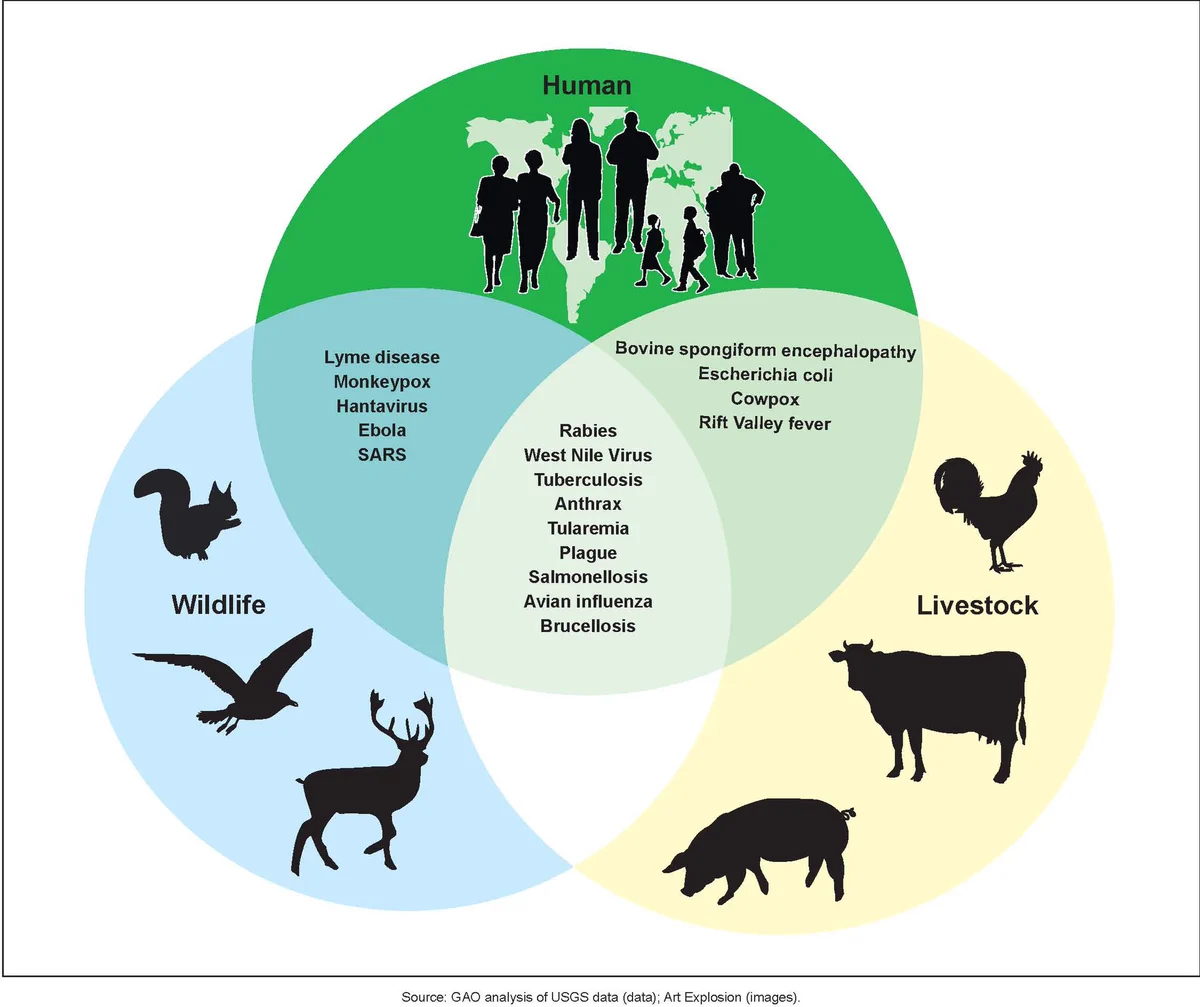
    “The infectious disease trap of animal agriculture” is out in Science Advances. Outbreaks of “zoonotic” diseases that spillover from animals to humans are likely to increase, unless we can reduce demand for animal-based foods. 🧵 1/ science.org/doi/10.1126/sc…
    Image
  • user avatar
    Matthew Hayek
    @matthewhayek
    Mar 2, 2021
    I did my PhD research in old growth Amazon rain forests. Each time I returned, more of it disappeared. The primary cause was clearing pastures for beef. This is why I turned all of my research attention toward food systems.
    user avatar
    Erika Berenguer
    @Erika_Berenguer
    Mar 2, 2021
    In March 2008 I went to the Amazon for the first time, spending four months in a place called Alta Floresta. The lack of forest shocked me - during my lifetime, Alta Floresta has lost 4991km2 of forest, an area 3 times the size of London. These are the images.
    Image
    Image
    Image
  • user avatar
    Matthew Hayek
    @matthewhayek
    Sep 6, 2020
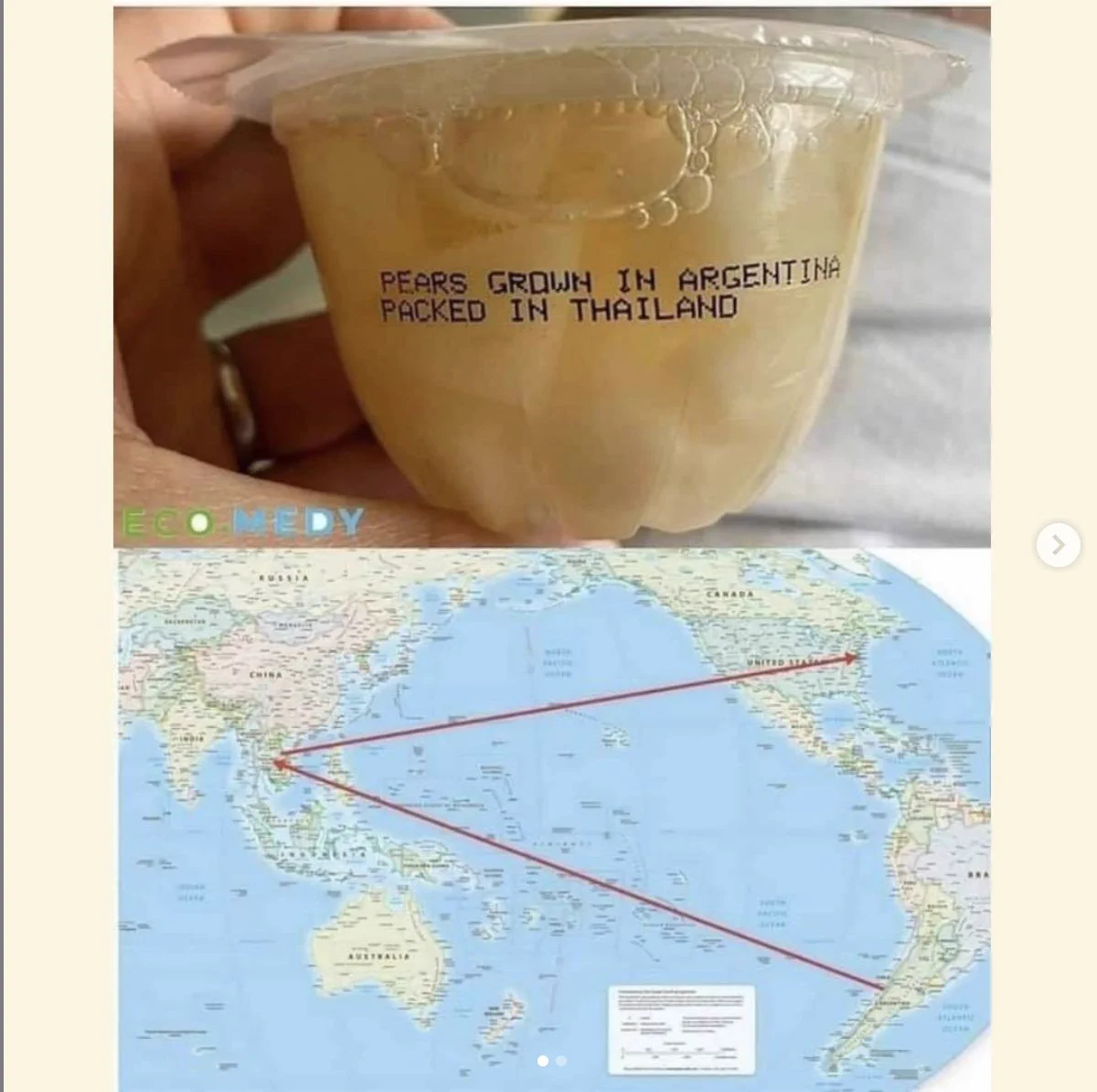
    This terrible meme has been making the rounds on twitter and instagram, and @Greenpeace even shared it on their channels with the caption "the problem with our food system in one picture". There are lots of problems with it
    Image
  • user avatar
    Matthew Hayek
    @matthewhayek
    Apr 19, 2024
    The @FAO misused my research to publish findings with a pro-meat bias ⚠️ The organization has been outdoing itself to distort the impacts of dietary change on the environment 🧵
    Image
    UN livestock emissions report seriously distorted our work, say experts
    From theguardian.com
    68K068K
  • user avatar
    Matthew Hayek
    @matthewhayek
    Jun 14, 2021
    Replying to @matthewhayek
    That wasn't the finding of the Carbon Majors report. What they found was that 100 companies produce 71% of *industrial carbon emissions*, mostly from fossil sources. But that leaves out gigatons of *non-industrial* GHG emissions.
  • user avatar
    Matthew Hayek
    @matthewhayek
    Jan 20, 2020
    No @TIME, indoor agriculture will not feed the world. It will provide salad greens and herbs for rich people. It's physically incapable of doing anything more than that, when compared with outdoor fields or passive solar greenhouses time.com/collection/dav…
  • user avatar
    Matthew Hayek
    @matthewhayek
    Nov 18, 2021
    What's the best protein for the planet? Beans, duh. But lots of people still don't know how to make them taste great. So plant-based meat is a 2nd best mass-marketable option. And we know it's still way lower-impact than conventional meat. Here's why 🧵
    Hands holding a hamburger in a bun.
    Yes, plant-based meat is better for the planet
    From vox.com
  • user avatar
    Matthew Hayek
    @matthewhayek
    Jun 14, 2021
    Replying to @matthewhayek
    A 2020 study in Science found that even if we reduced industrial/energy emissions to near-zero by 2050, business as usual growth in food system emissions will still exceed 1.5 or 2°C, thanks largely to growth in meat & dairy production & consumption. science.sciencemag.org/content/370/65…
  • user avatar
    Matthew Hayek
    @matthewhayek
    Apr 12, 2023
    Don't fall for leather's sustainability pleas. It's *not* a byproduct. It's a co-product. Farm sales & profits go up & down w/ the price of hides. Brazilian deforestation has been tied directly to leather sales in USA, a market that it barely sells beef to statista.com/statistics/103…
    user avatar
    Amanda Mull
    @amandamull
    Apr 11, 2023
    Replying to @amandamull
    Leather is a really hard problem: It's terrible for animals and the planet. It's also largely a byproduct of meat production, and it is an ideal material for long-term repair and reuse. Most fake leather looks and feels fake, so people don't want it. theatlantic.com/technology/arc…
    44K044K
  • user avatar
    Matthew Hayek
    @matthewhayek
    Oct 28, 2021
    UK and US foodies: stop writing this same article over and over
    Image
    Giving up meat won't make us greener
    From spectator.com
  • user avatar
    Matthew Hayek
    @matthewhayek
    Apr 28, 2022
    They misspelled "the meat industry"
    user avatar
    Inside Climate News
    @insideclimate
    Apr 28, 2022
    The world is on track to destroy or degrade an area of land the size of South America by 2050, says a new report from @UNCCD. That has huge implications for the climate crisis and biodiversity loss. bit.ly/3kkDfGx
Advertisement
Advertisement