Happy 105th (!) birthday to @GairdnerAwards oldest living Laureate, Brenda Milner. Born on this day in in **1918**! In 2005, she was honoured "For pioneering research in the understanding of memory". Truly inspiring!
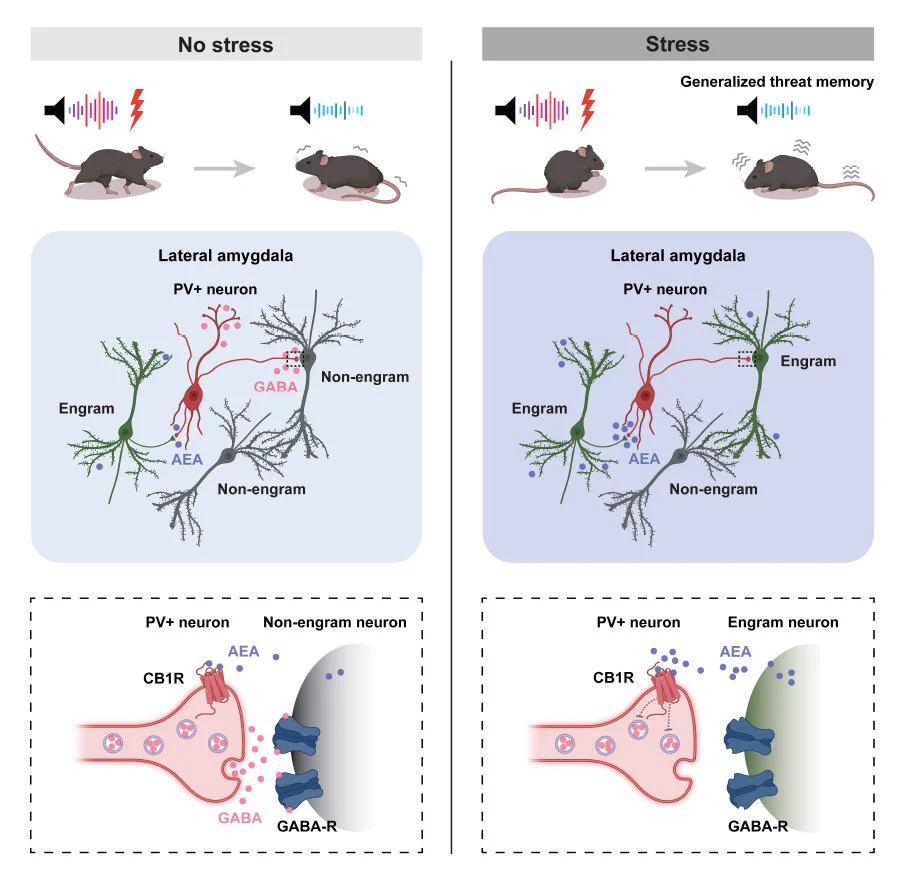
Excited to share our new results! We (huge team effort led by post-doc extraordinaire @SLLesuis) examined the effects of acute stress on threat memory generalization and engram ensemble architecture.
sciencedirect.com/science/articl…
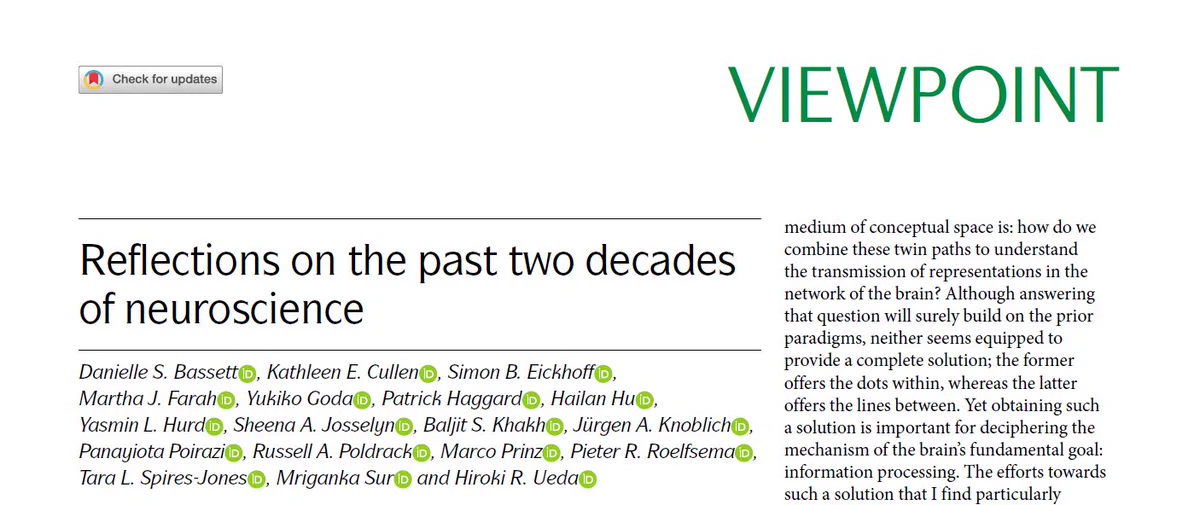
So what's new? i always hate that question. But when @NatRevNeurosci asks for my reflections on neuroscience to celebrate its 20th anniversary, I reflect. Here are said reflections from me and loads of wonderful neuroscientists. Interesting read!
nature.com/articles/s4158…
Excited to announce that I was elected President of the Molecular & Cellular Cognition Society (MCCS, molcellcog.org), with @TJRyan_77 elected as Secretary and @FrickKaryn as Treasurer. Thanks to outgoing Pres Jennifer Raymond for her amazing efforts!
Updates soon!
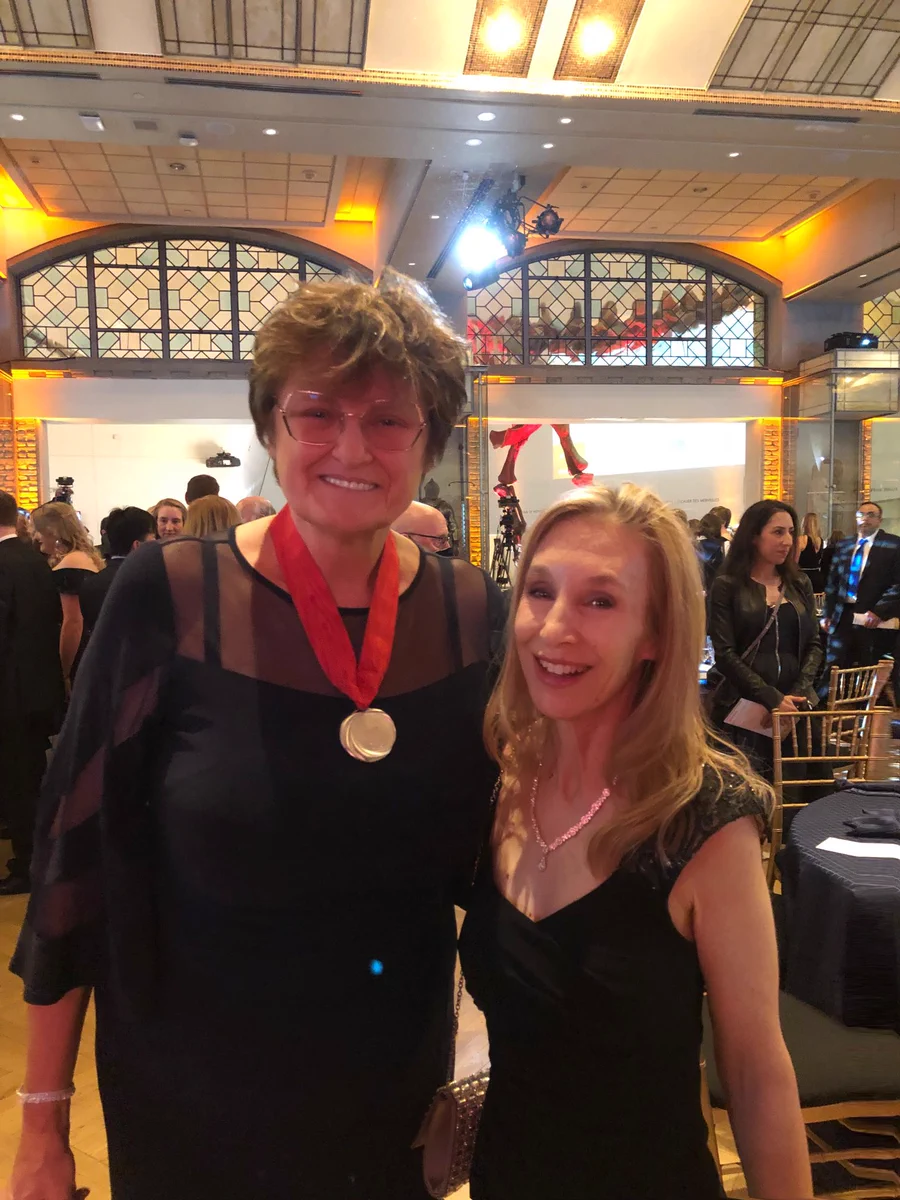
From the vault! @kkariko (left, Gairdner medal) taking the time to talk to me (right, $15 sparkly necklace) about my science. Her advice: not to follow trends in science, ask what i believe are important questions & never be deterred by uninformed critics. @GairdnerAwards
Excited to share a new paper from the lab. Examined memory linking + generalization at the neuronal engram ensemble level. IEG-based activity tagging systems lacked temporal specificity we needed, so we used scFLARE2 from @aliceyting's grp.
cell.com/cell-reports/f…
1/5
Excited to be honoured (along with @Franklandlab and colleague extraordinaire Beverley Orser) by the Royal Society of Canada (@RSCTheAcademies). I'm a Fellow!!! (though may prefer being referred to as a dame!).
Excited to share our findings probing how engram ensembles are formed endogenously! tldr? Both neuronal excitability in min-h before an event & pre-existing functional connectivity help determine which neurons are allocated to an engram ensemble. tinyurl.com/y67mbvuv 1/6
Excited to share our latest (tinyurl.com/2rpjb4az) examining neurosci basis of a classic psychology finding. Endel Tulving's Encoding specificity hypothesis of memory (late 60s). Basically, high match between encoding and retrieval conditions = successful memory recall. 1/8