
Download Clonezilla Live – Free Open‑Source Disk Imaging Tool
Overview
Clonezilla Live is a powerful, free and open‑source disk cloning and imaging solution that lets you create an exact, one‑to‑one copy of an entire hard drive or individual partitions. Built on a lightweight Linux distribution, Clonezilla Live boots from a CD, DVD, USB stick or PXE network, allowing you to work outside the host operating system. This isolation makes the cloning process safe, reliable, and immune to the quirks of a running OS. Whether you need to back up a virus‑free system snapshot, migrate data to a larger SSD, or recover from a catastrophic drive failure, Clonezilla Live provides a secure and efficient workflow. Its unique “only copy used blocks” algorithm saves storage space and speeds up the imaging process by skipping empty sectors. Although the interface is text‑based and may feel plain compared with commercial alternatives, the tool’s stability, speed, and zero‑cost licensing have made it a favorite among IT professionals, system administrators, and power users worldwide.
Key Features of Clonezilla Live
- Sector‑by‑sector imaging: Creates an exact replica of disks or partitions, preserving boot records, file systems, and hidden data.
- Used‑space only cloning: Saves time and storage by copying only blocks that contain data, ignoring empty space.
- Supports multiple file systems: Handles ext2/3/4, Btrfs, XFS, ReiserFS, FAT, NTFS, HFS+, and more.
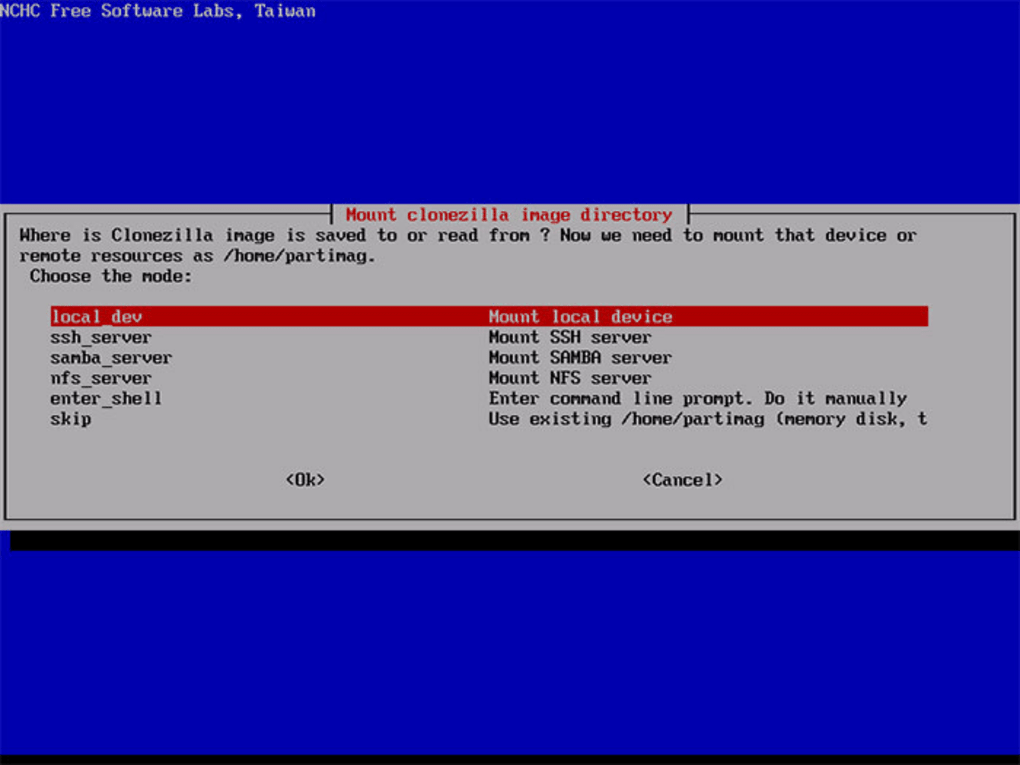
- Flexible backup destinations: Store images locally, on external USB drives, network shares (NFS, SMB), or even over SSH.
- Bootable media creation: Generates a bootable ISO that can be written to CD/DVD, USB flash drive, or PXE server.
- Batch cloning: Automate multiple machine deployments with the “Clonezilla SE” (Server Edition) mode.
- Compression options: Choose gzip, bzip2, or LZMA compression to shrink image size.
- Secure transmission: Encrypt image transfers via SSH or TLS for remote backup scenarios.
- Open‑source & free: No hidden fees, licensing costs, or vendor lock‑in.
- Multi‑platform support: Works on any PC that can boot from CD/USB, regardless of the installed OS.
Installation, Compatibility, and Practical Usage
Getting Clonezilla Live Up and Running
1. Download the ISO: Visit the official Clonezilla website and download the latest stable Clonezilla Live ISO image (≈ 300 MB).
2. Create boot media: Use a tool such as Rufus (Windows), Etcher (macOS/Linux), or the built‑in dd command to write the ISO to a USB flash drive or burn it to a CD/DVD.
3. Configure BIOS/UEFI: Restart your computer and enter the firmware setup (usually F2, Del, or Esc). Set the USB or CD/DVD drive as the first boot device.
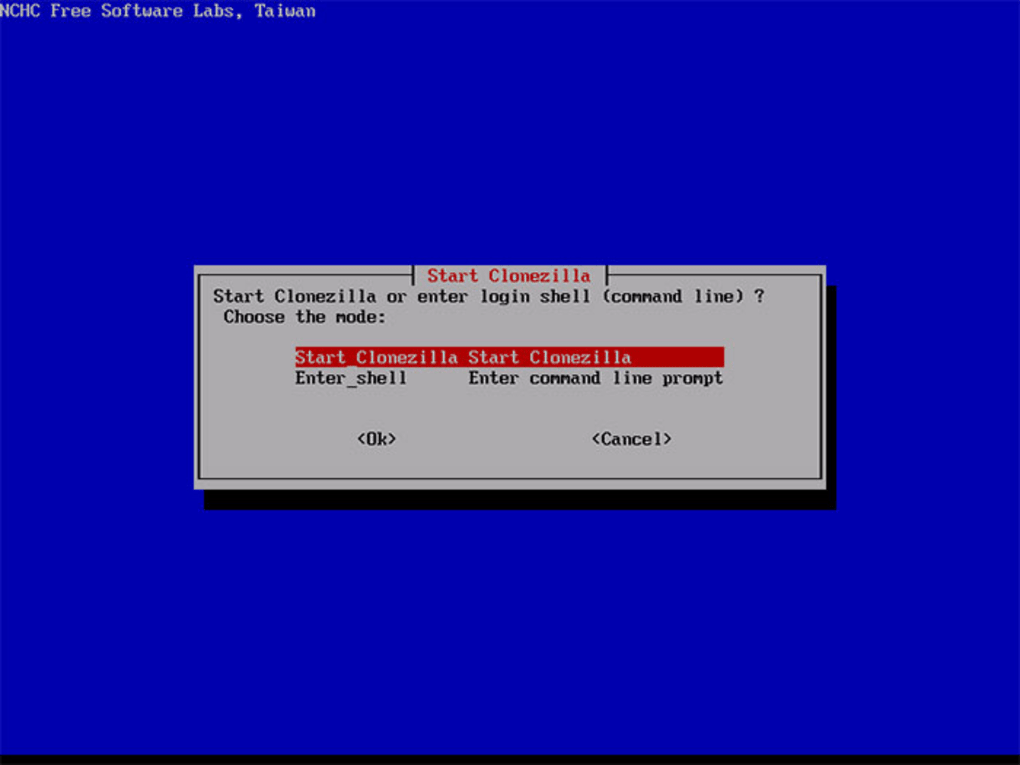
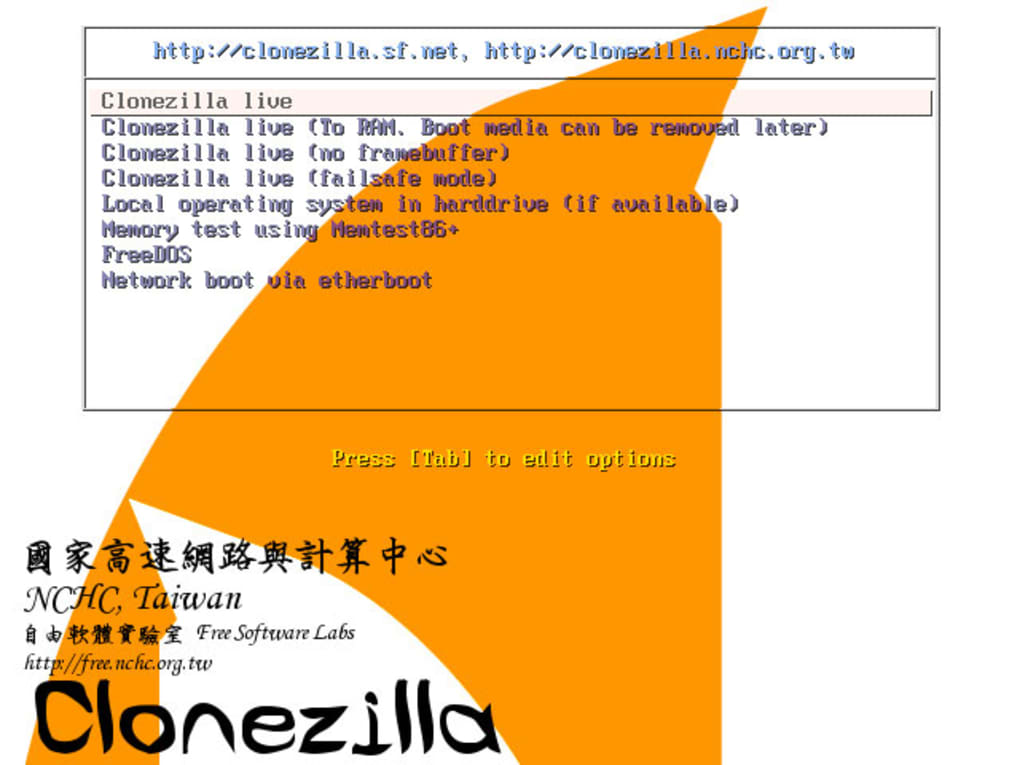
4. Boot into Clonezilla: Save changes and reboot. The Clonezilla menu will appear in a text‑based interface. Choose “Clonezilla live (default settings, VGA 800x600)” to start.
Compatibility Details
Clonezilla Live runs on any x86_64 PC that can boot from removable media. It works equally well on machines running Windows 10/11, macOS, Linux distributions, or even older legacy systems with BIOS firmware. Because the environment is a self‑contained Linux distro, the underlying host OS does not affect the cloning process. The only hardware requirement is a functional CD/DVD drive, USB port, or network boot capability.
Step‑by‑Step Cloning Workflow
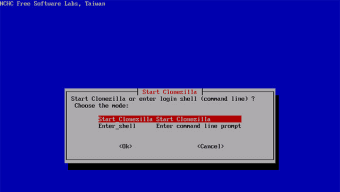
After the boot menu, select “device‑image” to create an image, or “device‑device” to clone directly from one disk to another. For a typical backup:
- Choose the destination where the image will be stored (local folder, external USB, or network share).
- Select the source disk or partition you wish to image.
- Pick a compression level (gzip recommended for balance of speed and size).
- Confirm the settings; Clonezilla will display a summary and ask for final confirmation.
- The cloning process begins, showing progress, estimated time, and a checksum verification at the end.
Restoring an image follows the reverse path: boot Clonezilla, select “device‑image,” point to the stored image, and choose the target disk. The tool will automatically handle partition resizing when moving to a larger drive.
Pros and Cons
- Pros:
- Completely free and open‑source.
- Fast cloning thanks to used‑space only copying.
- Supports a wide range of file systems and storage targets.
- Secure remote backup via SSH.
- Reliable for disaster recovery and mass deployment.
- Cons:
- Text‑based UI may intimidate beginners.
- Lacks some advanced scheduling features found in commercial tools.
- No native Windows or macOS graphical front‑end.
- Requires manual creation of boot media.
FAQ & Final Verdict
Frequently Asked Questions
Do I need to purchase a license to use Clonezilla Live?
No. Clonezilla Live is released under the GNU GPLv2 license and is completely free for personal, educational, or commercial use.
Can Clonezilla clone a Windows system to a larger SSD?
Yes. After creating an image of the Windows disk, you can restore it to a larger SSD. Clonezilla will automatically resize partitions during the restore, or you can manually adjust them later with tools like GParted.
Is it safe to clone a running operating system?
Clonezilla works from a live environment that runs outside the target OS, so the source drive is not actively used during cloning. This makes the process safe and prevents file corruption.
What storage formats does Clonezilla support for backup images?
Backup images are stored as a set of files in a directory on the destination medium. The format is proprietary to Clonezilla but can be restored only by Clonezilla itself. Compression (gzip, bzip2, LZMA) is optional.
Can I use Clonezilla over a network without a USB drive?
Yes. Clonezilla Live includes support for NFS, SMB/CIFS, and SSH. You can boot the machine via PXE and store or retrieve images directly from a network share.
Conclusion – Should You Download Clonezilla Live?
Clonezilla Live delivers exactly what its reputation promises: a fast, reliable, and completely free solution for disk imaging and cloning. Its ability to copy only used blocks dramatically reduces backup size and time, while the broad file‑system support ensures compatibility with virtually any Windows, Linux, or macOS setup. Although the text‑only UI may require a brief learning curve, the trade‑off is a lightweight, no‑bloat application that can be run on virtually any PC. For home users seeking a trustworthy backup tool, small businesses needing quick disaster‑recovery images, or IT pros deploying dozens of machines, Clonezilla Live offers the core functionality without the price tag of commercial alternatives.
Ready to secure your data? Download Clonezilla Live now, create your bootable media, and start protecting your system with confidence.