
Download ScreenSteps – step‑by‑step tutorial creator, video guide software
Overview
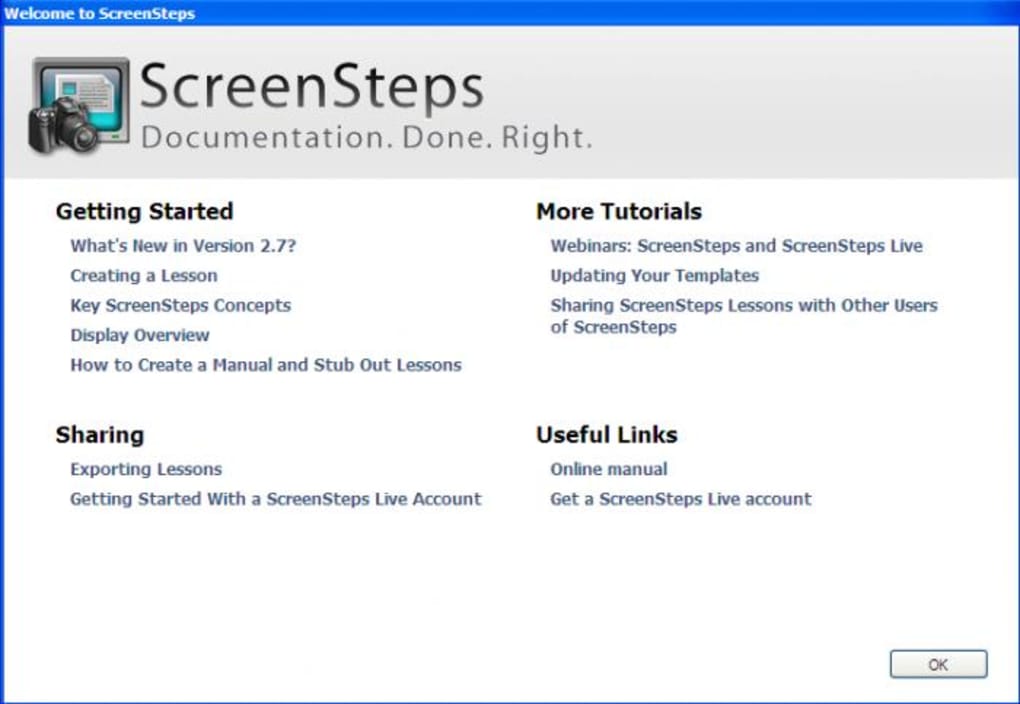
ScreenSteps is a purpose‑built application that turns complex processes into clear, concise step‑by‑step tutorials. Whether you are a trainer, support specialist, or a developer looking to document a workflow, ScreenSteps offers a streamlined “record‑capture‑annotate” workflow that keeps the focus on visual guidance while minimizing explanatory text. From the moment you launch the program, a well‑structured main menu greets you with interactive online tutorials that walk you through each essential function—making the learning curve virtually non‑existent. The tool captures screenshots, video snippets, or animated GIFs, then lets you annotate each frame with callouts, arrows, text boxes, and numbered steps. Once a tutorial is complete, ScreenSteps can export to HTML, XML, PDF, or even post directly to popular platforms such as WordPress, Confluence, and MindTouch. The entire process is designed to be finished within five to ten minutes for straightforward tutorials, though more intricate projects may naturally require additional time. By focusing on visual storytelling, ScreenSteps reduces the need for lengthy manuals, delivering a user‑friendly experience that helps end‑users grasp procedures at a glance. The software is free to download, secure, and receives regular updates to stay compatible with the latest operating systems and publishing platforms. In short, ScreenSteps bridges the gap between technical complexity and simple, digestible instructions, making it an essential tool for anyone who needs to create polished, interactive guides without a steep learning curve.
Key Features that Set ScreenSteps Apart
- Record‑Capture‑Annotate Workflow: Seamlessly capture screenshots or short video clips, then annotate them with arrows, shapes, and text to illustrate each step.
- Multi‑Format Export: Publish tutorials as HTML for web, XML for integration, PDF for offline distribution, or directly to WordPress, Confluence, MindTouch, and other wiki platforms.
- Built‑In Learning Hub: An extensive library of video tutorials and guided tours is accessible from the main menu, ensuring new users become proficient quickly.
- Template Library: Pre‑designed tutorial templates help you start projects instantly, reducing setup time for repetitive processes.
- Searchable Knowledge Base: All created tutorials are indexed, making it easy for viewers to find specific steps or topics via keyword search.
- Responsive Design: Exported HTML tutorials automatically adapt to desktop, tablet, and mobile screens, guaranteeing a consistent experience across devices.
- Secure Cloud Sync: Optional cloud storage keeps your tutorials backed up and accessible from any computer, with end‑to‑end encryption for data safety.
- Version Control: Track changes, revert to previous versions, and compare revisions to maintain accurate documentation over time.
- Custom Branding: Add your company logo, colors, and style guidelines to exported files for a professional, branded look.
- Frequent Updates: The development team releases regular patches that improve performance, add new export options, and expand platform compatibility.
Together, these features make ScreenSteps a comprehensive solution for creating instructional content that is both visually appealing and highly functional. The combination of an intuitive UI, robust export capabilities, and built‑in learning resources ensures that even non‑technical users can produce polished tutorials in minutes. Moreover, the ability to integrate directly with popular collaboration tools means that teams can embed documentation straight into their existing workflows, eliminating the need for separate publishing steps.
Installation, Usage & Compatibility
Step‑by‑Step Installation
Downloading ScreenSteps is straightforward. Visit the official website, click the “Download Free” button, and select the installer that matches your operating system. For Windows users, an .exe file is provided; macOS users receive a signed .dmg package. After the download completes, run the installer and follow the on‑screen prompts: accept the license agreement, choose the installation folder (the default works for most users), and let the wizard copy the necessary files. Once installation finishes, launch ScreenSteps from the desktop shortcut or the start menu. The first launch automatically checks for the latest updates and prompts you to download any available patches, ensuring you start with the most secure and feature‑rich version.
Getting Started with the Application
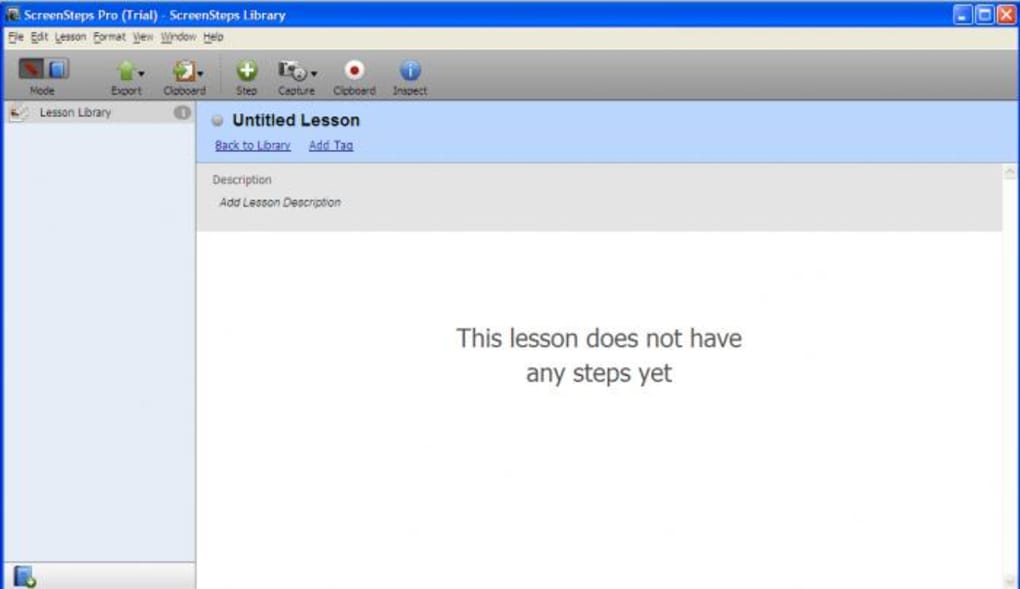
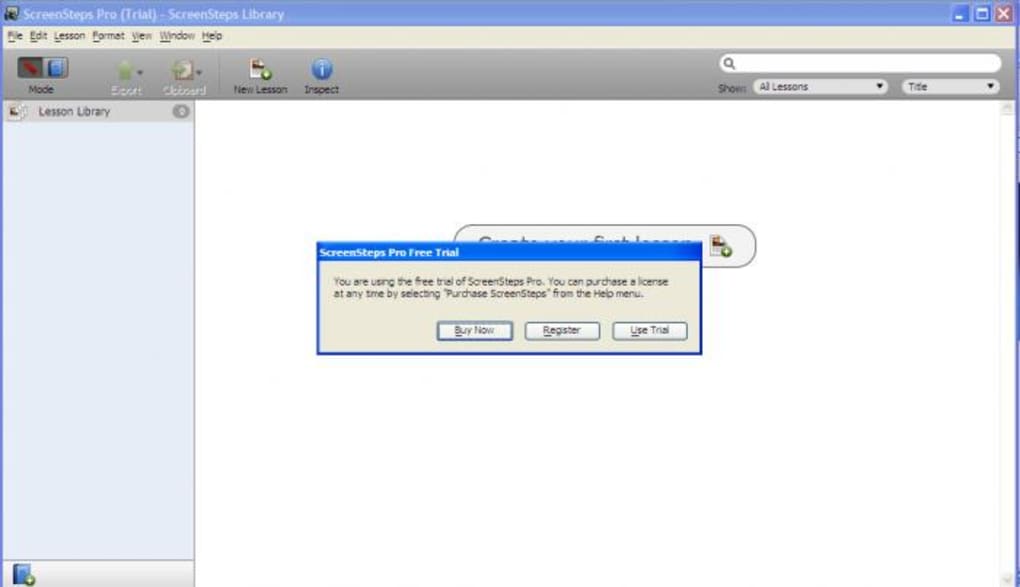
Upon opening ScreenSteps, you are greeted by a clean dashboard that highlights three primary actions: Create New Tutorial, Open Existing Project, and Learn the Basics. Clicking “Learn the Basics” opens the built‑in tutorial hub, which includes short videos covering everything from screen capture basics to exporting to WordPress. We strongly recommend completing at least the first two videos before diving into a real project; they explain the nuance of selecting the right capture mode (static screenshot vs. animated GIF) and how to use annotation tools efficiently.
To create a tutorial, select “Create New Tutorial,” choose a template (or start from a blank canvas), and then click the red “Record” button. ScreenSteps captures your screen activity, and you can pause or resume at any time. After recording, the application presents a timeline view where you can trim clips, add captions, and place numbered step markers. The annotation toolbar on the left lets you insert arrows, highlight boxes, and callout text with just a few clicks. Once satisfied, click “Export,” pick your desired format (HTML, PDF, XML), and optionally log in to your WordPress or Confluence account to publish directly.
Supported Platforms
- Windows 10, 11 (64‑bit)
- macOS 10.15 (Catalina) and later
- Linux distributions (Debian‑based .deb package and .rpm for Red Hat)
- Android tablets (via the companion app for viewing exported tutorials)
- iOS (iPad) – read‑only mode for consuming tutorials created on desktop
While the authoring environment is currently limited to desktop operating systems, the exported tutorials are fully responsive and can be viewed on any device, including smartphones and tablets. Regular updates guarantee that new OS releases are supported within weeks of their public launch, keeping your workflow secure and future‑proof.
Pros & Cons – A Balanced Look
Advantages
- Intuitive record‑capture‑annotate workflow reduces learning time.
- Free to download with optional paid upgrades for advanced branding.
- Multiple export options (HTML, PDF, XML) and direct publishing to popular platforms.
- Responsive tutorials work on desktop, tablet, and mobile devices.
- Built‑in tutorial hub ensures users can become proficient quickly.
- Secure cloud sync and end‑to‑end encryption for data safety.
- Version control and searchable knowledge base streamline content management.
Drawbacks
- Advanced customization (custom CSS, deep branding) requires the paid “Pro” license.
- No native video‑only export; you must convert HTML to video using third‑party tools.
- Linux installer can be less polished than Windows/macOS counterparts.
- Large tutorials may produce sizable HTML files, requiring careful hosting considerations.
- Limited direct integration with cloud‑only platforms like Google Drive (requires manual upload).
Overall, the strengths of ScreenSteps far outweigh its limitations, especially for teams that prioritize visual documentation over lengthy textual manuals. The free version provides enough power for most small‑to‑medium projects, while the Pro upgrade unlocks enterprise‑grade branding and collaboration features.
Frequently Asked Questions
Is ScreenSteps truly free or are there hidden costs?
ScreenSteps offers a completely free version that includes all core features needed to create, annotate, and export tutorials. The only optional cost is the “Pro” license, which adds advanced branding, premium templates, and priority support. There are no hidden fees or subscription traps in the free edition.
Can I export tutorials as video files directly from ScreenSteps?
ScreenSteps does not include a native video export function. However, you can export your tutorial as an HTML page and use third‑party screen‑recording tools or browser extensions to capture the tutorial as a video. The built‑in animated GIF export can also serve as a lightweight video alternative.
Is the software compatible with the latest macOS Ventura?
Yes. ScreenSteps releases regular updates that ensure compatibility with the newest macOS versions, including Ventura and later. The installer is notarized by Apple, guaranteeing a smooth installation process.
How does ScreenSteps handle security and data privacy?
All cloud sync operations are encrypted with TLS 1.3, and stored files are encrypted at rest using AES‑256. The application does not collect personal data beyond what is required for licensing and support. You can also opt to keep all tutorials locally without using the cloud service.
Can I integrate ScreenSteps tutorials into a corporate intranet?
Absolutely. Exported HTML tutorials can be hosted on any internal web server or intranet portal. They are fully responsive and support single‑sign‑on (SSO) via standard authentication methods, making them ideal for corporate knowledge bases.
Conclusion – Should You Download ScreenSteps?
ScreenSteps delivers on its promise to make step‑by‑step tutorial creation fast, visual, and accessible. Its free version is generous, the interface is clean, and the built‑in learning hub eliminates the typical onboarding friction that plagues many documentation tools. While power users may eventually upgrade to the Pro license for deeper branding options, the core functionality is more than sufficient for educators, support teams, and small businesses. If you need a reliable, secure, and cross‑platform solution to turn complex processes into simple visual guides, ScreenSteps is a solid choice. Download it today, follow the quick start tutorial, and start publishing professional tutorials in minutes.